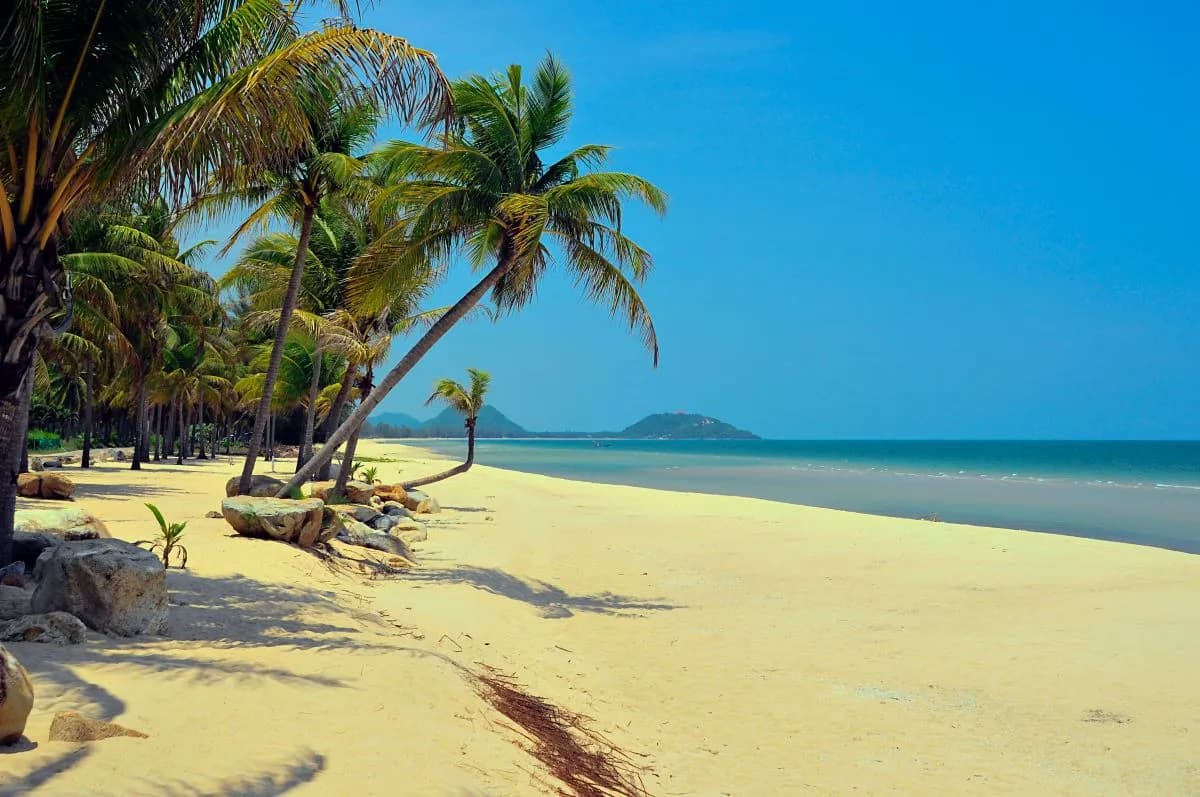
Thailand travel guide
From tropical beaches and buzzing cities to ancient temples and lush jungles, Thailand offers endless adventure.
About Thailand
Thailand is one of Southeast Asia's most popular destinations, blending vibrant cities, pristine beaches, and rich cultural heritage. Whether you're exploring Bangkok's golden temples, island-hopping in Phuket and Krabi, or relaxing on the white sands of Koh Samui, there's something for every traveller. The country's warm hospitality, delicious cuisine, and incredible value make it a favourite for Australian holidaymakers.
With tropical weather year-round, stunning landscapes from the Andaman Coast to the Gulf of Thailand, and easy access from major Australian cities, Thailand remains a top choice for both first-time visitors and seasoned travellers looking for their next getaway.
Know before you go
The things to sort out before you book.
Which airport do I fly into?
Most international flights arrive at Suvarnabhumi Airport in Bangkok, Thailand's main hub located 30km east of the city centre. Phuket International Airport is the second-busiest and serves direct flights from Australia to the southern beach regions. Don Mueang Airport in Bangkok handles some budget carriers.
How do I get from the airport?
From Suvarnabhumi, the Airport Rail Link train runs to central Bangkok for around 45 baht, taking 26 to 30 minutes. Taxis cost around 400 to 700 baht including tolls, or you can book private transfers. From Phuket Airport, metered taxis to Patong Beach cost around 700 baht plus a 100 baht surcharge.
What currency do they use?
The Thai Baht (THB) is the official currency. ATMs are widely available, and currency exchange booths operate at airports and shopping centres. Credit cards are accepted at most hotels and larger establishments, but carry cash for markets, street food, and smaller businesses.
Do Australians need a visa?
No visa is required for tourism stays up to 30 days. Your passport must be valid for more than six months from arrival. You must complete the free Thailand Digital Arrival Card online at tdac.immigration.go.th within three days before arrival. The 30-day stay can be extended once for another 30 days at a Thai immigration office.
When is the best time to go?
November to February is peak season, with dry weather and cooler temperatures across most of the country. March to May is hot and dry, while June to October is the wet season with monsoon rains, though the east coast islands can still be good. Shoulder seasons offer fewer crowds and lower prices.
What language do they speak?
Thai is the official language. English is widely spoken in tourist areas, hotels, and major cities, though less common in rural regions. Learning a few basic Thai phrases is appreciated and helpful for getting around.
What is the time difference?
Thailand is four hours behind Sydney during Australian Eastern Daylight Time, and three hours behind during Australian Eastern Standard Time. Thailand doesn't observe daylight saving, so the difference changes when Australia adjusts its clocks.
How do I get around?
Domestic flights connect major cities quickly and affordably. In Bangkok, the BTS Skytrain and MRT subway are efficient. Taxis and ride-sharing apps like Grab work well in cities. Ferries connect islands, and you can hire scooters in beach areas. Long-distance buses are comfortable and inexpensive.
What power plugs do they use?
Thailand uses Type A, B, C, and O plugs with 220V at 50Hz. Australian travellers need a plug adapter, but most modern phone and laptop chargers work with the voltage. Adapters are available at airports and electronics shops.
Do I need travel insurance?
Yes, travel insurance is highly recommended. It covers medical emergencies, trip cancellations, and lost belongings. Thailand has excellent private hospitals, but medical care can be expensive without insurance. Check that your policy covers activities like scooter riding or water sports.
What should I know about customs and etiquette?
Dress modestly when visiting temples, covering shoulders and knees. Remove shoes before entering homes and temples. The Thai Royal Family is deeply respected, so avoid any disrespectful comments. Tipping isn't mandatory but appreciated for good service, typically 10 percent at restaurants.
How much money should I budget?
Thailand offers excellent value. Street food costs 50 to 150 baht per meal, while restaurant meals range from 200 to 500 baht. Accommodation varies widely from budget guesthouses to luxury resorts. Budget 1,500 to 3,000 baht per day for mid-range travel including activities and transport.
Where to go
Bangkok
Thailand's vibrant capital blends ancient temples, modern shopping malls, and bustling street markets. Explore the Grand Palace, cruise along the Chao Phraya River, and dive into world-class street food.
CultureShoppingNightlifePhuket
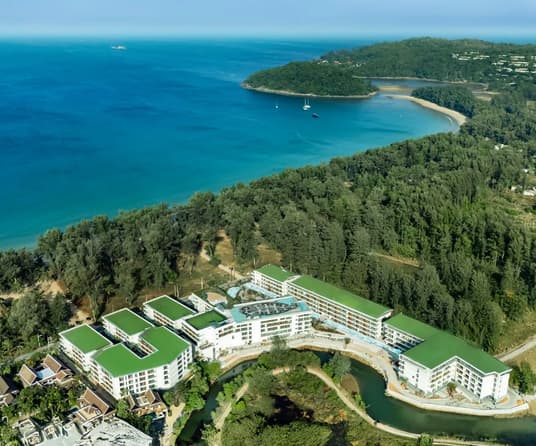
Thailand's largest island offers stunning beaches, lively nightlife, and easy island-hopping. Home to Patong, Kata, Karon, and Kamala beaches, plus the quieter shores of Bang Tao and Rawai.
BeachesNightlifeWater sportsKoh Samui
This Gulf of Thailand island paradise features palm-fringed beaches, luxury resorts, and laid-back vibes. Perfect for couples and families seeking a tropical escape with excellent dining and spas.
BeachesRelaxationCouplesKrabi
Dramatic limestone cliffs, crystal-clear waters, and pristine beaches make Krabi a natural wonderland. Base yourself in Ao Nang or explore quieter spots, with easy access to Railay Beach and island tours.
NatureAdventureBeachesPatong
Phuket's most famous beach town pulses with energy day and night. The wide beach is lined with restaurants, bars, and clubs, making it ideal for those who want action and entertainment.
NightlifeBeachShoppingKanchanaburi
West of Bangkok, this historic province is home to the Bridge over the River Kwai, stunning waterfalls, and jungle landscapes. A popular destination for history buffs and nature lovers seeking a change from the beach.
HistoryNatureCultureKata and Karon
These neighbouring Phuket beaches offer a more relaxed alternative to Patong, with excellent surf, family-friendly shores, and a good mix of restaurants and bars without the overwhelming crowds.
Family-friendlySurfBeachesChalong and Rawai
On Phuket's southern coast, these areas are quieter and more local in feel. Chalong is the main pier for boat tours, while Rawai offers seafood restaurants, local markets, and a glimpse of authentic island life.
Local lifeSeafoodBoat toursOfficial sites to check before you go
Thailand climate information
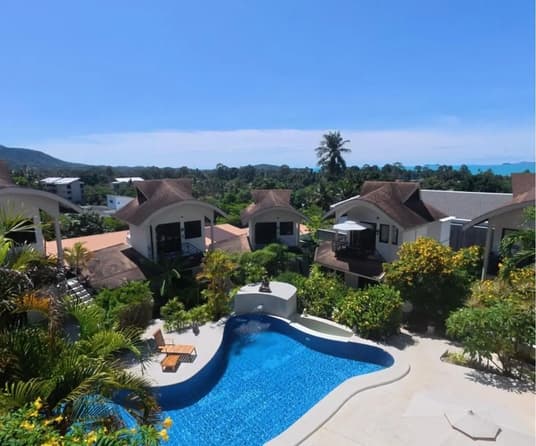
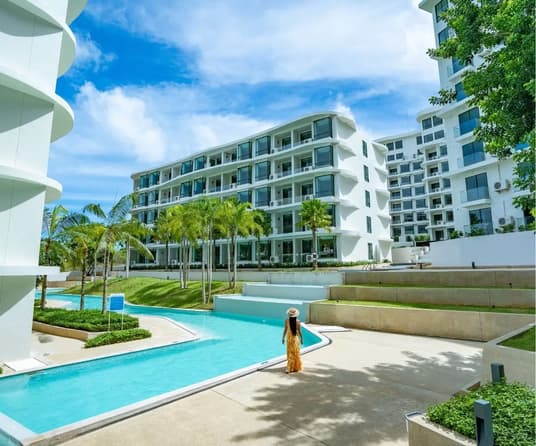
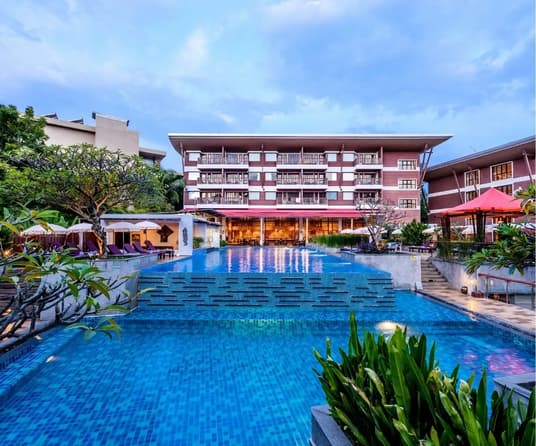
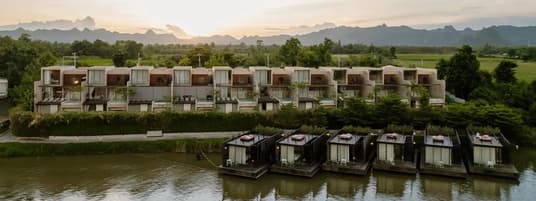
Our Thailand resorts



Thailand holiday packages
Secure your stay with a small deposit. Choose your dates later.