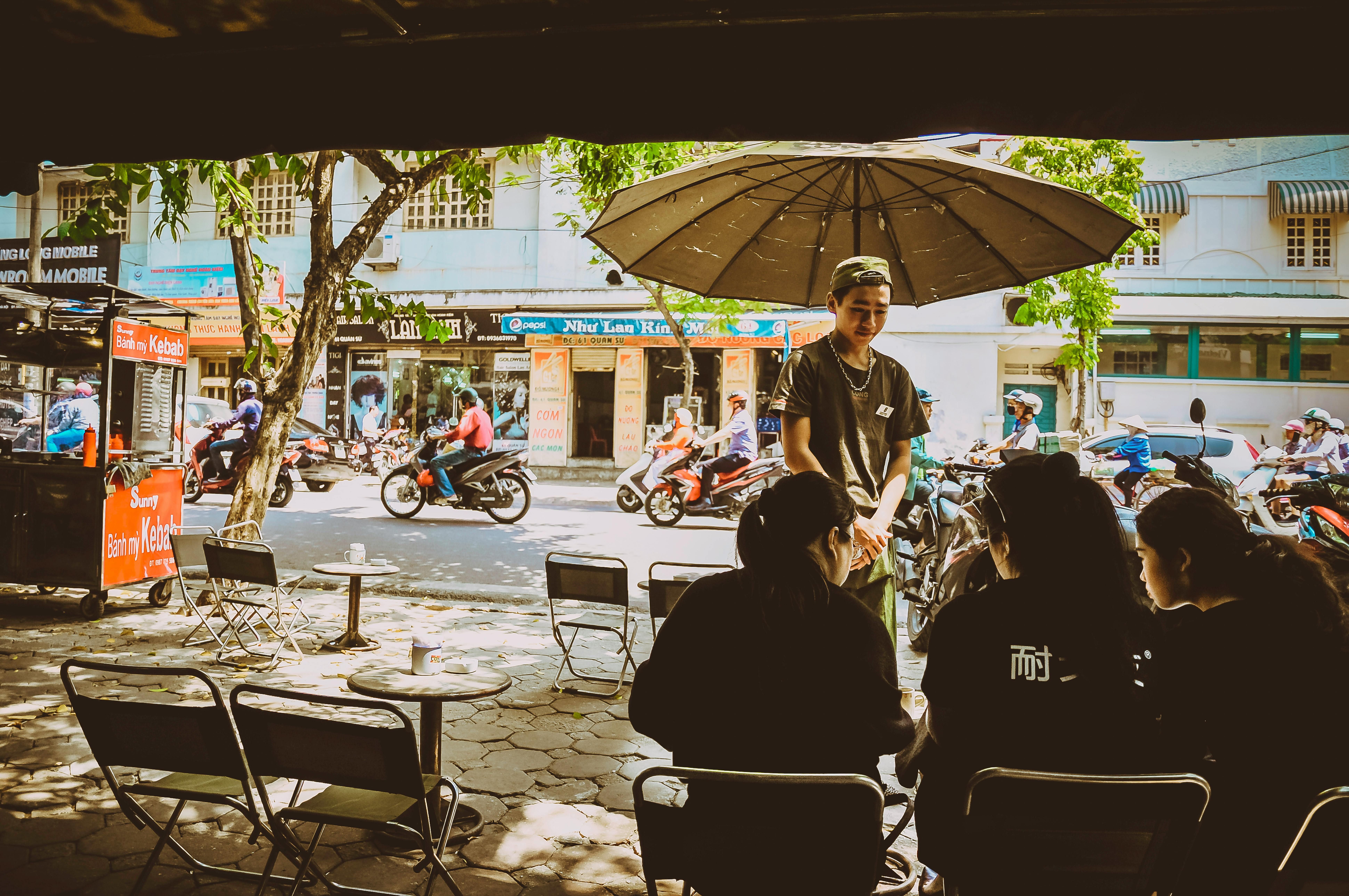
Vietnam has quietly become one of the smartest holiday choices for Australians — and the numbers back it up. Direct flights from most capital cities land you in Hanoi or Ho Chi Minh City in under nine hours, roughly the same as Bali but with none of the overcrowding. Your dollar stretches further here than almost anywhere in Southeast Asia, luxury resorts cost half what you'd pay in Thailand, and the food scene rivals anything in the region. Whether you're after beachfront villas in Phu Quoc, ancient towns like Hoi An, or the dramatic karst landscapes of Halong Bay, Vietnam delivers that rare combination of affordability and genuine luxury that Australian couples (and families) are increasingly switching on to.
| Reading time: 15 mins | Written by Via Resorts Team
- Why Vietnam is Perfect for Australian Holidaymakers
- Where Australians Should Base Their Vietnam Holiday
- The Main Destinations Worth Your Time
- Recommended Itinerary Splits
- North-to-South or Stay Regional?
- Couples vs Families: What Works Where
- What Australian Travellers Need to Know Before Booking Vietnam
- Accommodation Options for Australians in Vietnam
- How Booking Works
- Why Book Your Vietnam Holiday with Via Resorts
- FAQ
- When is the best time to visit Vietnam from Australia?
- How much deposit do I need to secure my Vietnam accommodation?
- Is Vietnam suitable for families with kids?
- Do I need travel insurance for Vietnam?
- Can I use Australian dollars in Vietnam?
- How do I book flights separately from my accommodation?
- Next Steps
Why Vietnam is Perfect for Australian Holidaymakers
Vietnam sits in that travel sweet spot Australians dream about — close enough for a proper getaway without sacrificing half your holiday to travel time, yet different enough to feel properly exotic. Direct flights from Sydney, Melbourne, and Brisbane clock in around 8-9 hours to Ho Chi Minh City or Hanoi, meaning you can leave after work Friday and be exploring Vietnamese markets by Saturday afternoon. Compare that to Europe's 24+ hours in the air, and you start to see why Vietnam's become such a favourite.
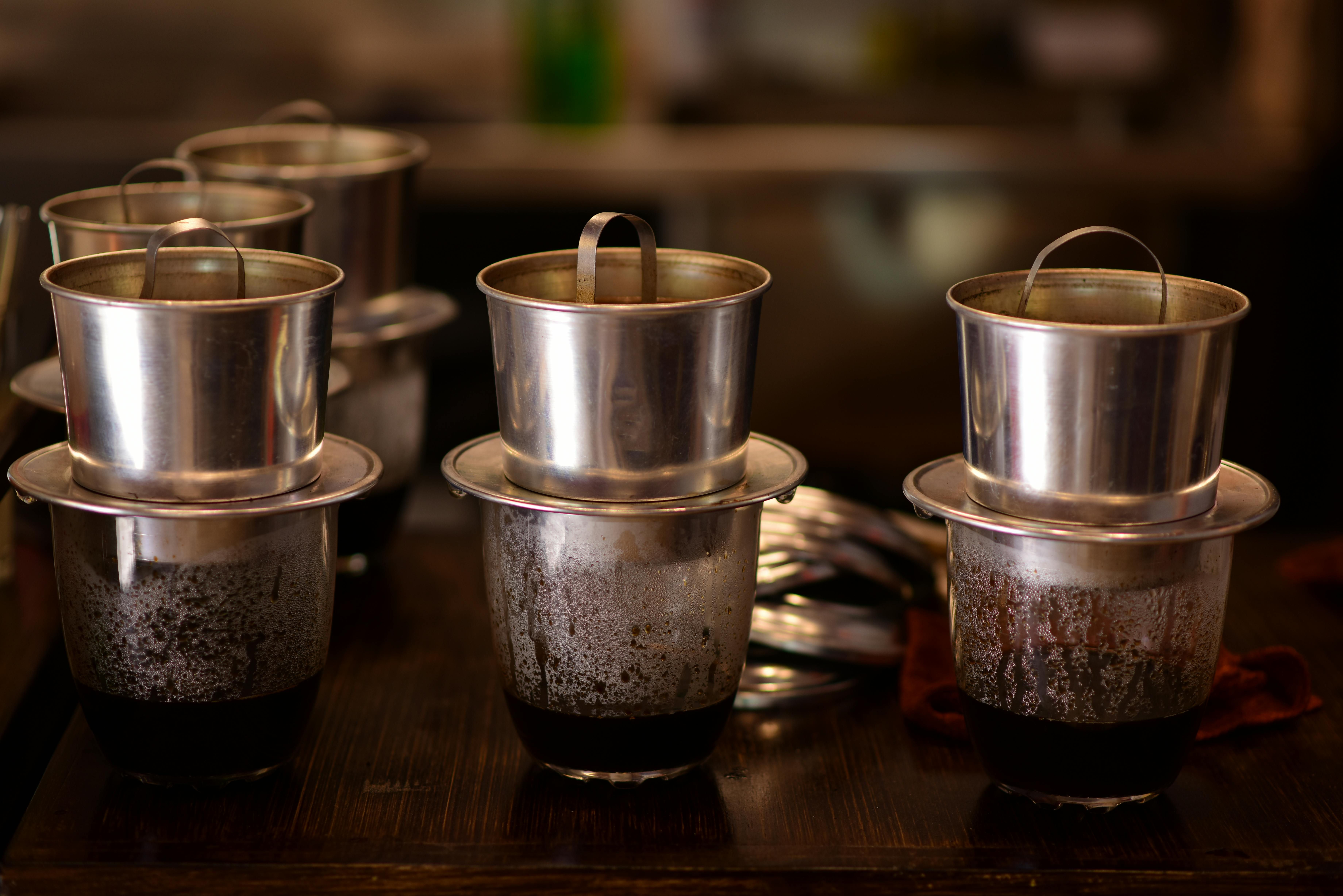
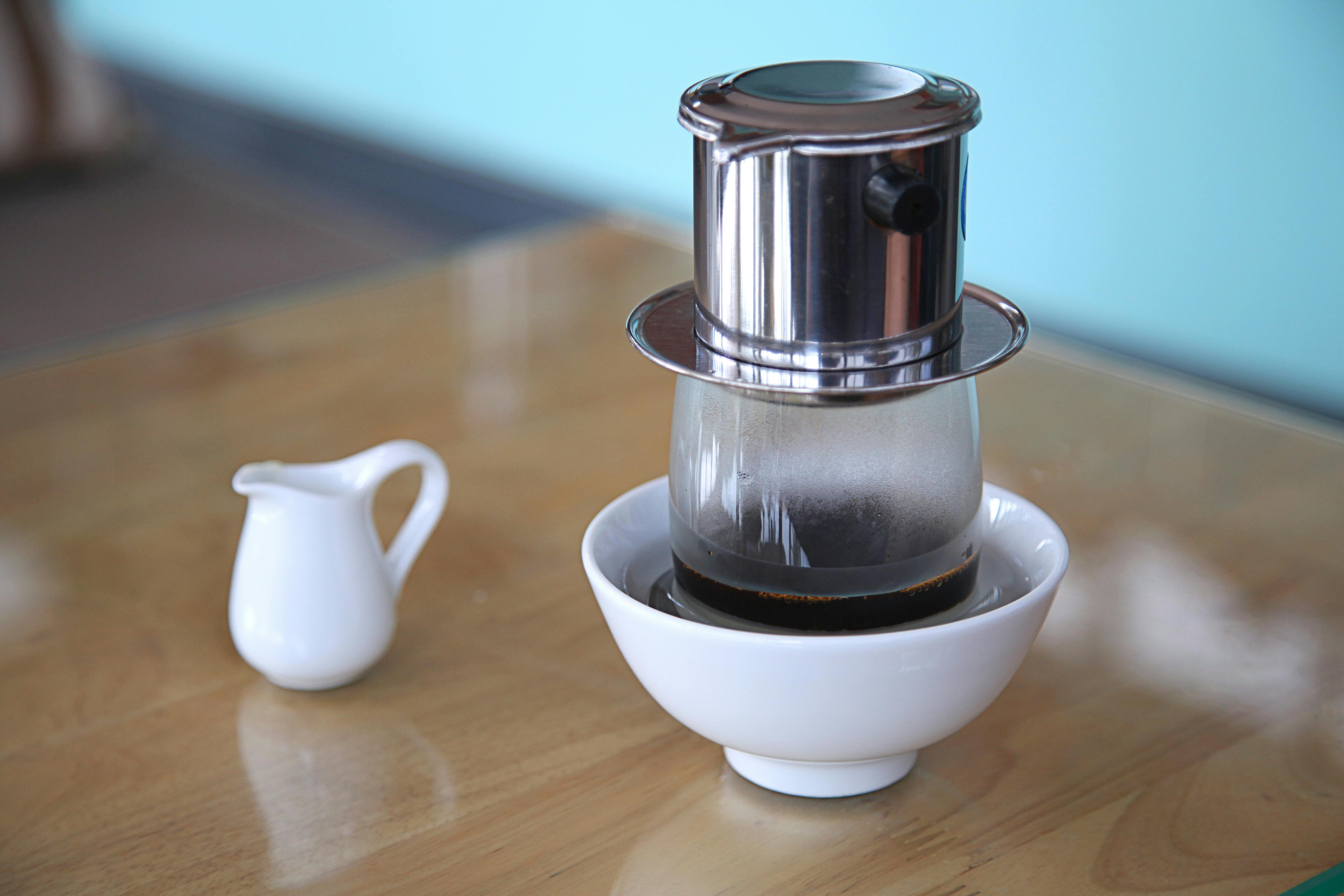
The time difference is minimal too — just 3-4 hours depending on daylight saving — so jet lag barely registers. You're not spending three days of a ten-day holiday feeling zombified, which matters when you're working with limited annual leave. Your body clock adjusts faster than you can say "cà phê sữa đá."
Then there's the cost advantage that makes Vietnam genuinely appealing. While Bali's prices have crept up and Thailand's tourist areas charge near-Australian rates, Vietnam still delivers exceptional value. Your Australian dollar stretches beautifully here — a three-course meal at a lovely local restaurant runs $15-25 AUD per person, beach cocktails cost $5-8 rather than Sydney's $20+, and spa treatments are a fraction of home prices. Even at 4-5 star properties, nightly rates often sit 30-50% below comparable Bali or Thailand resorts.
The visa situation is refreshingly straightforward for Australians — you can arrange an e-visa online before departure for around $35 AUD, valid for 90 days. No embassy visits, no courier services, just a simple online application. For couples who haven't locked in exact dates yet, Vietnam's "hold today, travel later" flexibility through Via's deposit model (from as little as $100 AUD) means you can secure premium accommodation rates without committing to flights immediately — book them separately when you're ready, potentially using points or finding better deals.
Where Australians Should Base Their Vietnam Holiday
Most Australians don't visit just one place in Vietnam — and honestly, you shouldn't either. The country stretches over 1,600 kilometres from north to south, and the cultural and geographic differences between regions are massive. That said, trying to squeeze in too many destinations turns your holiday into a logistics exercise. Here's how to strike the right balance based on how long you've got.
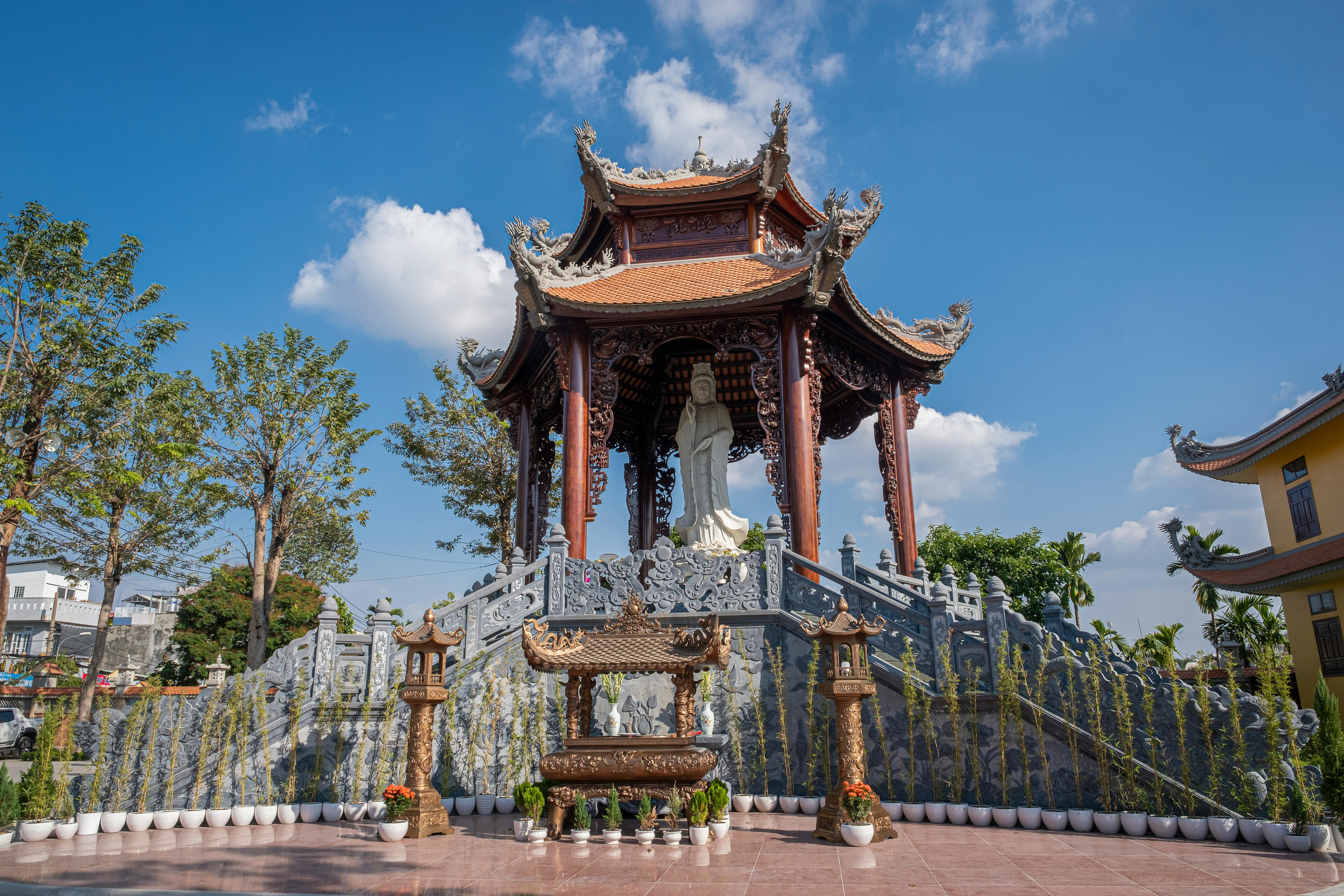
The Main Destinations Worth Your Time
Hanoi (North): Vietnam's capital is chaotic, atmospheric, and utterly absorbing. The Old Quarter feels like organised chaos — motorbikes weaving through narrow streets, street food vendors on every corner, and enough coffee shops to fuel a small army. It's brilliant for a few days, but the traffic and pollution can wear thin. Best for: couples who love urban energy and history buffs fascinated by French colonial architecture and war history.
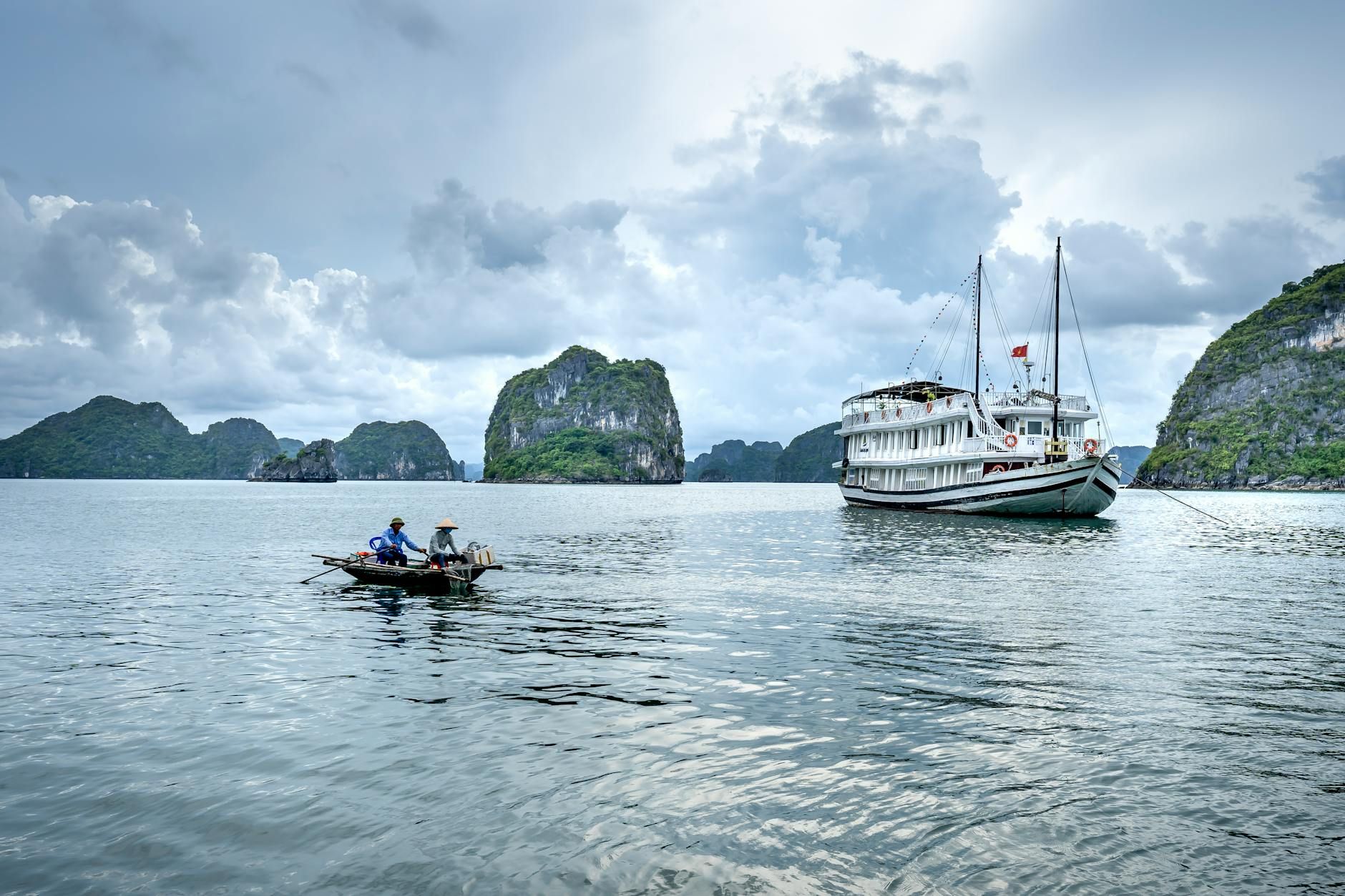
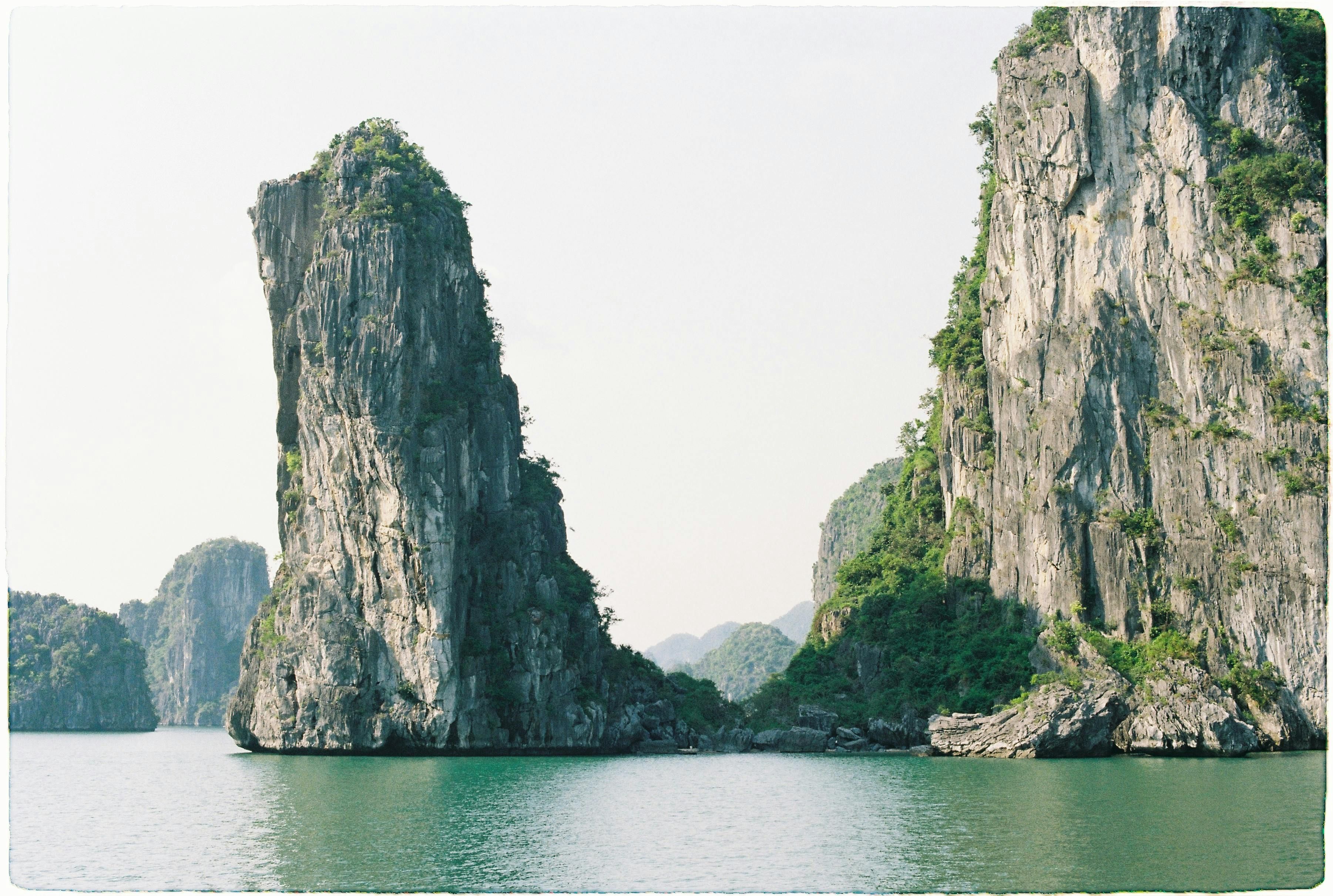
Halong Bay (North): The iconic karst islands rising from emerald water. You'll need at least one overnight cruise to properly experience it (day trips feel rushed). The downside? It's touristy, and some budget cruises are basically floating hotels with average food. Spring for a quality operator. Best for: both couples and families — kids love the kayaking and cave exploring.
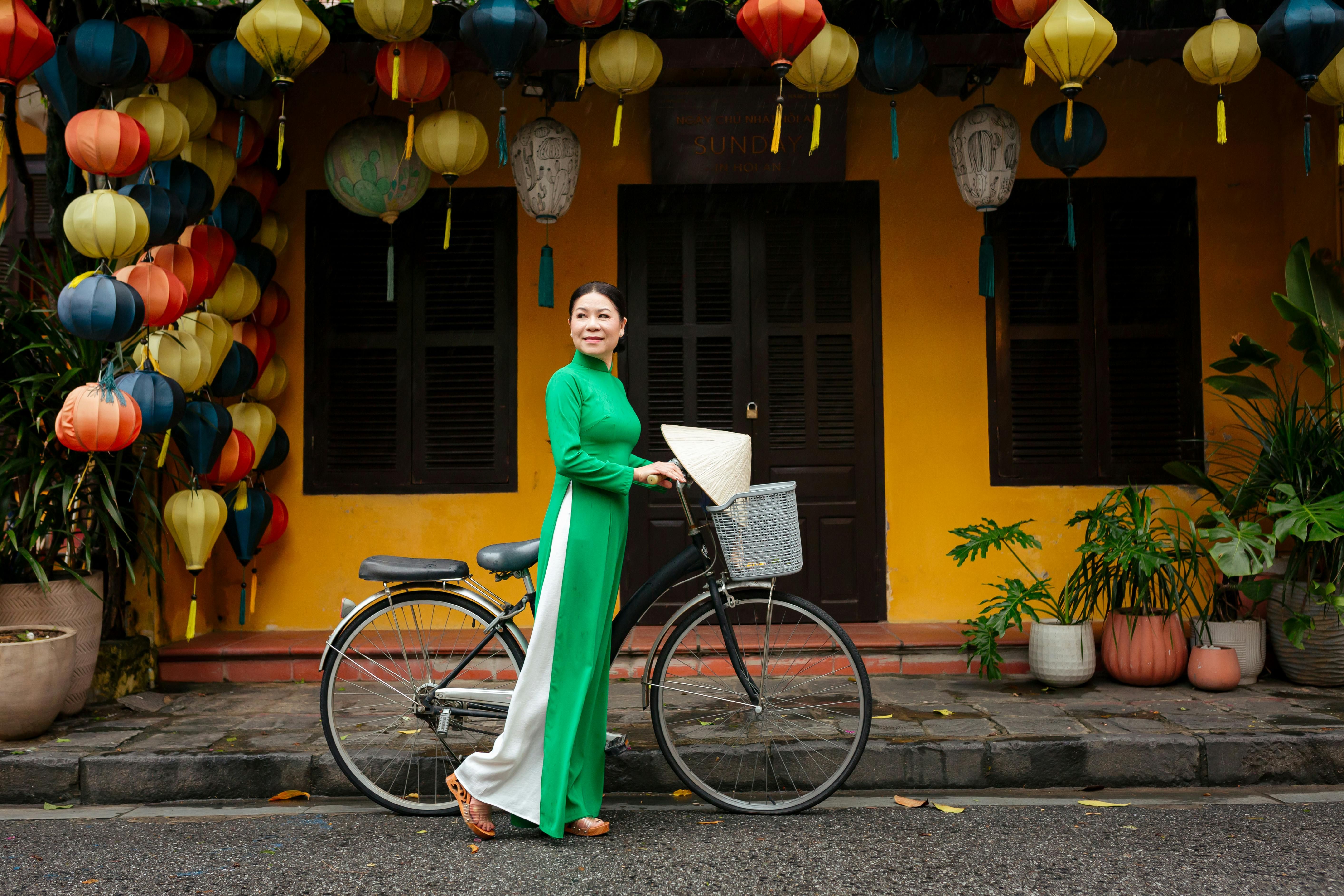
Hoi An (Central): This is where most Australians fall in love with Vietnam. The ancient town is pedestrian-friendly, the beaches are swimmable, and you can get custom clothing made for ridiculously cheap. It's also genuinely relaxing, which is rare in Vietnam. The only con? It can feel a bit like a heritage theme park during peak season. Best for: everyone, honestly. Couples, families, first-timers.

Ho Chi Minh City (South): Formerly Saigon, this is Vietnam's economic engine — faster-paced and more modern than Hanoi, but equally chaotic. The War Remnants Museum is confronting but essential. The food scene is outstanding. The downside? It's hot year-round and feels very much like a big city (if you're chasing beaches and temples, don't spend too long here). Best for: couples who want nightlife and urban exploring.
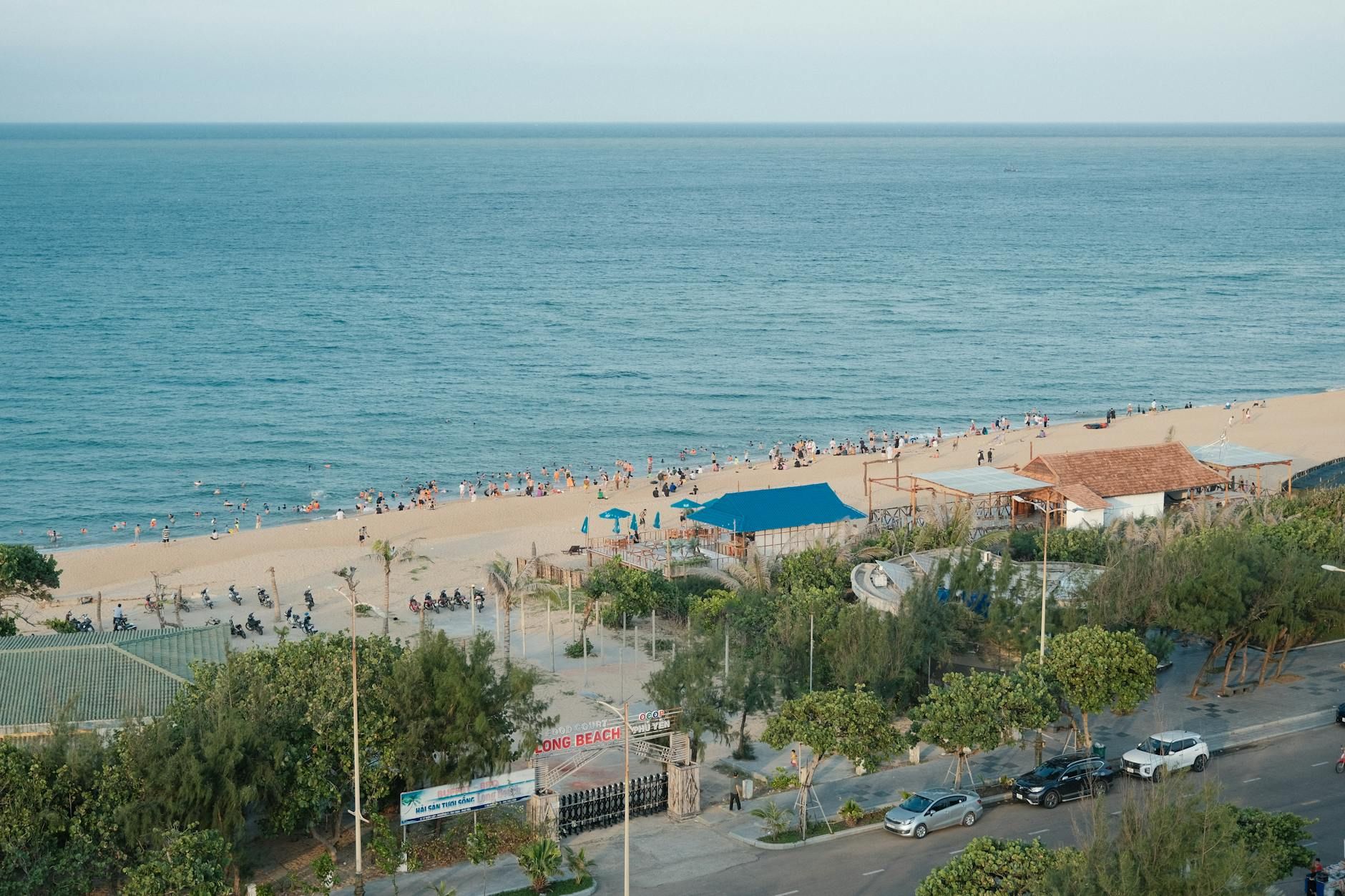
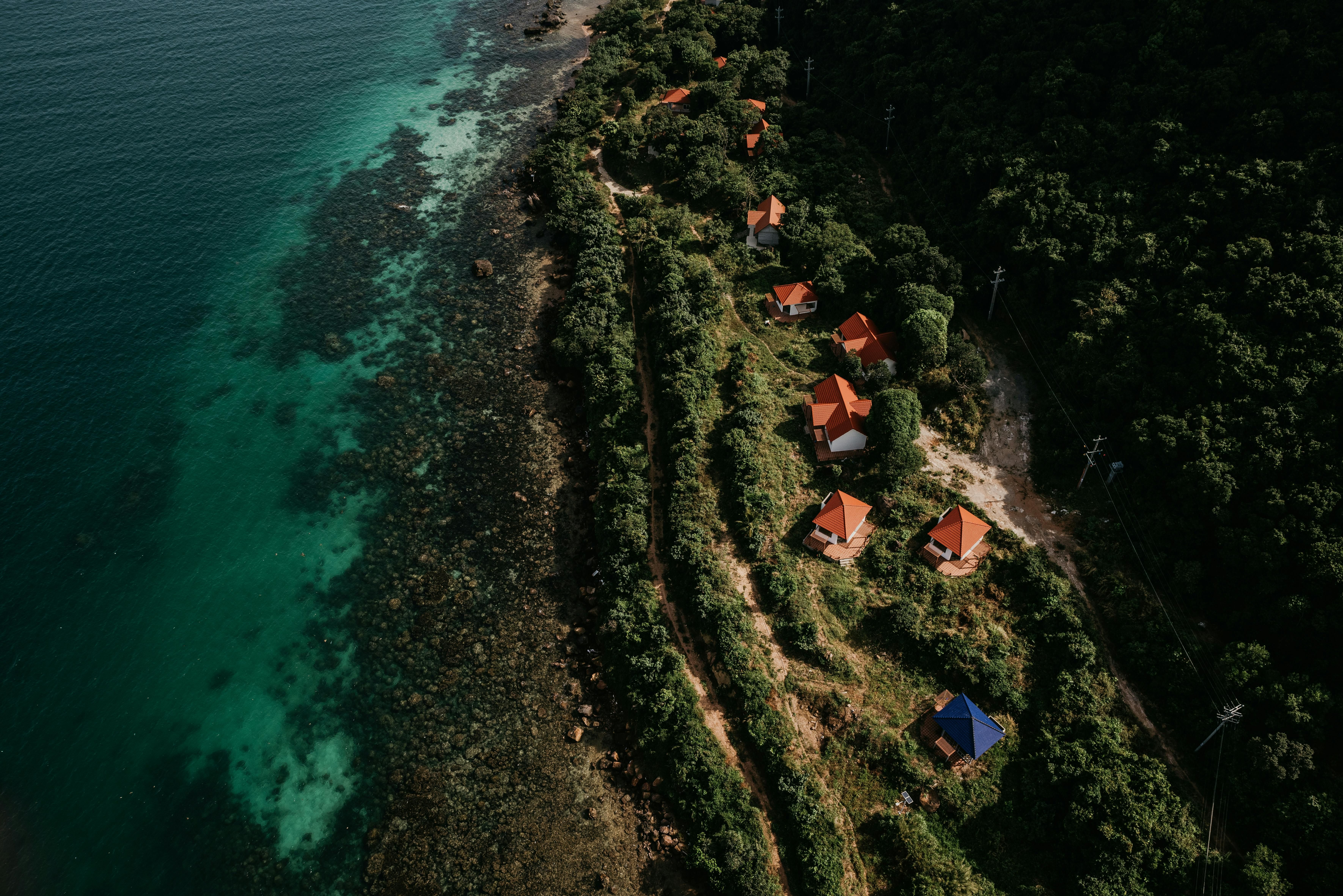
Phu Quoc (South): Vietnam's largest island, with white-sand beaches and clear water. It's being rapidly developed, so parts feel like a construction site, but the northern beaches remain gorgeous. Direct flights from Australia (via connecting hubs) make it accessible. Best for: families wanting a beach component, or couples who prefer resort time over constant sightseeing.
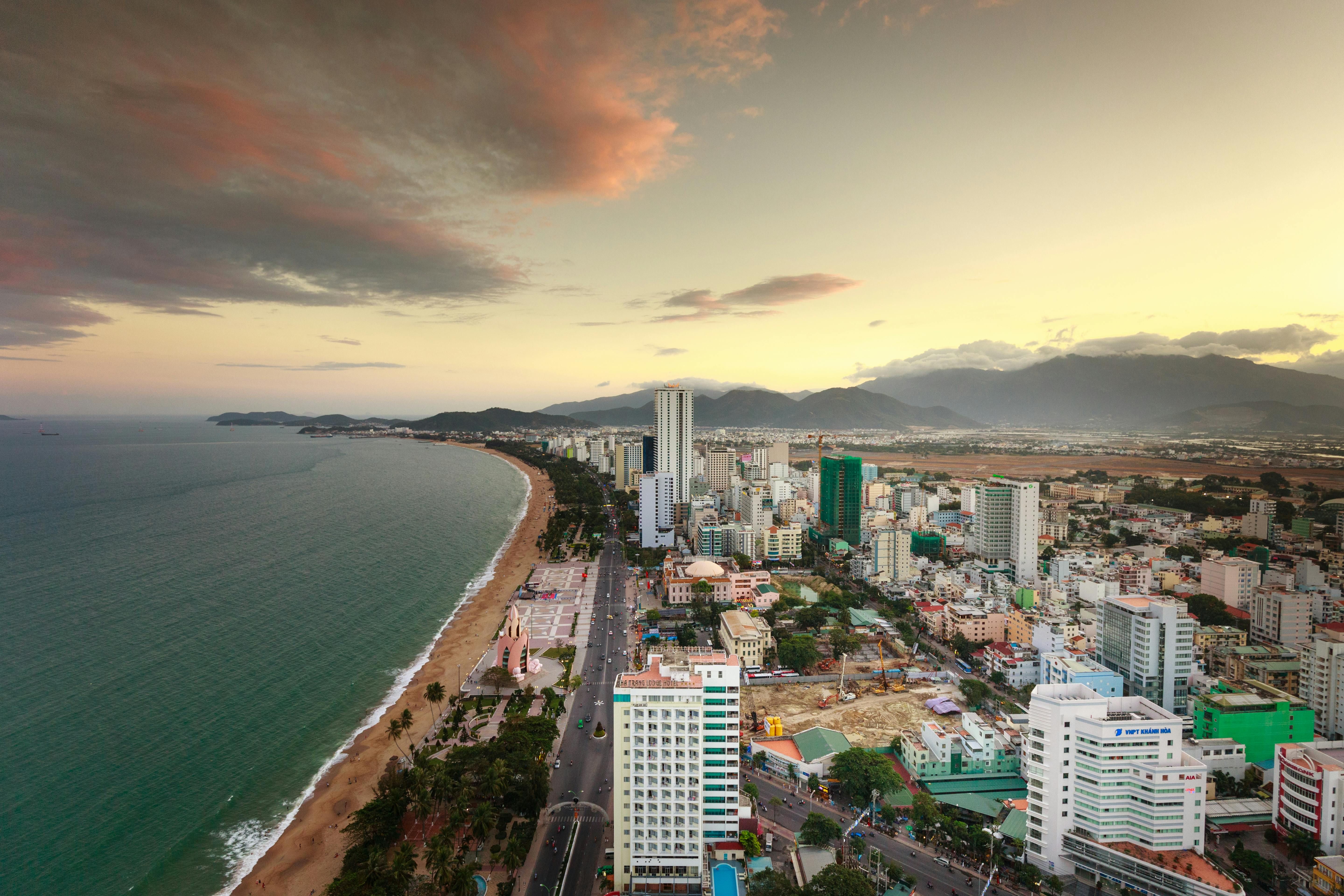
Nha Trang (Central Coast): A beach city popular with Russian and Chinese package tourists. The beach is decent, but it lacks the charm of Hoi An or the pristine quality of Phu Quoc. Most Australians skip it unless they're keen on scuba diving. Best for: advanced divers or those wanting a mid-trip beach break on a budget.
Recommended Itinerary Splits
7 Days: Pick two destinations, three max. Popular combos: Hanoi + Halong Bay + Hoi An (north to central), or Ho Chi Minh City + Hoi An + Phu Quoc (if you want beaches). You'll spend about 2-3 nights in each spot. This feels rushed but doable if you're efficient.
10 Days: The sweet spot. You can comfortably do north-to-south or focus on one region in depth. Classic route: Hanoi (2 nights) → Halong Bay (1-2 nights) → Hoi An (3 nights) → Ho Chi Minh City (2 nights). Alternatively, go deep in the south: Ho Chi Minh City (2 nights) → Mekong Delta (1 night) → Hoi An (3 nights) → Phu Quoc (3 nights).
14 Days: Now you can do a proper north-to-south journey without feeling like you're ticking boxes. Add Sapa (northern highlands) for trekking, or Da Lat (central highlands) for cool-climate vineyards and waterfalls. You'll also have buffer days for spontaneous discoveries or simply recovering from street food adventures gone wrong.
North-to-South or Stay Regional?
The North-to-South Debate: Doing the full length sounds epic, but internal flights add up (and Vietnam's domestic airports aren't known for efficiency). If you're doing 10+ days and genuinely want the full experience — French-influenced Hanoi versus American-war-era Saigon, misty mountains versus tropical beaches — then go for it. Book your internal flights when you secure your accommodation to lock in better rates.
Staying Regional: For 7-10 days, focusing on either the north or the south makes more logistical sense. You'll spend less time in airports and more time actually enjoying Vietnam. The north is cooler (literally) and more traditional; the south is warmer year-round and has better beach access.
Couples vs Families: What Works Where
Couples: You've got more flexibility. Hanoi's late-night street food scene, Hoi An's boutique hotels, Ho Chi Minh City's rooftop bars — it's all on the table. You can also handle more ambitious itineraries (overnight trains, early-morning temple visits, spontaneous motorbike rentals).
Families with Kids: Stick to 2-3 destinations max. Hoi An is the hero — shallow beaches, bike-friendly streets, cooking classes that welcome children. Phu Quoc works well for the resort component (some properties have kids' clubs and waterparks). Halong Bay cruises are family-friendly if you choose the right boat. Skip the big cities unless your kids are older teens who can handle the traffic chaos.
The Honest Truth: Vietnam rewards slow travel. The temptation is to cram everything in, but you'll have a better holiday (and better stories) if you allow time to wander a market without a plan, linger over coffee, or spend an afternoon doing absolutely nothing on a beach. Book your accommodation with Via's flexible deposit option — from as little as $100 AUD — so you've locked in your plan but can still adjust your internal flights as you get closer to departure.
What Australian Travellers Need to Know Before Booking Vietnam
The good news: Vietnam is remarkably straightforward for Australians to visit. You don't need vaccinations to enter (though some are recommended), the e-visa system works, and your Australian credit cards function better here than in many Southeast Asian destinations. The less good news: there are a few traps worth avoiding, and timing matters more than you might think.
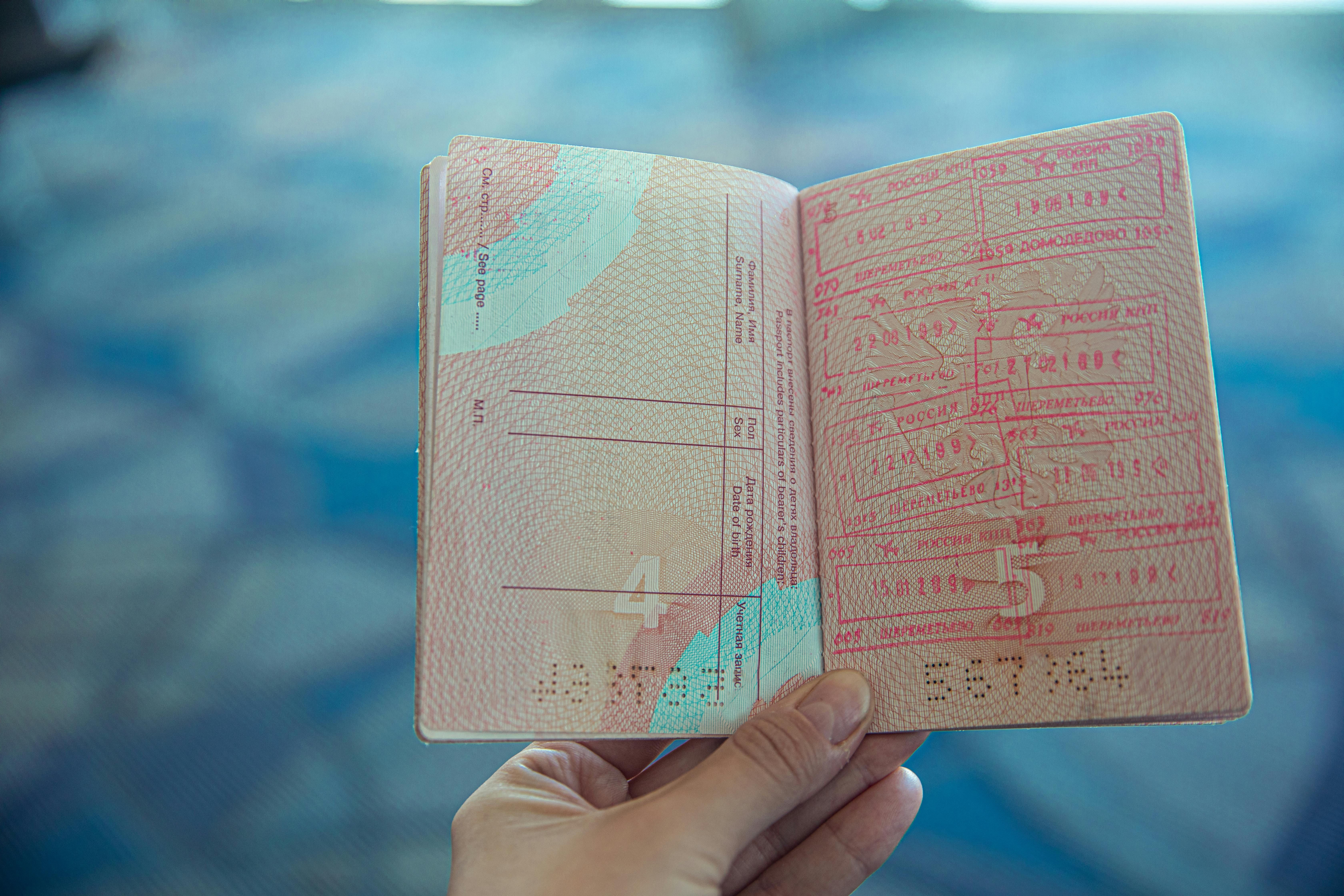
Visas are simple (and cheap). Australian passport holders can apply for a 90-day e-visa online for around USD $25. The system actually works — most applications are approved within three business days. Apply at least a week before departure to avoid stress, and double-check your passport has six months validity from your arrival date. Print two copies of your e-visa approval letter: one for departure from Australia, one for arrival in Vietnam. Immigration officers occasionally request the physical printout even though it's supposedly digital.
Travel insurance is non-negotiable. Australian Medicare provides zero coverage in Vietnam, and medical evacuation to Australia costs $50,000–$100,000. Comprehensive policies from Cover-More or 1Cover typically run $80–$150 for a two-week trip and cover medical emergencies, trip cancellation (relevant if you're securing accommodation with a deposit), and lost belongings. Check the policy covers motorcycling if you're planning to rent a scooter — many standard policies exclude it, which matters because traffic accidents are the leading cause of tourist injuries in Vietnam.
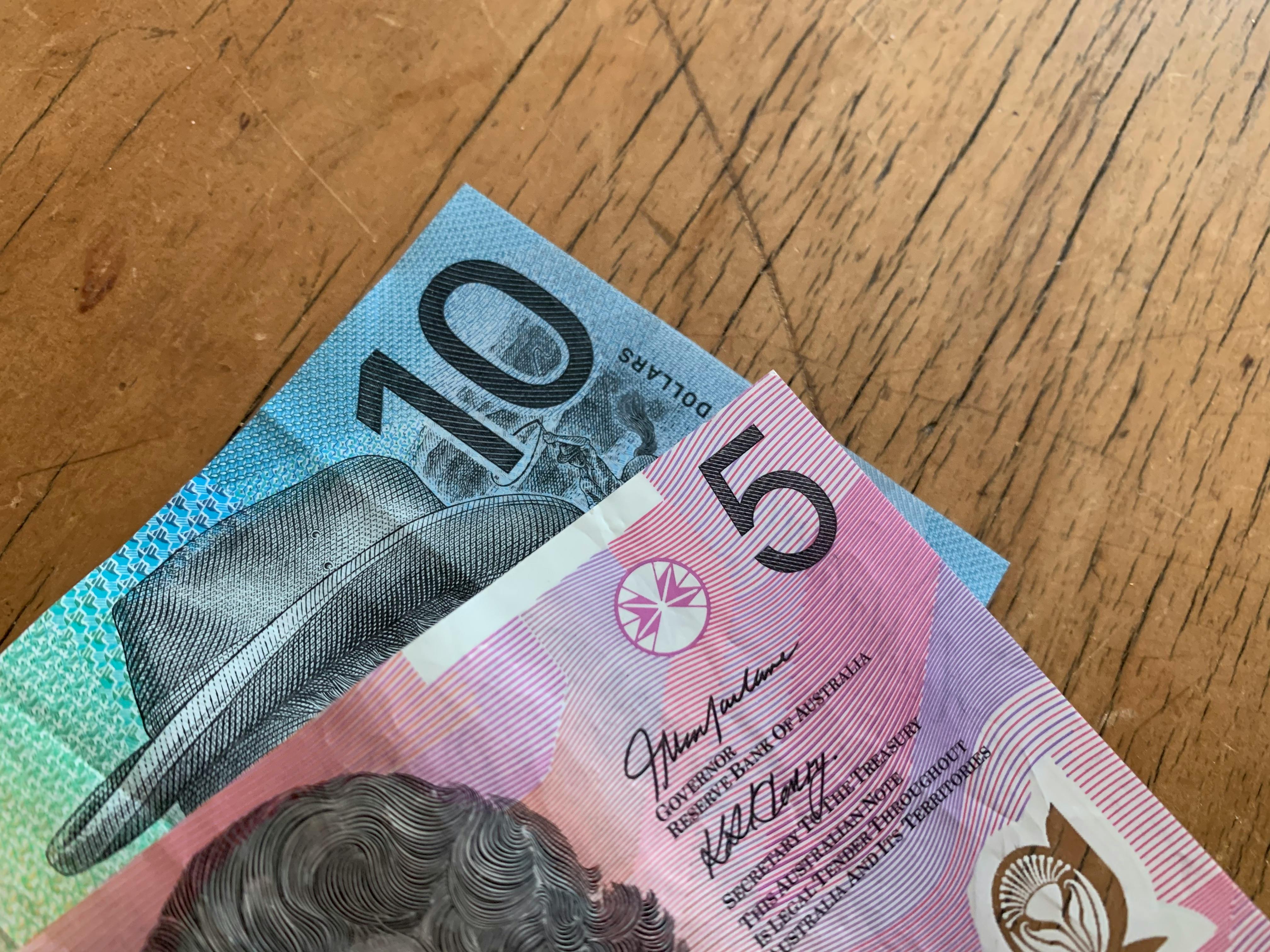
Currency and cards. Vietnam operates on dong (VND), but many tourist businesses quote prices in USD. Bring an Australian debit card with no international ATM fees (ING, Macquarie, Citibank) and withdraw dong as needed — you'll get better rates than exchanging AUD at the airport. Most mid-range and upscale hotels, restaurants, and tour operators accept Visa and Mastercard, though a 2–3% surcharge is common. Carry some USD cash ($200–$300) as backup; it's widely accepted and useful in emergencies. Street food vendors and local markets remain cash-only.
Accommodation booking strategy. Unless you're travelling during Tet (Vietnamese New Year, late January/early February) or peak season (December–February), you don't need to book everything in advance. That said, securing your first few nights before arrival removes arrival-day stress, and locking in popular properties in high-demand areas (Hoi An's Ancient Town, Ha Long Bay overnight cruises) two to three months out ensures availability. Via's deposit model works well here — secure properties you want with a small deposit, pay the balance closer to travel. This flexibility matters if you're still deciding between destinations or waiting for work leave approval.
Seasonal realities. Vietnam's climate varies dramatically by region. The north (Hanoi, Ha Long Bay, Sapa) is genuinely cold and drizzly from December to February — pack a jacket. Central Vietnam (Hoi An, Hue) sees heavy rain from September to December. The south (Ho Chi Minh, Mekong Delta) remains warm year-round with afternoon storms during the wet season (May–October). There's no universally "perfect" time to visit the entire country; most Australians favour November to March for the north and central regions, accepting that occasional rain is part of the experience.
Tet holiday impact. If your dates overlap with Tet, book accommodation well in advance and expect higher prices. Many local businesses close for a week, tourist sites become crowded with domestic travellers, and transport (trains, buses) sells out. Some travellers love the festive atmosphere and cultural immersion; others find it logistically challenging. Know what you're signing up for.
Accommodation Options for Australians in Vietnam
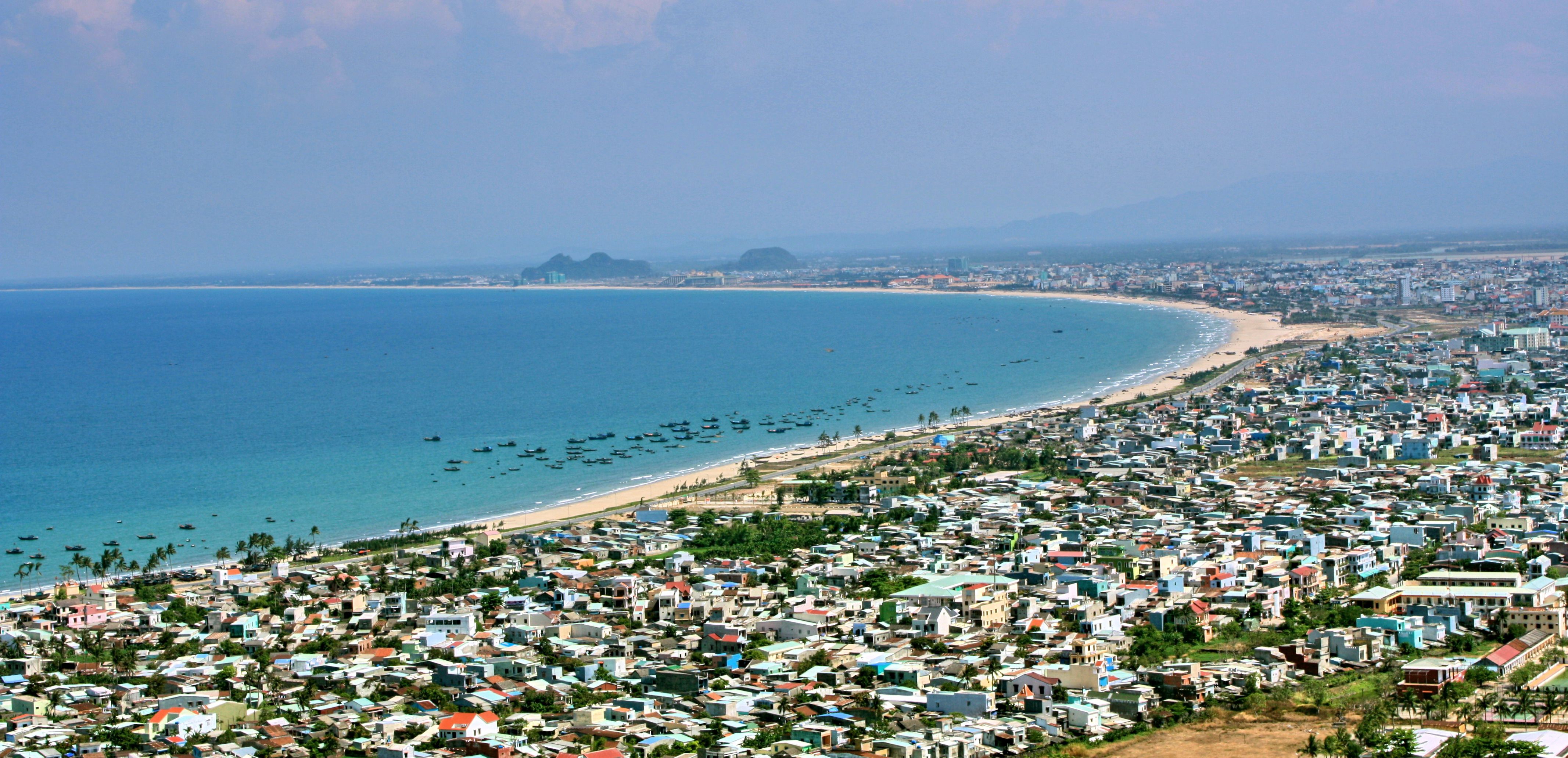
Vietnam's accommodation scene punches well above its weight, offering everything from colonial-era boutique hotels to ultra-modern beach resorts — often at prices that'll make you do a double-take. The sweet spot for most Australian couples sits in the 4-5 star range, where you're typically looking at AUD$150-350 per night for properties that would easily cost double back home. Beach resorts in Phu Quoc or Da Nang with private pools, breakfast included, and direct beach access regularly come in under AUD$250, while heritage hotels in Hanoi's Old Quarter or Hoi An's Ancient Town offer characterful rooms from AUD$120-200.
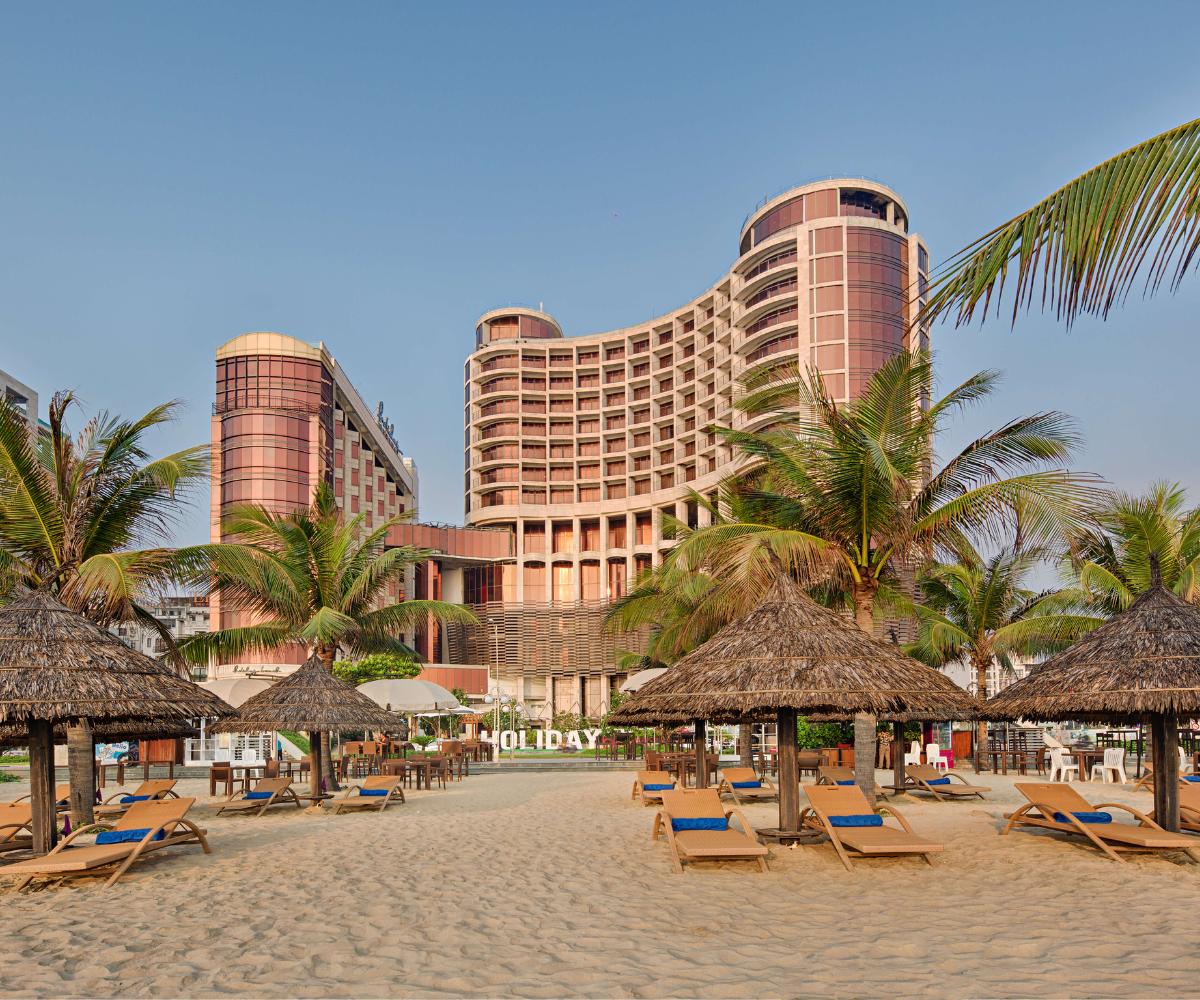
Here's what matters: Vietnamese star ratings can be generous. A self-proclaimed 5-star property might lack the polish of a Park Hyatt, but it'll often deliver where it counts — spotless rooms, attentive service, and genuine design character. The boutique hotel scene is particularly strong in Hoi An and Hue, where French colonial buildings have been transformed into intimate properties with rooftop bars and curated local experiences. For families, aparthotels in Ho Chi Minh City and Da Nang offer proper kitchenettes and washing machines — genuinely useful for longer stays.
Via Resorts' inventory is strongest in the established tourist corridors: Hanoi, Hoi An, Ho Chi Minh City, Da Nang, and Phu Quoc, with solid options across boutique properties and recognised resort brands. The deposit-and-hold model works particularly well for Vietnam given the typical 6-12 month booking window from Australia. Lock in your preferred property with a deposit from $100 AUD, then pay the balance closer to departure — useful when you're coordinating flights, leave from work, and potentially monsoon seasons.
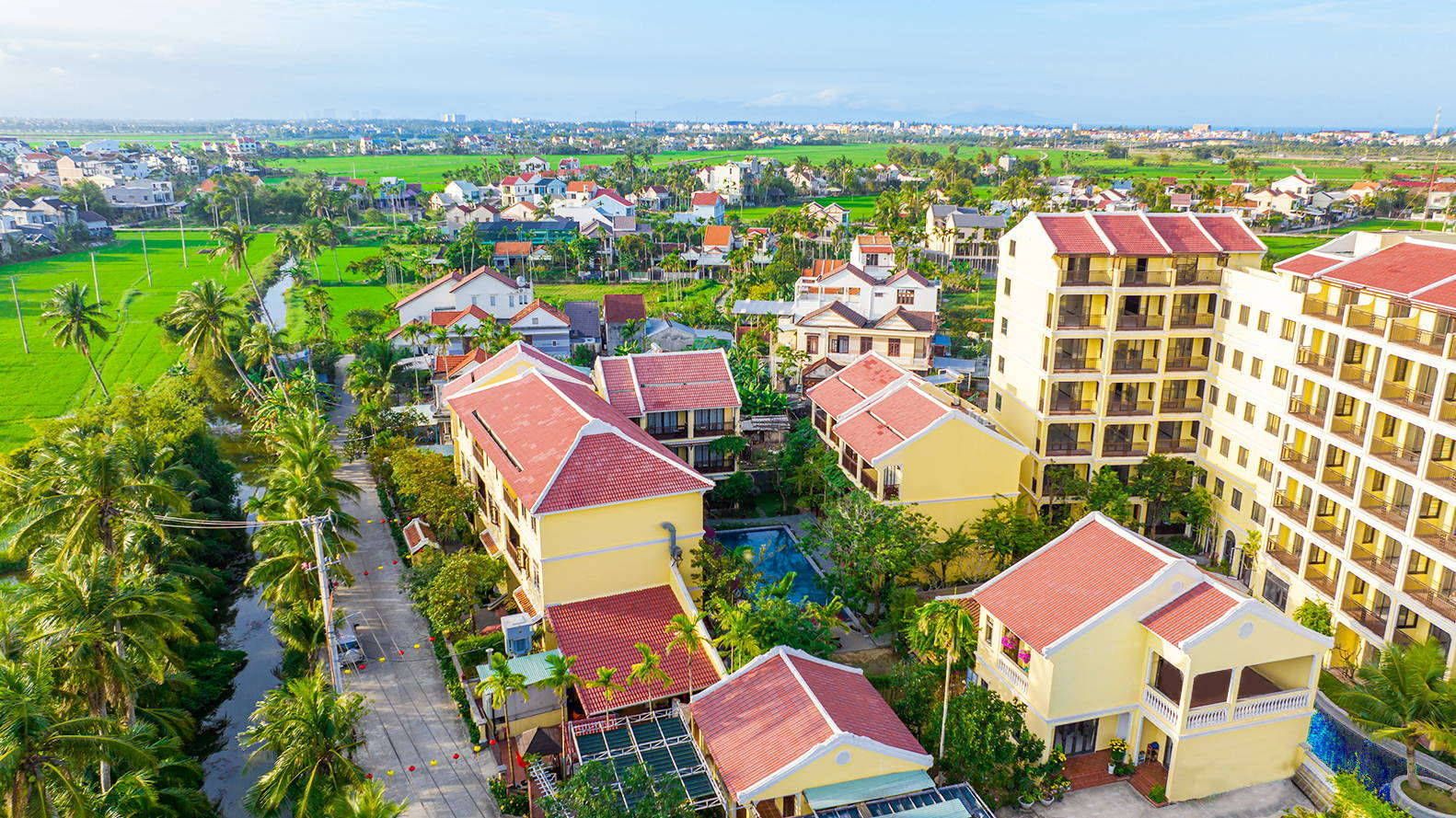
The honest trade-off: budget guesthouses under AUD$80 exist everywhere, but quality varies wildly. For most Australian travellers spending serious money on flights and time off work, the extra AUD$50-100 per night for a proper 4-star experience is money well spent. You're on holiday, after all.
How Booking Works
Via Resorts operates on a simple "secure today, stay later" model that gives you flexibility without locking up your budget months in advance. You pay a deposit from as little as $100 AUD to hold your accommodation, then settle the balance closer to departure. This means you're not forking out thousands upfront while you're still sorting out leave from work or waiting for that bonus to clear.
Because Via sells accommodation only, you book your flights separately — which actually works in your favour. You can use frequent flyer points, hunt for sale fares, or choose your preferred airline and routing without being locked into a package. It's particularly handy for Vietnam trips where flight schedules can vary significantly between Hanoi and Ho Chi Minh City arrivals, or if you're tacking on a few days in Singapore or Bangkok en route.
Why Book Your Vietnam Holiday with Via Resorts
We're an Australian-founded accommodation specialist with direct relationships across Vietnam's best resorts and boutique properties. That means you're getting transparent nightly rates in AUD, not marked-up packages with hidden flight costs you might not need.
Book flights separately using your points, Jetstar sales, or whatever works for your travel dates — we've sorted the accommodation piece with properties we've personally vetted. Our team provides local support in-region if anything comes up during your stay, plus you can secure your booking from just $100 AUD deposit and hold today, travel later.
Simple, transparent pricing for quality stays. That's the Via difference.
FAQ
When is the best time to visit Vietnam from Australia?
April to May and September to November offer the sweet spot — warm weather across most of the country, fewer crowds than peak season, and better accommodation availability. North Vietnam (Hanoi, Halong Bay) is gorgeous in autumn (September-November), while South Vietnam (Ho Chi Minh City, Mekong Delta) shines in the dry season (December-April). Central Vietnam (Hoi An, Da Nang) is trickiest — avoid October to December when heavy rain is common.
How much deposit do I need to secure my Vietnam accommodation?
Via Resorts lets you hold your Vietnam holiday with a deposit from as little as $100 AUD. The remaining balance isn't due until closer to your travel dates — perfect if you're booking well in advance or waiting for a sale on flights.
Is Vietnam suitable for families with kids?
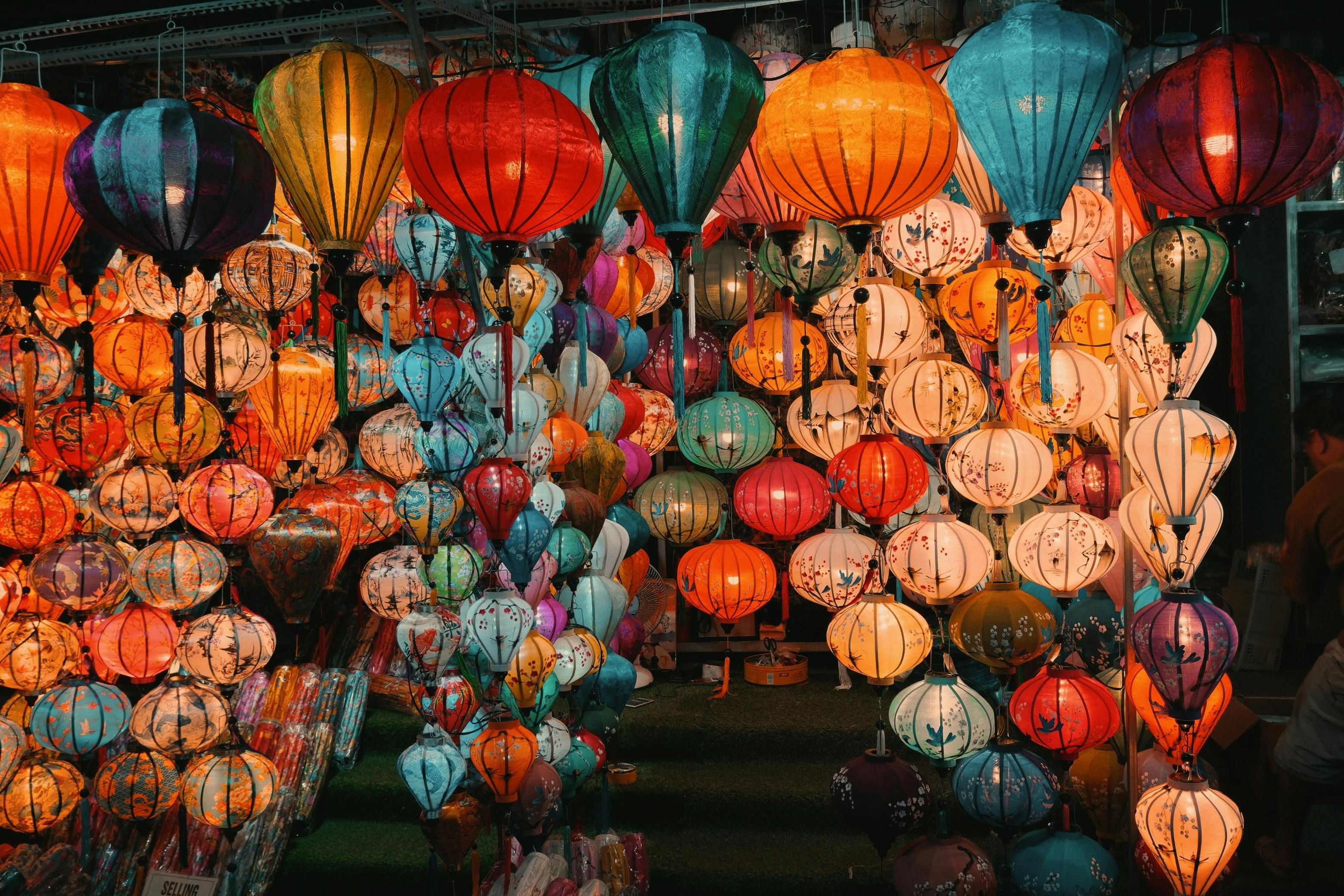
Absolutely. Vietnam is brilliant for families — safe, affordable, and full of kid-friendly activities like beach time in Nha Trang, boat trips on Halong Bay, and lantern-making workshops in Hoi An. That said, the traffic in major cities can be intense with young children, and some adventure activities (motorbike tours, trekking) are better suited to older kids.
Do I need travel insurance for Vietnam?
Yes, and it's non-negotiable. Medical care in Vietnam is excellent in major cities but expensive for foreigners, and your Australian Medicare won't cover you overseas. Make sure your policy includes medical evacuation — and if you're planning motorbike riding, check whether you need additional coverage (many policies exclude scooters).
Can I use Australian dollars in Vietnam?
No. Vietnam uses the Vietnamese Dong (VND), though US dollars are accepted at some tourist spots. ATMs are widespread in cities and tourist areas, and cards are accepted at most hotels and restaurants. Notify your bank before travelling to avoid your card being blocked for suspicious activity.
How do I book flights separately from my accommodation?
Once you've secured your accommodation through Via Resorts, book your flights independently through airlines, comparison sites, or using frequent flyer points. This gives you complete flexibility to choose your preferred airline, flight times, and stopover options — many Australians find better deals this way than booking package holidays.
Next Steps
Ready to start planning your Vietnam holiday? Browse our curated collection of resorts across Hanoi, Hoi An, Nha Trang, and beyond. With deposits from as little as $100 AUD and our "secure today, stay later" flexibility, you can lock in your accommodation now and book flights when the timing's right for you.
You might also like
Frequently Asked Questions
Is Vietnam Travel Guide Australians or the alternative better for families?
Both destinations cater to families, but in different ways. Vietnam Travel Guide Australians tends to offer more structured resort experiences, while the alternative may provide a different pace or style of trip. Consider your kids' ages and interests when deciding.
Which is cheaper — Vietnam Travel Guide Australians or the alternative?
Costs vary by season and accommodation type. Generally, both offer excellent value for Australian travellers compared to domestic holidays. Compare flights, accommodation, and daily costs for your specific travel dates.
Can I visit both Vietnam Travel Guide Australians and the alternative in one trip?
Yes, combining both destinations is a popular option. Many travellers split their trip between the two for variety. Check flight connections and transfer times to plan realistic itineraries.
What is the best time to visit Vietnam Travel Guide Australians vs the alternative?
Weather patterns can differ between the two. Research the dry and wet seasons for each to find the best overlap for your travel dates. The Australian winter holidays (June–July) generally work well for Southeast Asia.
How do beaches compare between Vietnam Travel Guide Australians and the alternative?
Beach quality varies significantly within each destination, not just between them. Look at specific beach areas rather than generalising — some spots in each location rival the best in Southeast Asia.