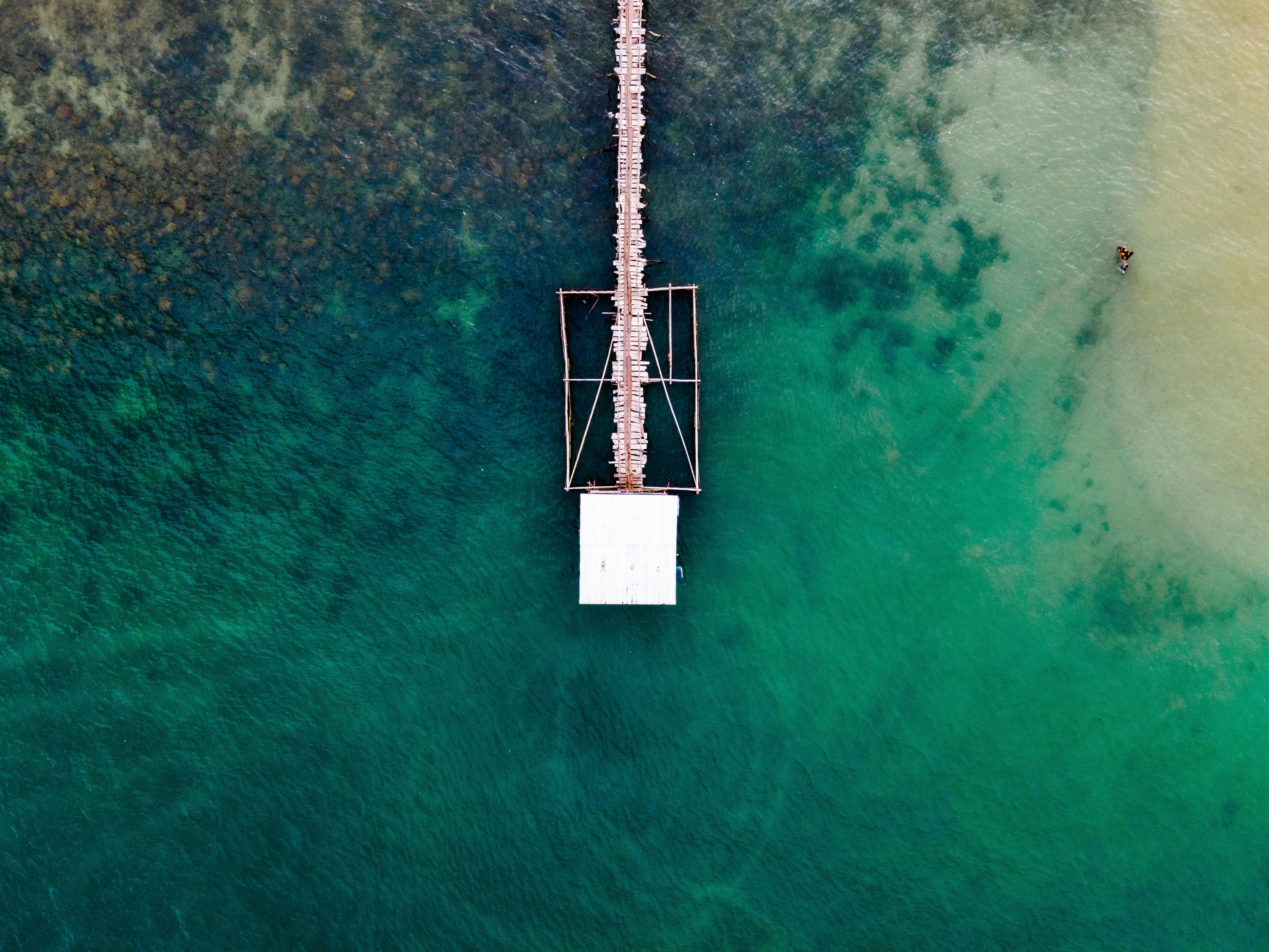
Phu Quoc is having a moment — and Australian travellers are catching on fast. Vietnam's largest island sits in the Gulf of Thailand, about 45 kilometres from the Cambodian coast, and it's quietly evolved from backpacker secret to legitimate tropical alternative to Bali and Thailand. With direct flights from Melbourne and Sydney (about 8–9 hours), white-sand beaches that rival anything in Southeast Asia, a rapidly improving hotel scene, and prices that still make you double-check the receipt, Phu Quoc offers that increasingly rare combination: proper beach luxury without the Maldives price tag, and enough local character to feel like you've actually left Australia. This guide covers everything you need to know to plan your trip — where to stay, what to do, how to get around, and the honest pros and cons of each beach zone.
- Getting to Phu Quoc from Australia
- Where to Stay in Phu Quoc: Best Areas and Accommodation
- Long Beach (Bai Truong)
- Ong Lang Beach
- Bai Sao (Sao Beach)
- Duong Dong Town
- Essential Phu Quoc Experiences and Activities
- Practical Information for Australian Travellers
- How Booking Works
- Why Book Your Phu Quoc Accommodation with Via Resorts
- FAQ
- Is Phu Quoc good for families with kids?
- What's the best time to visit Phu Quoc?
- How do Via Resorts' deposits work?
- Do I need a visa for Phu Quoc?
- Is Phu Quoc better than Thailand's islands?
- Can I use Australian dollars or credit cards?
- How long should I spend in Phu Quoc?
- Next Steps
Getting to Phu Quoc from Australia
The journey to Phu Quoc involves a connection through one of Vietnam's main hubs — either Ho Chi Minh City (Saigon) or Hanoi. Direct flights from Sydney or Melbourne to these cities take around 8-9 hours, then you'll add another 1-1.5 hours for the domestic hop to Phu Quoc. Total travel time, including layovers, typically ranges from 12-16 hours depending on your connection window.
Most Australian travellers route through Ho Chi Minh City since it's closer to Phu Quoc geographically (meaning shorter domestic flights and more frequent departures throughout the day). Vietnam Airlines, Vietjet Air, and Bamboo Airways all service this route regularly, with flights departing every hour or two during peak times. Routing through Hanoi works too, though your domestic flight will be slightly longer — it's worth considering if you're planning to explore northern Vietnam before or after your island stay.
Pro tip for connections: If you're booking flights separately from your accommodation (which you will be with Via Resorts), give yourself at least 2.5-3 hours between your international arrival and domestic departure. Vietnam's airports are efficient, but you'll need to clear immigration, collect and recheck bags, and potentially change terminals. Vietnamese immigration can take anywhere from 20 minutes to an hour depending on how many flights have just landed.
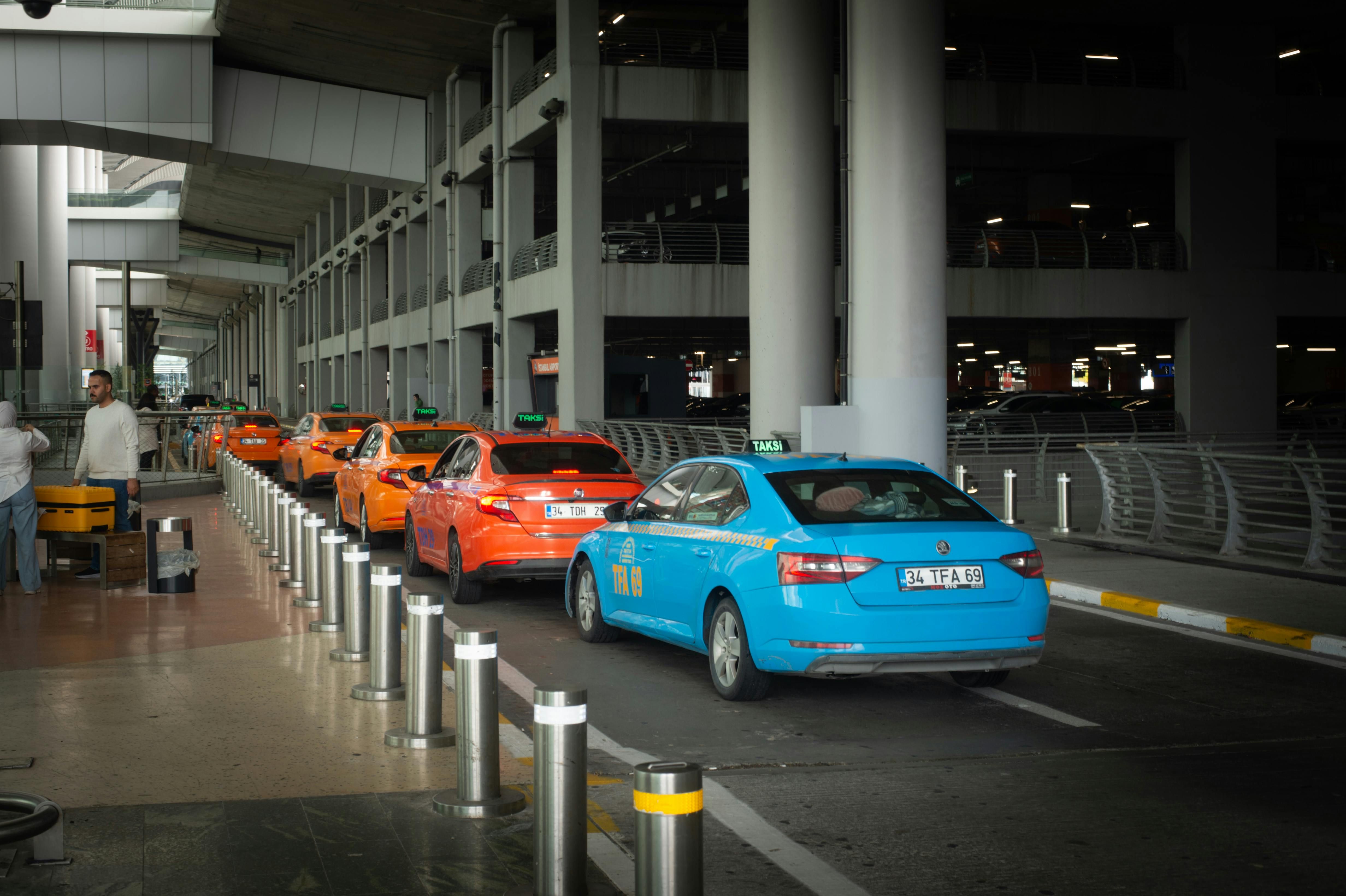
Phu Quoc International Airport is modern and refreshingly compact. Once you land, it's a straightforward 10-15 minute drive to most resorts in Duong Dong (the main town) or along Long Beach. Hotel transfers typically cost around 150,000-250,000 VND (approximately $10-16 AUD), though many mid-range and upscale properties include airport pickup. Grab (Southeast Asia's equivalent to Uber) operates reliably on the island if you prefer to arrange your own transport.
Where to Stay in Phu Quoc: Best Areas and Accommodation
Choosing where to base yourself on Phu Quoc shapes your entire holiday experience. The island stretches roughly 50km north to south, and while most beaches sit on the western coast, they each offer distinctly different vibes. Here's what you need to know about each area to match your travel style.
Long Beach (Bai Truong)
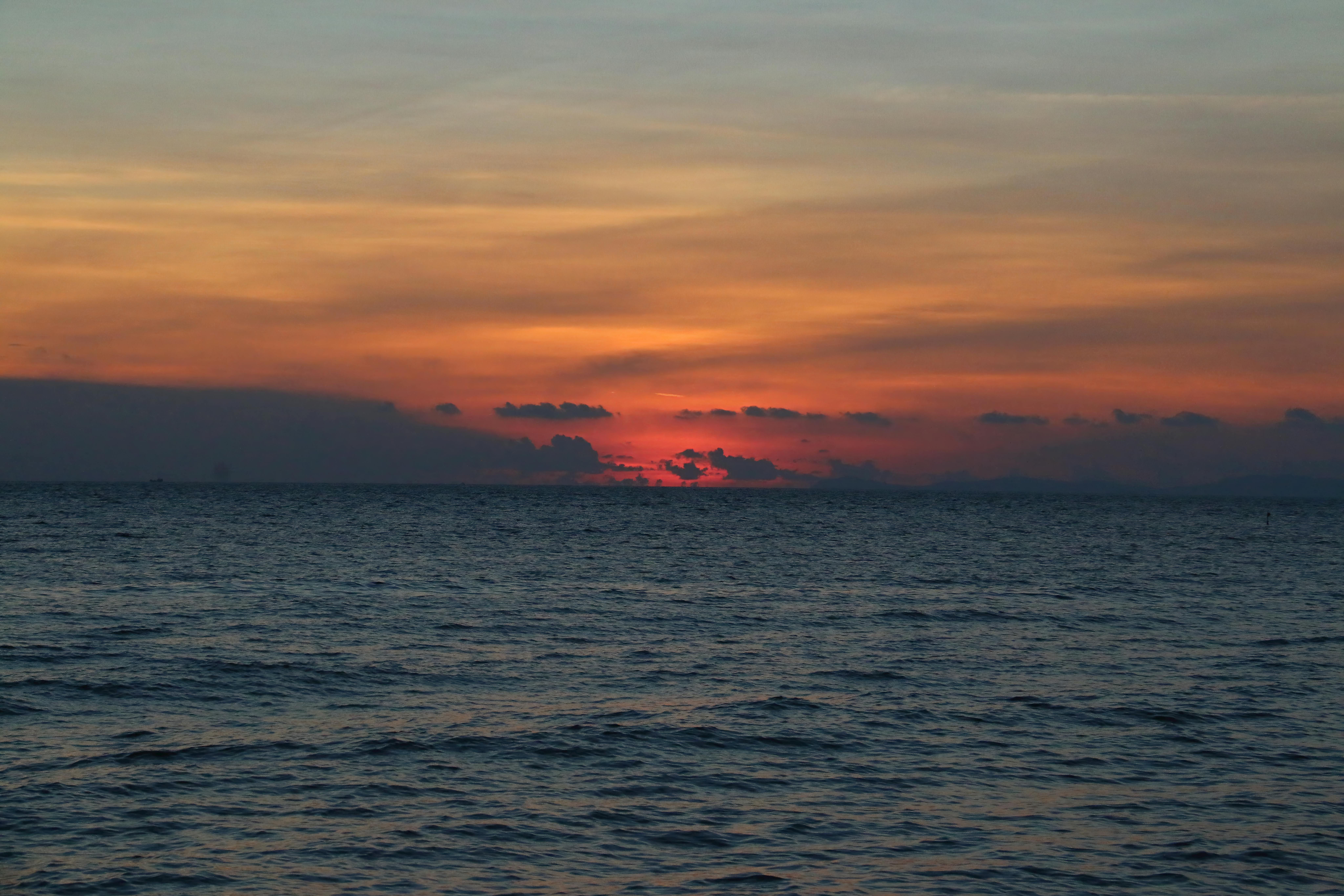
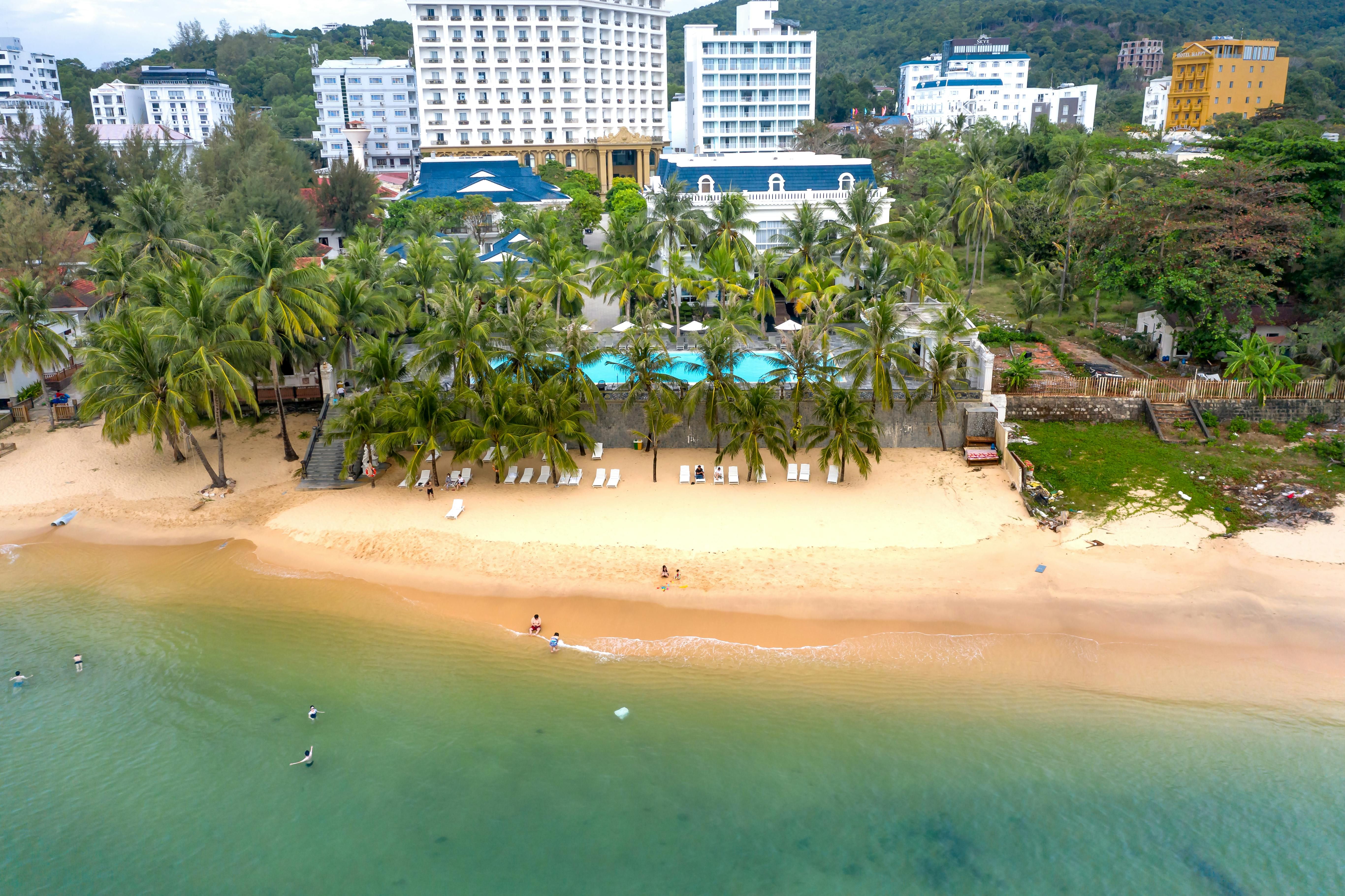
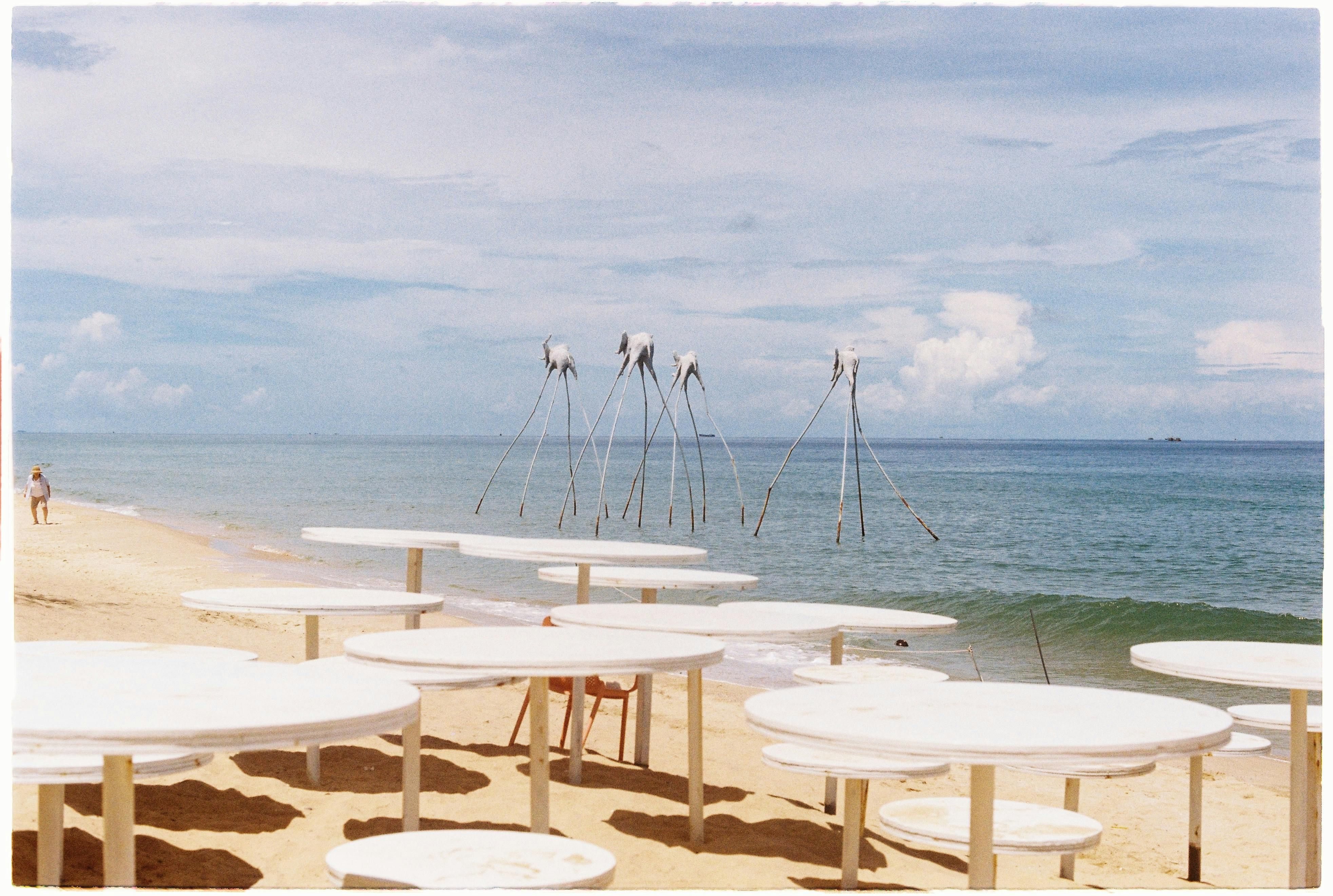
The main tourist strip runs along Long Beach, just south of Duong Dong town. This 20km stretch offers the widest range of accommodation, from sleek beachfront resorts to family-friendly properties with pools and kids' clubs. You'll find everything here: beach clubs, restaurants, massage pavilions, and sunset bars that actually deliver on the sunset promise.
The upside? Convenience. You're close to the airport (10-15 minutes), the night markets, and you won't need transport for every meal. The trade-off is that parts of Long Beach feel developed—you're not discovering a hidden paradise, you're staying in an established resort area. The beach itself is lovely but can get busy during Vietnamese public holidays.
Best for: First-timers, families who want easy access to activities, couples who like having options within walking distance.
Ong Lang Beach
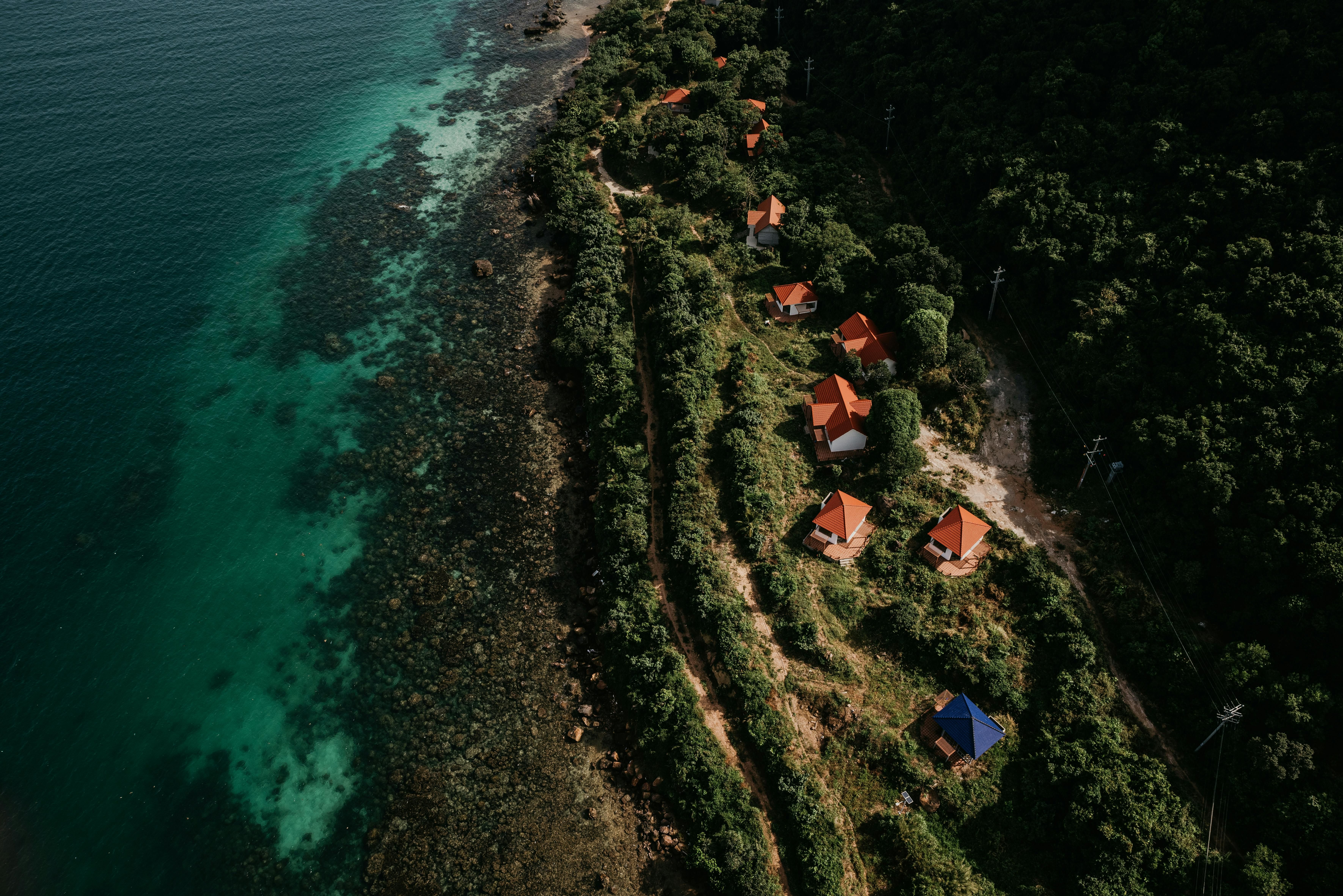
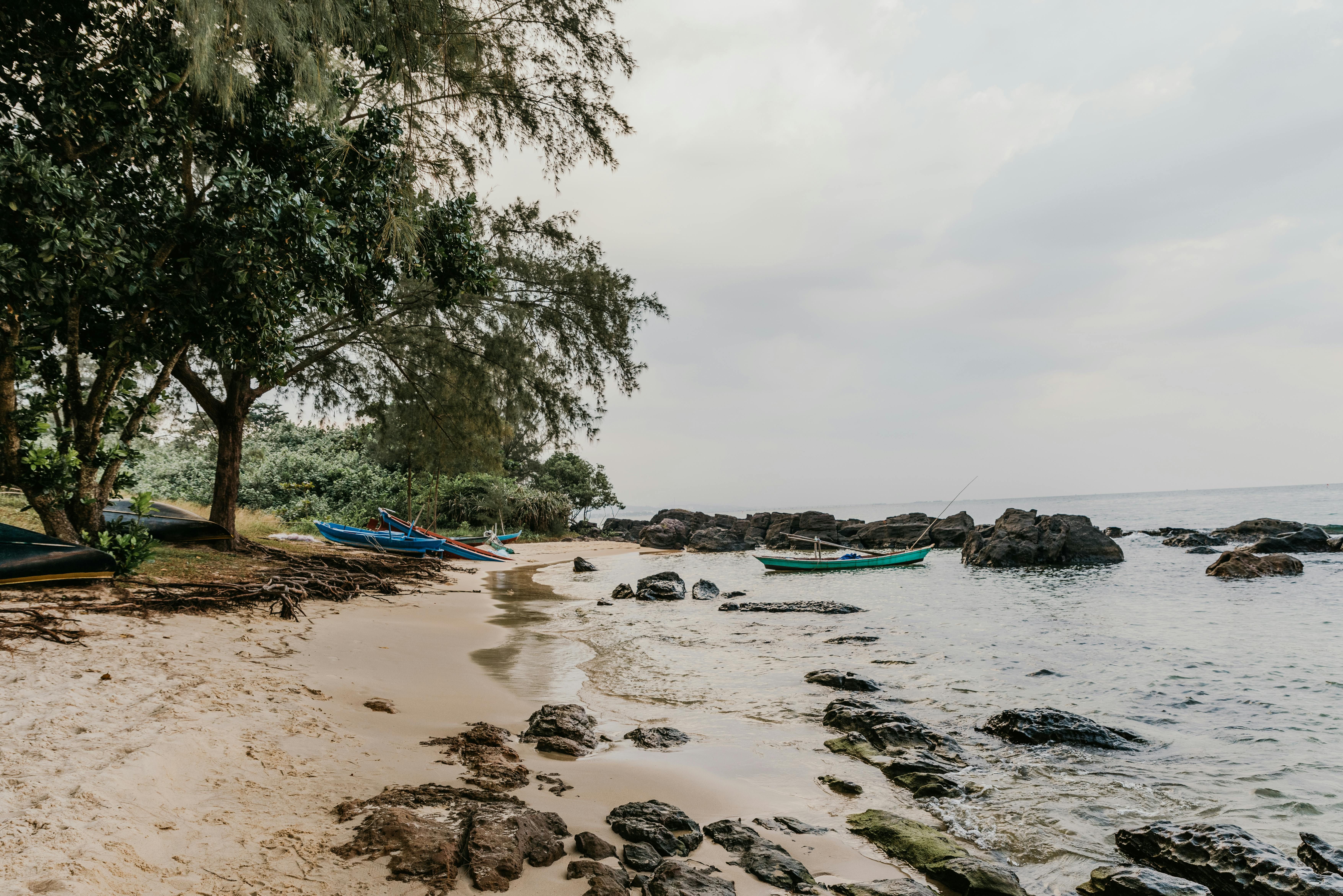
Head 10km north of the airport and you'll hit Ong Lang, Phu Quoc's answer to a quieter, more intimate beach scene. The resorts here tend toward boutique properties tucked into jungle hillsides or right on the sand. The beach is narrower than Long Beach but feels more secluded, with rocky outcrops creating natural coves.
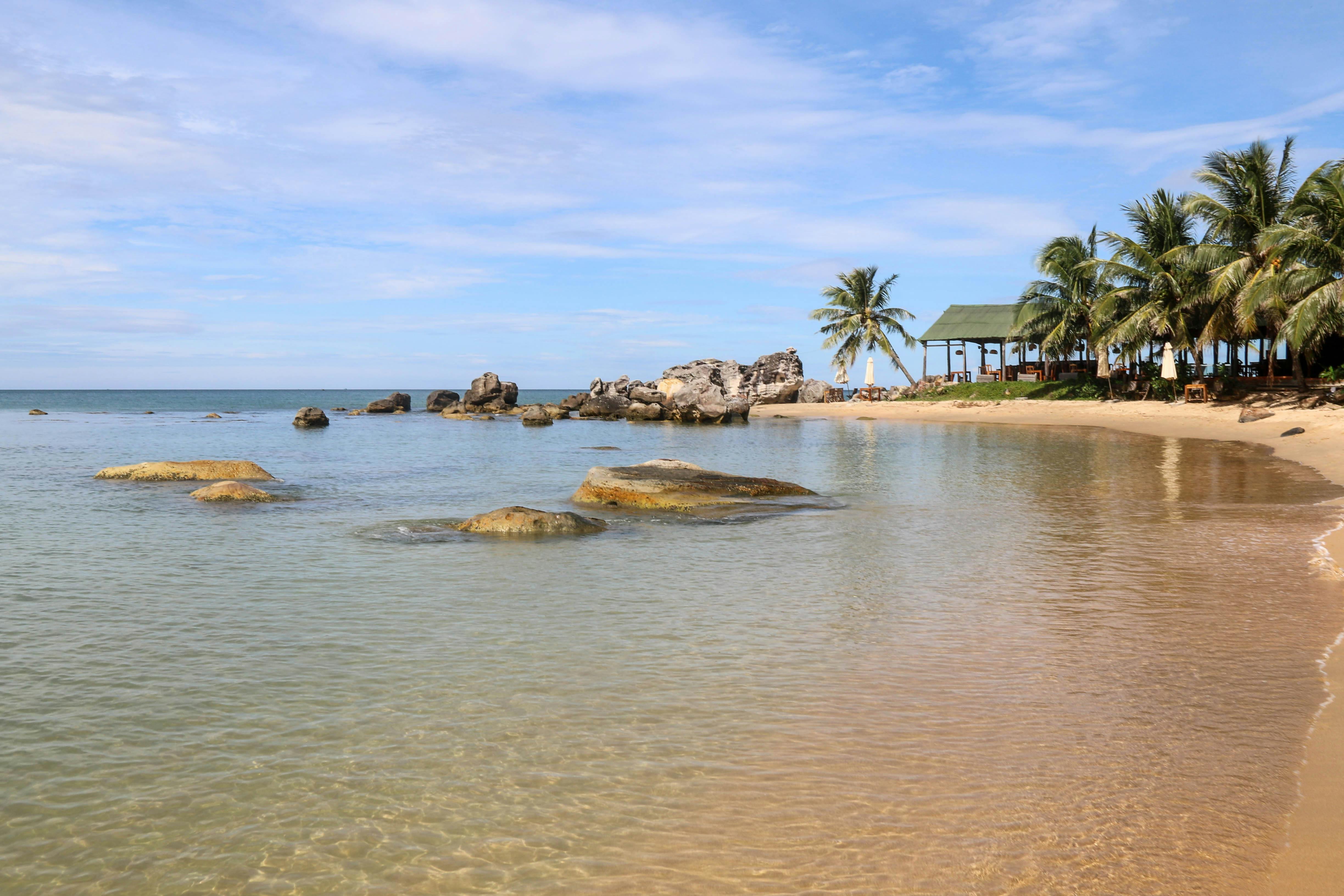
The vibe is decidedly more laid-back—fewer tour groups, more independent travellers, and a slower pace. You'll need a scooter or taxi to reach restaurants outside your resort (though most properties here have excellent on-site dining). The sunsets are spectacular, and the snorkelling around the rocks is genuinely worthwhile.
Best for: Couples seeking privacy, honeymooners, anyone who'd rather read by the pool than organise activities.
Bai Sao (Sao Beach)
On the southeastern coast, Bai Sao lives up to the "white sand, turquoise water" promise that gets thrown around too liberally elsewhere. This is Phu Quoc's postcard beach—powdery sand, shallow water perfect for swimming, and that luminous aqua colour that makes your phone camera work overtime.
The catch? There are only a handful of resorts right on Bai Sao itself, and it's become a popular day-trip destination for tour groups (especially midday). If you stay here, you'll have the beach largely to yourself early morning and late afternoon. You're also 30-40 minutes from the airport and quite isolated—plan on eating at your resort most nights.
Best for: Beach purists, couples who prioritise swimming and sand quality above all else, honeymooners who don't mind being off the beaten track.
Duong Dong Town
Most people pass through Duong Dong on their way to somewhere else, but staying in the town itself has its advantages if you're budget-conscious or prefer being where locals actually live. You'll find guesthouses and mid-range hotels a fraction of beachfront prices, plus authentic Vietnamese food, the famous night market, and a real sense of place.
The obvious downside: you're not on the beach. Most town accommodation is 5-10 minutes by scooter from the sand. It's a practical choice rather than a romantic one.
Best for: Travellers who prioritise experiences over resort time, couples on tighter budgets, anyone who gets bored sitting still.
Essential Phu Quoc Experiences and Activities
Phu Quoc strikes that rare balance between proper relaxation and genuine discovery. You're not here to tick off 47 temples or wake at dawn for tours — this is Vietnam's laid-back island, where the best days mix beach lounging with a couple of well-chosen adventures. Here's what's actually worth your time, and what you can skip without FOMO.
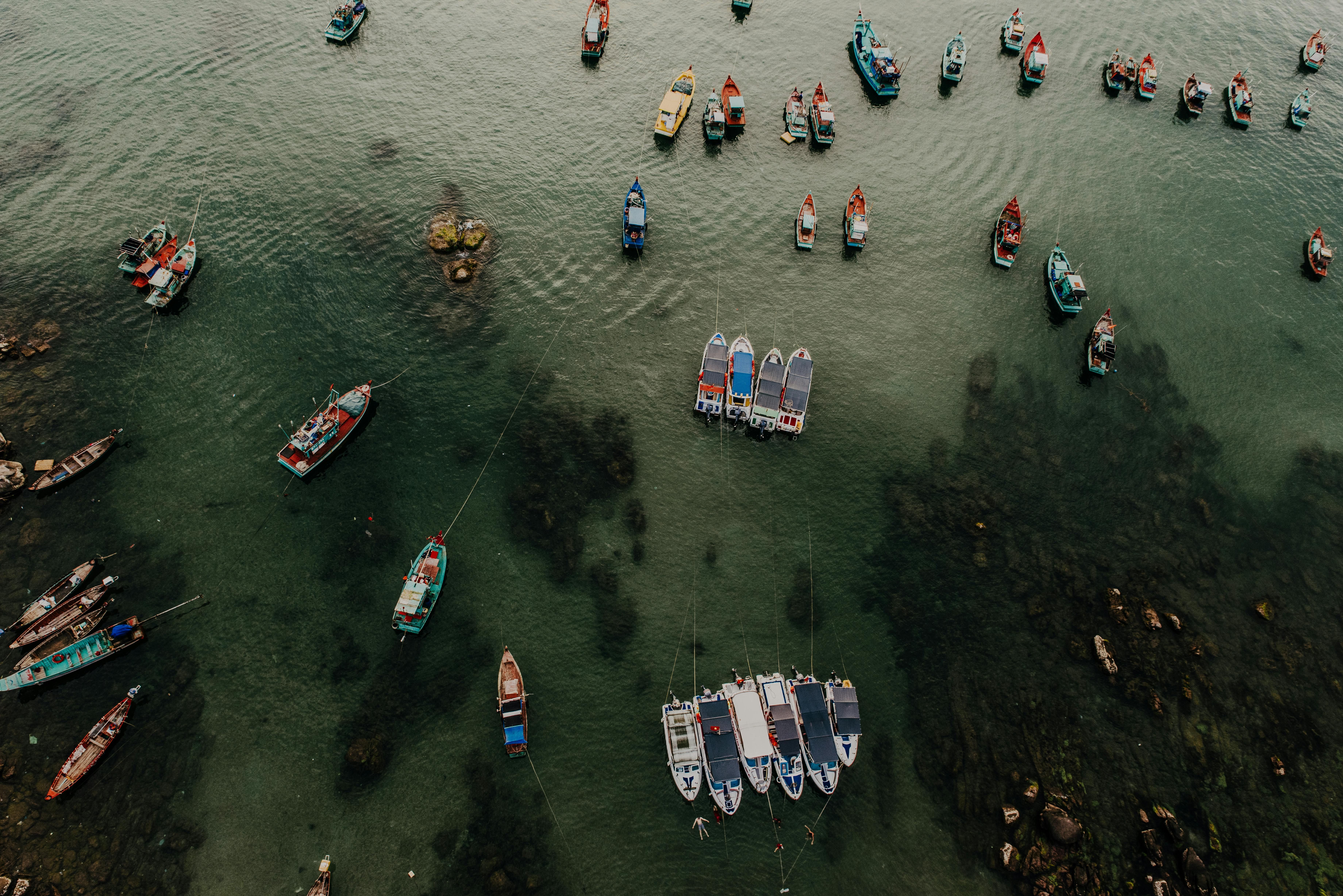
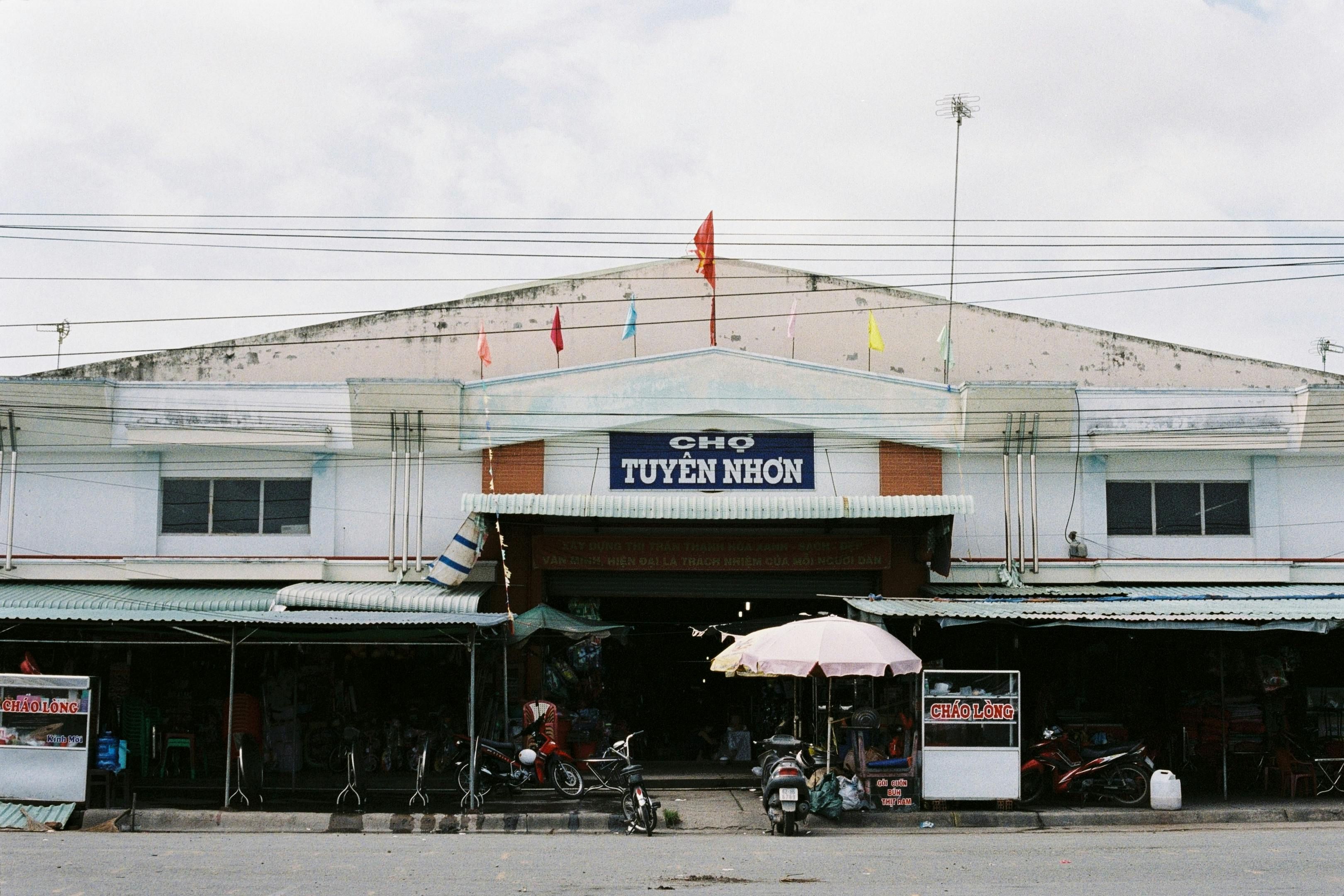
Island Hopping and Snorkelling: The day trips to the southern islands (An Thoi archipelago) are genuinely lovely. Fingernail Island and May Rut Island offer decent snorkelling — though honestly, if you've been to the Great Barrier Reef, temper expectations. The water's warm and clear, the coral's patchy but colourful, and you'll spot tropical fish. Most tours include lunch on a quiet beach and stop at 3-4 islands. Book through your resort or a reputable operator (avoid the too-cheap boats). Half-day trips run around $25-40 AUD per person.
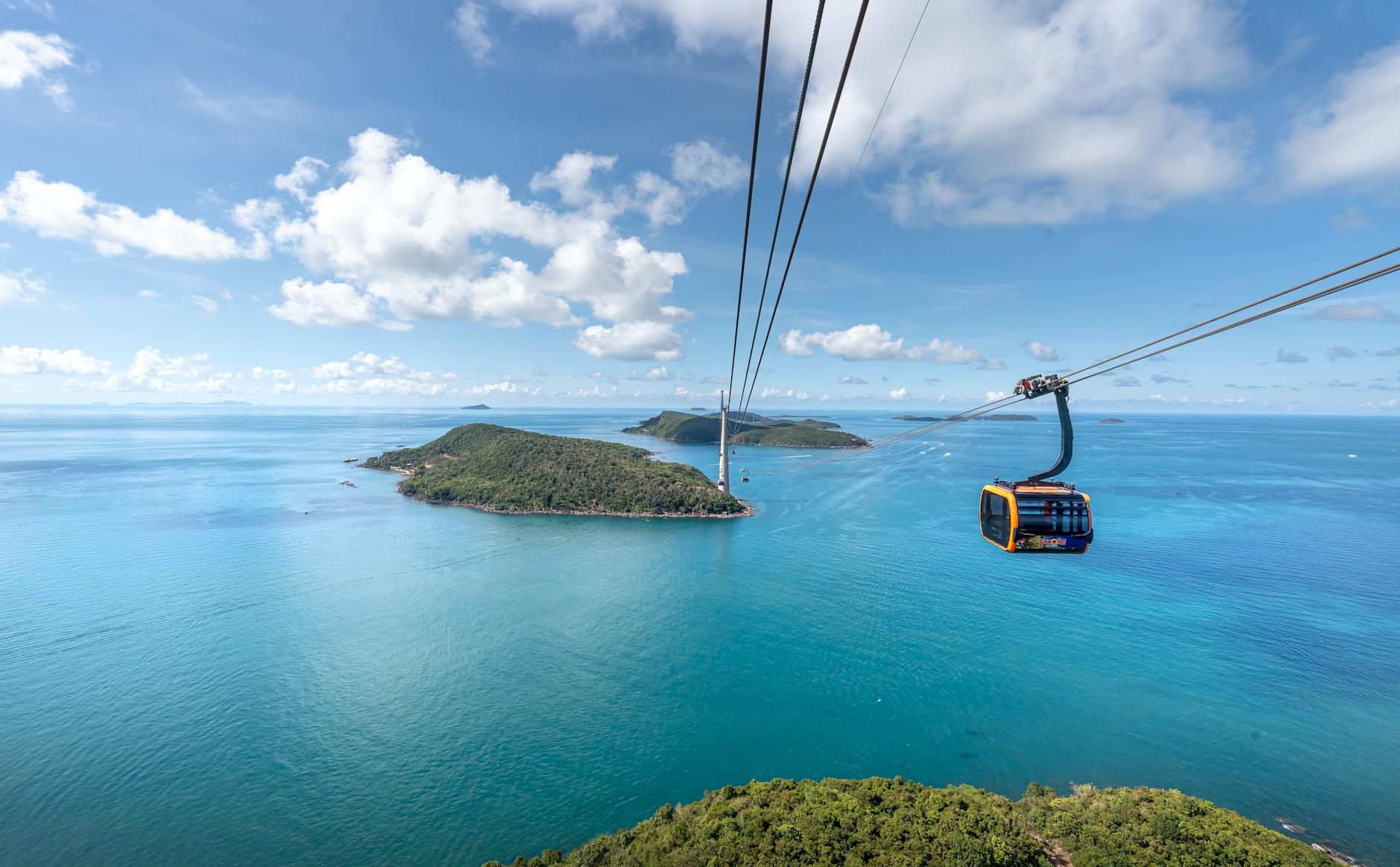
Sun World Hon Thom Cable Car: This is the world's longest sea-crossing cable car, and the views are genuinely spectacular — you're gliding over turquoise water with islands dotting the horizon. The cable car lands you at Hon Thom Nature Park, which is part water park, part beach club. It's worth doing once, especially if you have kids. The beach is pristine white sand, though it gets busy. Go early (8am opening) or late afternoon for smaller crowds. Entry is around $30-35 AUD including cable car return.
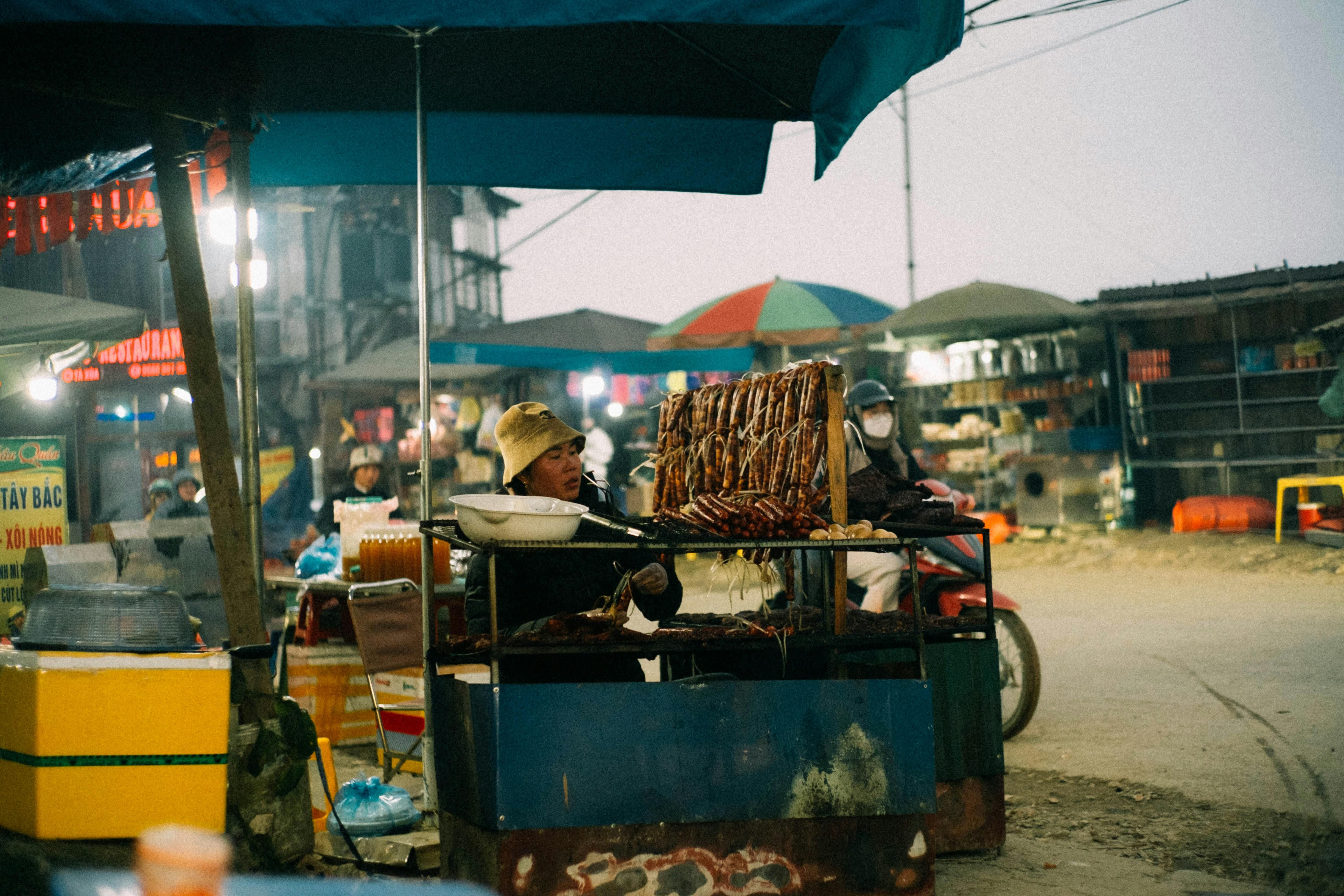
Dinh Cau Night Market: Skip this. It's become a tourist trap with inflated prices and mediocre food. Head to Duong Dong Night Market instead — it's where locals actually eat. The grilled seafood is fresh and cheap, the atmosphere's buzzing, and you'll find proper Vietnamese street food. Try the banh mi, fresh spring rolls, and whatever's grilling that smells good.
What to Skip: The pearl farms are dull (it's a jewellery shop with a 10-minute "tour"), fish sauce factories smell exactly as you'd imagine, and most of the inland "nature" tours are underwhelming. Save your energy for the beach and one good boat trip.
Practical Information for Australian Travellers
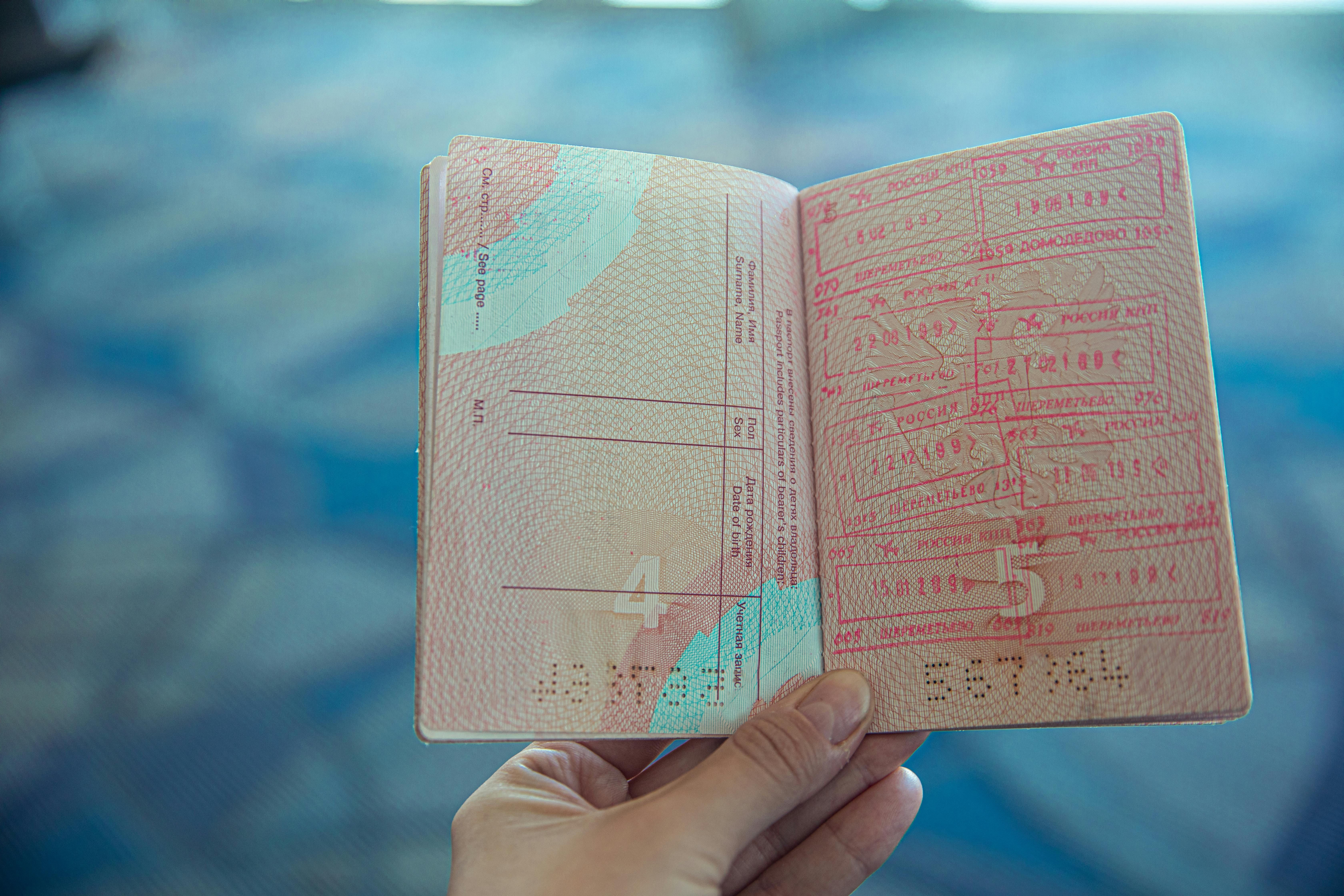
The good news first: Australians get 45 days visa-free entry to Vietnam, which covers most holidays comfortably. Just ensure your passport has at least six months validity from your arrival date. If you're planning an extended stay or multi-country Southeast Asian trip, you can arrange an e-visa for up to 90 days through the official Vietnamese immigration website before departure.
Vietnam's currency is the Vietnamese Dong (VND), and you'll want to get your head around those zeros quickly — a nice dinner might cost 500,000 VND (about $30 AUD). Most resorts and upmarket restaurants accept cards, but cash is king at local markets, street food stalls, and smaller businesses. ATMs are plentiful in Duong Dong and along Long Beach, dispensing up to 3-5 million VND per transaction. Notify your bank before travelling to avoid card blocks, and consider a travel-friendly card like Wise or Up to avoid international transaction fees.
English is widely understood in tourist areas, resorts, and established restaurants, though it drops off quickly once you venture beyond the main strips. Grab (Southeast Asia's Uber equivalent) is a lifesaver — it eliminates language barriers and haggling, plus the app automatically translates addresses. Download it before you arrive and load it with a local SIM card or eSIM (Viettel and Vinaphone offer tourist packages starting around 200,000 VND for 30 days with decent data).
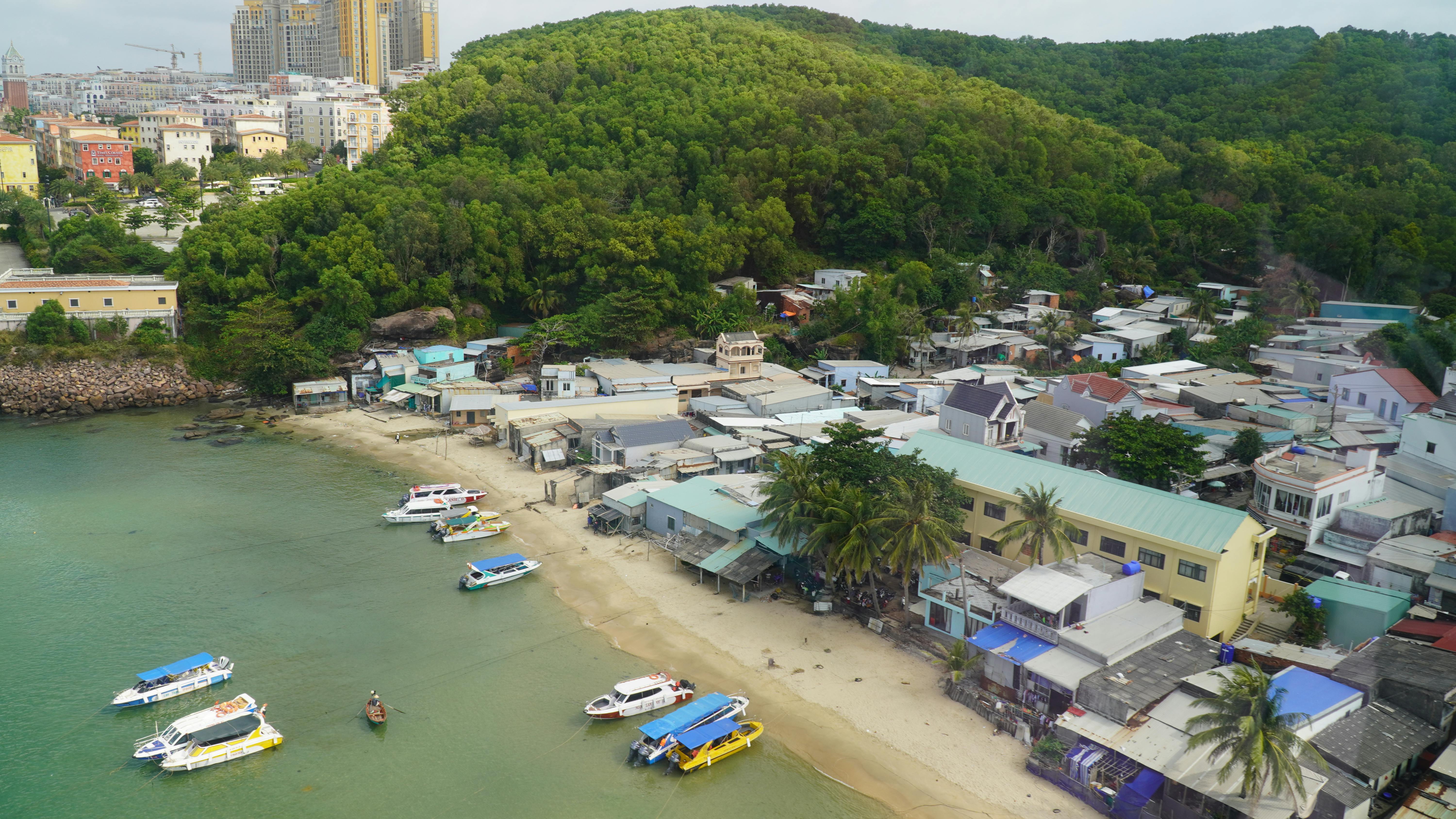
Transport-wise, motorbike rental is popular and cheap (150,000-200,000 VND per day), though Phu Quoc's roads can be rough and traffic chaotic by Australian standards. If you're not a confident rider, grab a bicycle for the flat coastal areas or use Grab bikes and cars — fares are remarkably affordable. For day trips to the north or east coast, hiring a private driver (around $40-60 AUD for the day) gives you flexibility without the stress.
The island has two distinct seasons: dry (November to March) and wet (May to October). Dry season is peak time with calm seas and blue skies, while wet season brings afternoon downpours but fewer crowds and lower prices. Food safety is generally good at established venues, though stick to busy places for street food and avoid ice in questionable locations. Tap water isn't drinkable — bottled water is cheap and everywhere.
How Booking Works
Via Resorts operates on a "secure today, stay later" deposit model that's particularly useful for Phu Quoc, where resort availability can get tight during Australian school holidays. You'll pay a deposit from as little as $100 AUD to lock in your accommodation, then settle the balance closer to your travel dates. This gives you time to organise everything else—visas, flights, island transfers—without losing your preferred resort or room category.
Because Via sells accommodation only, you'll book your flights separately. That's actually an advantage for Phu Quoc: direct flights from Australia are limited, so you might want to route through Ho Chi Minh City or Bangkok to compare prices, use points, or add a stopover. You're not locked into a package flight that doesn't suit your schedule or budget.
Why Book Your Phu Quoc Accommodation with Via Resorts
Via Resorts is an Australian-founded accommodation specialist working directly with handpicked properties across Phu Quoc. We've built relationships with resorts, boutique hotels, and beachfront villas that meet our standards for quality and value — which means you get honest recommendations, transparent pricing in AUD, and the flexibility to book flights separately (perfect for using points or finding your own deals).
Our deposit-hold model lets you secure your preferred property from as little as $100 AUD, with the balance due closer to travel. We also have local support in-region if anything comes up during your stay. Rated 4.5 stars by thousands of Australian travellers, we're here to make the accommodation side of your Phu Quoc trip straightforward and stress-free.
FAQ
Is Phu Quoc good for families with kids?
Absolutely. The beaches have calm, shallow waters perfect for young swimmers, most resorts offer kids' clubs and family pools, and there's enough variety (safari park, water sports, night markets) to keep different ages happy. That said, it's quieter than Thailand's family hotspots—which many Aussie parents see as a bonus.
What's the best time to visit Phu Quoc?
November through March offers the driest weather and calmest seas—perfect for beach days and snorkelling. April and May can be gorgeous but hotter. The wet season (June–October) brings afternoon storms, though you'll find better rates and fewer crowds. We'd avoid September and October when rain is heaviest.
How do Via Resorts' deposits work?
You can secure your accommodation from as little as $100 AUD and pay the balance closer to travel. It's our "hold today, travel later" model—giving you time to sort flights, book leave, and spread the cost. Final payment is typically due 60 days before arrival.
Do I need a visa for Phu Quoc?
Australians get 45 days visa-free for all of Vietnam (including Phu Quoc), as of August 2023. Just ensure your passport has six months' validity from your arrival date. Double-check current requirements before you travel, as policies can change.
Is Phu Quoc better than Thailand's islands?
Different vibe. Phu Quoc is quieter, less developed, and feels more authentically Vietnamese than Phuket or Koh Samui. If you want buzzing nightlife and endless tour options, Thailand still wins. If you're after a relaxed beach escape with great seafood and fewer crowds, Phu Quoc delivers.
Can I use Australian dollars or credit cards?
Vietnamese dong is the local currency, though some resorts quote in USD. ATMs are plentiful in Duong Dong and at the airport. Credit cards work at most resorts and upmarket restaurants, but carry cash for markets, street food, and smaller venues. Notify your bank before travelling to avoid card blocks.
How long should I spend in Phu Quoc?
Five to seven nights hits the sweet spot for most Aussie travellers—enough time to explore different beaches, do a couple of day trips, and still have proper downtime. Three nights feels rushed. Beyond a week, you might start wishing for more variety unless you're committed to doing absolutely nothing (which, fair enough).
Next Steps
Ready to start planning your Phu Quoc escape? Browse Via Resorts' hand-picked Phu Quoc properties to compare locations, amenities and nightly rates — then secure your preferred dates with a deposit from as little as $100 AUD while you sort your flights separately.
Island Hopping and Snorkelling
Island Hopping and Snorkelling: The day trips to the southern islands (An Thoi archipelago) are genuinely lovely. Fingernail Island and May Rut Island offer decent snorkelling — though honestly, if you've been to the Great Barrier Reef, temper expectations. The water's warm and clear, the coral's patchy but colourful, and you'll spot tropical fish. Most tours include lunch on a quiet beach and stop at 3-4 islands. Book through your resort or a reputable operator (avoid the too-cheap boats). Half
Duong Dong Town
Most people pass through Duong Dong on their way to somewhere else, but staying in the town itself has its advantages if you're budget-conscious or prefer being where locals actually live. You'll find guesthouses and mid-range hotels a fraction of beachfront prices, plus authentic Vietnamese food, the famous night market, and a real sense of place. The obvious downside: you're not on the beach. Most town accommodation is 5-10 minutes by scooter from the sand. It's a practical cho
Sun World Hon Thom Cable Car
Sun World Hon Thom Cable Car: This is the world's longest sea-crossing cable car, and the views are genuinely spectacular — you're gliding over turquoise water with islands dotting the horizon. The cable car lands you at Hon Thom Nature Park, which is part water park, part beach club. It's worth doing once, especially if you have kids. The beach is pristine white sand, though it gets busy. Go early (8am opening) or late afternoon for smaller crowds. Entry is around $30-35 AUD including cable car
Long Beach (Bai Truong)
The main tourist strip runs along Long Beach, just south of Duong Dong town. This 20km stretch offers the widest range of accommodation, from sleek beachfront resorts to family-friendly properties with pools and kids' clubs. You'll find everything here: beach clubs, restaurants, massage pavilions, and sunset bars that actually deliver on the sunset promise. The upside? Convenience. You're close to the airport (10-15 minutes), the night markets, and you won't need transport for ev
Ong Lang Beach
Head 10km north of the airport and you'll hit Ong Lang, Phu Quoc's answer to a quieter, more intimate beach scene. The resorts here tend toward boutique properties tucked into jungle hillsides or right on the sand. The beach is narrower than Long Beach but feels more secluded, with rocky outcrops creating natural coves. The vibe is decidedly more laid-back—fewer tour groups, more independent travellers, and a slower pace. You'll need a scooter or taxi to reach restaurants outside you
Bai Sao (Sao Beach)
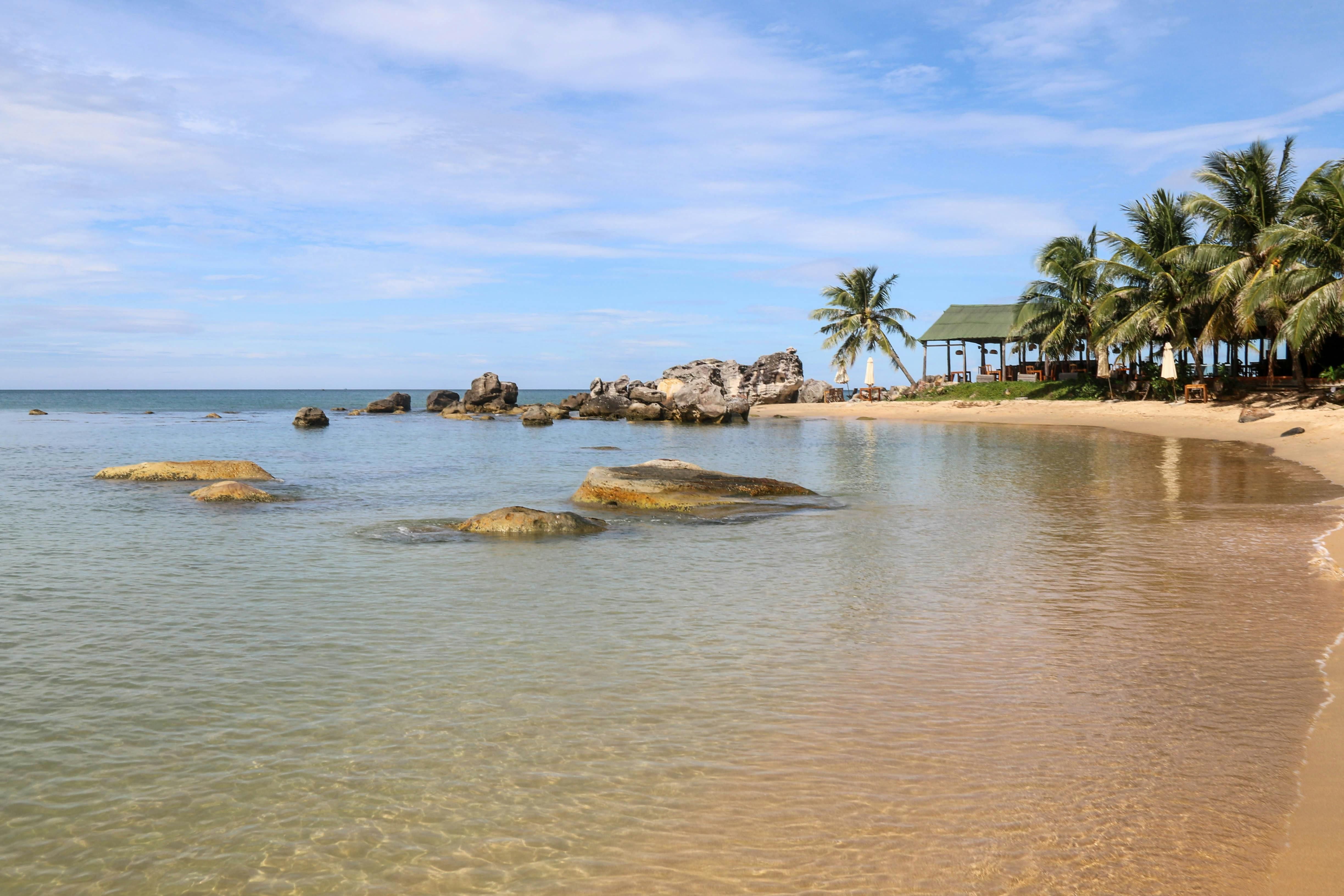
On the southeastern coast, Bai Sao lives up to the "white sand, turquoise water" promise that gets thrown around too liberally elsewhere. This is Phu Quoc's postcard beach—powdery sand, shallow water perfect for swimming, and that luminous aqua colour that makes your phone camera work overtime. The catch? There are only a handful of resorts right on Bai Sao itself, and it's become a popular day-trip destination for tour groups (especially midday). If you stay here, you'll h
Dinh Cau Night Market
Dinh Cau Night Market: Skip this. It's become a tourist trap with inflated prices and mediocre food. Head to
Duong Dong Night Market
Dinh Cau Night Market: Skip this. It's become a tourist trap with inflated prices and mediocre food. Head to Duong Dong Night Market instead — it's where locals actually eat. The grilled seafood is fresh and cheap, the atmosphere's buzzing, and you'll find proper Vietnamese street food. Try the banh mi, fresh spring rolls, and whatever's grilling that smells good.