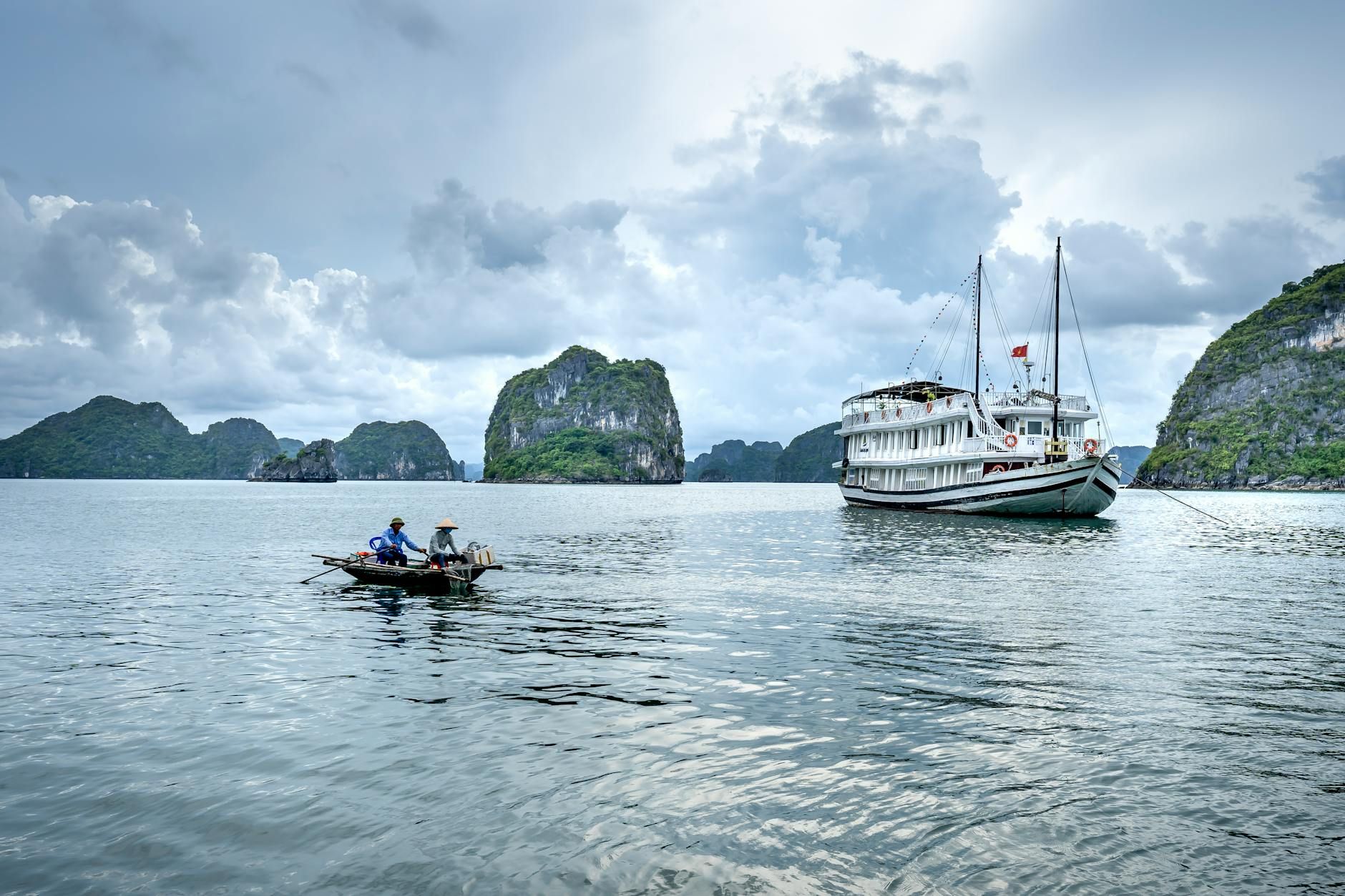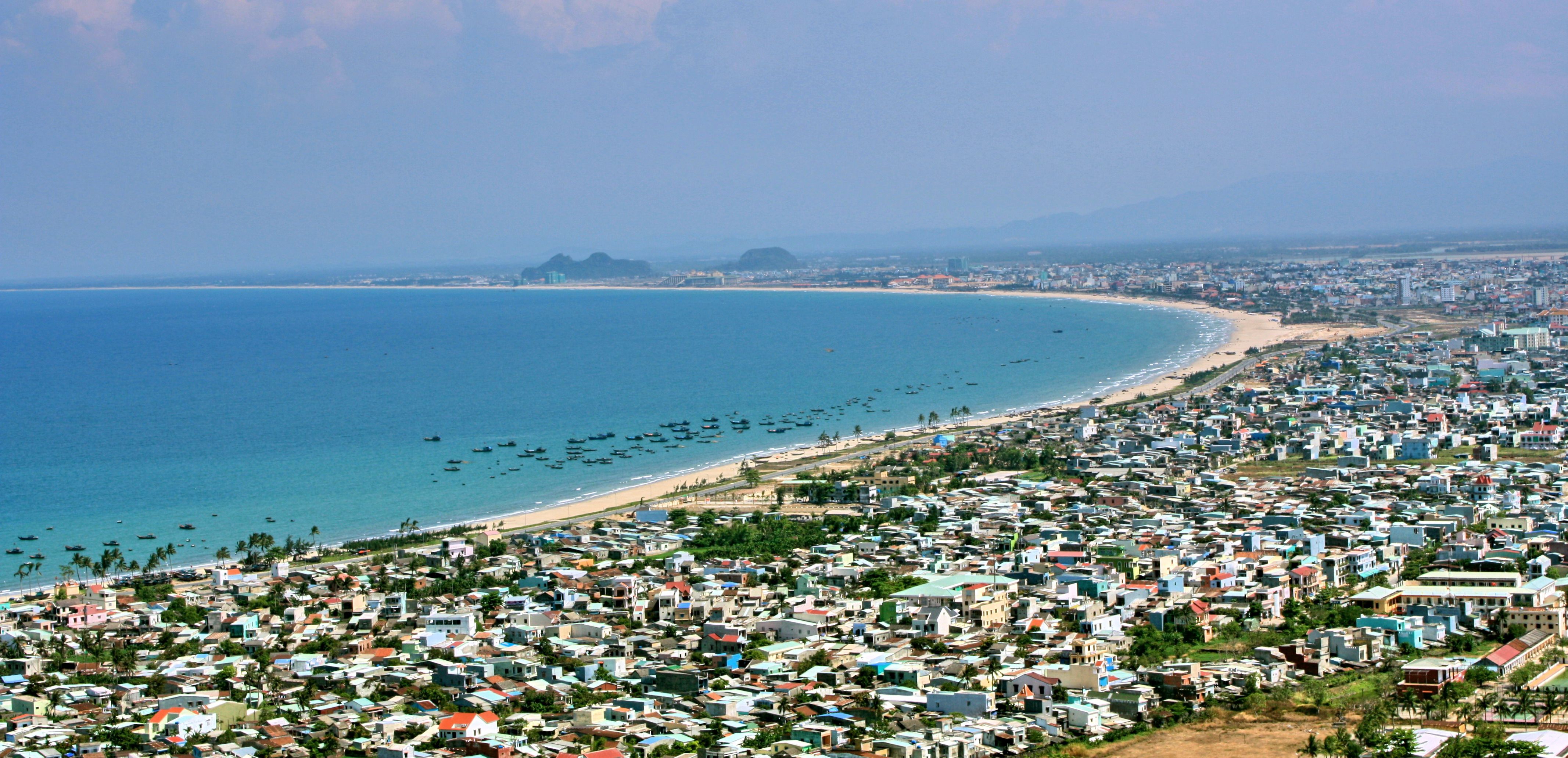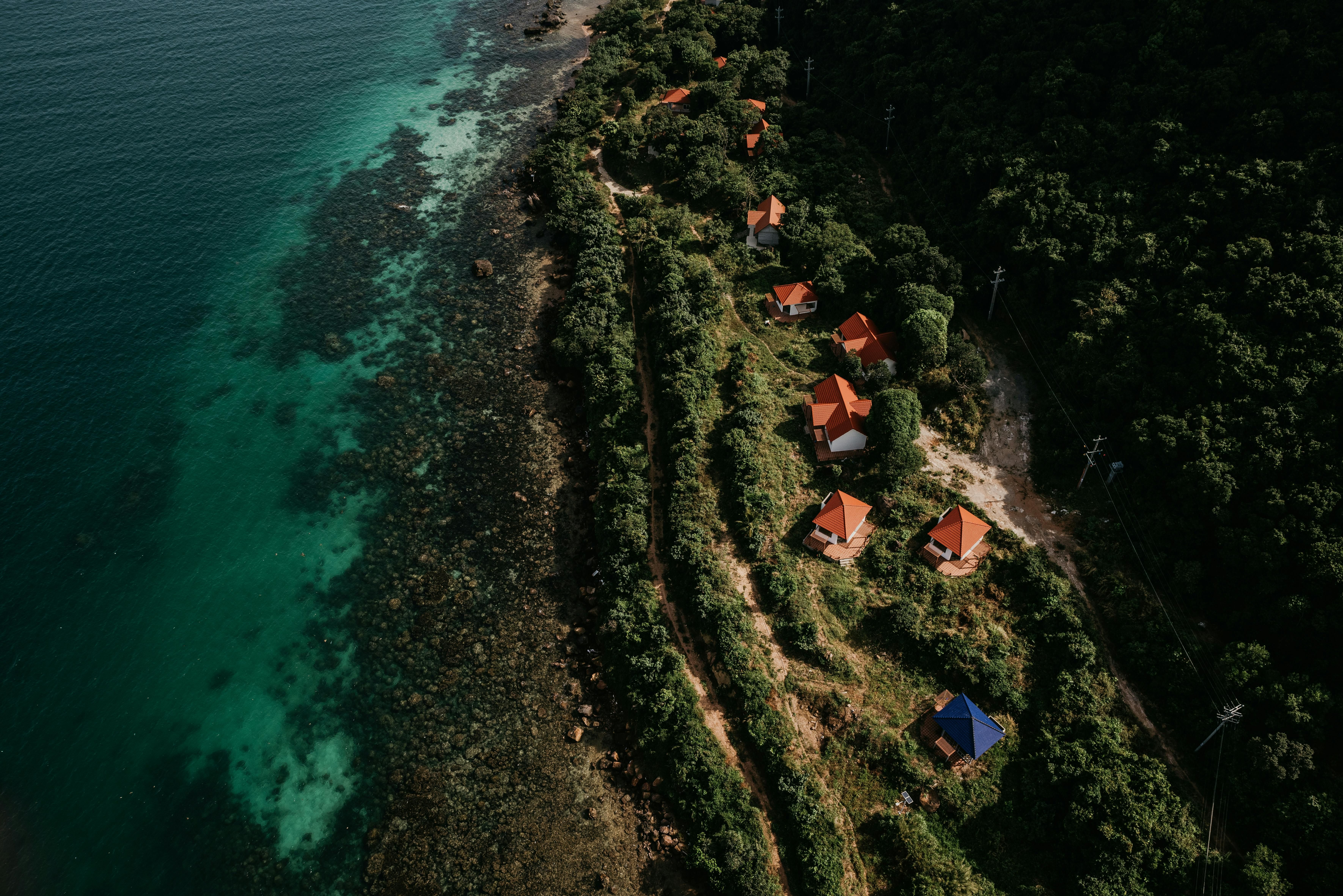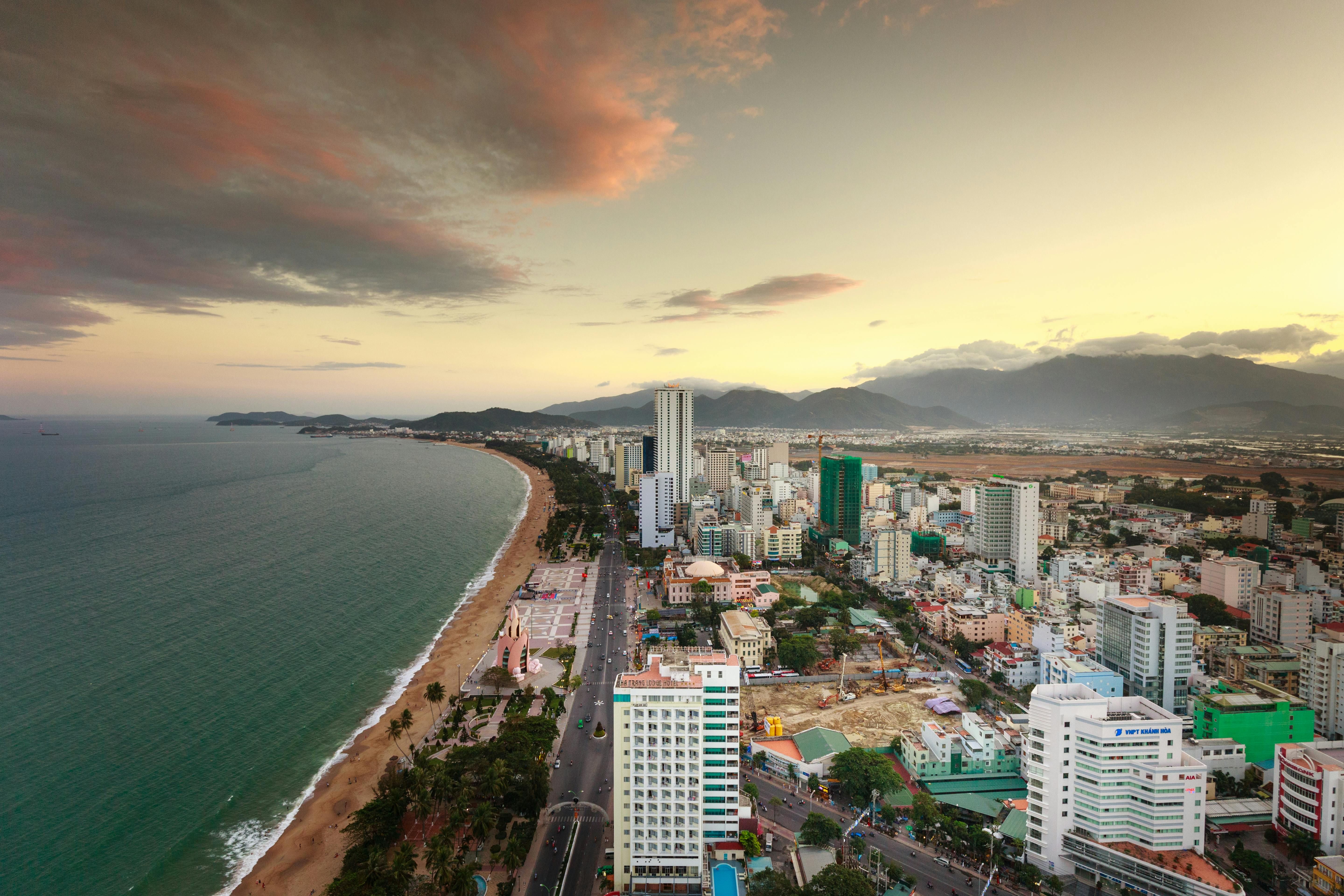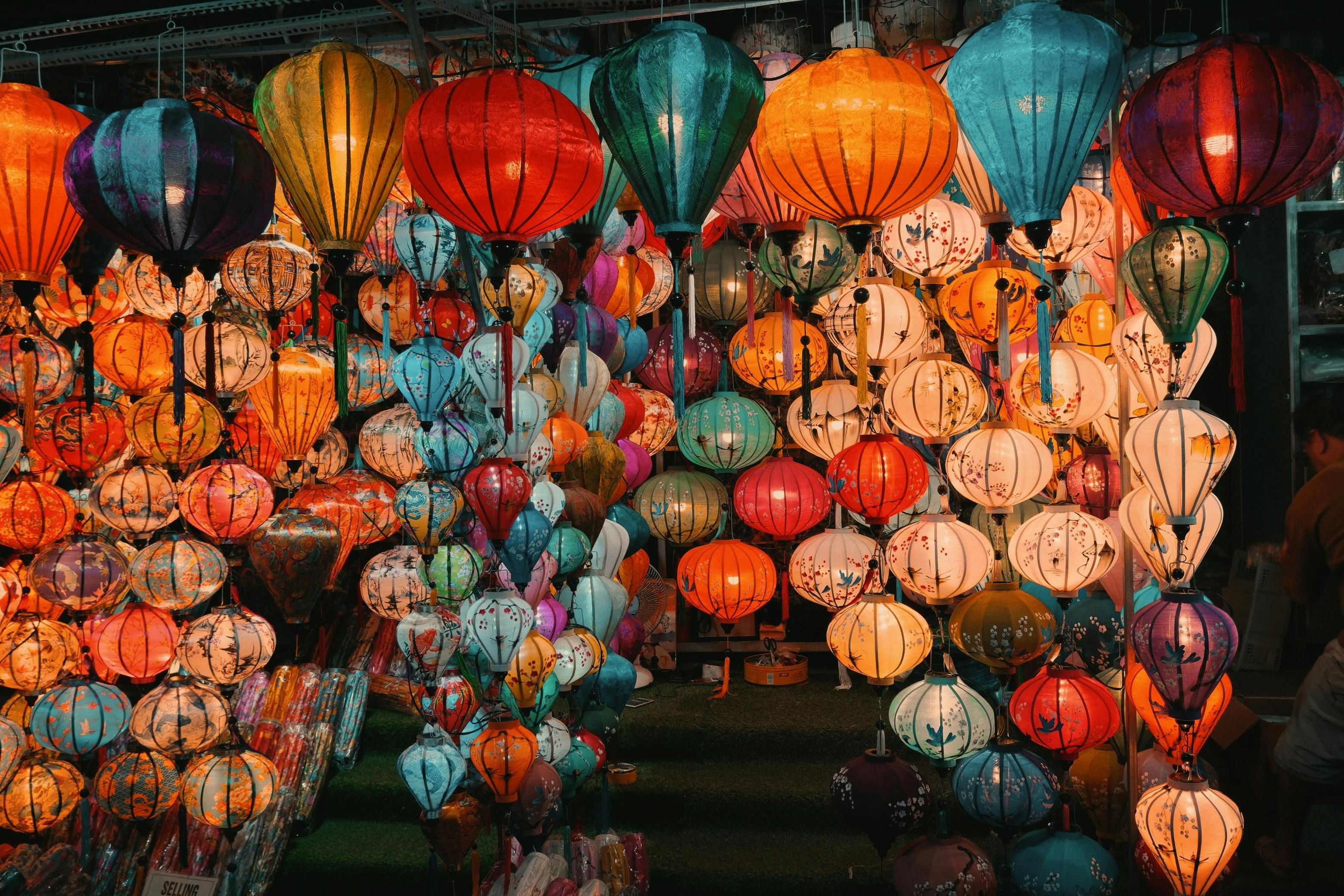
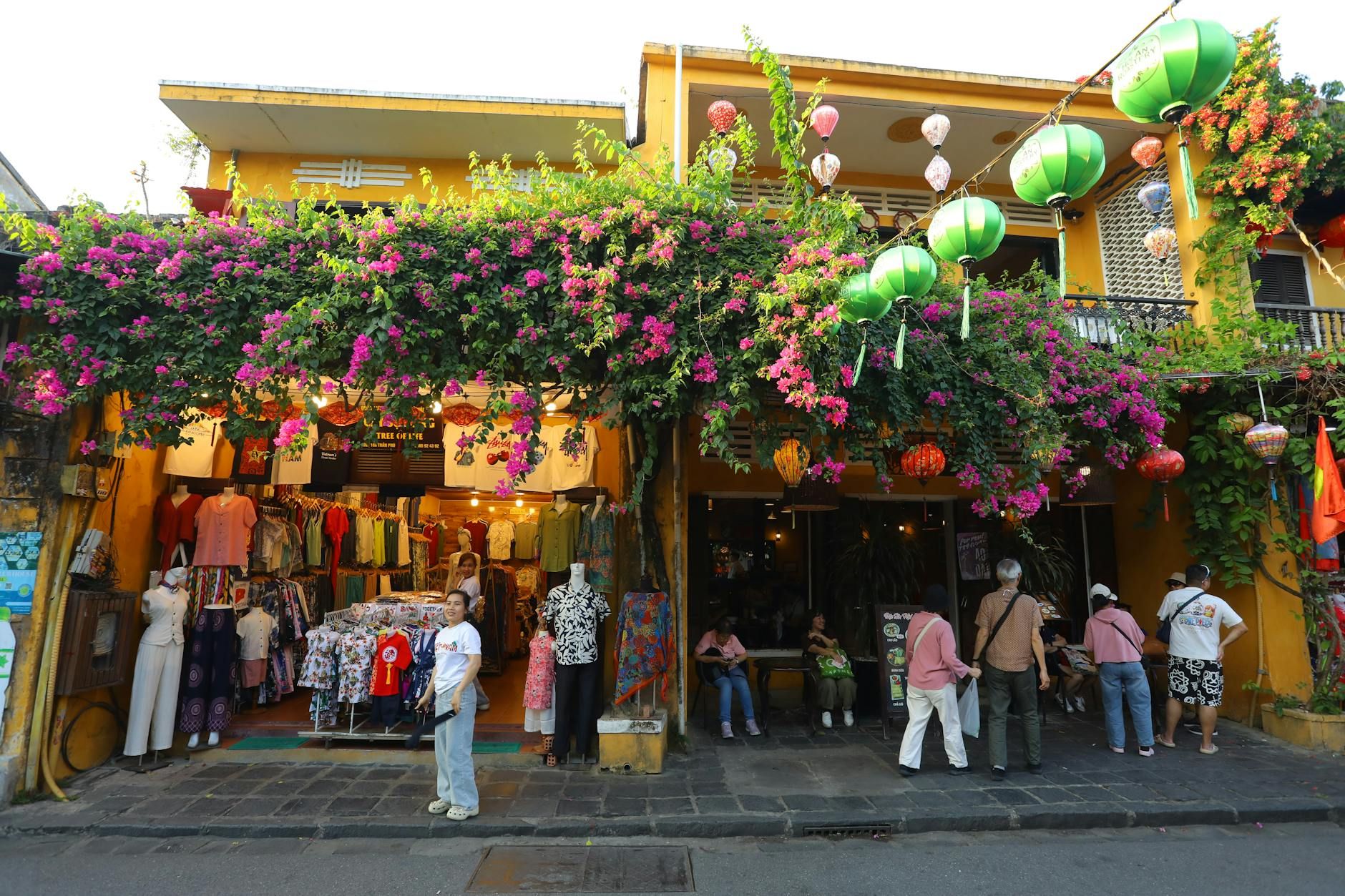
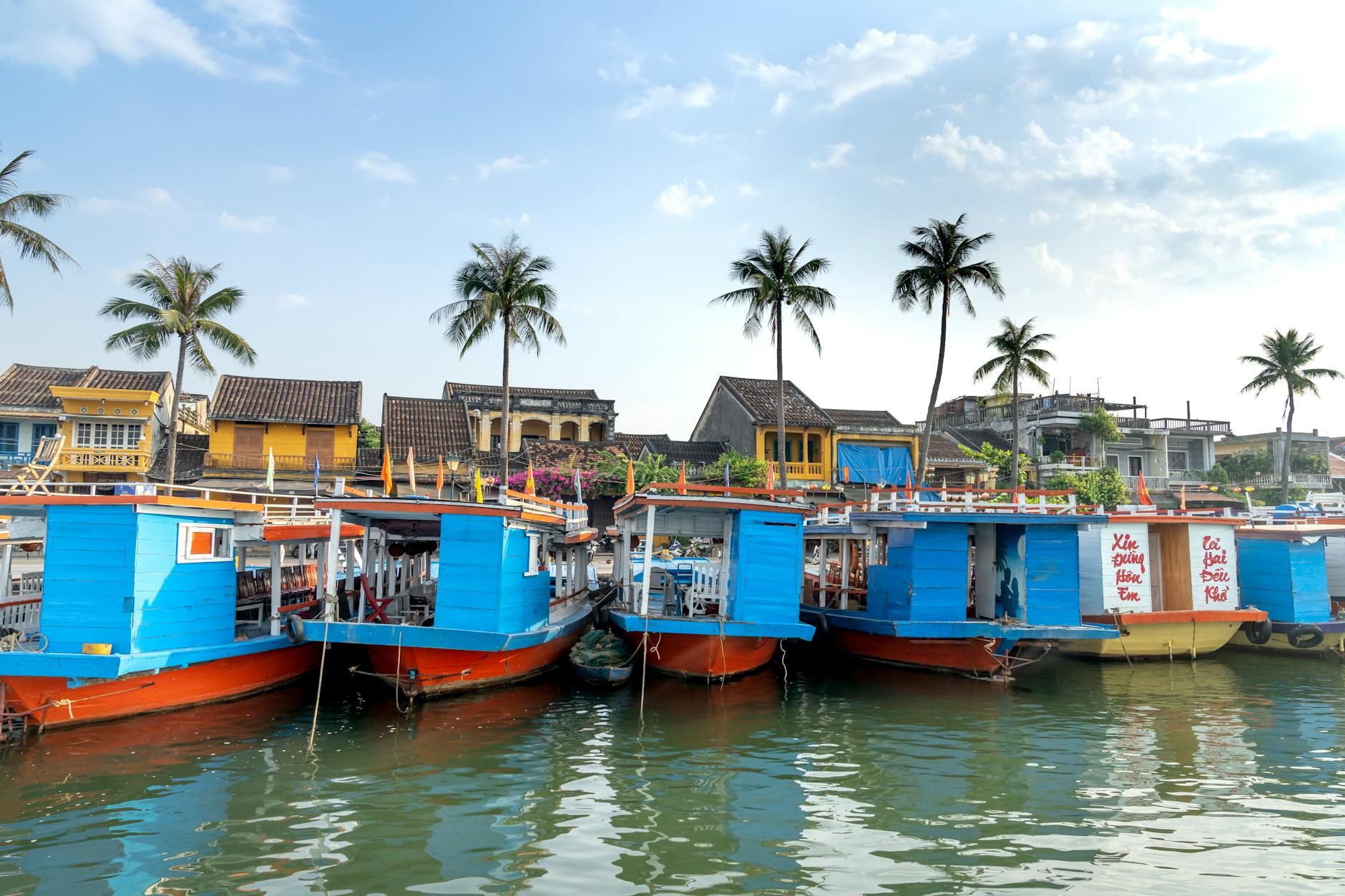
Hoi An sits on Vietnam's central coast like a lantern-lit time capsule — and for Australian travellers, it's one of Southeast Asia's most rewarding destinations you can reach in under eight hours from Sydney or Melbourne. This guide cuts through the noise with practical, honest advice tailored specifically for Aussies: what you actually need to know about visas, weather patterns that matter for our holiday windows, how far your dollar stretches, where to stay without the backpacker chaos, and how to experience this UNESCO World Heritage town beyond the Instagram clichés. Whether you're a couple chasing lantern-lit dinners and tailor-made linen, or travelling with kids who need more than just Old Town walks, we'll show you how to make Hoi An work for your travel style — and your budget.
- Getting to Hoi An from Australia
- Where to Stay in Hoi An: Neighbourhood Guide for Australians
- Essential Hoi An Experiences: What Australian Travellers Actually Love
- Practical Tips for Australians Visiting Hoi An
- How Booking Works
- Why Book Your Hoi An Stay with Via Resorts
- FAQ
- Is Hoi An suitable for families with young children?
- What's the best time to visit Hoi An from Australia?
- How much should I budget per day in Hoi An?
- Can I pay with AUD or do I need Vietnamese Dong?
- How far in advance should I book accommodation?
- Is Hoi An safe for Australian travellers?
- Do I need a visa to visit Vietnam?
- Next Steps
Getting to Hoi An from Australia
There's no direct flight from Australia to Hoi An, but the journey is straightforward once you know the options. Most Australians fly into Da Nang International Airport (DAD), which sits just 30 kilometres from Hoi An's Ancient Town — about a 45-minute drive depending on traffic. It's the most sensible entry point, and you'll be sipping a Vietnamese coffee in Hoi An's Old Quarter before lunch if you time it right.
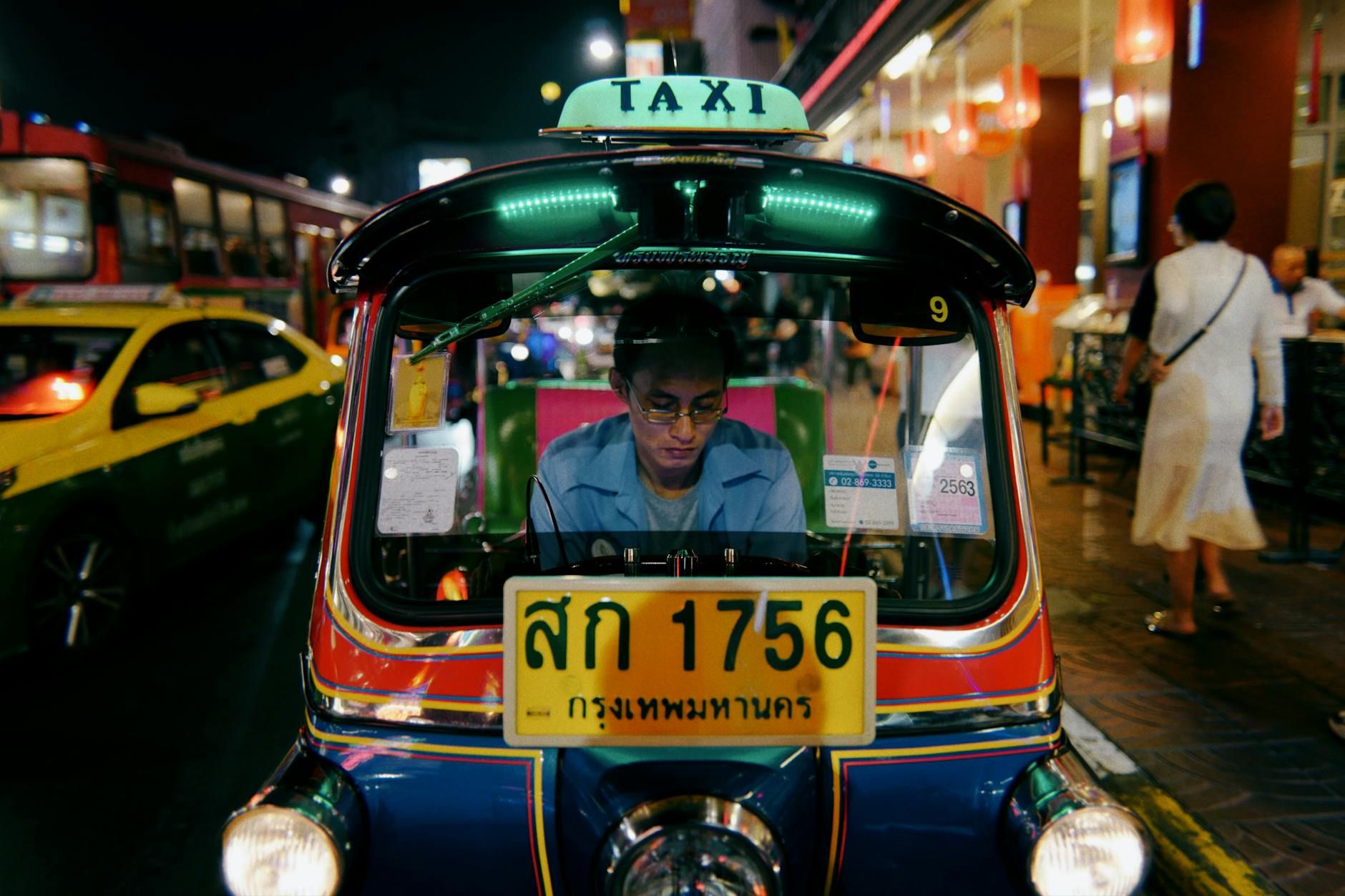
From Sydney, Melbourne, and Brisbane, you're looking at one-stop flights via Singapore, Bangkok, Kuala Lumpur, or Ho Chi Minh City. Total travel time typically runs 10–14 hours including layovers. Singapore and Bangkok are the most common connection points — both have excellent airport facilities if you've got a few hours to kill. Ho Chi Minh City connections can work well too, particularly if you're keen to tack on a few days exploring Saigon before heading north.
Some travellers fly into Hanoi instead, especially if they're planning a longer Vietnam trip that includes Ha Long Bay or Sapa. From Hanoi, you can either take a short domestic flight to Da Nang (about 75 minutes) or catch the overnight train, which is an experience in itself if you're not in a rush. The sleeper carriages are comfortable enough, and you'll wake up on the central coast.
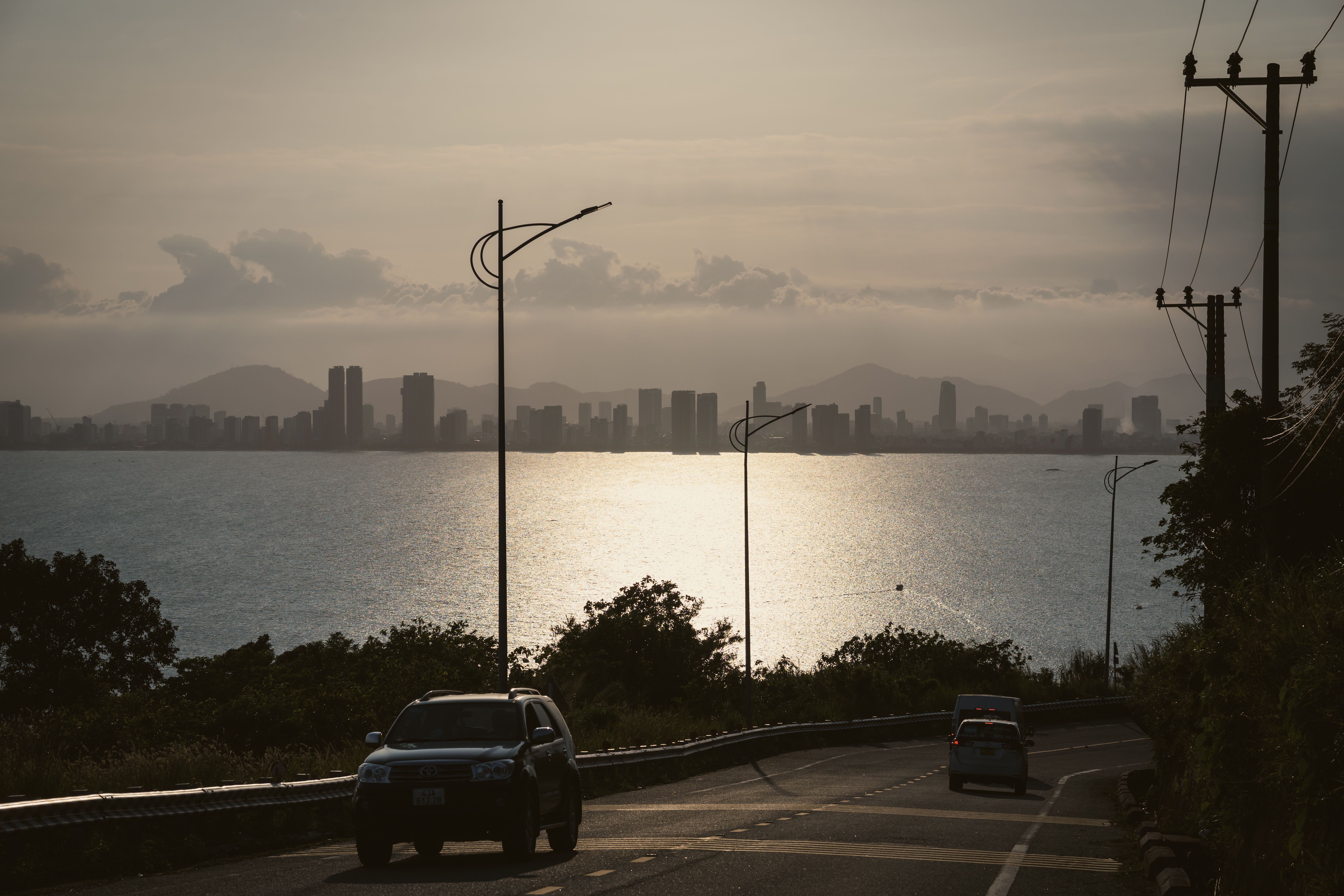
Once you land in Da Nang, you've got three main options into Hoi An: pre-booked private transfer (around $15–25 AUD, easiest option), Grab car (Vietnam's version of Uber, slightly cheaper but requires a local SIM), or the airport shuttle bus (cheapest at about $5 AUD, but runs on a schedule). Most travellers opt for the private transfer — after 12+ hours of travel, the last thing you want is to negotiate a local bus timetable with jet lag.
Worth noting: book your flights separately from your accommodation. Via Resorts sells accommodation only, which gives you complete flexibility to use frequent flyer points, hunt for flight sales, or adjust your travel dates without rebooking an entire package. It's one less thing locked in, and Australians consistently tell us they prefer the control.
Where to Stay in Hoi An: Neighbourhood Guide for Australians
Hoi An's compact size makes choosing the wrong neighbourhood less critical than in sprawling cities, but your base will still shape your daily rhythm. Most Australians split between the atmospheric Ancient Town and the beachside calm of An Bang, with Cam An emerging as a smart middle ground.
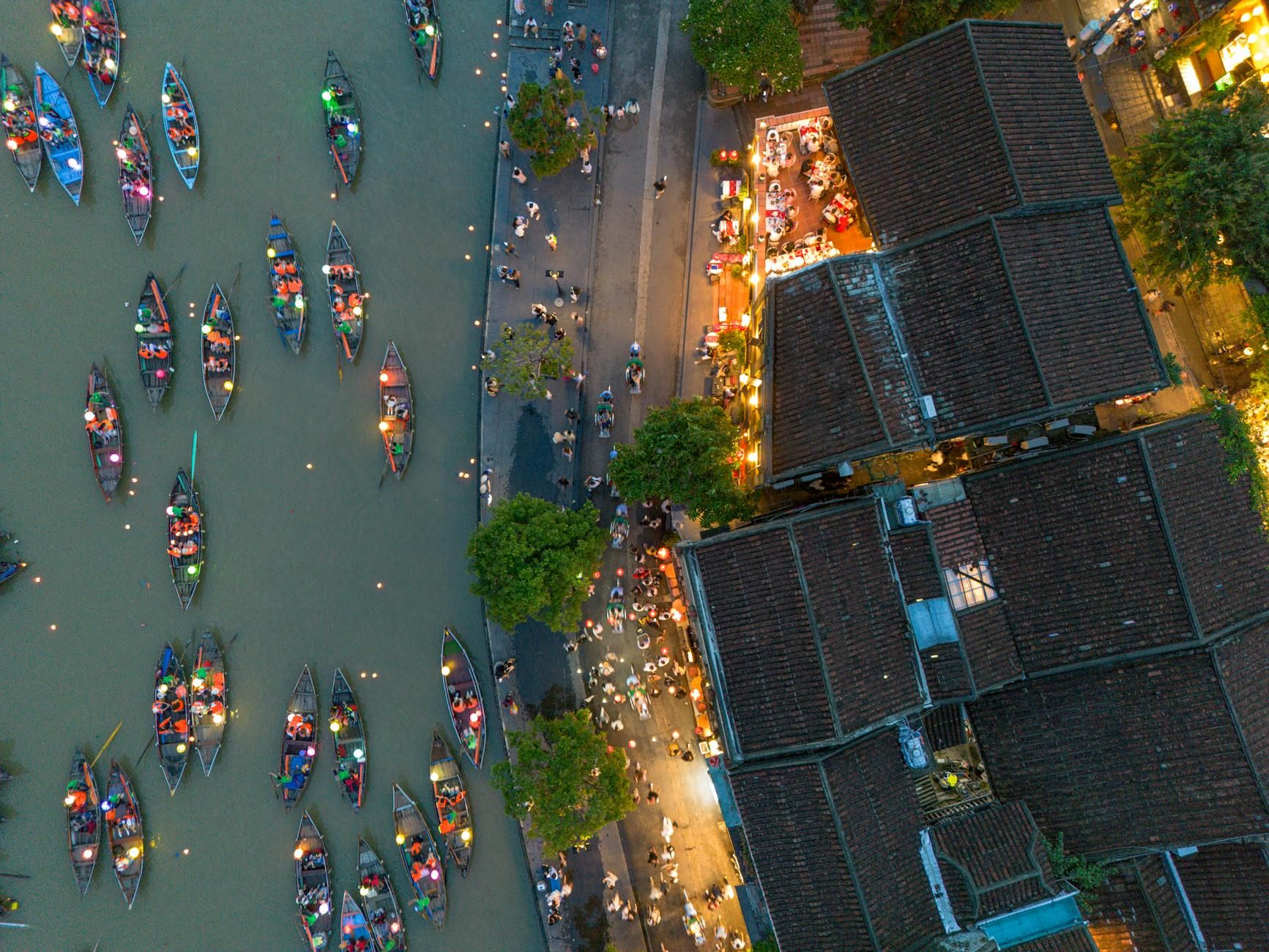
Ancient Town puts you inside the UNESCO magic — literally steps from lantern-lit streets and riverside cafes. Boutique hotels here occupy restored shophouses with courtyards and plunge pools. The upside? You can slip out for early morning photos before tour groups arrive, and evening strolls are effortless. The downside? Motorbike noise starts around 6am, and some lanes get touristy by 10am. Expect AUD $150-280/night for quality hotels. Best for couples who prioritise atmosphere over beach access and don't mind occasional street noise.
An Bang Beach (4km from town) flips the script — laid-back beach clubs, empty morning sand, and genuine Vietnamese neighbourhood vibes. Newer villas and small resorts here often include private pools and full kitchens, running AUD $120-220/night. Perfect for families or couples wanting daily beach time. Trade-off? You'll need a bicycle or Grab for Ancient Town visits (AUD $2-4 each way). The 15-minute ride is pleasant, but it's not spontaneous.
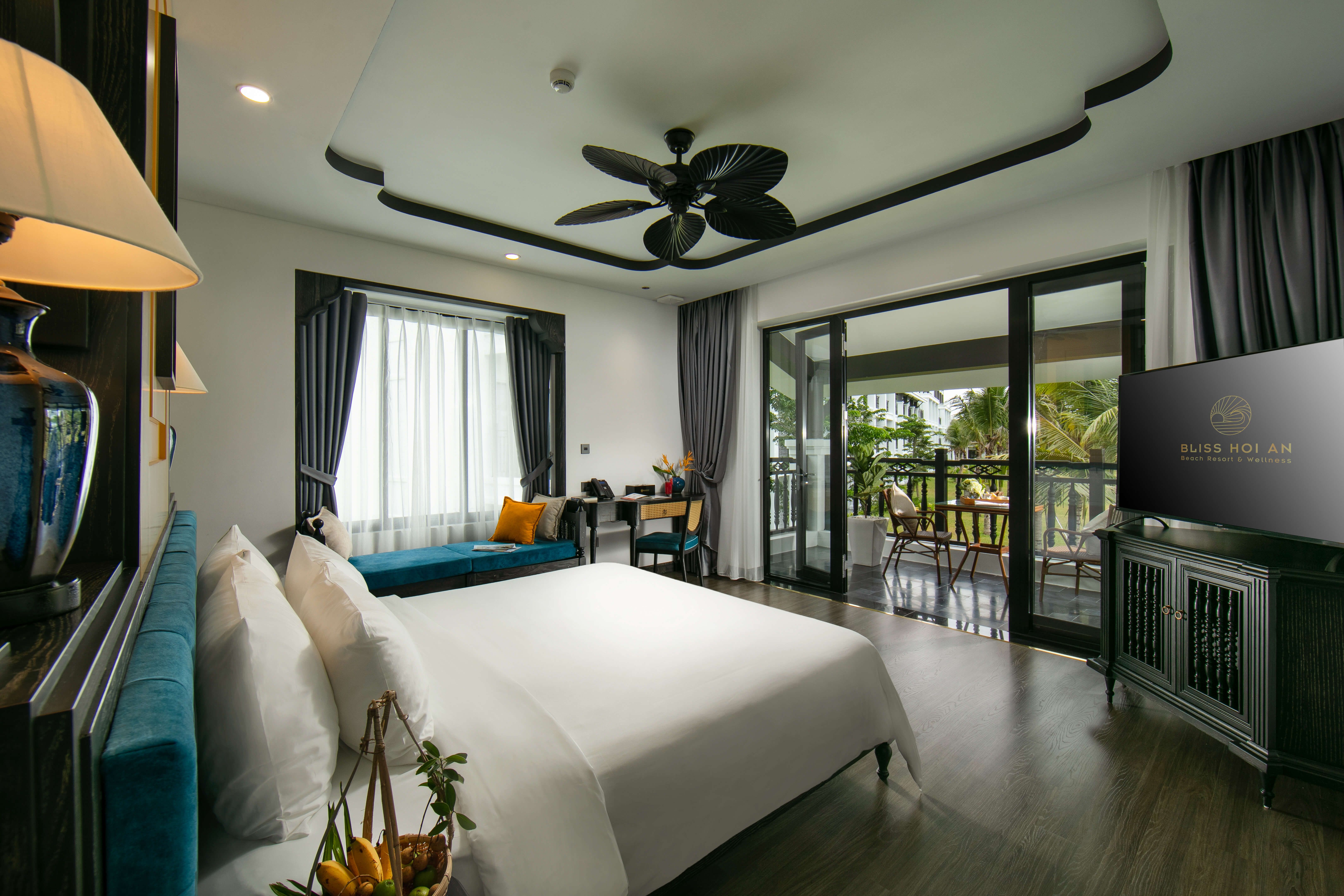
Cam An (between town and beach) offers boutique hotels in rice paddies — that Instagram-worthy countryside backdrop without sacrificing convenience. Typically AUD $100-180/night. You're cycling distance to both Ancient Town and the beach, with morning buffalo sightings thrown in. Drawback? You're not in either place, so every outing requires a vehicle.
Riverside areas along the Thu Bon (north of Ancient Town) balance quiet mornings with 10-minute walks to the action. Mid-range resorts here (AUD $130-200/night) suit families wanting space and pools without full beach isolation.
Essential Hoi An Experiences: What Australian Travellers Actually Love
Ask any Australian who's been to Hoi An what they loved most, and you'll get surprisingly consistent answers. This isn't a destination where you need to hunt for hidden gems—the main experiences genuinely deliver. Here's what's actually worth your time and money.
Getting clothes made is the number one drawcard, and for good reason. Hoi An's tailors can copy anything from a photo or create pieces from scratch. Budget $80-150 AUD for a quality dress or shirt, $200-400 for a suit. The process takes 24-48 hours with fittings, so book early in your trip. Yaly Couture and Bebe Tailor consistently get rave reviews from Aussies, though you'll find capable tailors throughout the Old Town. One honest warning: quality varies wildly—avoid shops that pressure you or quote suspiciously low prices.
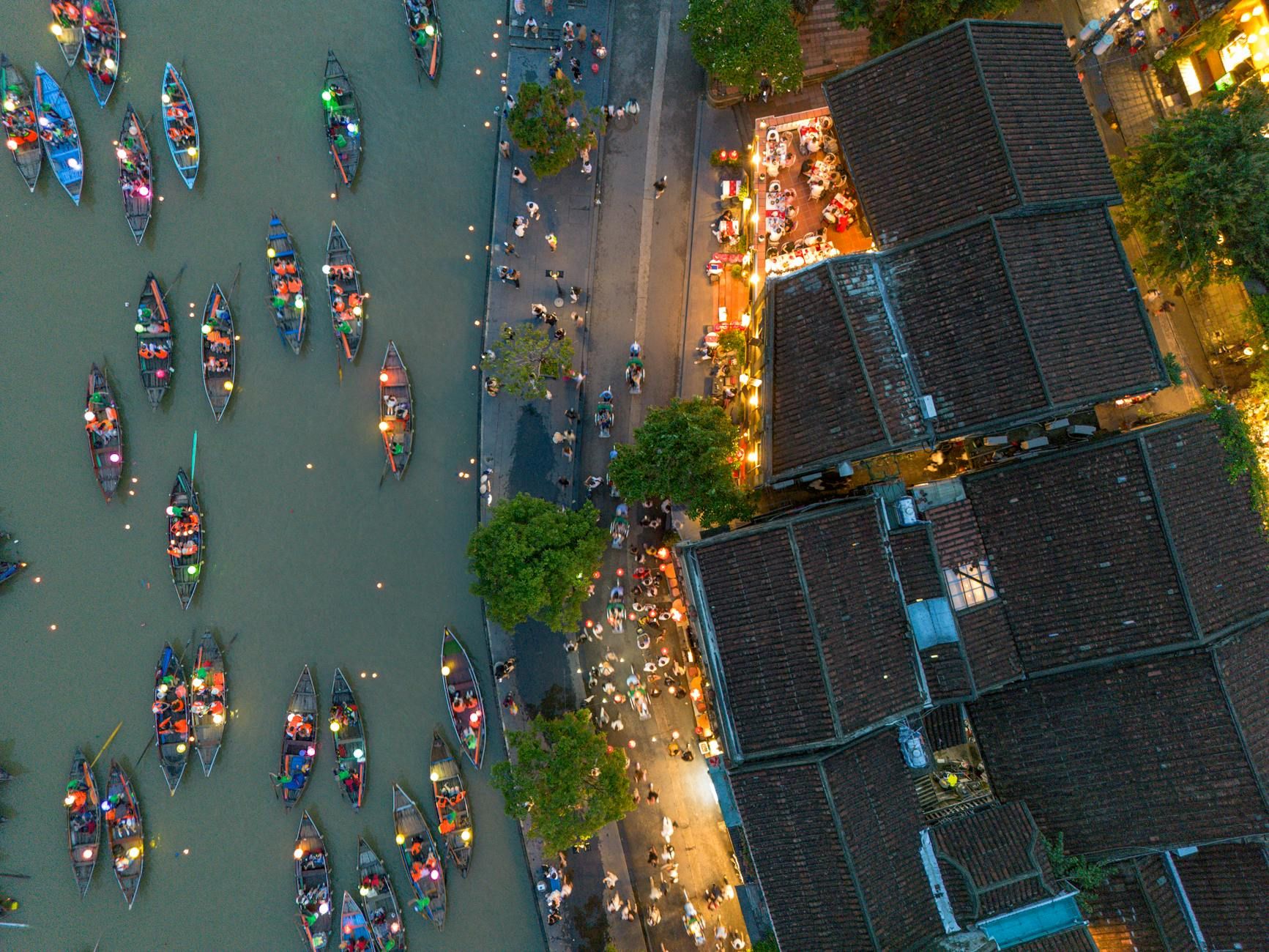
Cooking classes run around $45-65 AUD and typically include market visits and hands-on preparation of 4-5 dishes. Morning Glory and Red Bridge are both excellent, though Red Bridge's riverside setting edges it ahead for atmosphere. You'll learn dishes you can actually recreate at home (hello, fresh spring rolls), and it's a genuinely fun half-day activity even if you're not particularly kitchen-savvy.
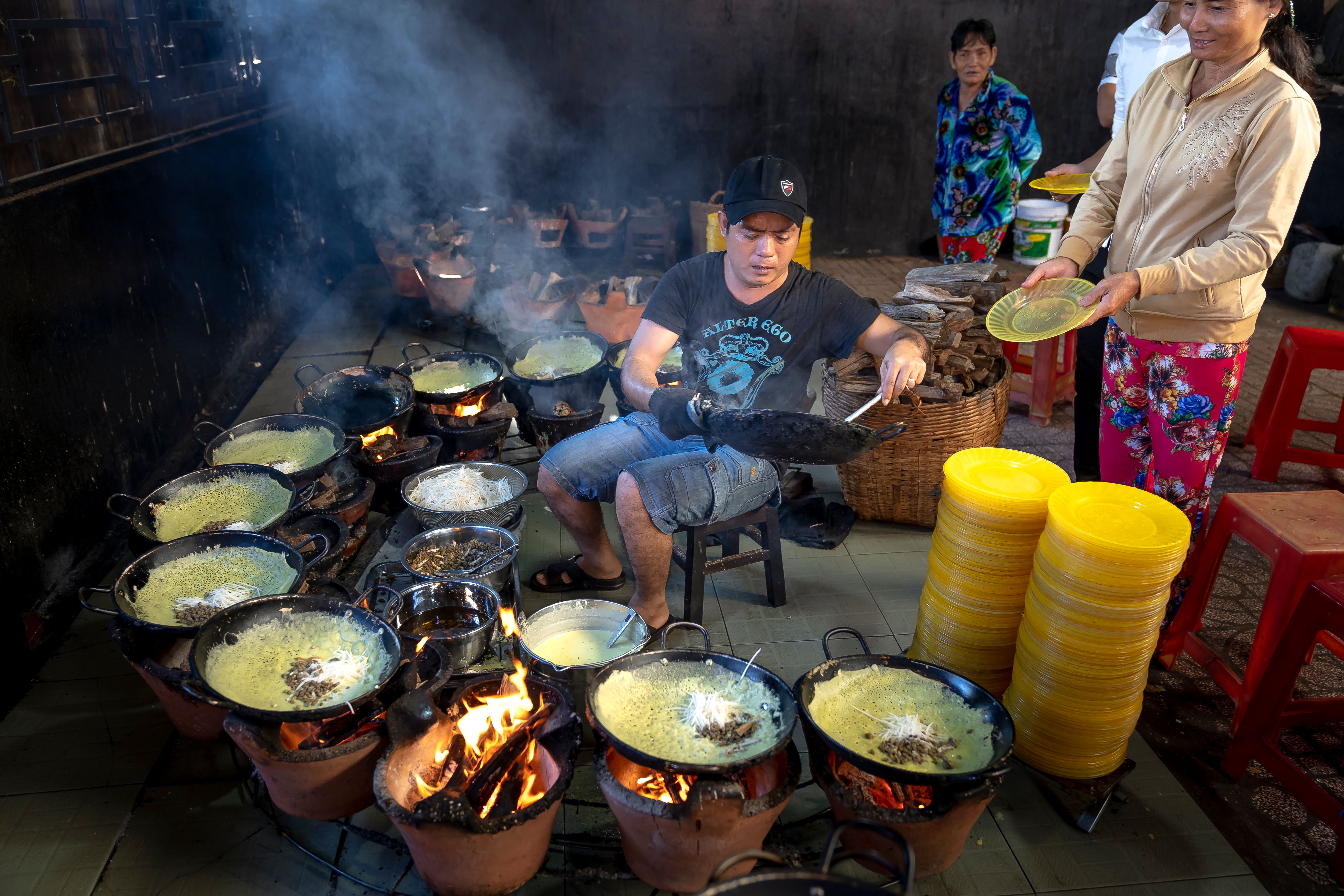
Ancient Town exploration works best early morning (6-7am) or late afternoon when the day-trip crowds thin out. The 120,000 VND (~$7 AUD) ticket covers five heritage sites—we'd recommend the Japanese Covered Bridge, Tan Ky House, and the Assembly Halls. The monthly Lantern Festival (14th day of lunar calendar) sees the Old Town lit entirely by lanterns with no traffic—magical, yes, but also absolutely packed. If crowds aren't your thing, any evening still offers plenty of lantern atmosphere without the chaos.
An Bang Beach sits 5km from town and offers proper beach time without resort prices. It's nothing fancy—think casual beach clubs, fresh seafood, and$5 AUD sun loungers—but it's clean, swimmable, and feels authentically Vietnamese rather than tourist-manufactured.
Practical Tips for Australians Visiting Hoi An
The good news? Hoi An is refreshingly straightforward for Australian travellers. Australians can enter Vietnam visa-free for stays up to 45 days (as of 2024), which gives you plenty of time to explore without paperwork headaches. Just ensure your passport has at least six months validity from your entry date. If you're planning a longer Southeast Asia trip, you can arrange an e-visa beforehand for stays up to 90 days.
Currency-wise, you'll be dealing with Vietnamese Dong (VND). ATMs are plentiful throughout Hoi An's old town and along the beach strip—Vietcombank and BIDV typically have the best rates and lowest fees. Most machines dispense up to 3-5 million dong per transaction (roughly $200-300 AUD). Cards are increasingly accepted at hotels and upscale restaurants, but carry cash for markets, street food, and smaller tailors. Tipping isn't traditionally expected in Vietnam, though rounding up at cafes or leaving 50,000-100,000 dong (~$3-6 AUD) for exceptional restaurant service is appreciated. For hotel housekeeping, 20,000-50,000 dong per day is generous.
Weather dictates your packing list. February to April offers the sweet spot—warm, dry, minimal humidity. May to August gets hot (30-35°C) and sticky. September to January brings cooler temps but also rain, sometimes heavy flooding in October-November. Pack lightweight, breathable clothes, a wide-brimmed hat, and serious sunscreen—the Vietnamese sun is no joke. If visiting during rainy season, include a compact umbrella and quick-dry shoes. Modest dress is appreciated at temples (covered shoulders and knees), though Hoi An is fairly relaxed overall.

Getting around is delightfully easy. The old town is compact and walkable, though renting a bicycle (50,000-100,000 dong/day) is ideal for reaching the beach or outer neighbourhoods. Grab works brilliantly for longer trips—it's cheaper and more reliable than random taxis. Download the app before you arrive and link an Australian credit card. For mobile data, grab a Viettel or Vinaphone SIM at the airport (around 200,000 dong for 30GB). Food and water safety is generally excellent at established restaurants and hotels. Stick to bottled water, enjoy the street food (it's fantastic), and use common sense—busy stalls with high turnover are your safest bet.
Most Australian couples spend 3-4 nights in Hoi An as part of a broader Vietnam itinerary, often combining it with Da Nang, Hanoi, or Ho Chi Minh City. That's enough time to explore the old town, hit the beach, and maybe cycle to the countryside without feeling rushed.
How Booking Works
Via Resorts operates on a "secure today, stay later" deposit model — you'll pay a deposit from as little as $100 AUD to lock in your accommodation, with the balance due closer to your travel dates. This gives you breathing room to organise flights separately (and scope out those Points Plane deals Australians love).
Because Via sells accommodation only, you've got full control over your flights. Book direct with an airline, use frequent flyer points, or wait for a sale — whatever works for your schedule and budget. The flexibility means you can extend your trip with a few days in Da Nang or Ho Chi Minh City without being locked into a package itinerary. Once your deposit's down, you can focus on the fun stuff: planning which lantern-lit streets to wander and which tailor's getting your business first.
Why Book Your Hoi An Stay with Via Resorts
We're an Australian-founded accommodation specialist with direct relationships with properties throughout Hoi An — from riverside boutique hotels in the Ancient Town to beachfront resorts at An Bang. That means better rates and someone who actually knows these places when you need advice.
You'll secure your room with a deposit from as little as $100 AUD, then book your flights separately (whether that's using Qantas points, catching a sale, or routing through Danang). Our team provides local support in Vietnam, so you've got backup if anything goes sideways with your booking.
No flight bundles, no package nonsense — just quality accommodation at transparent nightly rates in AUD, with the flexibility to travel your way.
FAQ
Is Hoi An suitable for families with young children?
Absolutely. Hoi An is one of Vietnam's most family-friendly destinations. The Old Town is compact and mostly pedestrianised, making it easy to navigate with prams or young walkers. The beaches are calm and safe for swimming, and most resorts offer kids' clubs and family-friendly pools. That said, the heat and humidity can be challenging for little ones — plan indoor activities during the hottest part of the day and pack plenty of sunscreen.
What's the best time to visit Hoi An from Australia?
February to May offers the best weather — warm, dry, and less humid. September to early November is also lovely, though there's a higher chance of rain. Avoid October if possible, as it's peak wet season with potential flooding. School holiday periods (late June-July, late September-early October, late December-January) see higher accommodation prices and crowds, but the town never feels overwhelming.
How much should I budget per day in Hoi An?
Beyond your accommodation, budget AUD $80-120 per person per day for meals, activities, and transport. Street food meals cost $3-8, mid-range restaurant dinners $15-30 per person, custom-made clothing $30-150 per item, and day tours $40-80. Hoi An is excellent value compared to other beach destinations Australians typically visit.
Can I pay with AUD or do I need Vietnamese Dong?
You'll need Vietnamese Dong for most transactions. ATMs are plentiful in Hoi An and offer good exchange rates — just notify your bank before travelling. Some hotels and tour operators accept USD, but Dong gives you better value. Credit cards are accepted at larger hotels and restaurants, though a 3% surcharge is common.
How far in advance should I book accommodation?
For peak season (February-April, December-January), book 3-4 months ahead to secure your preferred property. Shoulder season (May-June, September-November) allows for 6-8 weeks' notice. With Via Resorts, you can secure today from as little as $100 AUD deposit and hold your dates while you organise the rest of your trip.
Is Hoi An safe for Australian travellers?
Very safe. Hoi An sees millions of tourists annually and has exceptionally low crime rates. The most common issues are minor — overcharging by cyclo drivers or bag snatching from motorbikes (keep bags away from the kerb). Traffic can feel chaotic if you're not used to Asian driving styles, but locals are incredibly patient with tourists. Standard travel precautions apply.
Do I need a visa to visit Vietnam?
Most Australian passport holders can enter Vietnam visa-free for up to 45 days. Always check current requirements with the Vietnamese Embassy or DFAT before booking, as regulations occasionally change.
Next Steps
Ready to explore Hoi An's lantern-lit streets and French-colonial charm? Browse our curated collection of accommodation in Hoi An and secure your stay with a deposit from just $100 AUD. Book today, travel later — and enjoy the flexibility to find your own flight deals when the time's right.