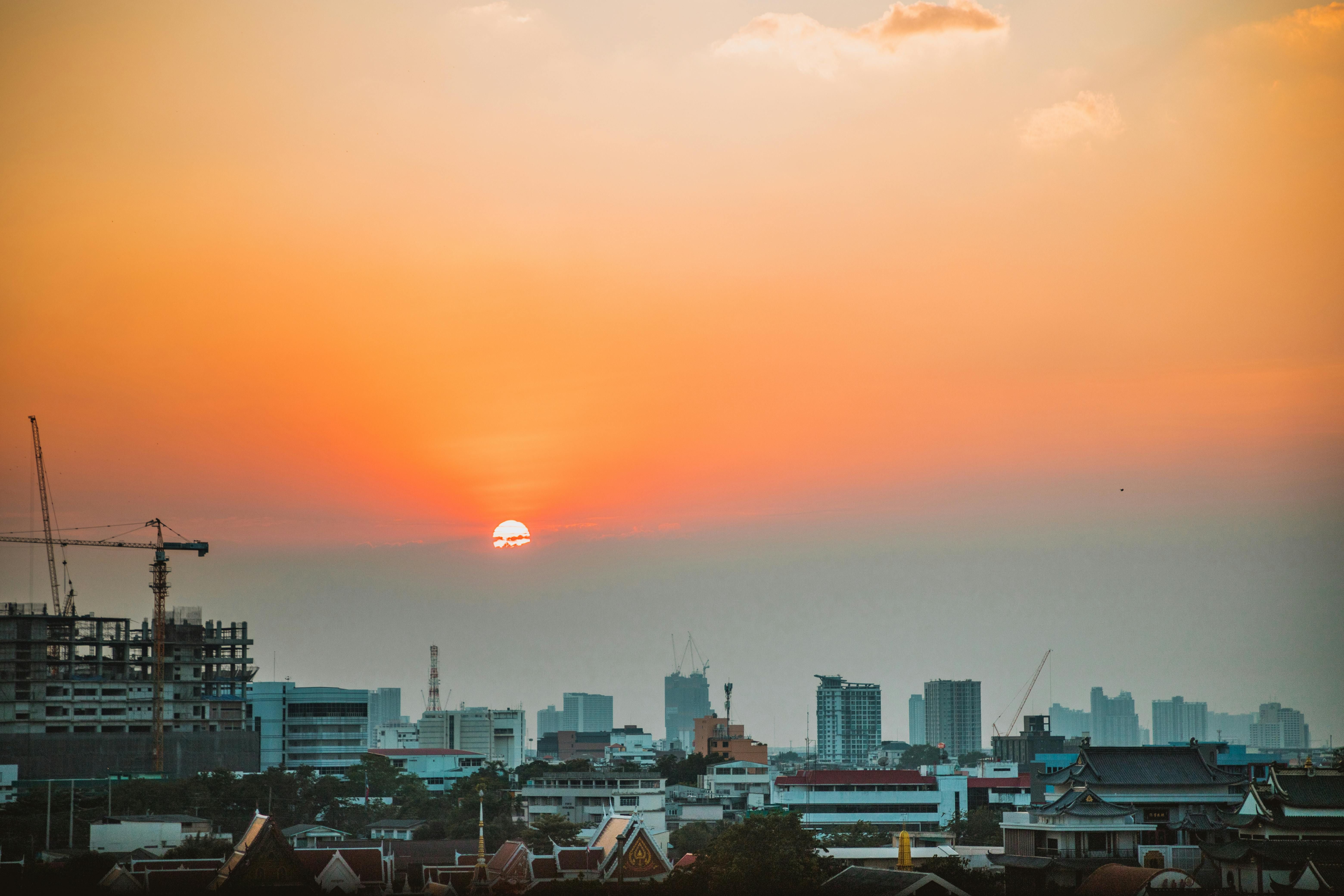
Thailand isn't just popular with Australians — it's our unofficial second home. From the moment you step off the plane in Bangkok, Phuket, or Chiang Mai, you're surrounded by familiar accents, Aussie-run dive shops, and menus that somehow know exactly what we want for breakfast. But beyond the well-worn tourist trails lies a country that rewards those who dig a little deeper: hidden islands with water so clear you'll question your own eyesight, night markets where $20 AUD feels like a fortune, and cultural experiences that'll stay with you long after your tan fades. Whether you're planning your first Thai adventure or your fifth, this guide cuts through the noise to help you plan a holiday that's unmistakably Thailand — and perfectly suited to how Australians actually travel.
- Why Thailand Is Perfect for Australian Holidaymakers
- Best Regions in Thailand for Different Types of Australian Travellers
- What Australian Travellers Need to Know Before Booking Thailand
- How to Maximise Your Thailand Holiday Value as an Australian
- How Booking Works
- Why Book Your Thailand Holiday with Via Resorts
- FAQ
- Do I need a visa to visit Thailand from Australia?
- What's the best time to visit Thailand?
- How does Via Resorts' deposit system work?
- Is Thailand suitable for families with kids?
- How much spending money should I budget per day?
- Do I need travel insurance for Thailand?
- Next Steps
Why Thailand Is Perfect for Australian Holidaymakers
There's a reason Thailand consistently tops the list for Australian travellers heading to Southeast Asia. It's not just the postcard-perfect beaches or the incredible food — though those certainly help. The practical advantages stack up quickly when you're planning from Australia.
The flight situation is genuinely convenient. You're looking at roughly 9 hours from Sydney or Melbourne to Bangkok, which means you can leave after work on Friday and be sipping a cocktail in Phuket by Saturday afternoon (accounting for the time difference). That's shorter than flying to Europe, obviously, but also more manageable than many Pacific destinations. Direct flights run daily from all major Australian cities, and the competition between carriers means you'll often find reasonable fares if you're flexible with dates.
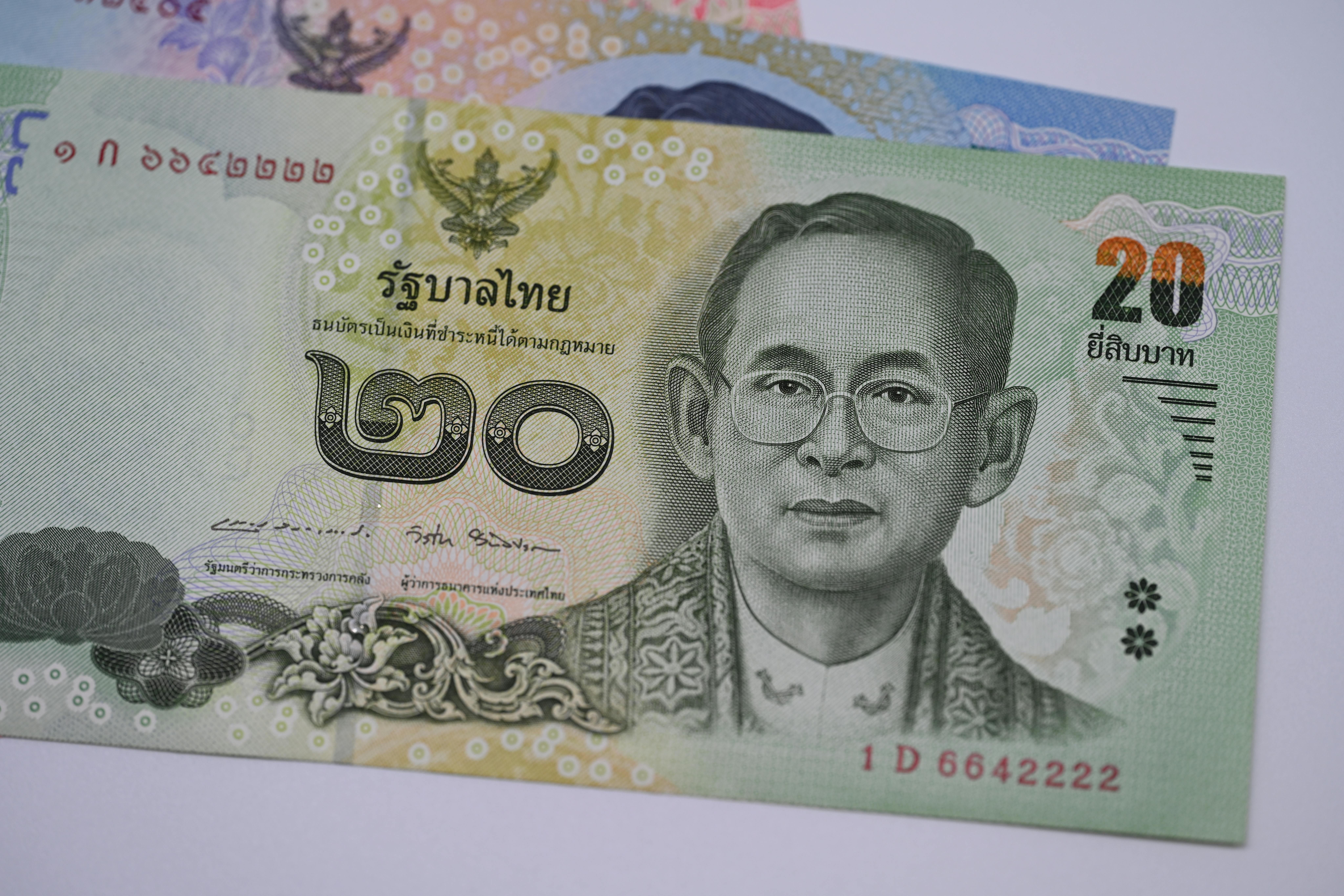
The exchange rate works beautifully in your favour. At current rates, 100 Australian dollars gets you around 2,200-2,400 Thai baht. In practical terms? A fantastic restaurant meal for two with drinks runs about 1,200-1,500 baht (AU$50-65), while a professional Thai massage costs 300-500 baht (AU$13-22). Your accommodation dollar stretches further too — that five-star beachfront resort you'd never consider in Bali or the Maldives suddenly becomes achievable.
Visa requirements couldn't be simpler. Australians get 30 days visa-free on arrival if flying in (15 days at land borders). No pre-application forms, no waiting periods, no fees at immigration. Just rock up with your passport (valid for at least six months) and you're in. If you decide you love it and want to stay longer, visa extensions are straightforward through local immigration offices.
The time zone difference is minimal — just 3-4 hours behind Australian Eastern Standard Time depending on the season. This means you can actually make that important work call without setting a 3am alarm, and your body clock adjusts within a day or two rather than the week-long jet lag battle you'd face heading west.
Best Regions in Thailand for Different Types of Australian Travellers
Thailand's diversity is both its greatest strength and its biggest challenge for first-time planners. The country stretches over 1,600 kilometres from north to south, and the beach resort you choose in Phuket will deliver a completely different holiday experience than the islands of Koh Samui or the cultural immersion of Chiang Mai. Here's how to match Thailand's regions to your travel style.
Phuket: The Accessible All-Rounder (But Expect Crowds)
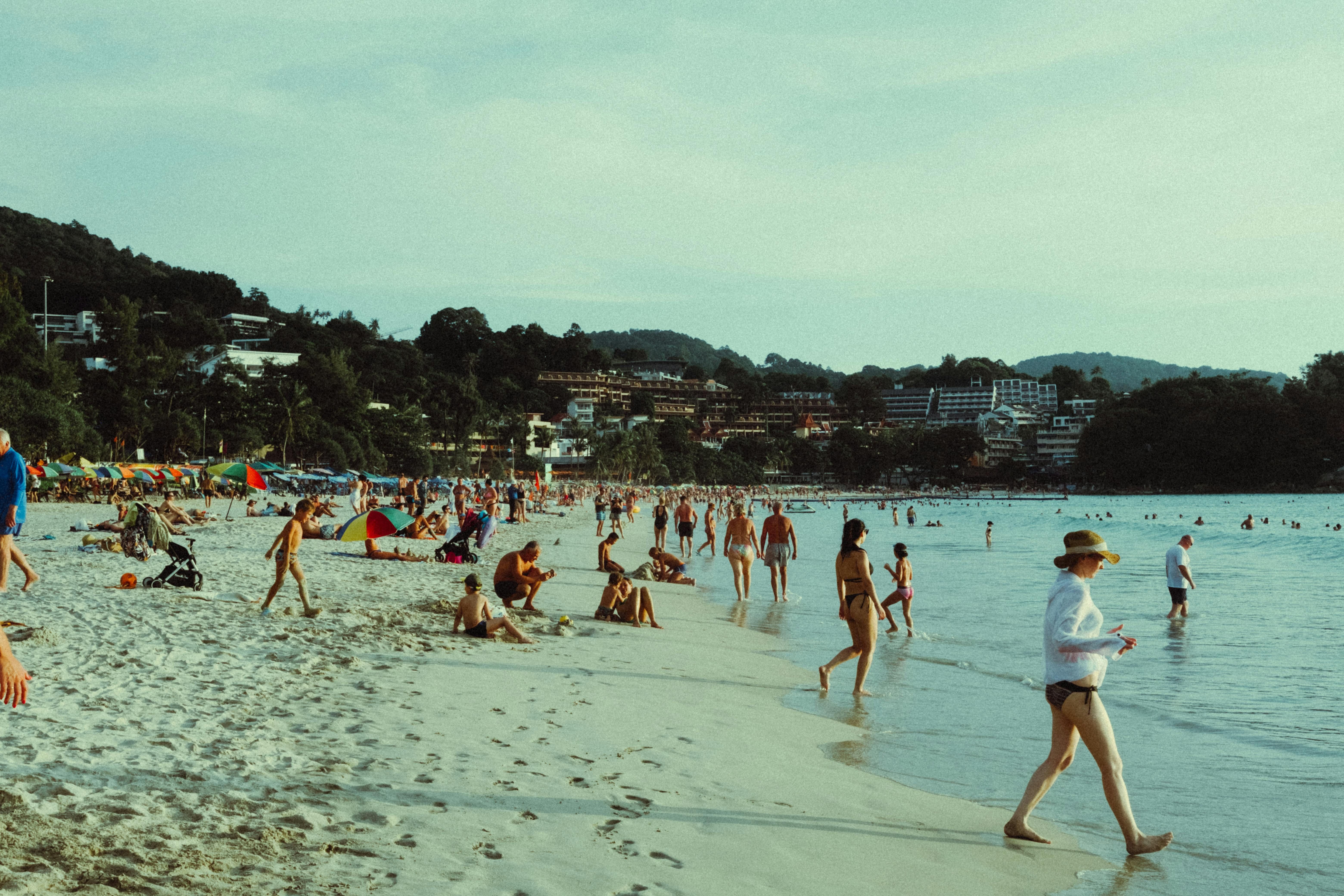
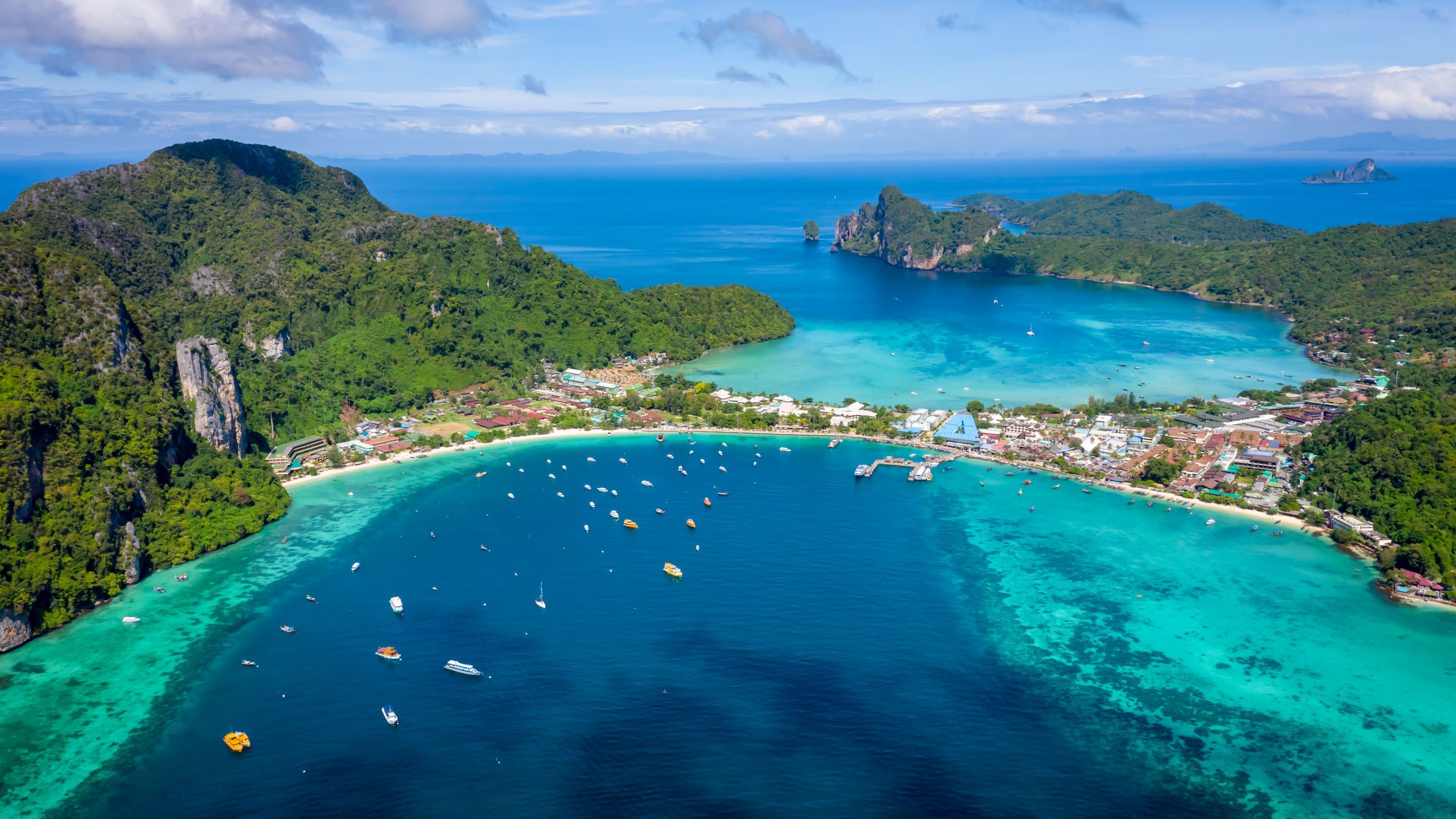
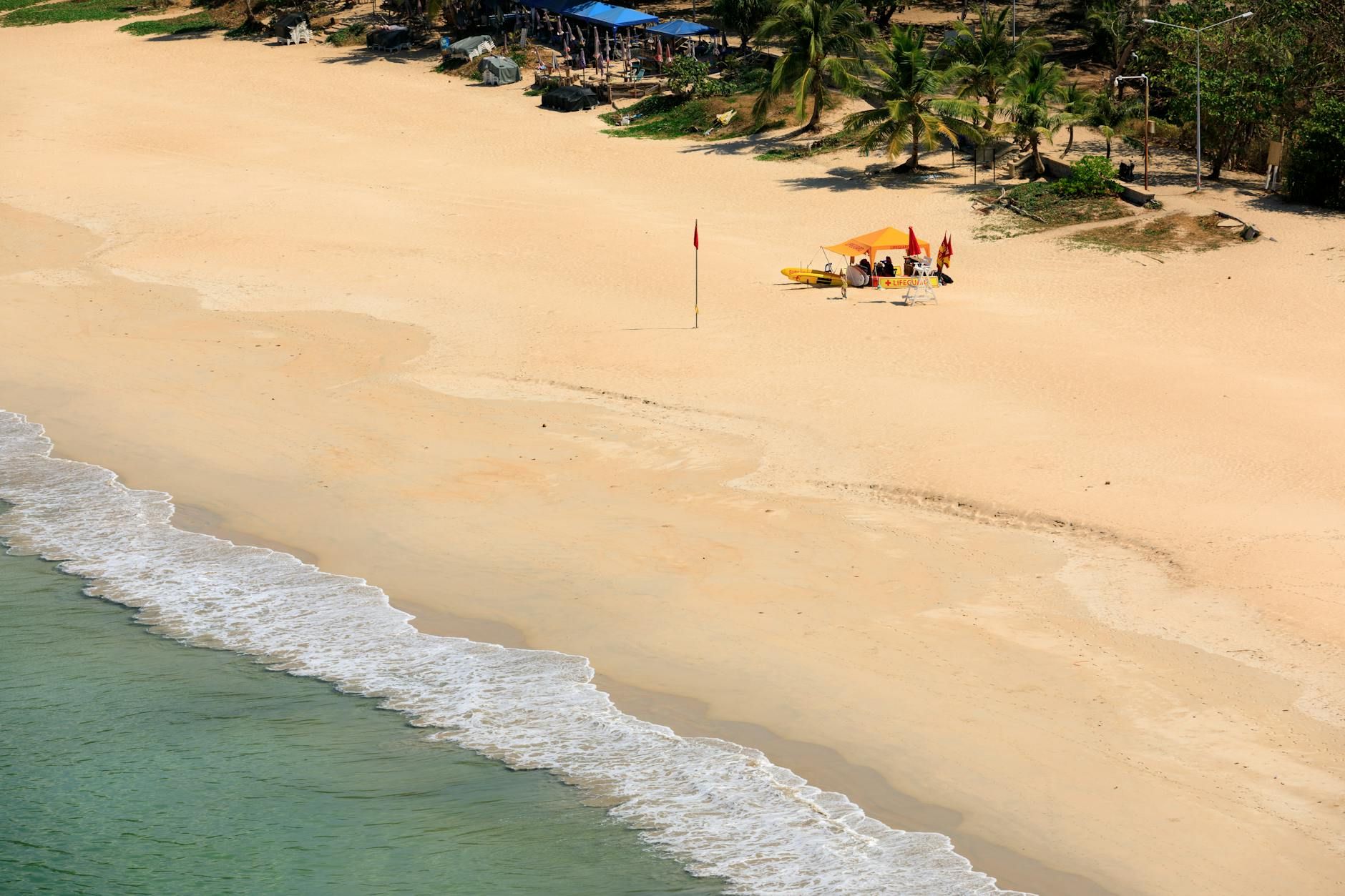
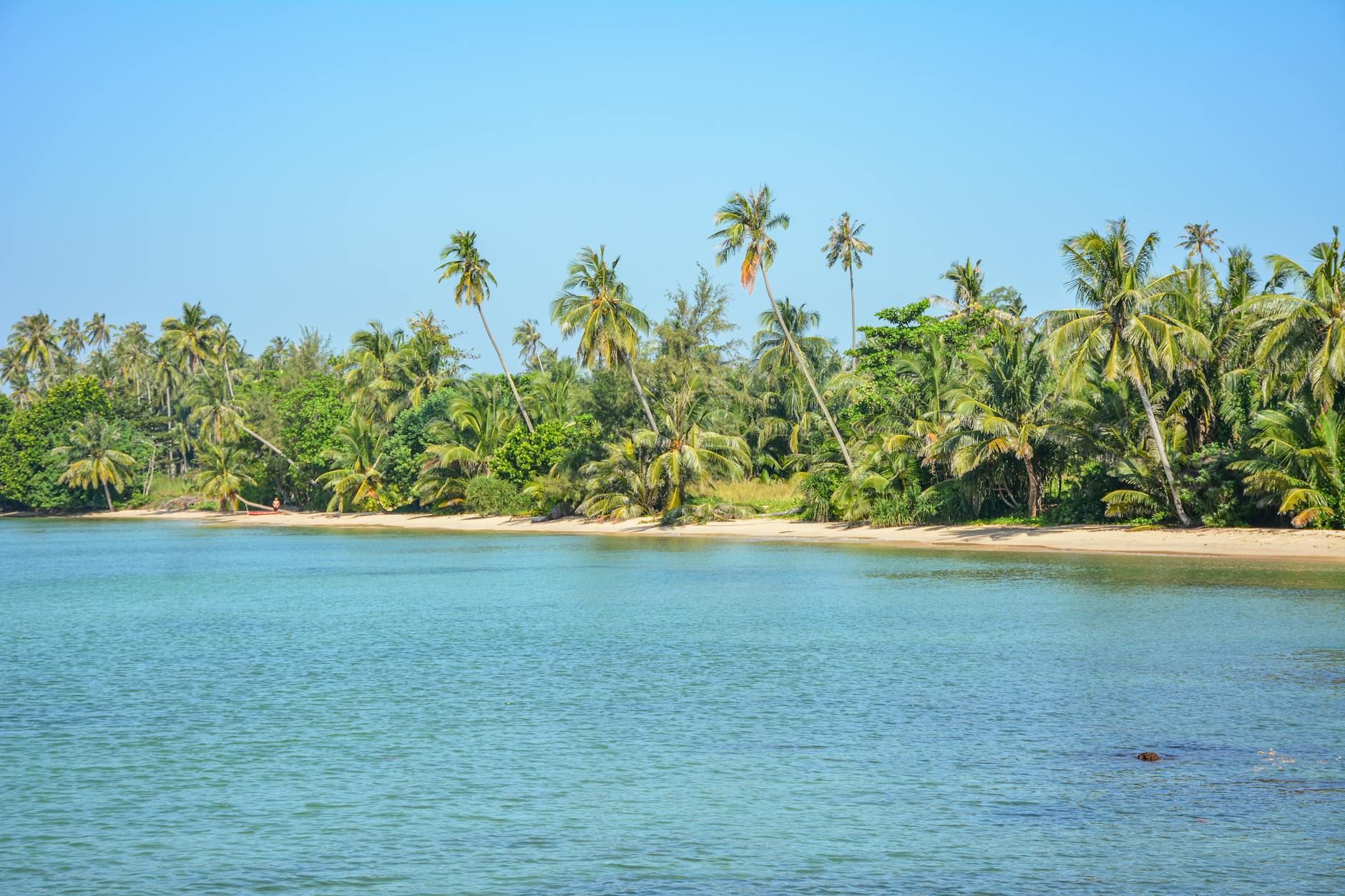
Phuket remains Thailand's most popular destination for Australians, and for good reason — direct flights from most capital cities, established infrastructure, and options ranging from backpacker-friendly Patong to luxury enclaves like Laguna. Couples will find the best balance at Kata, Karon, or Bang Tao beaches, where the atmosphere leans more sophisticated than Patong's party strip. The west coast beaches offer reliably gorgeous sunsets and easy access to day trips (Phi Phi Islands, Phang Nga Bay).
The trade-off? Phuket feels the most developed, sometimes veering into over-touristed during Australian winter. Traffic between beaches can be frustrating, and you'll pay a premium compared to less accessible islands. But if this is your first Thailand trip or you're travelling with kids who need reliable facilities, Phuket's ease of navigation justifies the crowds.
Koh Samui, Koh Phangan & Koh Tao: The Gulf Islands for Couples
The Samui archipelago in the Gulf of Thailand attracts a slightly more upmarket, couple-focused crowd than Phuket. Koh Samui itself strikes a sweet spot — luxury resorts along Chaweng and Lamai, but still enough local character in Fisherman's Village and the less-developed south coast. The vibe is more laid-back than Phuket, with better food quality across the board.
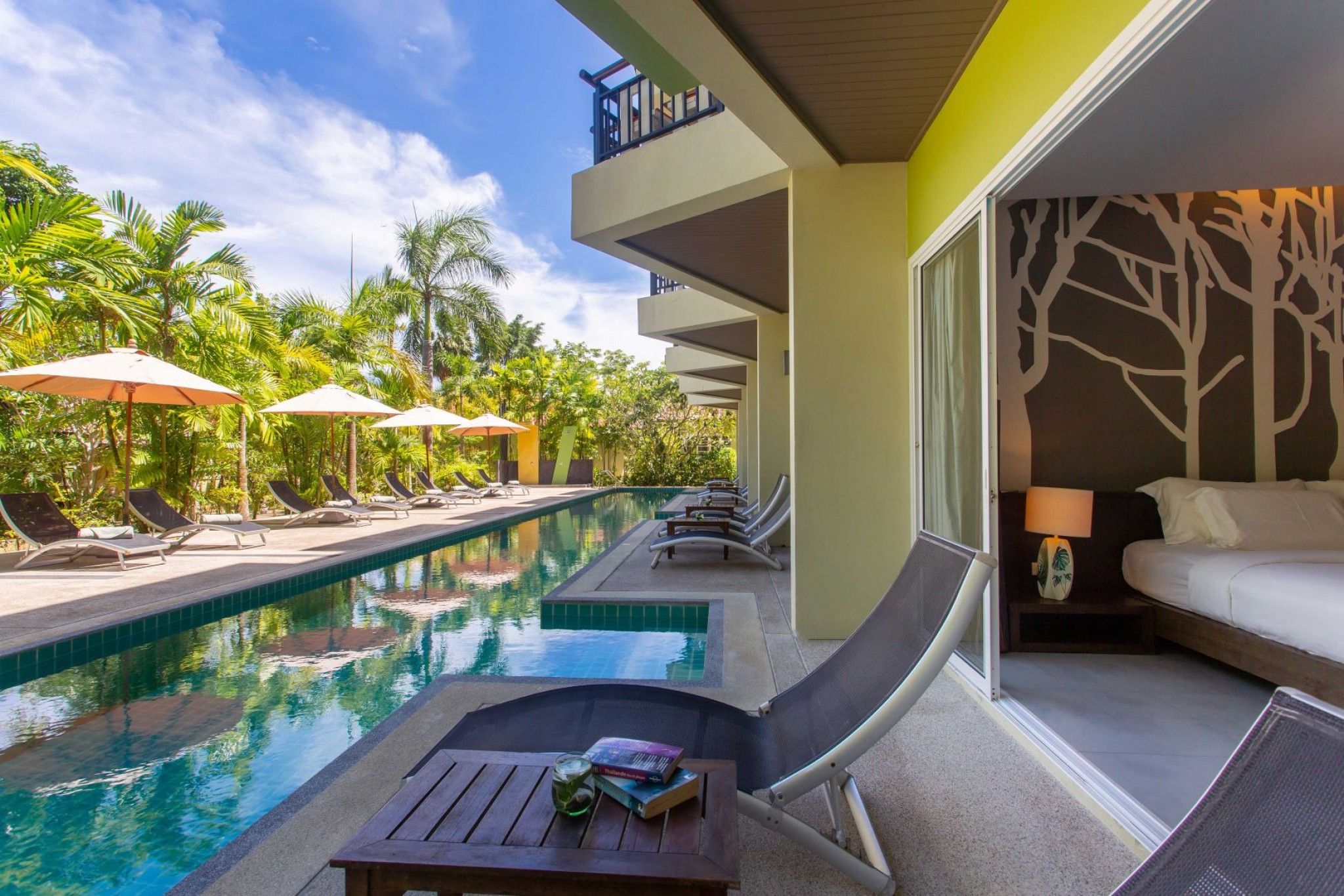
Koh Phangan (yes, the Full Moon Party island) has transformed its reputation. Away from Haad Rin, you'll find yoga retreats, boutique wellness resorts, and some of Thailand's most beautiful untouched beaches along the north coast. Koh Tao is strictly for divers or those who don't mind basic infrastructure — it's small, rugged, and unapologetically focused on underwater experiences.
The downside to the Gulf islands: they're harder to reach (flight to Samui or ferry from Surat Thani), and the weather pattern is inverse to the Andaman coast. Your Australian winter holiday (June-August) hits Samui's wet season, while November-February is ideal.
Krabi & Railay: Dramatic Scenery Without the Phuket Sprawl
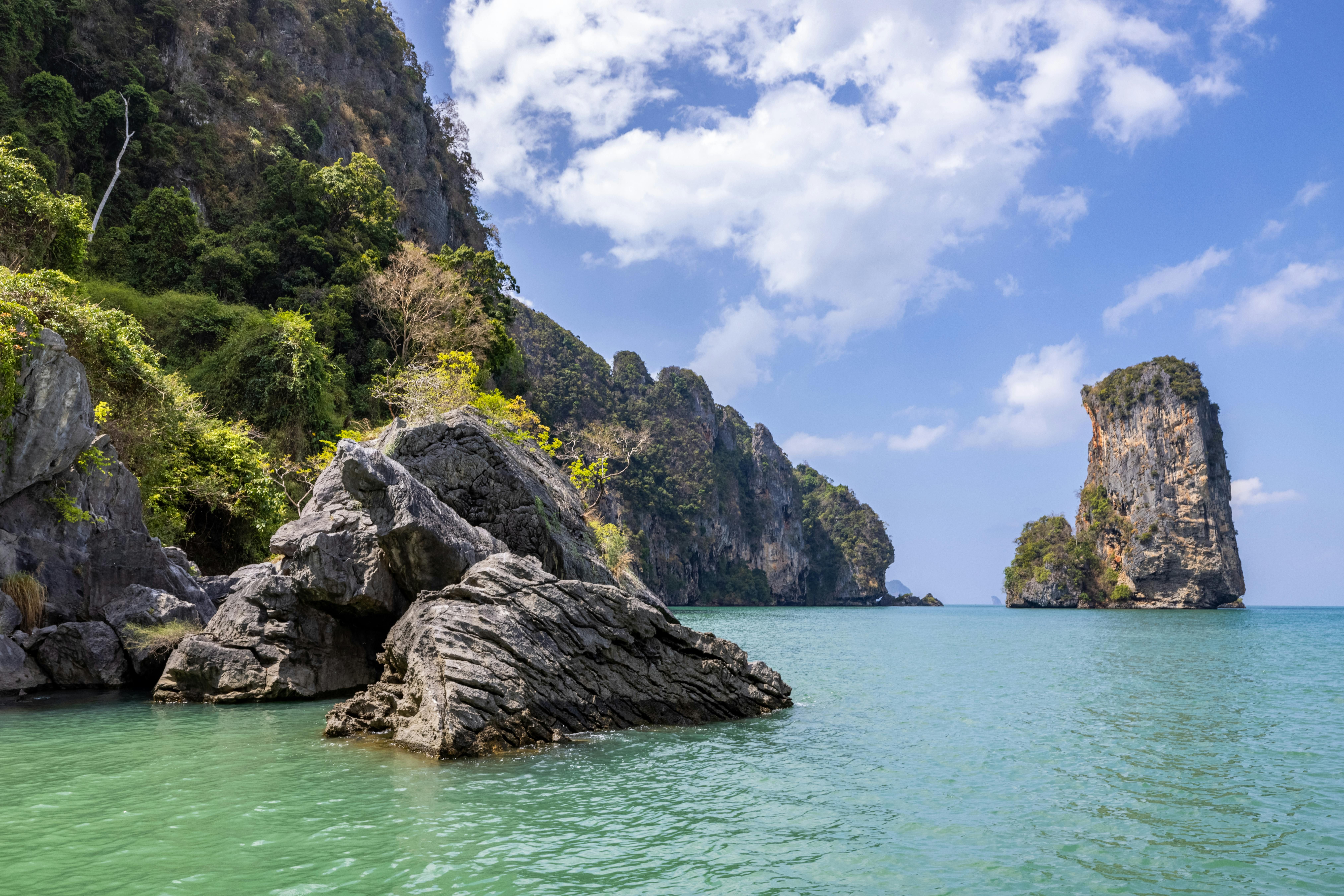
Krabi province delivers the iconic limestone karst scenery you've seen in every Thailand brochure, without Phuket's intensity. Ao Nang serves as the functional base — think mid-range hotels, tour operators, and decent restaurants, but it's not a destination beach in itself. The real magic is Railay Beach, accessible only by longtail boat, where rock climbing, kayaking, and genuinely stunning beaches create an adventure-meets-relaxation vibe perfect for active couples.
Krabi suits travellers who want natural beauty and don't need nightlife or extensive shopping. Families with younger kids may find the boat transfers and limited beach infrastructure challenging. The area is also more spread out than Phuket — you're taking boats or long drives between beaches rather than quick taxi rides.
Bangkok: The City Extension (And It's Worth It)
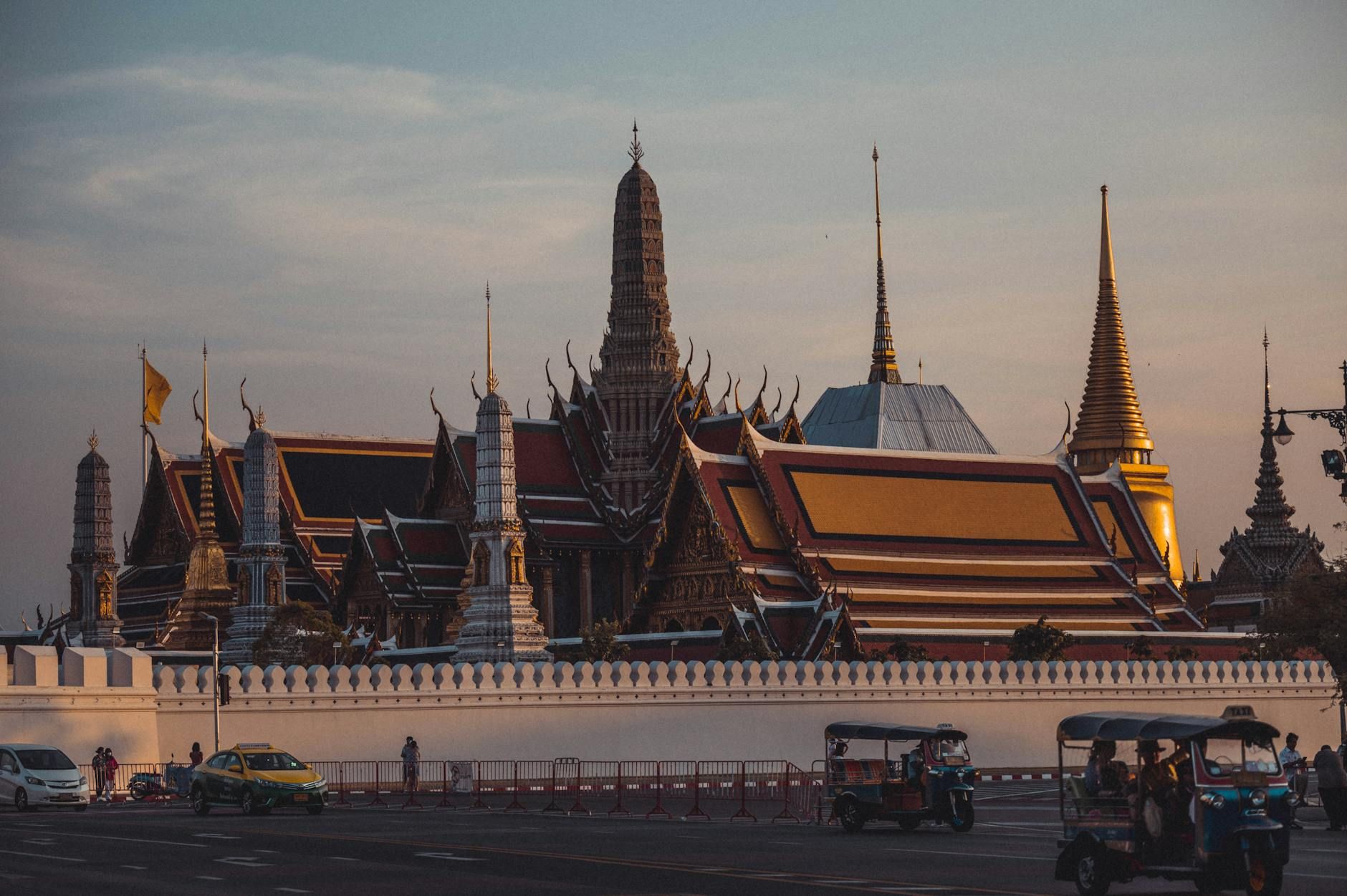
Most Australians treat Bangkok as a transit point, which is a mistake. Even 2-3 nights before or after your beach stay adds enormous value — the food scene alone (from $2 street pad thai to Michelin-starred fine dining) justifies the detour, and cultural sites like the Grand Palace or Wat Pho temple deliver the "this is actually Thailand" moments that beach resorts can't.
Bangkok works best as a bookend, not a standalone holiday destination for most Australian couples. The heat, traffic, and intensity can feel overwhelming as your entire week, but it's energising in small doses. Families with kids under 10 may find it harder work than it's worth — there's limited green space and the footpaths aren't pram-friendly.
Chiang Mai & Northern Thailand: For Return Visitors
Once you've done the beaches, northern Thailand offers a completely different perspective — cooler temperatures (November-February), hill tribe culture, cooking classes, elephant sanctuaries (ethical ones exist, though research carefully), and temple-hopping through 800-year-old Lanna history.
This is firmly second or third-trip territory for most Australians. The north requires more independent navigation, modest accommodation standards outside luxury properties, and acceptance that you're here for culture and food rather than cocktails by a pool. But for couples seeking something beyond beach resorts, or families with older kids interested in hands-on cultural experiences, Chiang Mai delivers outstanding value and authenticity.
Emerging Areas: Khao Lak, Koh Lanta, Koh Kood
If you've done Phuket twice and want to feel like you've discovered something new, these three offer varying degrees of "off the beaten path." Khao Lak (north of Phuket) attracts an older, quieter crowd with long stretches of beach and diving access to the Similan Islands. Koh Lanta in Krabi province has a bohemian, family-friendly vibe with excellent mid-range resorts. Koh Kood, near the Cambodian border, remains genuinely quiet but requires more complex transfers.
The trade-off is always the same: fewer tourists means fewer restaurant choices, longer travel times, and less flexibility if weather turns. These areas suit travellers who prioritise peace over convenience and don't need multiple dining options each night.
What Australian Travellers Need to Know Before Booking Thailand
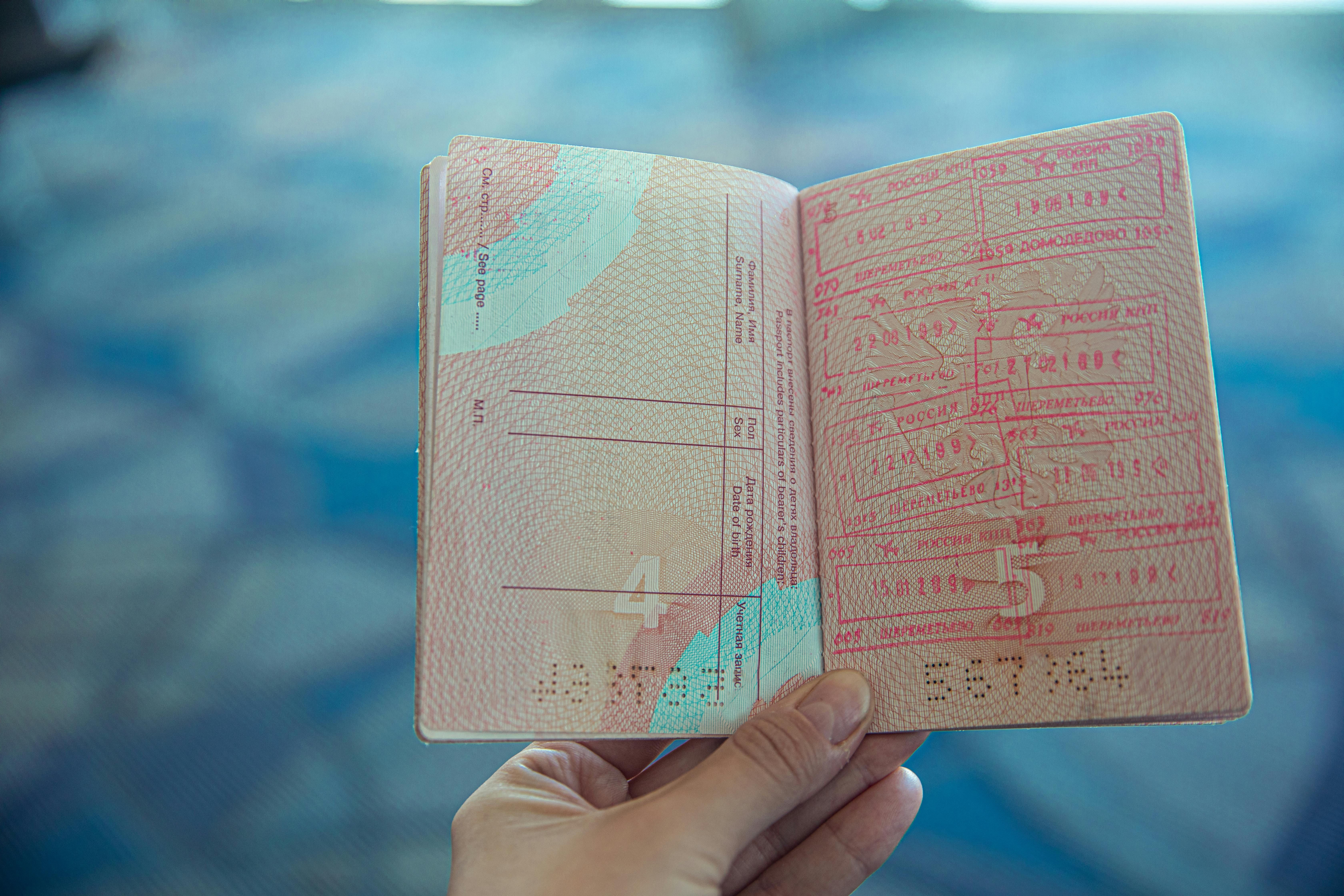
Thailand makes it refreshingly easy for Australians to visit. You'll get a 30-day visa exemption stamp on arrival at no cost — just rock up with your passport (valid for at least six months), your return ticket details, and you're in. Planning to stay longer? You can extend once in-country for an additional 30 days at immigration offices for around 1,900 baht (~$80 AUD), or apply for a 60-day tourist visa before you leave Australia if you're doing an extended trip. Most couples we work with find the standard 30 days plenty for a first visit.
Travel insurance is non-negotiable, and it's worth reading the fine print. Standard policies cover medical emergencies and trip cancellations, but check what's excluded — many don't cover scooter accidents unless you hold a valid motorcycle licence back home (and yes, Thai police do check). We've seen too many Aussies caught out thinking their comprehensive car insurance covers a hire scooter in Phuket. It doesn't. Budget around $80-150 AUD for a fortnight's comprehensive cover for a couple.
Health-wise, you don't need vaccinations to enter Thailand, but doctors recommend being up to date on routine shots plus Hepatitis A and Typhoid if you're venturing beyond the main tourist areas. Dengue fever exists year-round, so pack decent insect repellent with DEET. Tap water isn't drinkable — stick to bottled water, which costs next to nothing. Most resorts provide complimentary bottles daily.
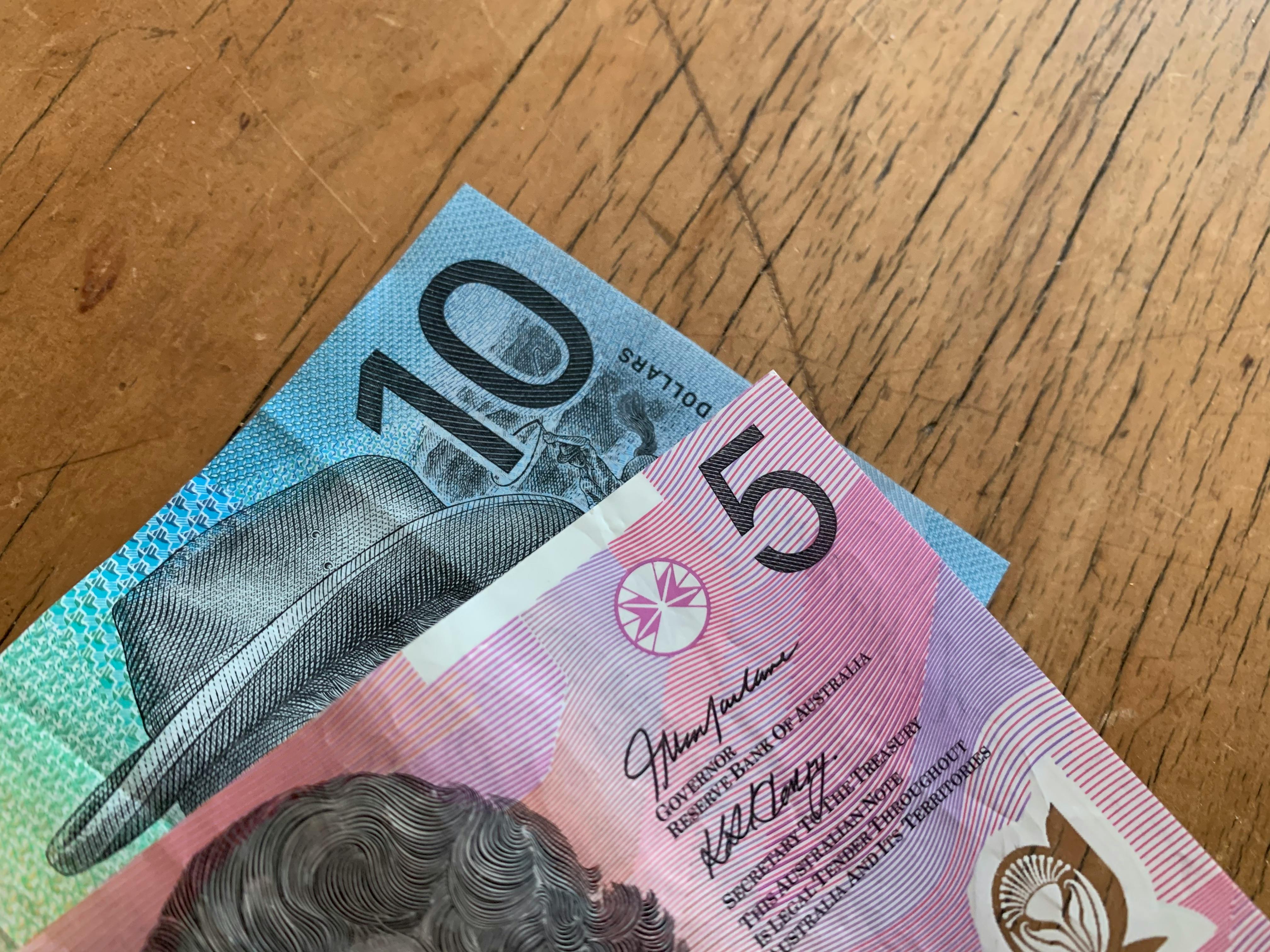
Currency planning is straightforward: withdraw Thai baht from ATMs as needed (your Aussie card works fine), but notify your bank before travelling to avoid blocks. ATM fees run about 220 baht (~$9 AUD) per withdrawal, so take out larger amounts to minimise fees. Most resorts, restaurants, and tours accept cards, but street food vendors and tuk-tuks are cash-only. As a rough budget, couples spend $80-120 AUD daily beyond accommodation — that's meals at mid-range restaurants, a few activities, and transport.
Culturally, Aussies generally adapt easily, but a few things trip people up: remove shoes before entering temples and homes, dress modestly at religious sites (covered shoulders and knees), and never touch anyone's head or point your feet at people or Buddha images. The Thai smile goes a long way — locals appreciate friendliness but find loud, brash behaviour off-putting. A simple "sawasdee krap/ka" (hello) earns genuine warmth.
For staying connected, buy a local SIM at the airport (around 300-500 baht for 15GB). AIS and DTAC offer excellent 4G coverage even in islands like Koh Samui. It's cheaper and more reliable than Aussie roaming packages, plus you'll have data for maps and booking Grab rides (Thailand's Uber equivalent). Most resorts offer free WiFi, though speeds vary wildly once you're outside major centres.
How to Maximise Your Thailand Holiday Value as an Australian
The exchange rate between the Aussie dollar and Thai baht can make or break your holiday budget — and timing matters. When the AUD is trading around 23-25 baht (historically decent), your money stretches beautifully. Below that, you'll need to be more strategic. Check the rate before locking in accommodation, as a strong dollar can effectively discount your entire trip by 10-15%.

Book accommodation 3-6 months ahead for the best balance of selection and pricing. Last-minute deals exist, but you're gambling on availability during peak Australian school holidays (July, September, December-January). Booking early with Via's deposit model — from as little as $100 AUD — lets you secure properties at today's rates even if the dollar weakens later. You'll pay the balance 60 days before arrival, giving you time to spread the cost across pay cycles.
Shoulder seasons are golden: Late April to early June, and September to October offer 20-30% lower accommodation rates, fewer crowds, and perfectly decent weather (yes, it might rain for an hour in the afternoon — you'll survive). Your accommodation budget goes further, which means you can upgrade from a garden view to beachfront, or add an extra night.
Split your budget roughly 60% accommodation, 40% activities and dining. If you're spending $3,500 AUD per person for a week, allocate around $2,100 for accommodation and $1,400 for everything else. This gives you 4-5 star properties plus proper experiences — cooking classes, island tours, decent dinners — without the daily mental maths of "can we afford this?"

Daily spending in AUD: Budget $80-120 per person for meals and activities if you're mixing street food with nice dinners, or $150-200 if you want full resort dining and premium tours. Massages cost $15-30, cocktails $8-12, street pad thai $3-4. ATMs offer better rates than airport exchanges — withdraw larger amounts to minimise the $5-8 AUD fee per transaction.
Use your points for flights, not accommodation. Qantas and Velocity points are brilliant for Bangkok or Phuket redemptions, especially in business class. This frees up cash for better accommodation — where you'll actually spend your time — rather than locking into a flight-hotel package that limits your choices and often features ordinary properties.
How Booking Works
Via Resorts operates on a simple "hold today, travel later" model. You can secure your Thailand accommodation with a deposit from as little as $100 AUD, then pay the balance closer to departure — handy when you're planning months ahead but don't want to commit the full amount immediately.
Because we're accommodation-only, you'll book your flights separately. For most Aussies, this is actually preferable: you can use frequent flyer points, hunt for flight sales, or choose your preferred airline and routing without being locked into a package. It's the flexibility that makes multi-destination trips (say, Bangkok and Phuket) much easier to coordinate.
Once you've chosen your resort, the booking process is straightforward through the website, with Australian support available if you need help comparing properties or understanding what's included. Payment is secure, and you'll receive confirmation and property details immediately.
Why Book Your Thailand Holiday with Via Resorts
We're Australian-owned and built specifically for how Aussies actually travel to Thailand — book your accommodation now, sort flights separately using your points or preferred airline.
Our direct relationships with resorts across Phuket, Krabi, Koh Samui and beyond mean you're getting genuine value, not marked-up packages. We've negotiated rates you won't find on the big booking platforms, and our team has personally inspected every property we sell.
Secure your preferred resort from just $100 AUD deposit, with full flexibility to adjust dates as your plans firm up. Our Melbourne-based team handles your booking, while our Thailand support team is there if you need anything on the ground. It's the best of both worlds — local Aussie service with real in-region expertise when it matters.
FAQ
Do I need a visa to visit Thailand from Australia?
Australian passport holders receive a 60-day visa exemption on arrival (extended from 30 days in 2024). You'll need six months validity on your passport from your entry date. If you're planning to stay longer, you can extend for an additional 30 days at Thai immigration offices for 1,900 baht, or apply for a tourist visa before departure for up to 90 days.
What's the best time to visit Thailand?
November to February offers the most pleasant weather across the country — warm days, cool evenings, and minimal rainfall. March to May gets very hot (often 35°C+), while June to October is monsoon season with afternoon downpours (though Koh Samui's peak is actually November to January). That said, shoulder season often means better deals and fewer crowds, particularly May and September.
How does Via Resorts' deposit system work?
You can secure your accommodation with a deposit from as little as $100 AUD, then pay the balance closer to travel. This "hold today, travel later" approach gives you flexibility to lock in rates without paying everything upfront — particularly useful when you're booking flights separately and want to coordinate timing.
Is Thailand suitable for families with kids?
Absolutely. Thailand is one of Asia's most family-friendly destinations. Resorts typically offer kids' clubs, family pools, and connecting rooms. Thai people are genuinely welcoming to children. That said, some boutique properties are adult-focused, so check the resort vibe before booking. Phuket and Khao Lak tend to be the most family-oriented beach destinations.
How much spending money should I budget per day?
Beyond your accommodation, budget AU$80–150 per person daily for meals, activities, and transport. Street food meals cost $3–8, mid-range restaurants $15–30 per person, while resort dining runs $40–80. Day trips and activities range from $30 (temple visits) to $150+ (diving, island tours). Thailand remains excellent value compared to Australian prices.
Do I need travel insurance for Thailand?
Yes, strongly recommended. Medical care in Thailand is excellent but expensive without insurance — a broken bone can cost thousands. Most Australian travel insurance policies cover Thailand, but check exclusions around motorbike riding (a common cause of claims). Ensure your policy covers medical evacuation and that your accommodation booking is protected.
Next Steps
Ready to start planning your Thailand holiday? Browse Via Resorts' handpicked accommodation across Phuket, Krabi, Koh Samui and beyond — all carefully selected for Australian travellers who want boutique quality without the boutique price tag. Book with a deposit from as little as $100 AUD, sort your flights separately when you're ready, and you're sorted.