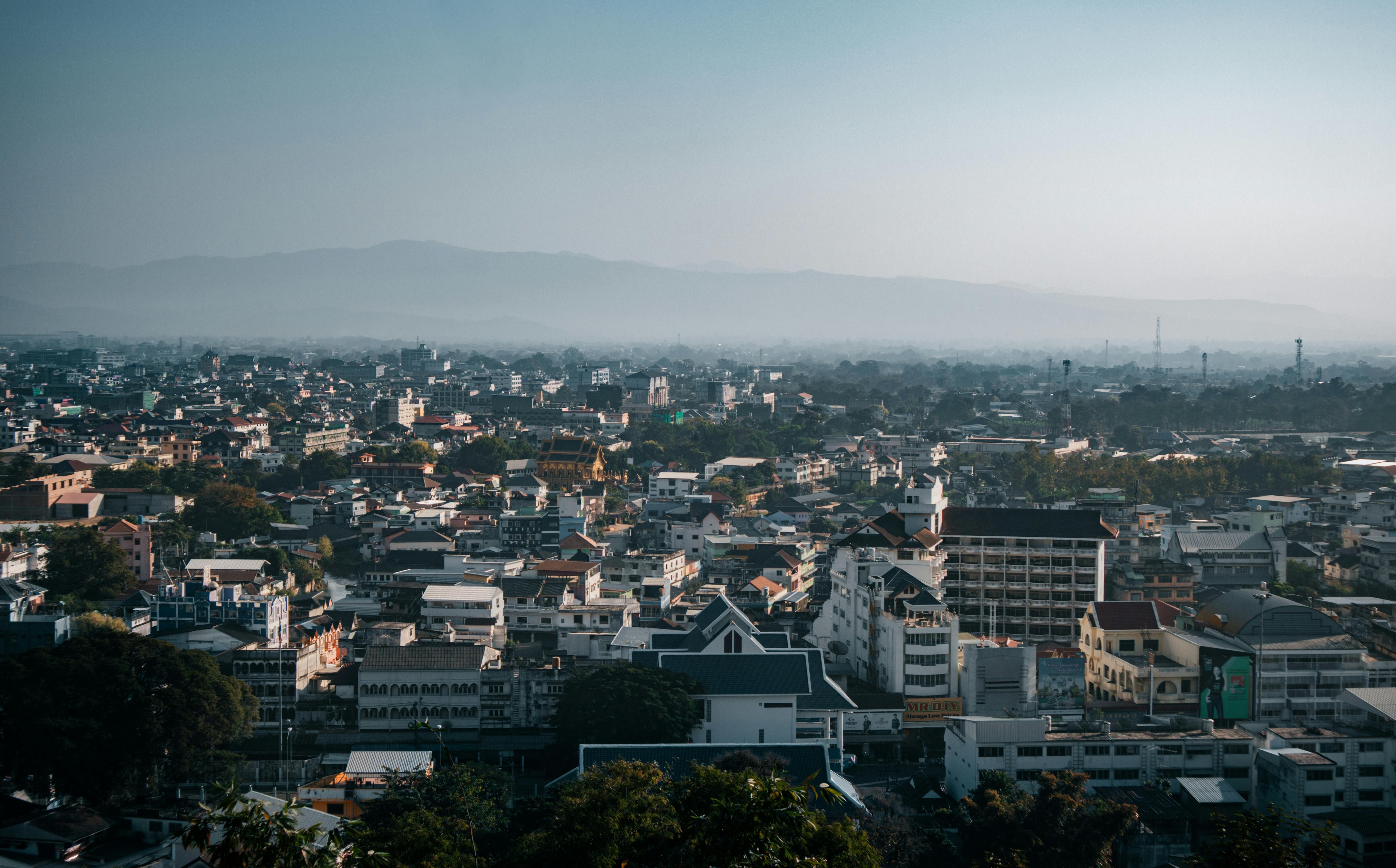
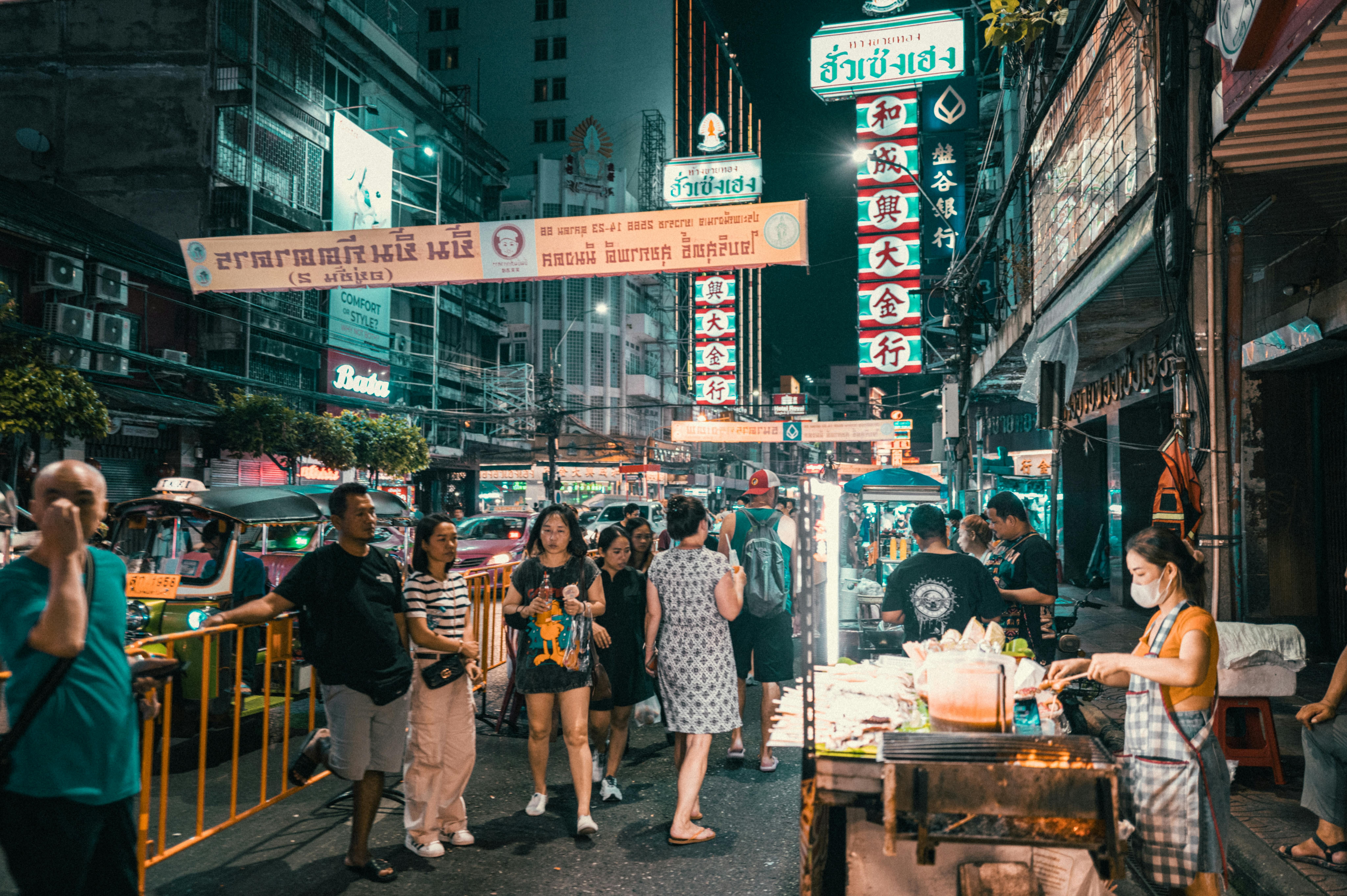
Chiang Mai has quietly become one of the smartest choices for Aussies chasing something beyond the usual Thai beach circuit. It's cooler up here in the northern mountains — literally and figuratively — with ancient temples tucked between third-wave coffee shops, night markets that actually feel authentic, and accommodation that punches well above its price point. Whether you're a couple plotting a cultural escape or parents wanting to show the kids something beyond resort pools, this guide cuts through the noise to help you plan a trip that feels both exotic and refreshingly easy from Australia.
| Reading time: 12 mins | Written by Via Resorts Team
- Planning Your Chiang Mai Trip from Australia
- Where to Stay in Chiang Mai: Neighbourhood Guide for Australians
- What to Do in Chiang Mai: Must-See Attractions and Experiences
- Temples Worth Your Time (and One That Isn't)
- Cooking Classes (The Good Kind)
- Ethical Elephant Experiences
- Practical Information for Australians Visiting Chiang Mai
- How Booking Works
- Why Book Your Chiang Mai Accommodation with Via Resorts
- FAQ
- How much should I budget per day in Chiang Mai?
- Is Chiang Mai good for families with kids?
- What's the best time to visit Chiang Mai from Australia?
- Do I need a visa to visit Chiang Mai?
- How does Via Resorts' deposit system work?
- Is Chiang Mai safe for Australian travellers?
- Next Steps
Planning Your Chiang Mai Trip from Australia
Getting to Chiang Mai from Australia is refreshingly straightforward, though you'll need to factor in a stopover. Most Aussies fly into Bangkok first (from Sydney, Melbourne, Brisbane, or Perth), then catch a quick one-hour domestic flight up to Chiang Mai. Some travellers prefer the overnight train from Bangkok — it's slower but surprisingly comfortable if you book a sleeper berth, and you'll wake up in the mountains. Since Via Resorts focuses purely on accommodation, you'll book your flights separately, which actually works in your favour. You can use frequent flyer points, hunt for sale fares, or split your journey with a Bangkok stopover if you fancy a few nights in the capital first.
The visa situation couldn't be easier for Australian passport holders. You'll receive a 60-day visa exemption stamp on arrival — no pre-approval needed, completely free. Just rock up with your passport (valid for at least six months), and you're sorted. If you're planning a longer adventure, you can extend for another 30 days at Chiang Mai's immigration office for 1,900 baht, or do a quick visa run to the border. Most couples spend 5-7 nights in Chiang Mai itself, often as part of a longer Thailand trip that might include Bangkok, the islands, or both.
Timing-wise, the cool season (November to February) is absolute perfection — clear skies, 25-degree days, and pleasant evenings. It's also peak season, so book your accommodation well in advance. March to May brings intense heat (we're talking 40°C some days), but accommodation rates drop significantly. The wet season (June to October) means afternoon showers, but mornings are often glorious, crowds thin out, and the countryside turns impossibly green. If you're working around Australian school holidays, just expect higher prices and busier temples during July and December/January. The shoulder months of late October or early November offer the sweet spot — decent weather before the peak-season rush begins.
Where to Stay in Chiang Mai: Neighbourhood Guide for Australians
Chiang Mai's accommodation spreads across distinct neighbourhoods, each with its own character and trade-offs. Unlike Bangkok's sprawl, distances here are manageable — but choosing the right base still makes a significant difference to your experience. Here's what actually matters for Australian travellers.
Old City: Temple-Hopping Convenience
The walled square of the Old City puts you within walking distance of dozens of temples, cafés, and the Sunday Walking Street market. It's compact (1.5km²), flat, and easy to navigate on foot. Perfect for couples who want to wander out for morning coffee and stumble across a 700-year-old temple before breakfast.
The trade-off? It's touristy. You'll share the streets with tour groups, and restaurant prices skew slightly higher than outside the walls. But for a first visit or shorter stays (3-5 nights), the convenience outweighs this. Safety is excellent — locals joke that the biggest danger is getting hit by a monk on a scooter.
Nimman (Nimmanhaemin): Chiang Mai's Trendy Quarter
Northwest of the Old City, Nimman feels like Melbourne's laneways transplanted to Thailand. Specialty coffee roasters, boutique hotels, Korean BBQ, rooftop bars, and Instagram-worthy dessert cafés dominate the scene. It's where young Thai professionals and digital nomads congregate.
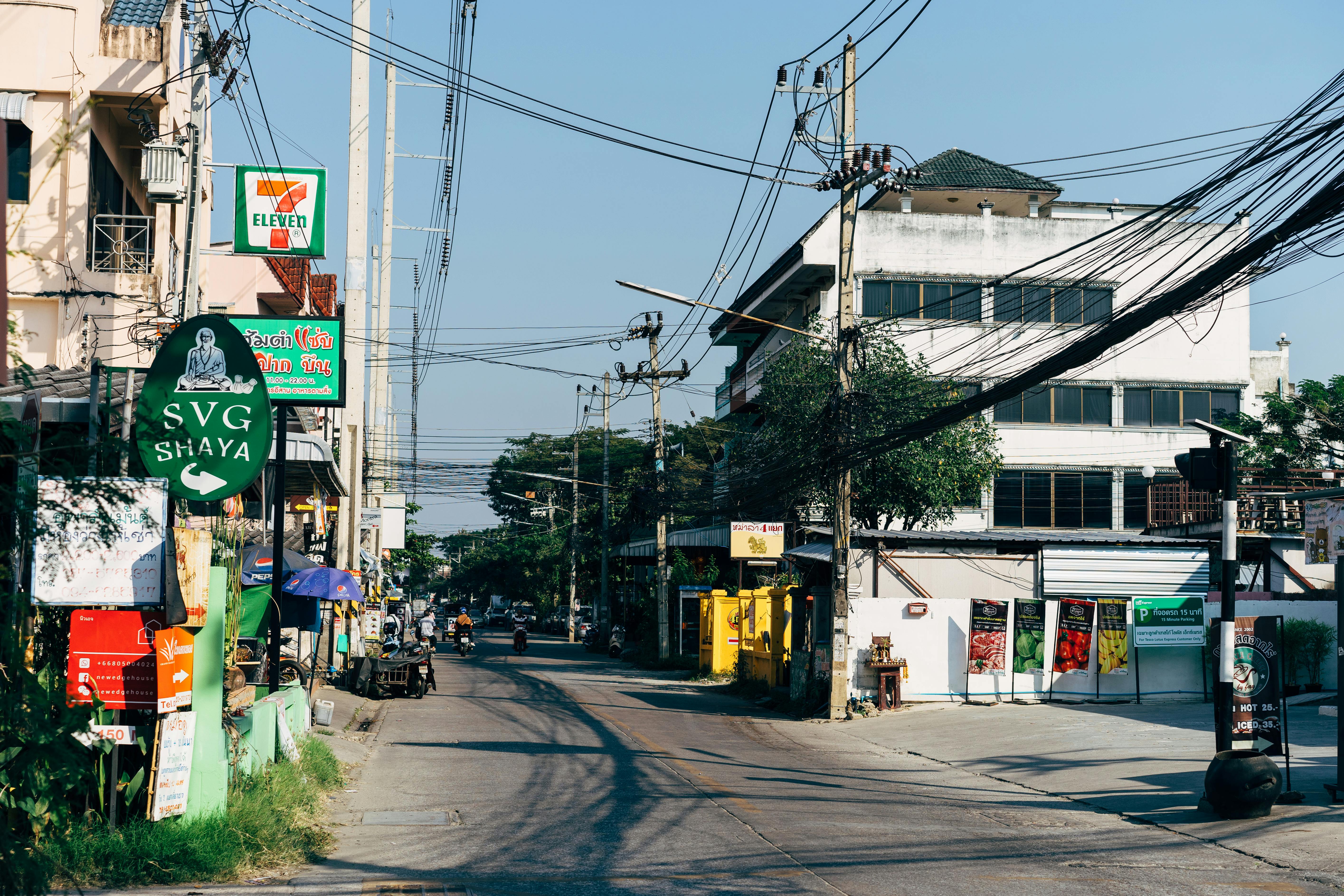
This area suits couples who prioritise style over temples, and families with older kids who want variety beyond Thai food. Walkability is good along the main Nimmanhaemin Road and its numbered sois (laneways), though you'll want Grab for Old City temple runs (10 minutes, ~100 baht). Accommodation tends towards modern 4-star properties rather than traditional Thai guesthouses.
Riverside: Peaceful Alternative
The Ping River area offers quieter, more spacious properties — often with pools and garden settings. You're trading central location for a calmer vibe and better value. It's a 10-15 minute taxi to the Old City, which matters more for families with younger children who can't walk all day.
Saturday Night Market happens here, and the riverside restaurants are lovely for sunset drinks. Just know you'll rely on transport rather than wandering everywhere on foot.
What to Do in Chiang Mai: Must-See Attractions and Experiences
Chiang Mai's appeal lies in its balance — you can spend mornings exploring ancient temples, afternoons learning to make pad thai, and evenings wandering night markets without ever feeling rushed. Most Australian visitors find 4-5 days gives you enough time to see the highlights without temple fatigue setting in.
Temples Worth Your Time (and One That Isn't)
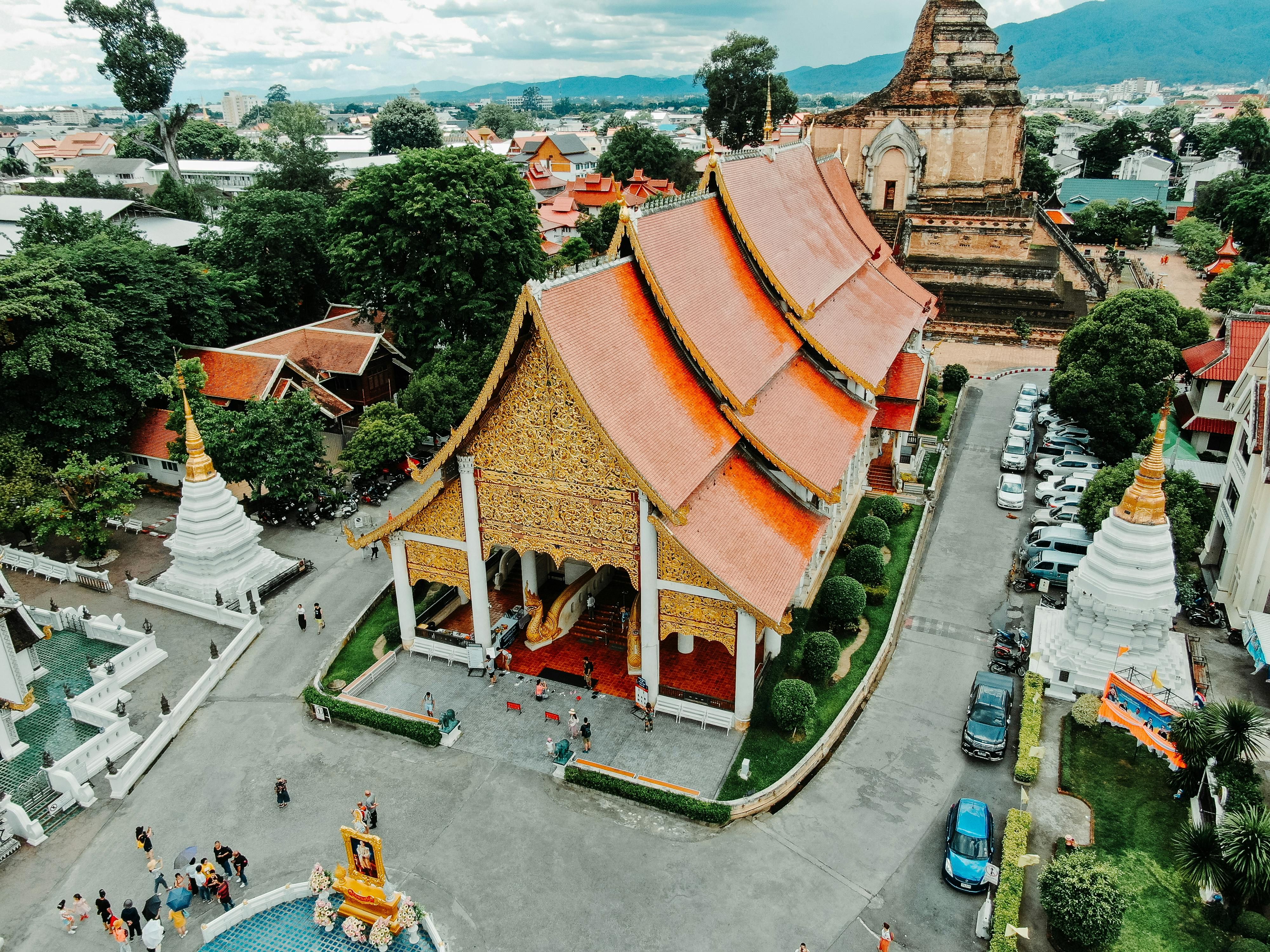
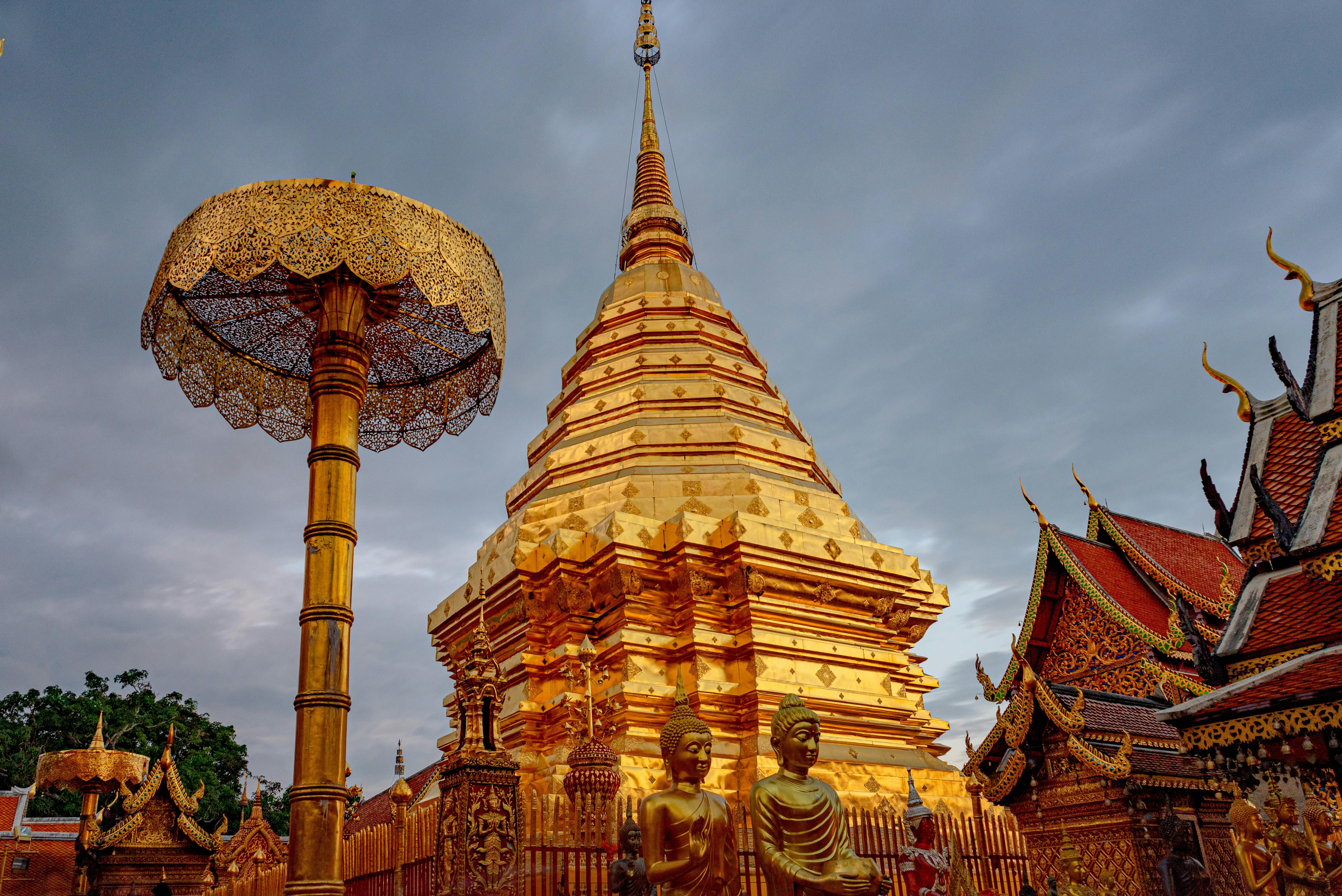
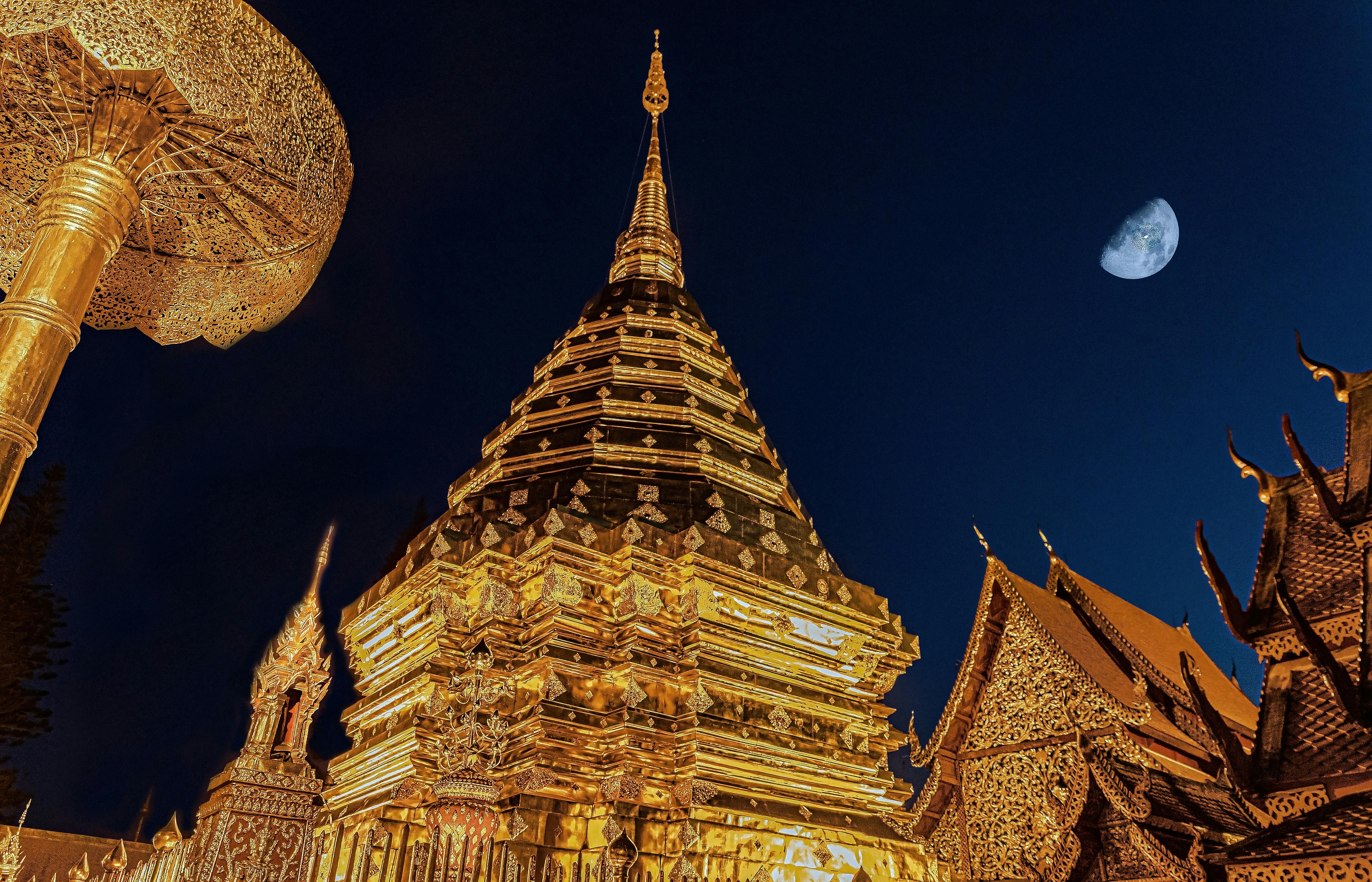
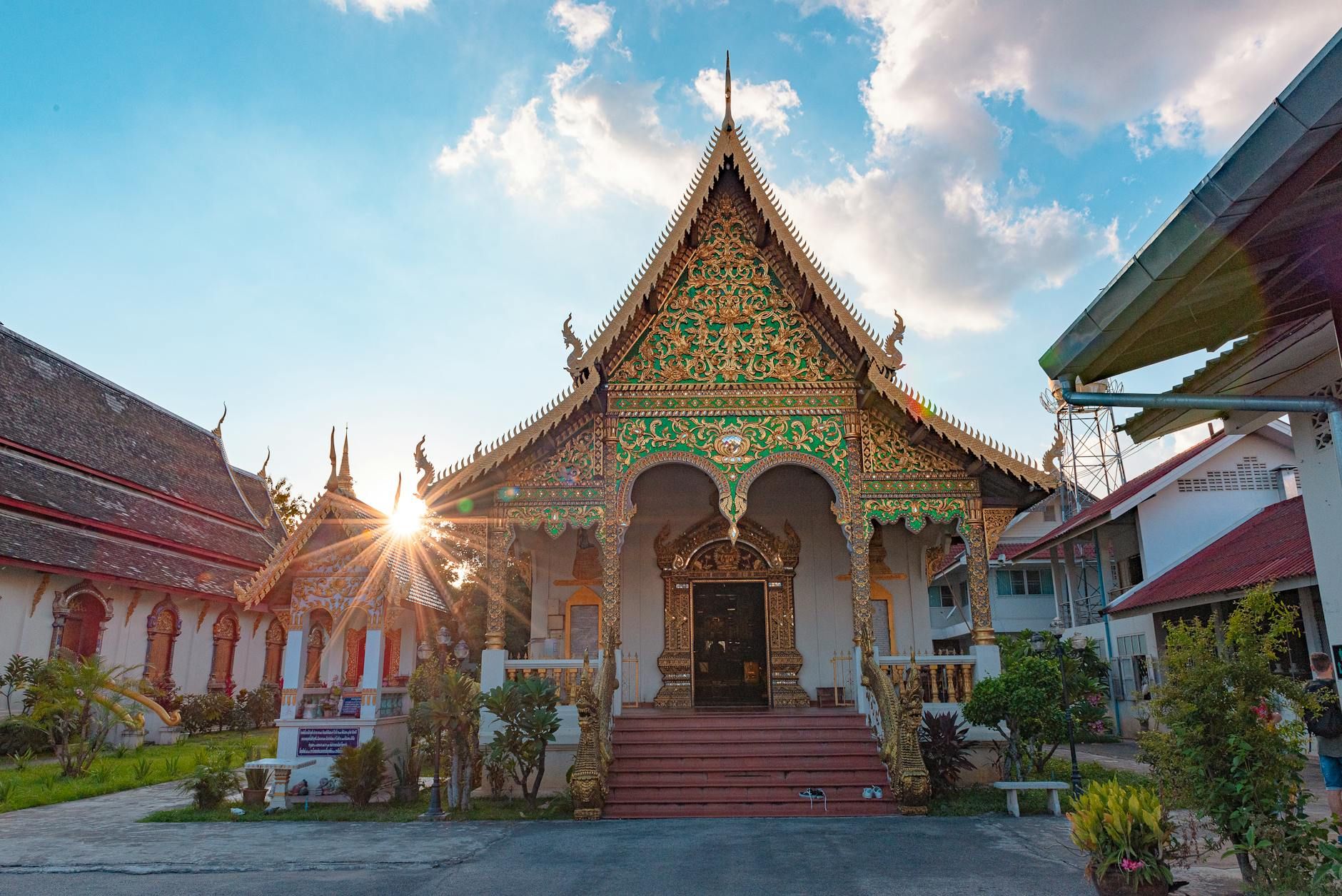
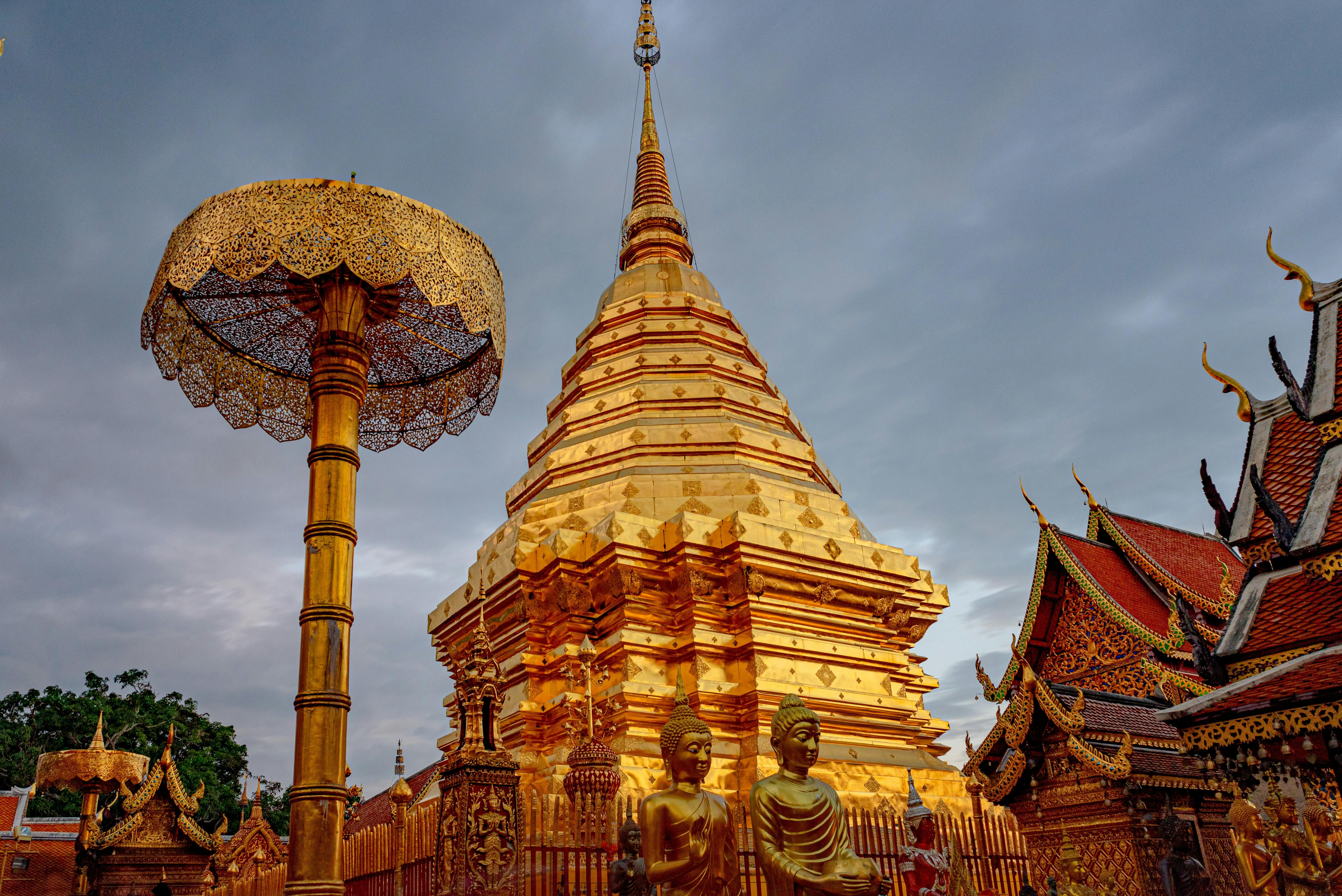
Wat Phra That Doi Suthep is the non-negotiable temple visit — it's 15km up the mountain with genuinely stunning views over the city. Go early (before 9am) to beat the tour groups and the heat. The 309-step naga staircase is impressive, or pay 50 baht (~$2 AUD) for the funicular if you'd rather save your knees. In the Old City, Wat Chedi Luang has a massive ruined chedi that's more atmospheric than Doi Suthep's crowds, while Wat Phra Singh showcases classic Lanna architecture. Skip Wat Chiang Man unless you're a temple completist — it's pleasant but forgettable after you've seen the others.
Cooking Classes (The Good Kind)
Thai cooking classes in Chiang Mai are genuinely worthwhile, not just tourist box-ticking. Most include market visits, teach you 5-6 dishes, and let you eat everything you make. Expect to pay 1,000-1,500 baht (~$45-68 AUD) for half-day classes. Look for small group options (8 people or fewer) — the Mae Rim area has several excellent schools in garden settings. You'll actually use these skills back home, especially the curry pastes and pad thai techniques.

Ethical Elephant Experiences
This matters: genuine sanctuaries don't offer riding, bathing shows, or circus tricks. Elephant Nature Park (1.5 hours north) is the gold standard but books out weeks ahead at around 2,500 baht ($113 AUD) per person. Patara Elephant Farm offers closer interaction with health checks and walking (no riding) for about 5,800 baht ($262 AUD). Yes, it's expensive. Yes, it's worth doing properly or not at all. Book directly through sanctuary websites, not through your hotel.
Practical Information for Australians Visiting Chiang Mai
Your Australian dollar stretches beautifully in Chiang Mai — at time of writing, you'll get around 23-24 Thai Baht per AUD, making this one of Southeast Asia's better value destinations. ATMs are everywhere (7-Eleven on every second corner helps), though your Aussie bank will likely charge $5 per withdrawal plus the Thai bank's 220 baht fee. Withdraw larger amounts to minimise these hits, or consider opening a fee-free travel card before you leave.
Getting Around Like a Local
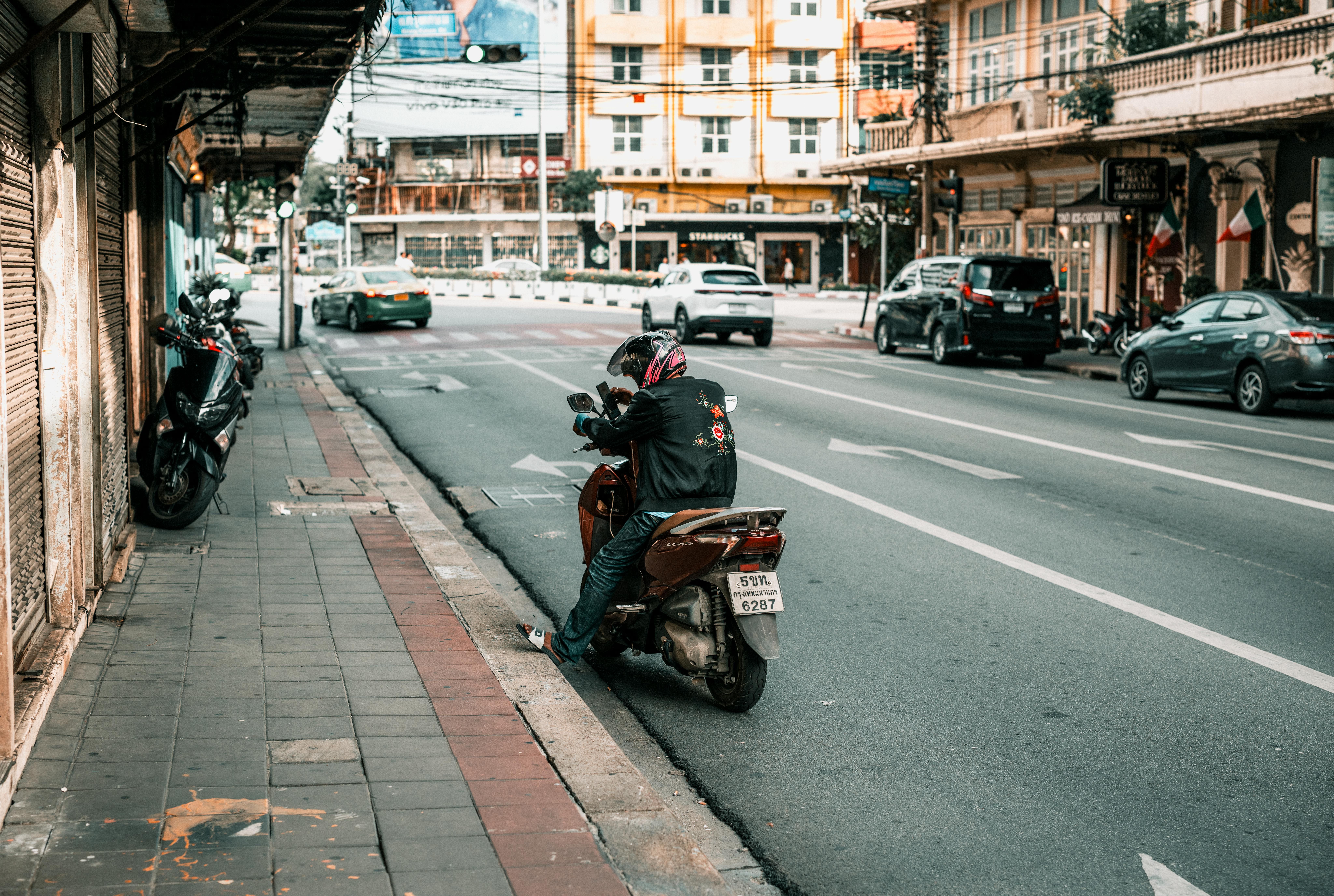
Grab works brilliantly here — it's cheaper and less stressful than negotiating with tuk-tuk drivers, though you'll pay a slight premium over local songthaews (shared red trucks). Songthaews cost 30-40 baht for standard routes if you flag them down, but explaining destinations can be tricky. Many Aussies rent scooters (150-250 baht/day), which is genuinely the best way to explore. Just know that Thai traffic drives on the left like home, but everything else is chaotic — wear a helmet, get proper insurance, and your Australian licence needs an International Driving Permit (get it from your local post office before departure, not in Thailand).
Food, Tipping, and Communication
Street food is generally safe if the stall's busy (high turnover = fresh ingredients), but your stomach might need a day or two to adjust. Tap water's a no-go — stick to bottled or filtered. Tipping isn't expected like in Australia, but 20-40 baht for good service or rounding up the bill is appreciated at sit-down restaurants.
English is widely spoken in tourist areas, though less so in local neighbourhoods. Google Translate's camera function is brilliant for menus. Learn a few Thai phrases ("sawatdee krap/ka" for hello goes a long way), and dress respectfully at temples — shoulders and knees covered, shoes off.
Staying Connected
Grab a Thai SIM at the airport (AIS or True Move, 299-599 baht for tourist packages with plenty of data) rather than copping Telstra's $10/day roaming charges. Your unlocked Aussie phone will work fine, and having local data makes navigation and Grab infinitely easier.
How Booking Works
Via Resorts operates on a "secure today, stay later" model that works particularly well for Chiang Mai holidays. You'll pay a deposit from as little as $100 AUD to lock in your accommodation, then settle the balance closer to your travel dates. This deposit system means you can plan ahead without committing your full budget upfront — helpful when you're coordinating leave, watching for flight sales, or simply wanting to lock in a property before availability tightens.
Since Via Resorts is accommodation-only, you'll book your flights separately. For most Australians, this is actually an advantage: you can use frequent flyer points, hunt for seat sales, or choose your preferred airline and routing through Bangkok or direct to Chiang Mai. It also means you're not locked into rigid package dates if your plans shift. Nightly rates are transparent and quoted in AUD, so you'll know exactly what you're paying without currency conversion surprises.
Why Book Your Chiang Mai Accommodation with Via Resorts
We're an Australian-founded accommodation specialist with direct relationships with properties across Chiang Mai — from boutique hotels in the Old City to luxury resorts in the mountains. Because we focus solely on accommodation (you book flights separately), you get transparent nightly rates in AUD and the flexibility to use your points or find your own flight deals.
Our "secure today, stay later" model means you can lock in your preferred property with a deposit from as little as $100 AUD, then pay the balance closer to travel. We've helped thousands of Australians discover Chiang Mai, with local support in Thailand and Australian-based assistance before you go.
Rated 4.5 stars by over 1,000 guests, we're travellers ourselves — which is why we'll give you honest advice about which neighbourhood suits your style and which properties deliver genuine value.
FAQ
How much should I budget per day in Chiang Mai?
Budget AUD $80–150 per person daily for meals, activities, and transport. Street food runs $3–8 per meal, mid-range restaurants $15–30. Temple entry is often free or under $2. Cooking classes and day trips cost $50–120. Accommodation is separate — Via Resorts properties start from around $150/night for couples, with deposits from $100 AUD to secure your booking.
Is Chiang Mai good for families with kids?
Absolutely. The city's relaxed pace, affordable activities, and welcoming locals make it ideal for families. Kids love the elephant sanctuaries (ethical ones only), zip-lining, and Thai cooking classes. Many restaurants have high chairs and kid menus. That said, footpaths can be uneven for prams, and the heat requires planning around nap times. Stick to morning activities and pool time in the afternoons.
What's the best time to visit Chiang Mai from Australia?
November to February offers cool, dry weather (15–28°C) — perfect for exploring temples and markets. This is peak season, so book accommodation early. March to May is scorching (up to 40°C) and hazy from agricultural burning. June to October brings monsoon rains, but they're usually short afternoon downpours. Shoulder months (late October, early November) offer fewer crowds and reasonable weather.
Do I need a visa to visit Chiang Mai?
Australians get 60 days visa-free on arrival for tourism (as of 2024). Just ensure your passport has six months validity. If you're planning a longer stay, you can extend for another 30 days at immigration for around 1,900 baht, or apply for a tourist visa before departure.
How does Via Resorts' deposit system work?
You can secure your Chiang Mai accommodation with a deposit from as little as $100 AUD, then pay the balance closer to travel. It's our "hold today, travel later" model — gives you flexibility to book flights when you find a good deal or use points. All pricing is in AUD with transparent nightly rates, and there's Australian support if you need help.
Is Chiang Mai safe for Australian travellers?
Very safe. Violent crime is rare, and locals are genuinely friendly. Common sense applies: watch your bag in crowded markets, use reputable tour operators, and avoid unlicensed taxis late at night. The biggest risks are actually traffic (hire a driver instead of riding a scooter if you're inexperienced) and the odd stomach bug from street food. Drink bottled water and you'll be fine.
Next Steps
Ready to start planning your Chiang Mai escape? Browse Via Resorts' hand-picked accommodation in Chiang Mai — from boutique hotels in the Old City to luxury resorts in the mountains. Book with a deposit from as little as $100 AUD, secure today, and travel later with confidence.
Activity
Temples Worth Your Time (and One That Isn't)
No images available
Wat Phra That Doi Suthep is the non-negotiable temple visit — it's 15km up the mountain with genuinely stunning views over the city. Go early (before 9am) to beat the tour groups and the heat. The 309-step naga staircase is impressive, or pay 50 baht (~$2 AUD) for the funicular if you'd rather save your knees. In the Old City, Wat Chedi Luang has a massive ruined chedi that's more atmospheric than Doi Suthep's crowds, while Wat Phra Singh showcases classic Lanna architecture. Ski
Crowd Level:Moderate
Activity
Ethical Elephant Experiences
No images available
This matters: genuine sanctuaries don't offer riding, bathing shows, or circus tricks. Elephant Nature Park (1.5 hours north) is the gold standard but books out weeks ahead at around 2,500 baht ($113 AUD) per person. Patara Elephant Farm offers closer interaction with health checks and walking (no riding) for about 5,800 baht ($262 AUD). Yes, it's expensive. Yes, it's worth doing properly or not at all. Book directly through sanctuary websites, not through your hotel. Your Australian
Crowd Level:Moderate
Shopping
Cooking Classes (The Good Kind)
No images available
Thai cooking classes in Chiang Mai are genuinely worthwhile, not just tourist box-ticking. Most include market visits, teach you 5-6 dishes, and let you eat everything you make. Expect to pay 1,000-1,500 baht (~$45-68 AUD) for half-day classes. Look for small group options (8 people or fewer) — the Mae Rim area has several excellent schools in garden settings. You'll actually use these skills back home, especially the curry pastes and pad thai techniques.
Crowd Level:Busy
You might also like
Frequently Asked Questions
How many days do I need in Chiang Mai?
Most travellers find 5–7 days ideal for Chiang Mai, allowing enough time to see major highlights without rushing. For a more relaxed pace or to combine with other areas, 10–14 days works well.
What is the best way to get around Chiang Mai?
Options include private car with driver (most comfortable), ride-hailing apps like Grab (convenient and affordable), and local transport. For short distances, walking is often the best way to discover hidden gems.
Can I customise this itinerary?
Absolutely. This itinerary is a framework — swap activities based on your interests, pace, and travel style. The key is balancing must-see highlights with downtime, especially in hot climates.
What is the best time of year for this trip?
The dry season offers the most reliable weather, but shoulder months can provide better value with fewer crowds. Avoid major local holiday periods if you prefer a quieter experience.
How much should I budget for this trip?
A mid-range budget for Australian travellers is roughly $100–200 AUD per person per day, including accommodation, meals, transport, and activities. Flights from Australia are additional and vary by season.