A Complete Travel Guide for Your Luxurious Holiday in Mexico
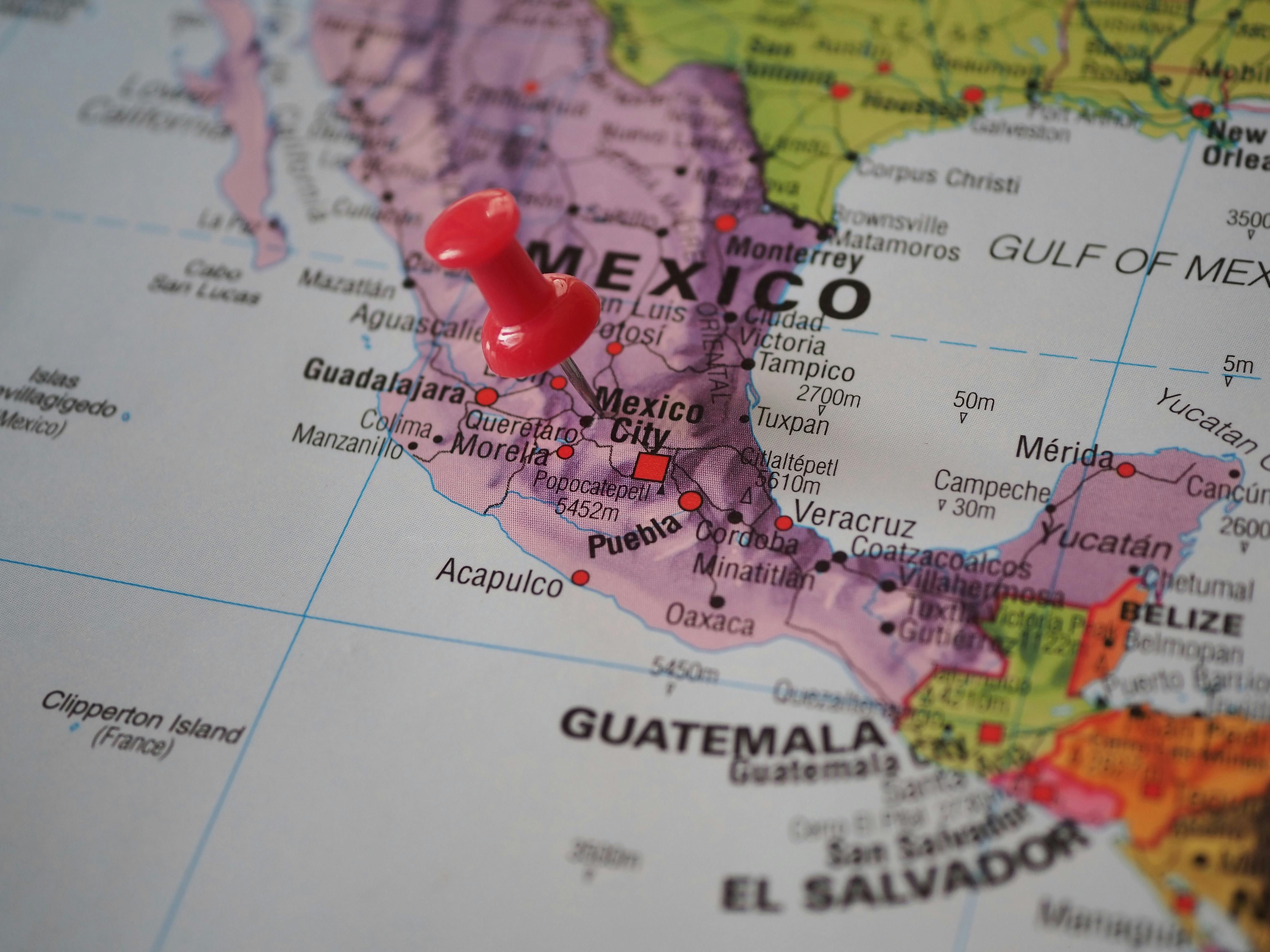
For those planning a holiday in Mexico, this diverse nation offers a wide range of experiences. You can explore ancient sites like Chichen Itza and Teotihuacan, enjoy the bustling atmosphere of Mexico City, relax on the beaches of Playa del Carmen, and wander through the charming streets of Oaxaca.
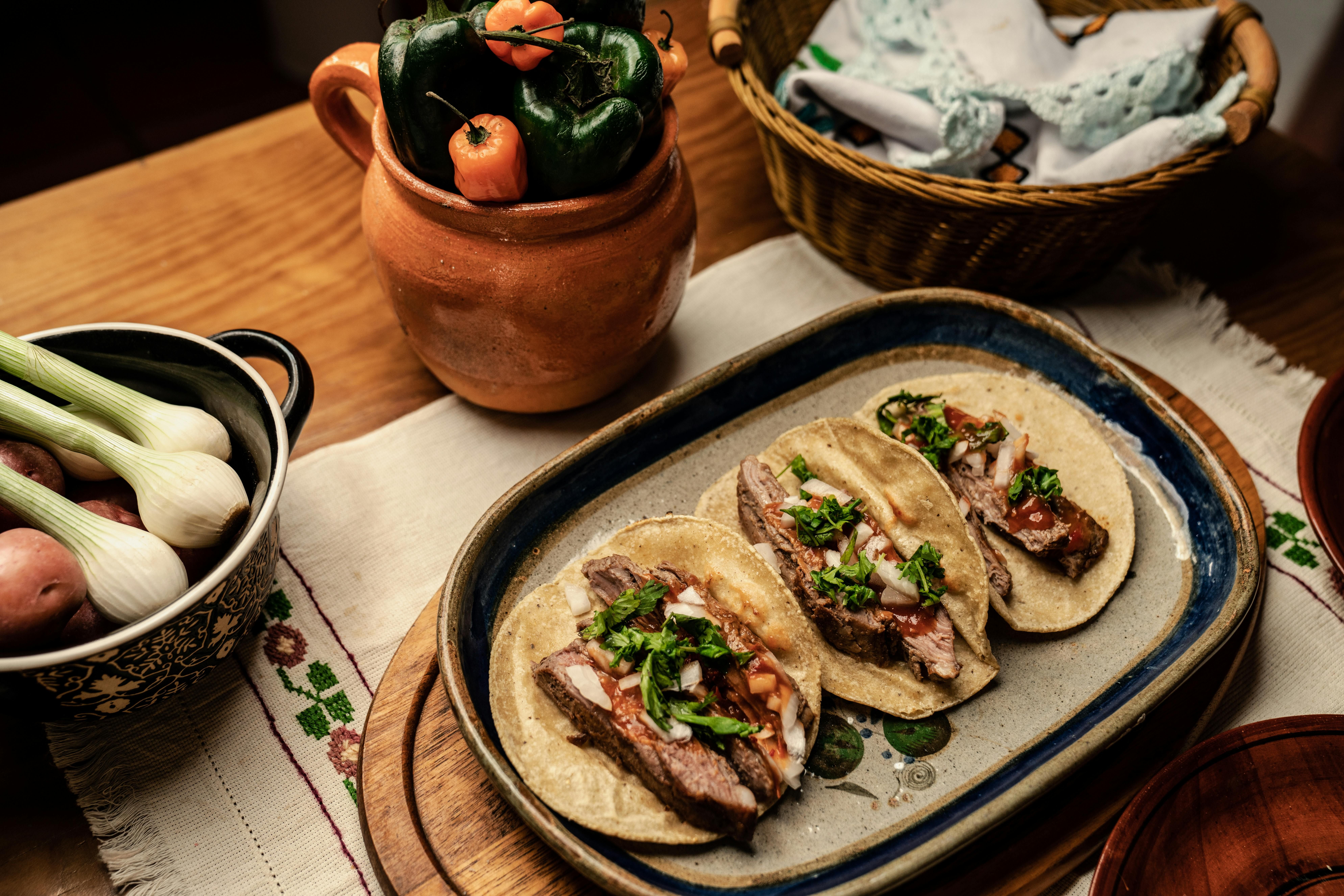
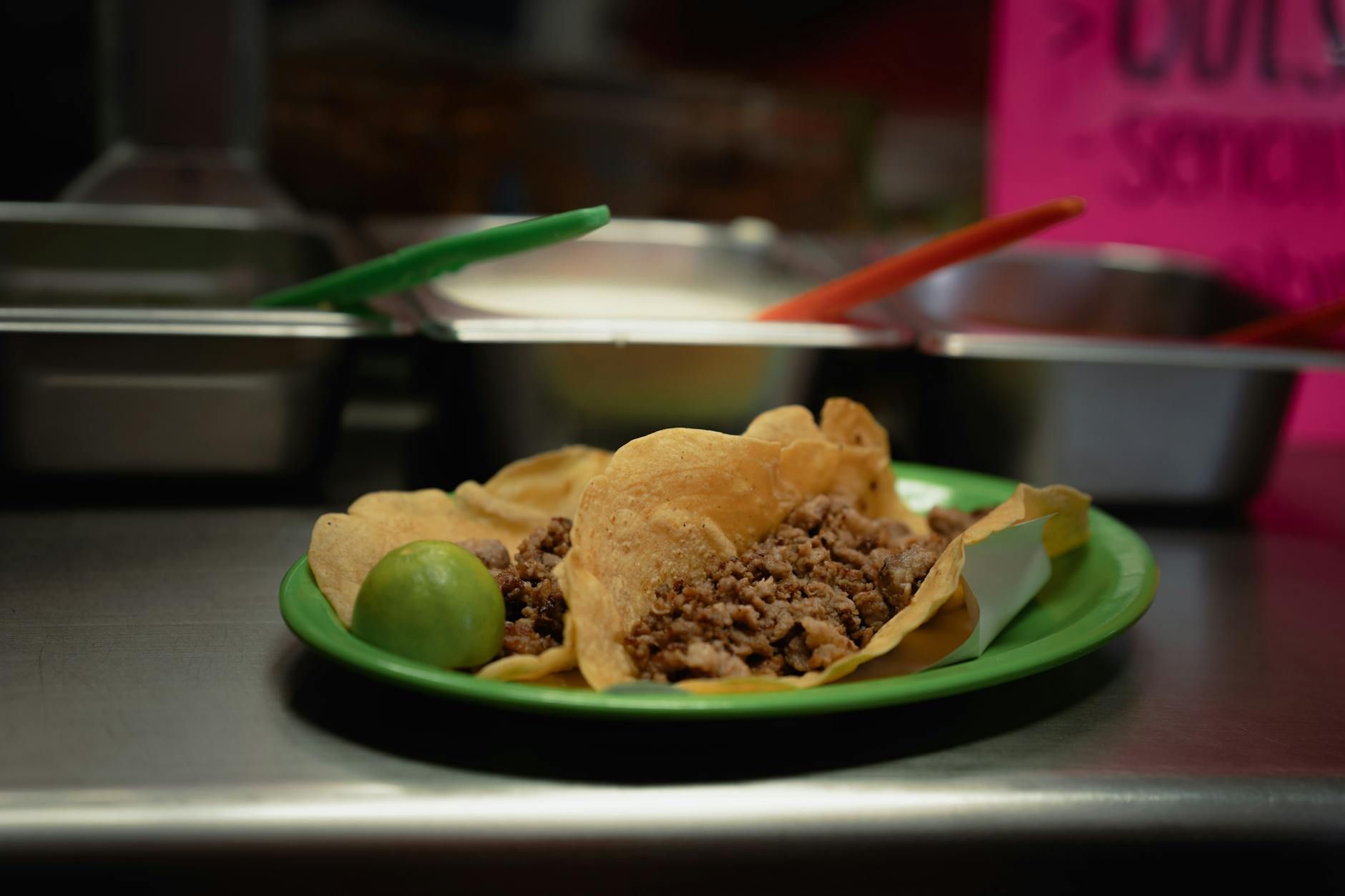
Mexican cuisine ranges from tasty street tacos to flavourful mole (sauce) dishes, and the friendly locals enhance the overall experience. Mexico combines a rich history with modern attractions for a memorable holiday.
Getting Around Mexico
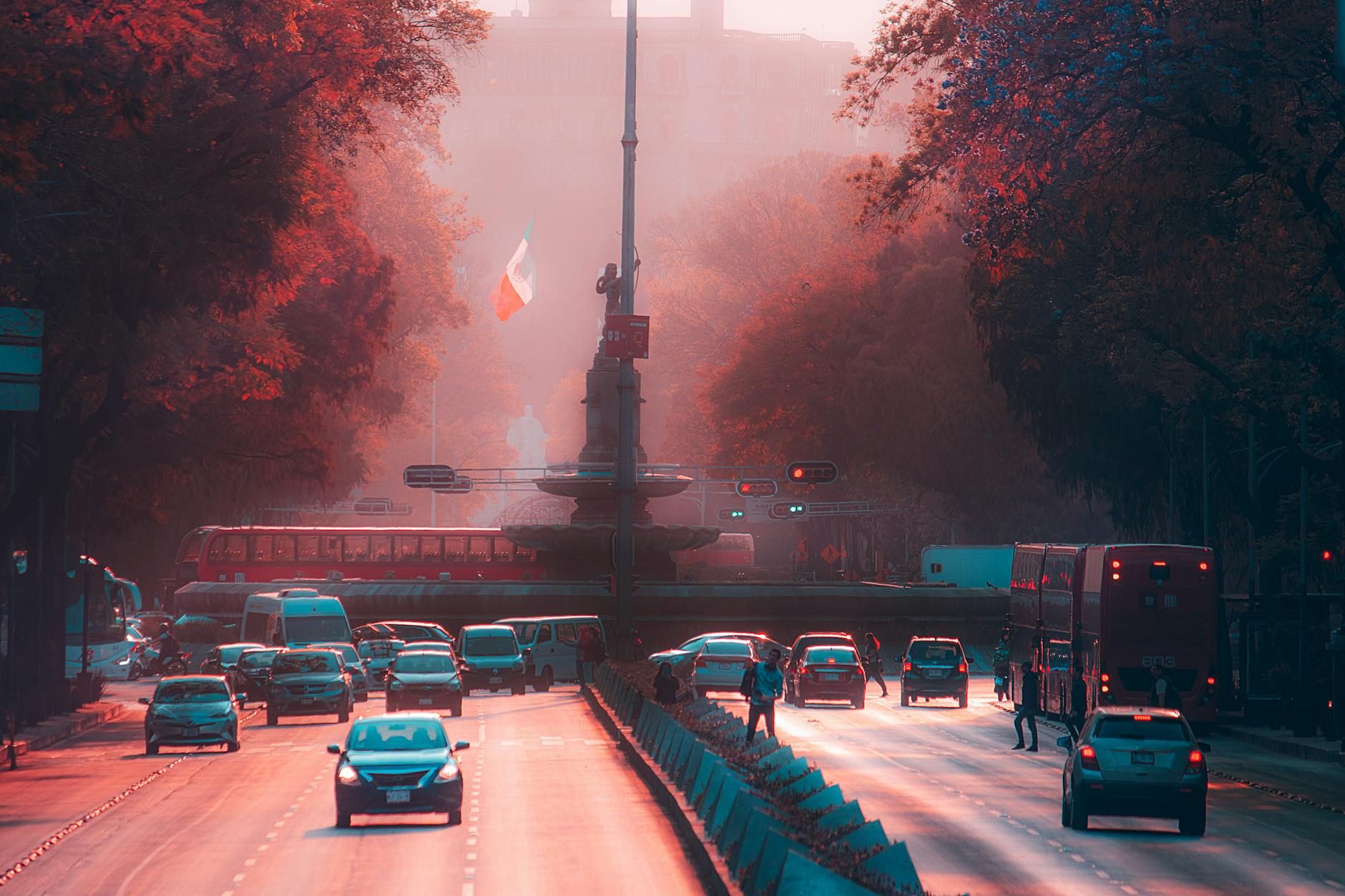
Getting around Mexico is relatively easy, thanks to a variety of transportation options. Whether you want to travel locally or across the country, there are many ways to make your way around. Here are the most common ways to get around Mexico:
Buses
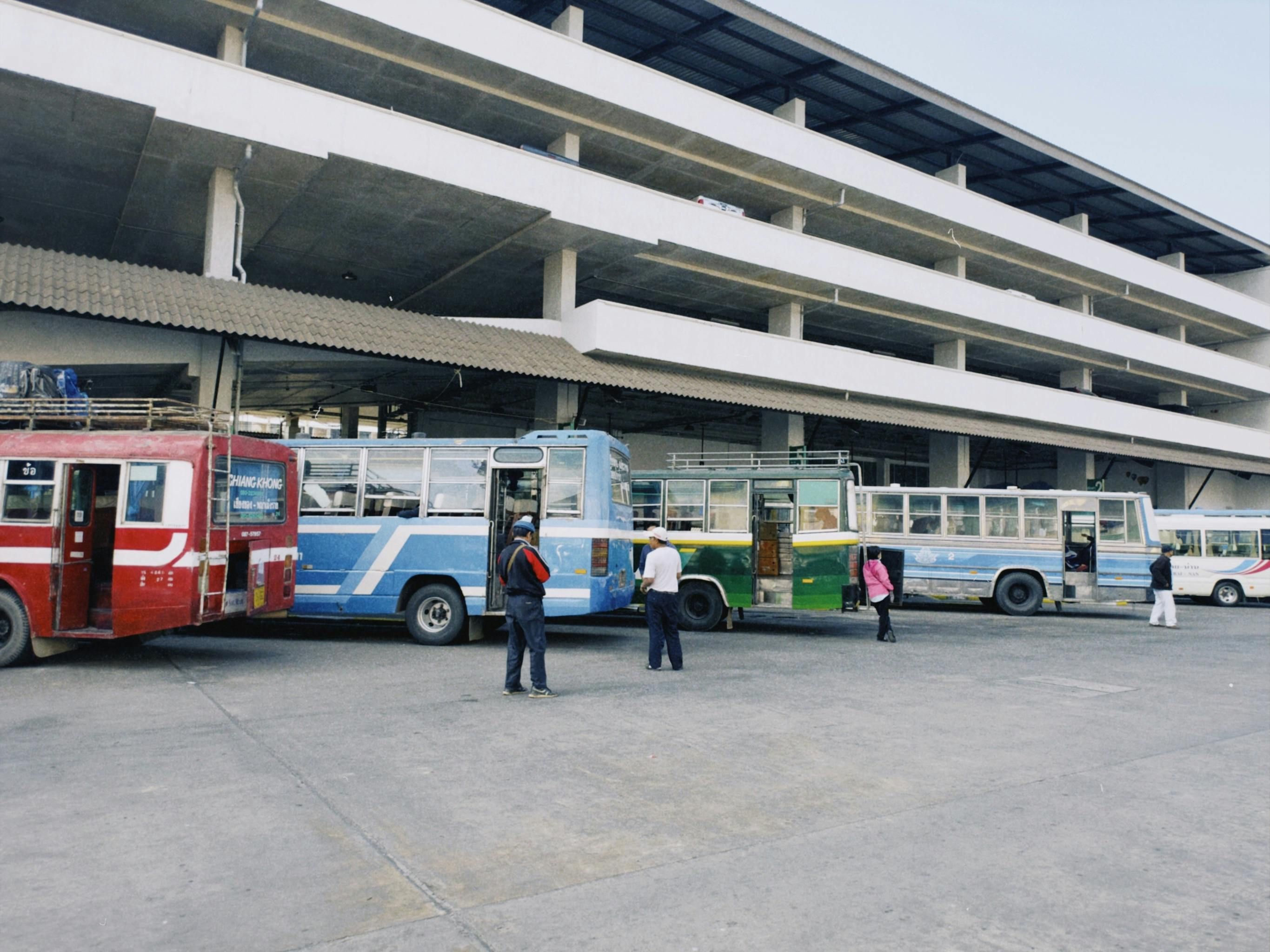
Buses are a popular and cost-effective means of transportation in Mexico. There are various types of buses, from luxury coaches to economical options. Companies like ADO, ETN, and Primera Plus offer comfortable long-distance bus services. Local buses and colectivos (shared vans) are available for shorter routes within cities.
Trains
Mexico has limited passenger train services, but there are scenic train routes like "El Chepe" in the Copper Canyon region. The newer Tren Maya (Mayan Train) connects destinations across the Yucatan Peninsula, offering a unique way to travel between Cancun, Tulum, Merida, and Palenque. These provide a memorable travel experience.
Metro and Light Rail
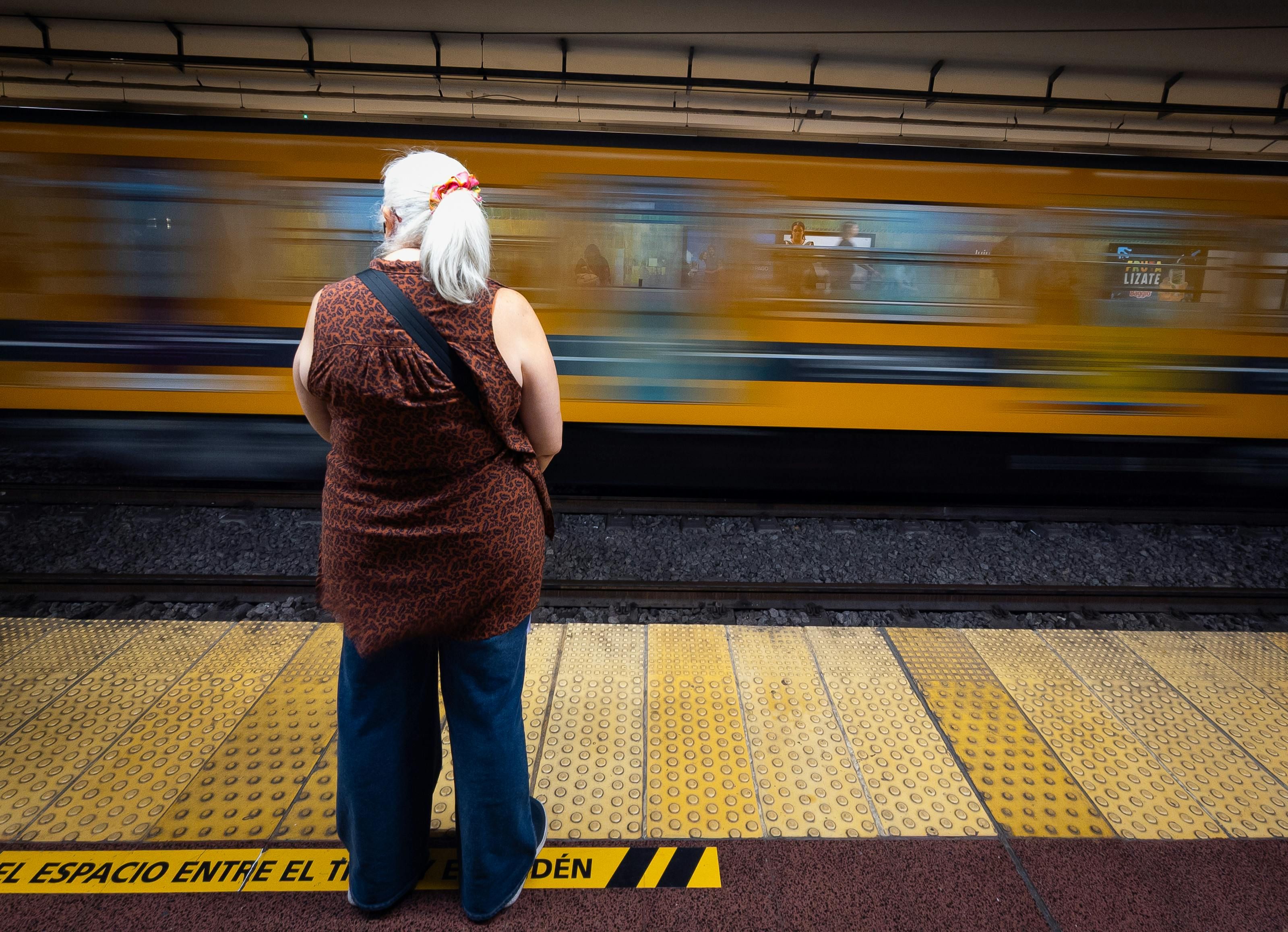
Major cities like Mexico City, Guadalajara, and Monterrey have metro and light rail systems that are affordable and efficient for navigating within the city.
Taxis and Ridesharing
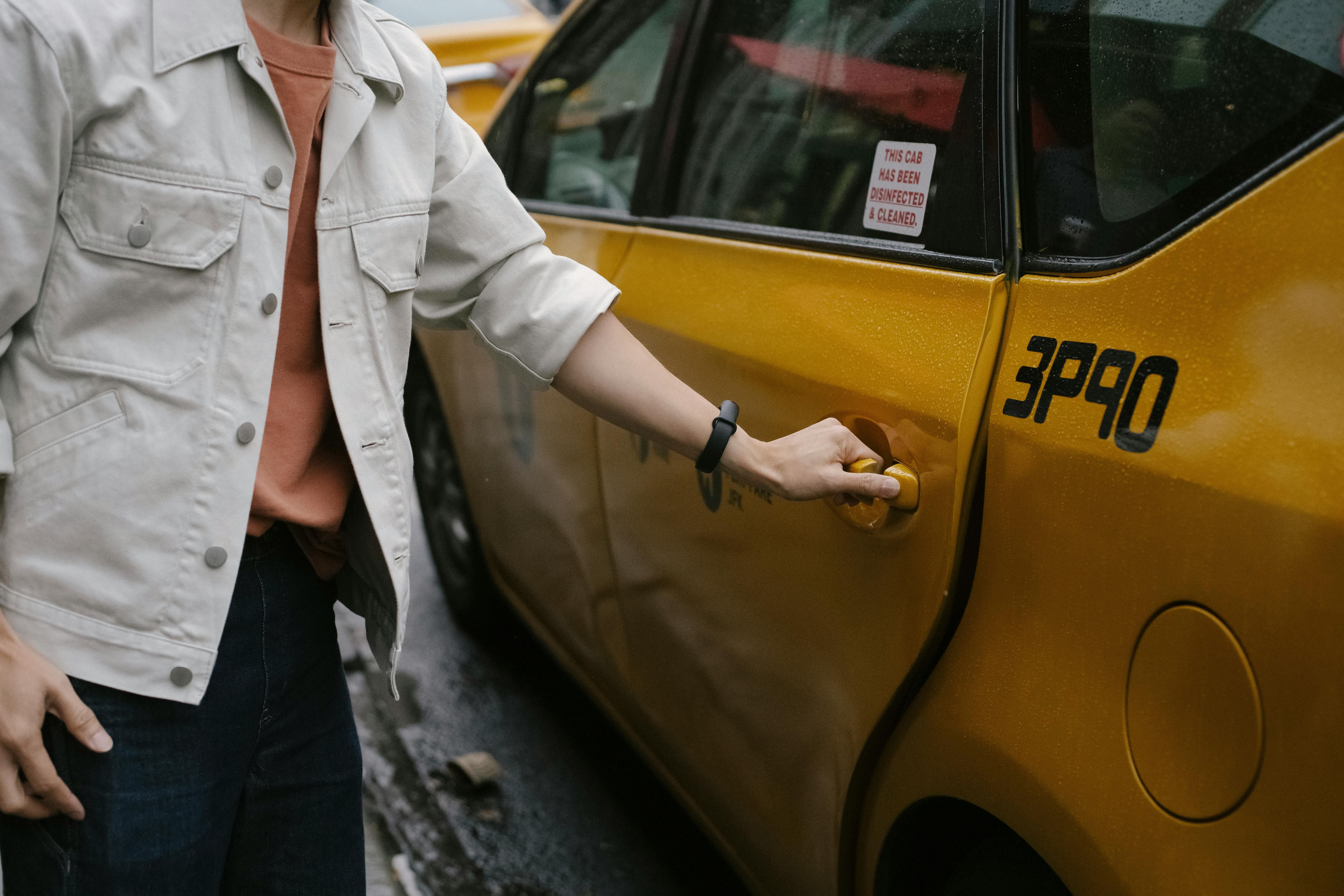
Taxis are readily available in most cities. In addition to traditional taxis, ridesharing services like Uber and DiDi operate in many Mexican cities.
Car Rentals
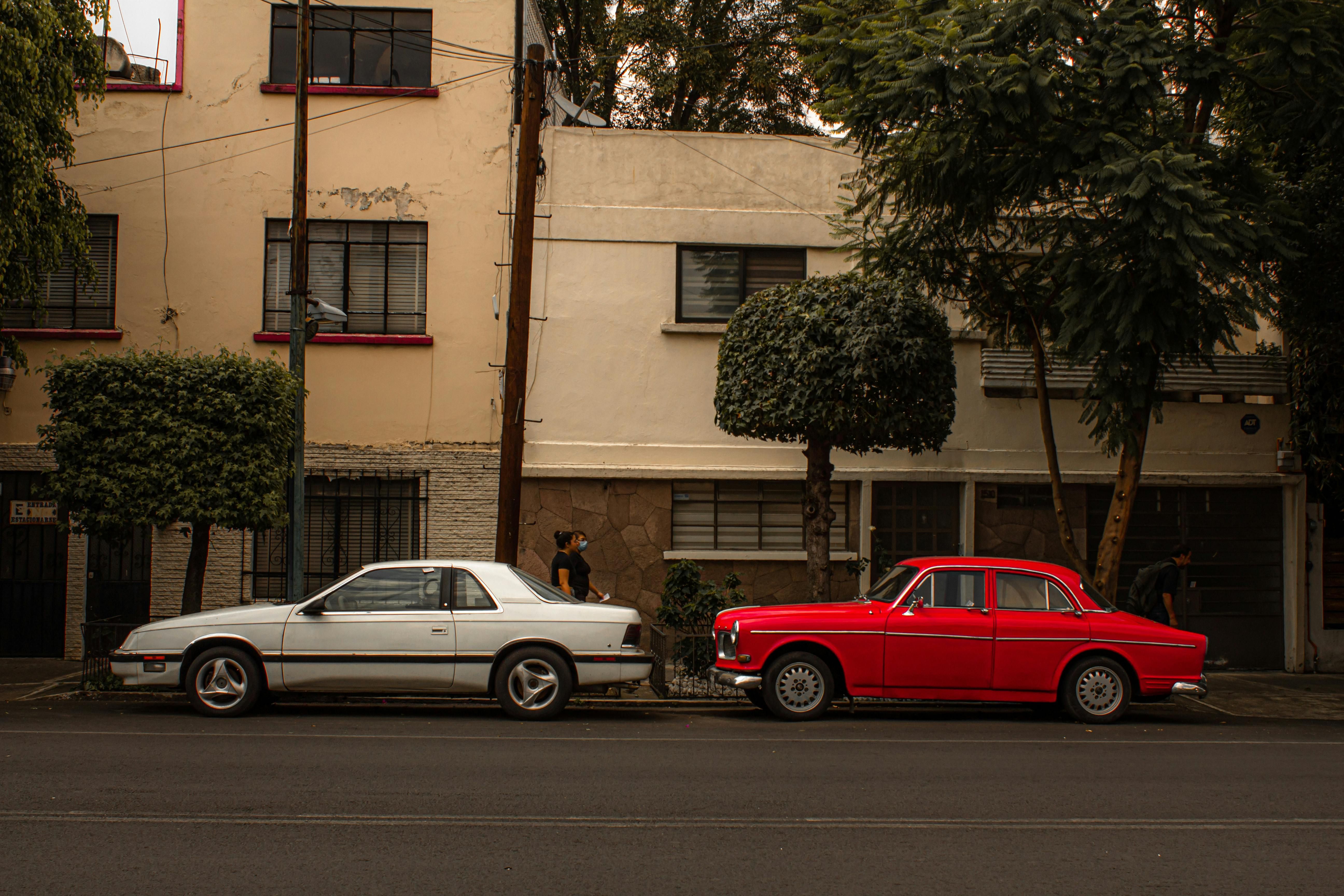
Renting a car is a convenient option, especially if you want to explore less-travelled areas. Most major international car rental companies have a presence in Mexico.
Ferries and Boats
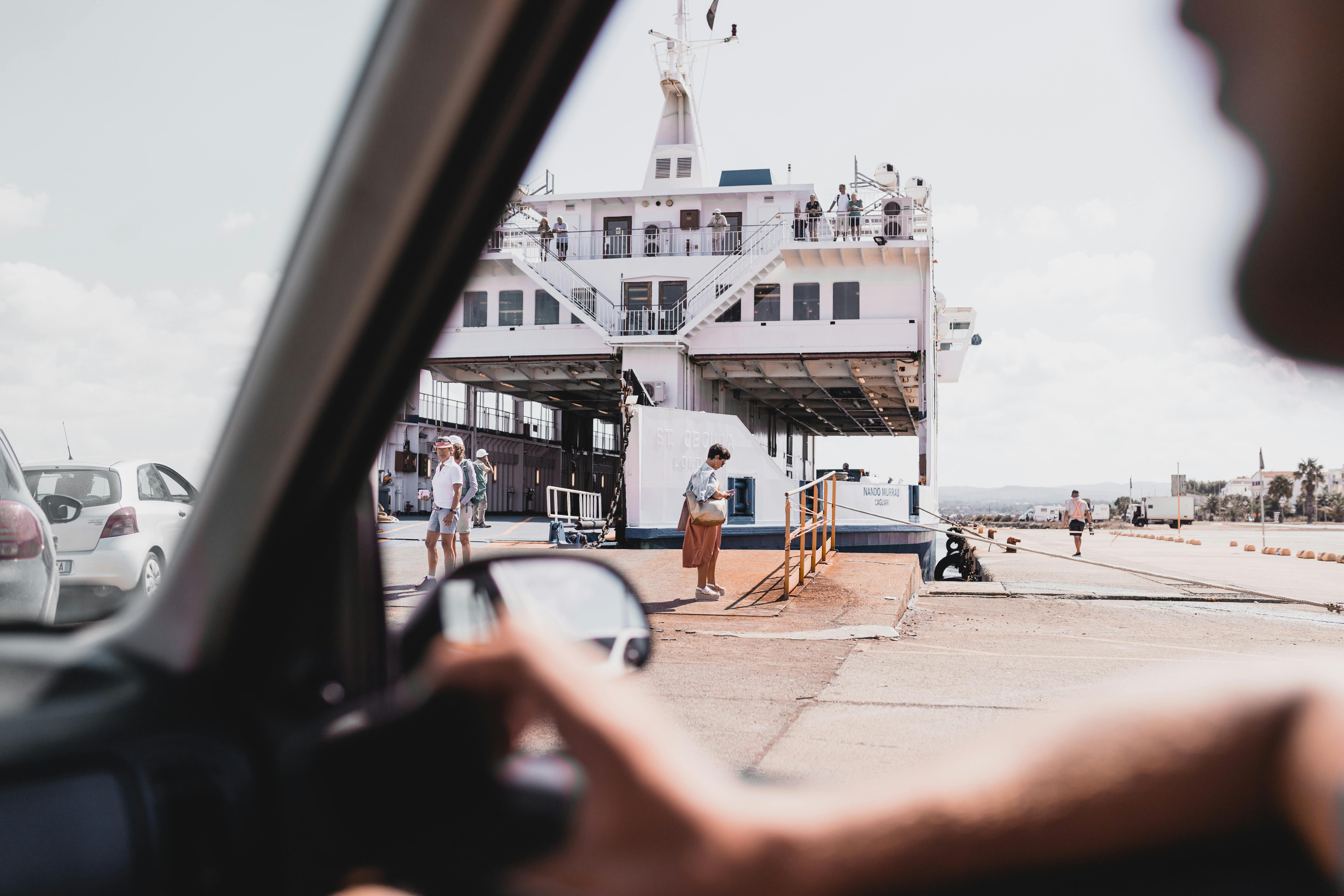
In coastal areas, ferries and boats can be used to travel between islands, coastal cities, or to reach destinations like Isla Holbox or Cozumel.
Cycling
In some cities, like Mexico City, there are bike-sharing programs and bike lanes, making it possible to explore urban areas on two wheels. In more rural areas, cycling can be a good option for leisurely travel.
Walking
In city centres and tourist areas, walking is an excellent way to explore. Many cities have pedestrian-friendly zones and promenades.
Transport Travel Tip
When travelling in Mexico, especially if you're using public transportation, be prepared for different levels of service and comfort depending on the region. Always consider factors such as safety, distance, and local customs when choosing your mode of transportation. Additionally, research the specific transportation options available in the region you plan to visit, as some remote areas may have limited choices.
Currency
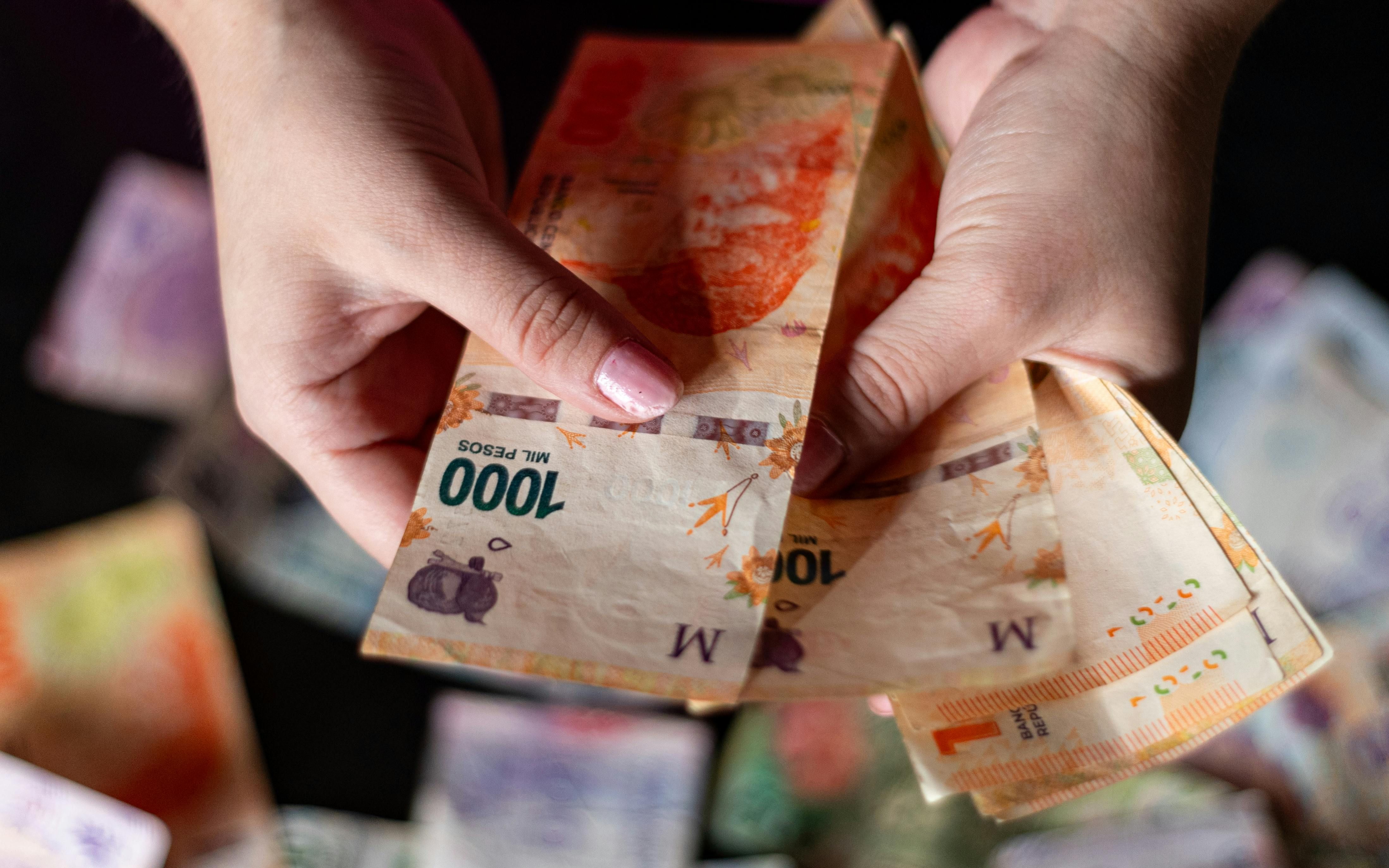
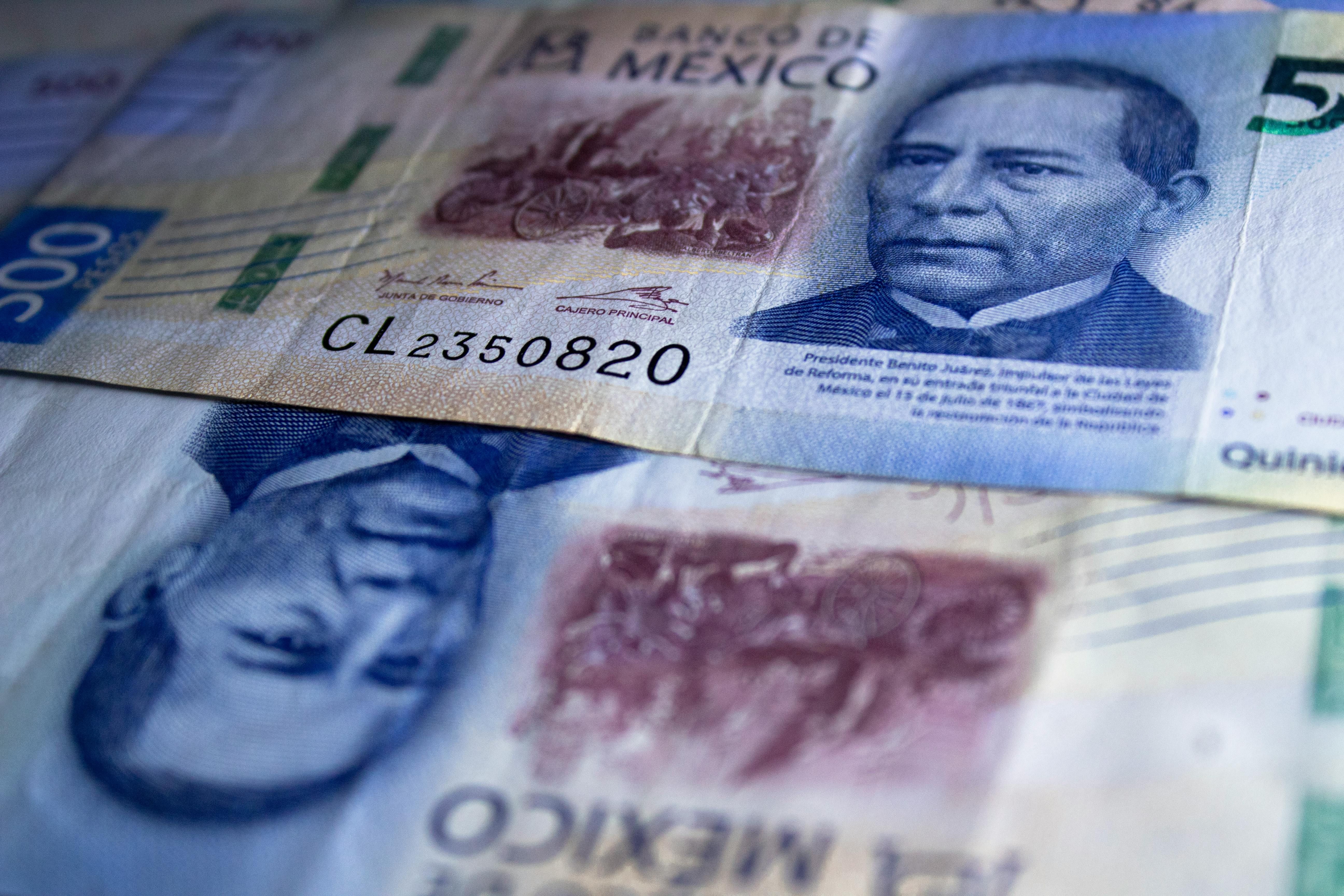
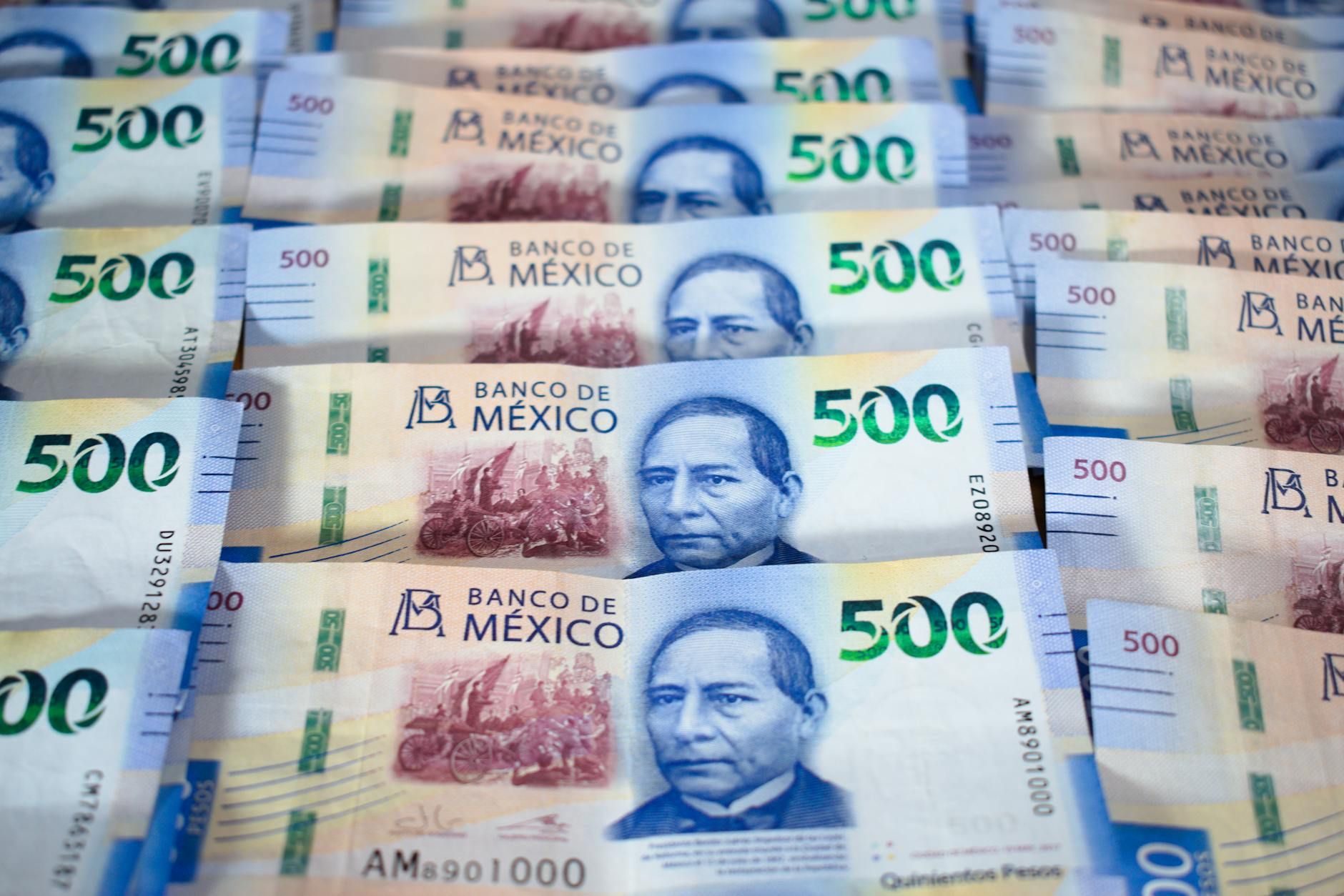
The currency used in Mexico is the Mexican Peso, abbreviated as "MXN" or represented by the "$" sign.
Banknotes and coins in various denominations are used for daily transactions, and the currency is readily accepted throughout the country.
Banknotes and Coins
Mexican banknotes come in various denominations, with the most common being 20, 50, 100, 200, 500, and 1,000 pesos. Coins are also widely used and are available in denominations of 5, 10, and 20 pesos, as well as smaller centavo coins (100 centavos make up 1 peso).
Currency Symbol
The symbol for the Mexican Peso is "$." This symbol closely resembles the dollar sign used for the United States dollar, but it is often distinguished from the U.S. dollar by the addition of two vertical lines or slashes through the "S," making it "$$." These lines help clarify that the currency being referred to is the Mexican Peso and not the U.S. dollar.
Widespread Acceptance
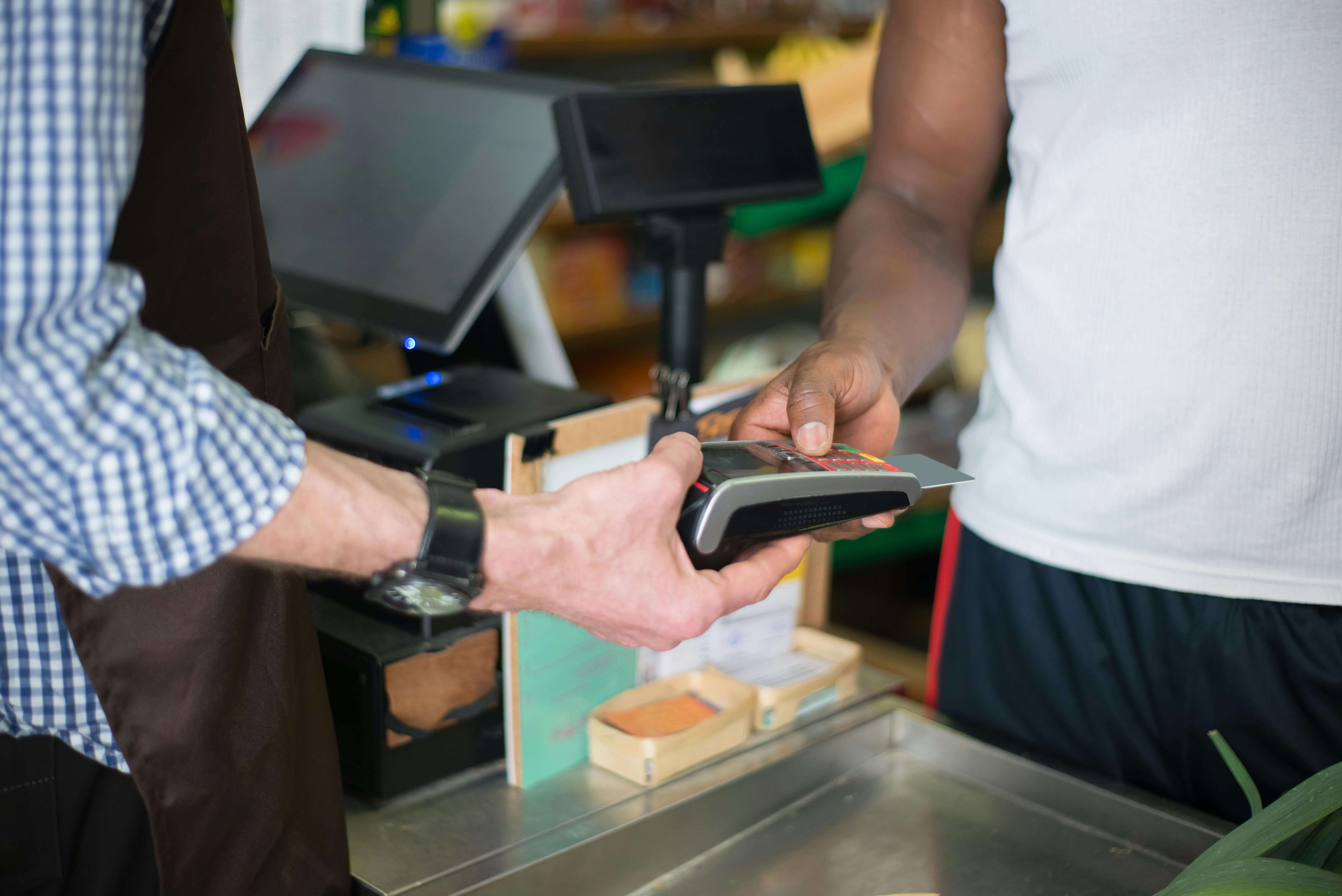
The Mexican Peso is widely accepted throughout the country, and you can use it for various transactions, including shopping, dining, transportation, and accommodation. Credit and debit cards are also commonly accepted in major cities and tourist areas.
ATMs
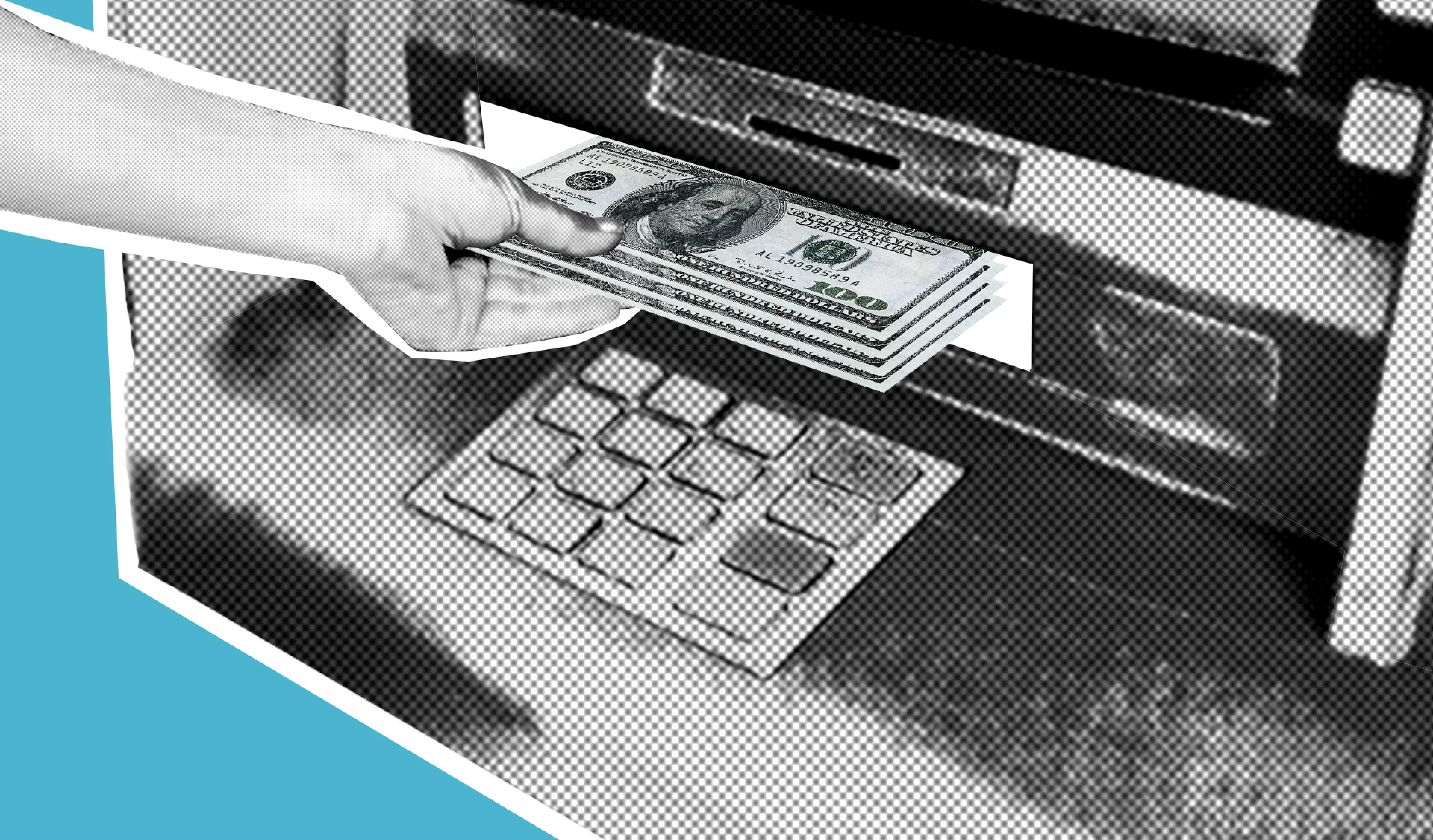
ATMs (Automated Teller Machines) are widely available and commonly used in Mexico, making it convenient for both locals and travellers to access cash and conduct financial transactions.
Currency Exchange
You can exchange your foreign currency for Mexican Pesos at banks, currency exchange booths, and some hotels. Rates may vary slightly between different providers, so it's a good idea to compare rates before exchanging. Australian travellers should note that exchanging AUD to MXN may be easier via USD as an intermediary in some locations.
Shopping
Shopping in Mexico offers a delightful blend of traditional and modern experiences, where you can explore a wide range of products and immerse yourself in the country's vibrant culture.
Shopping Malls
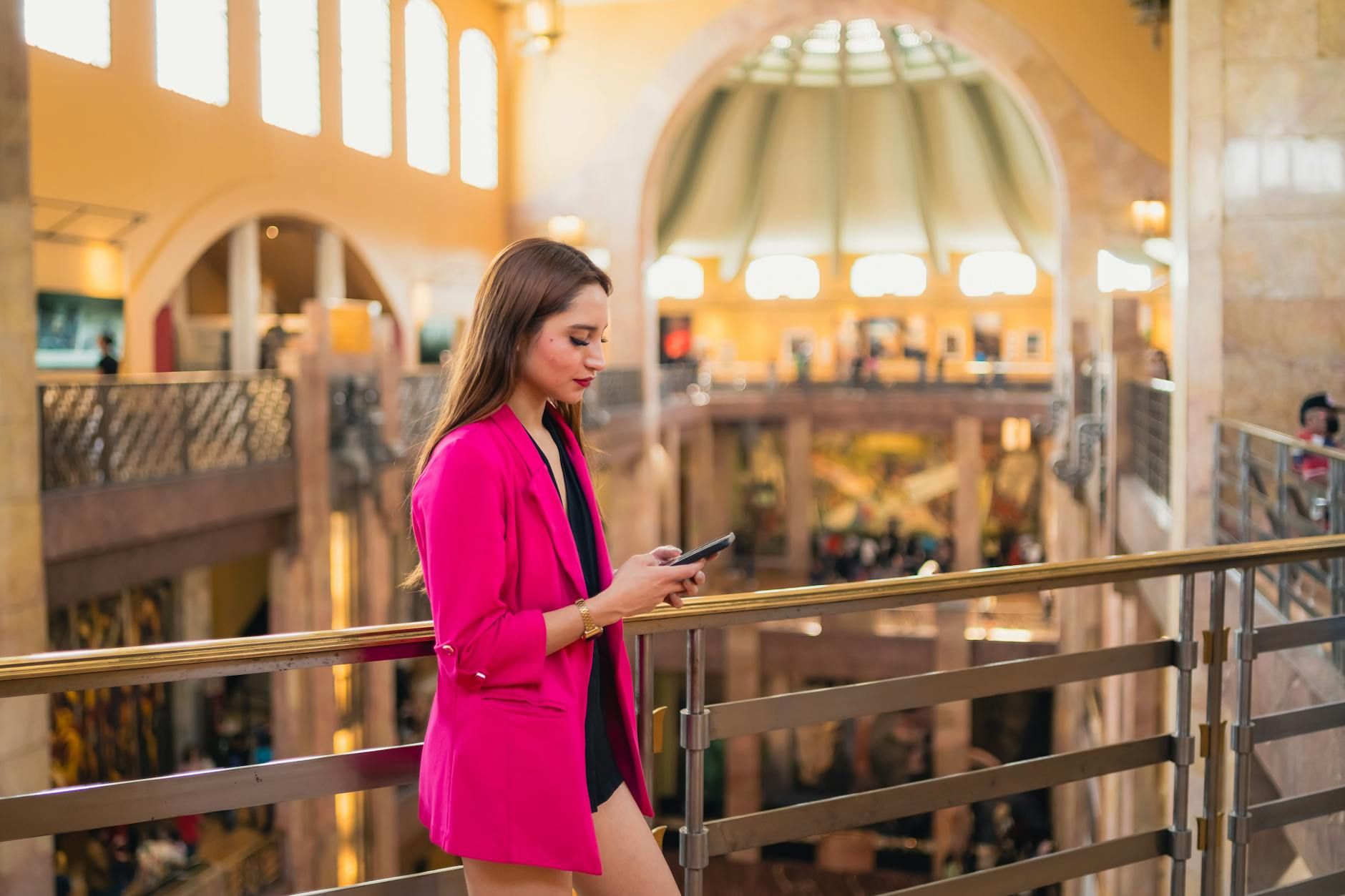
Here are some of the top malls in Mexico: La Isla Shopping Village (Cancun, Quintana Roo), Santa Fe Shopping Centre (Centro Santa Fe) in Mexico City, Plaza Forum (Acapulco, Guerrero), Paseo Nuevo (Hermosillo, Sonora), and Plaza Galerias (Torreon, Coahuila).
Local Markets
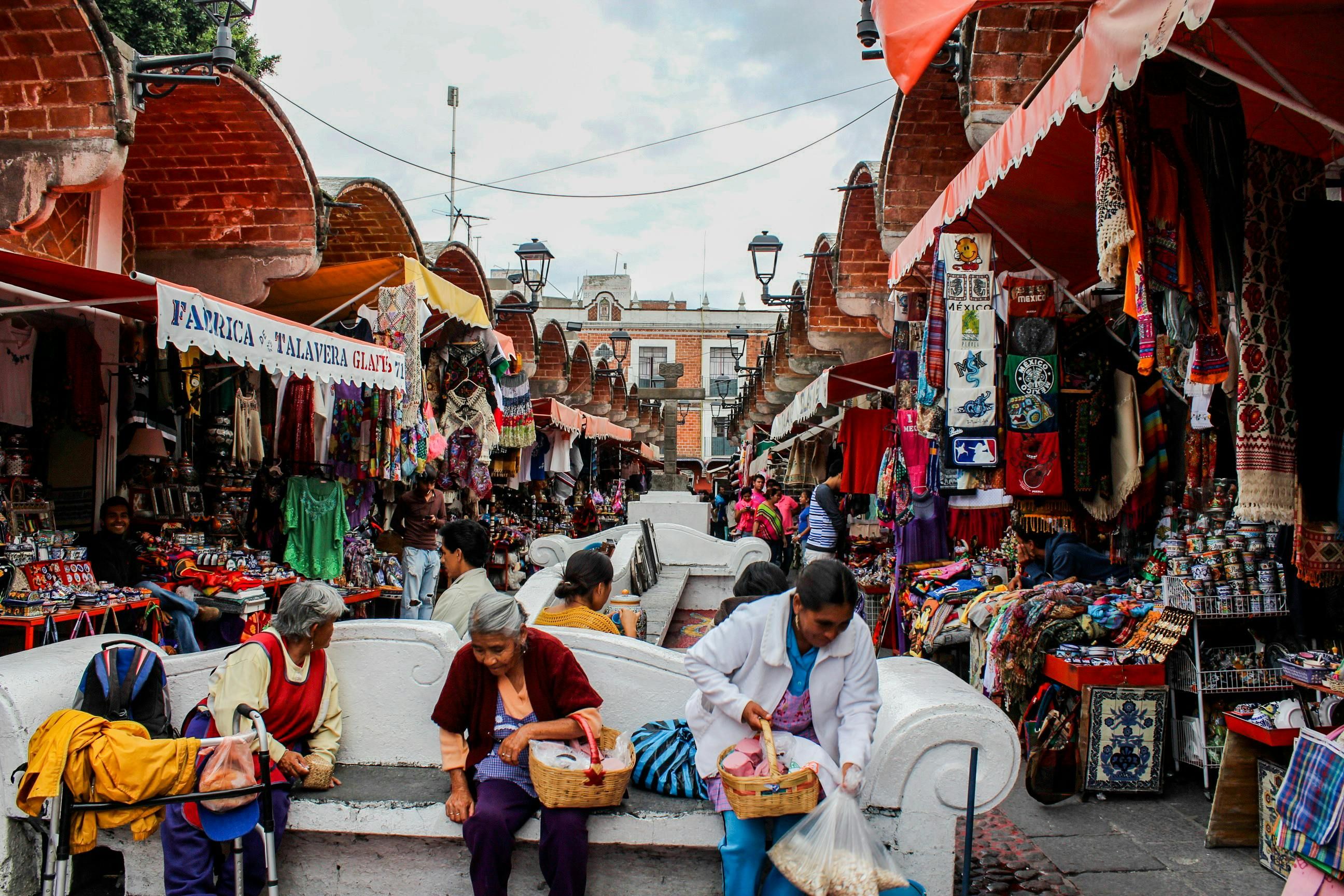
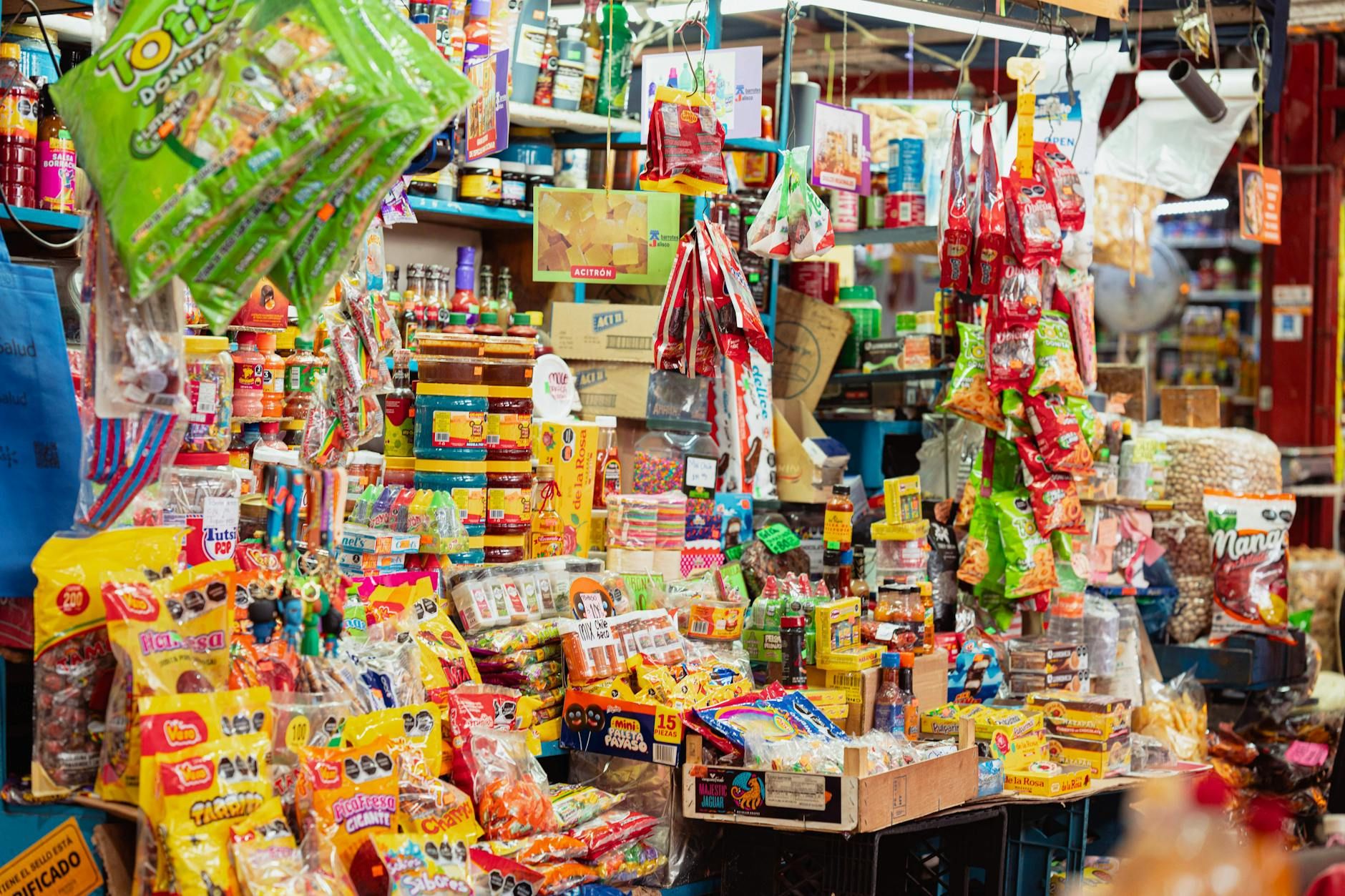
Mexico is known for its colourful and bustling local markets, where you can find an array of goods, from fresh produce and handcrafted souvenirs to clothing and jewellery. Mercados are excellent places to haggle for prices and interact with local vendors. Some famous markets include Mercado de la Merced in Mexico City, Mercado 28 in Cancun, and Mercado de Abastos in Guadalajara.
Artisanal Crafts
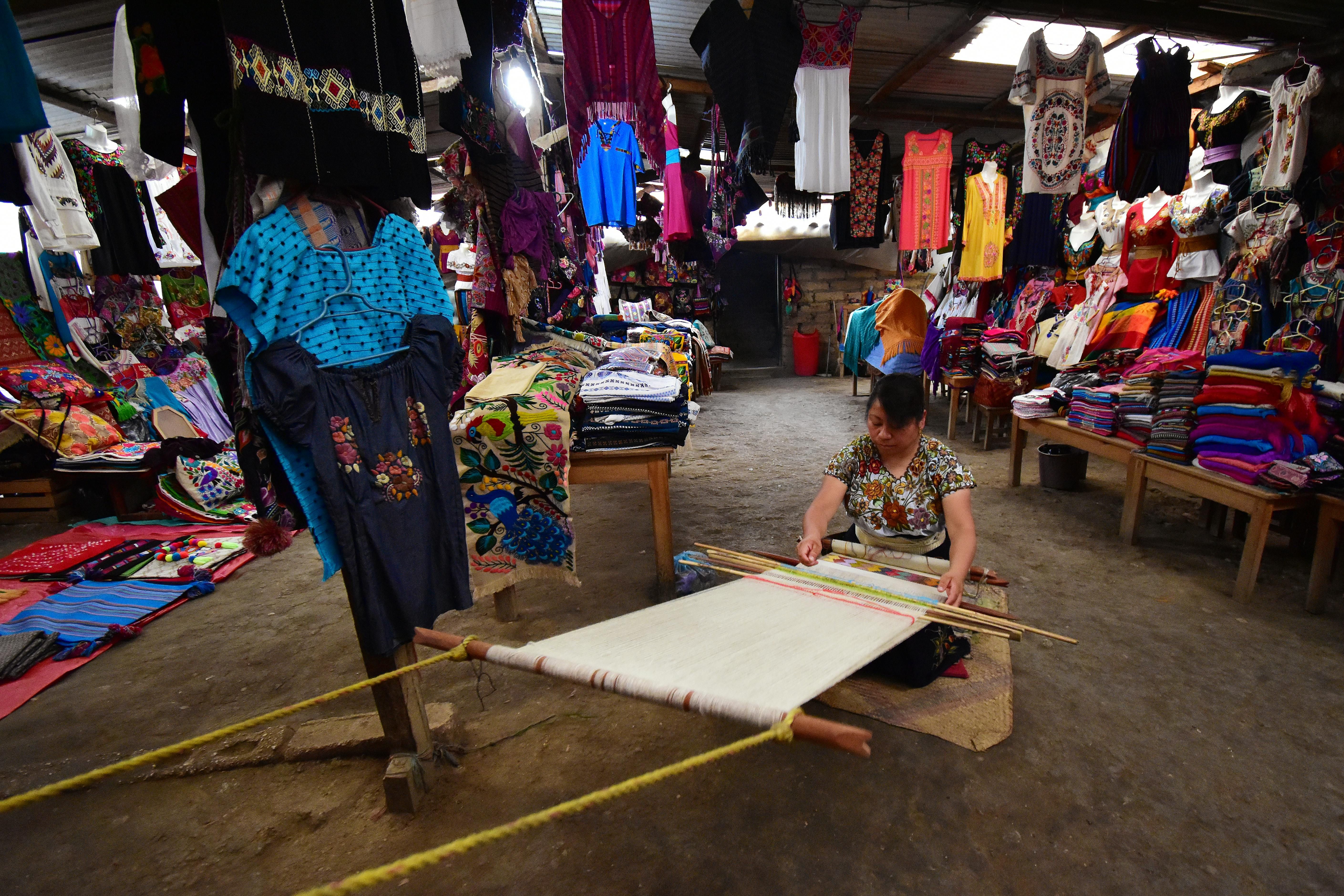
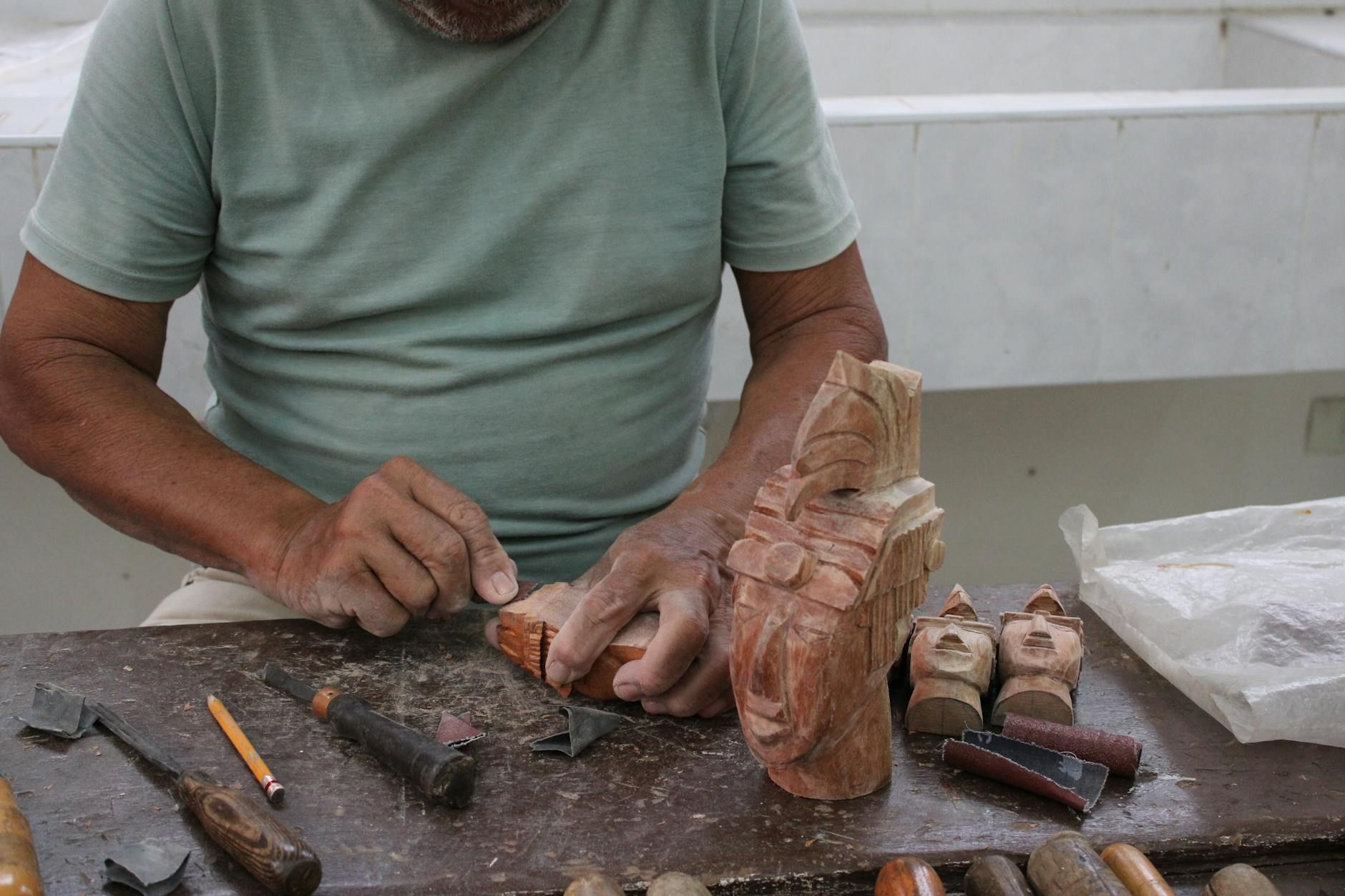
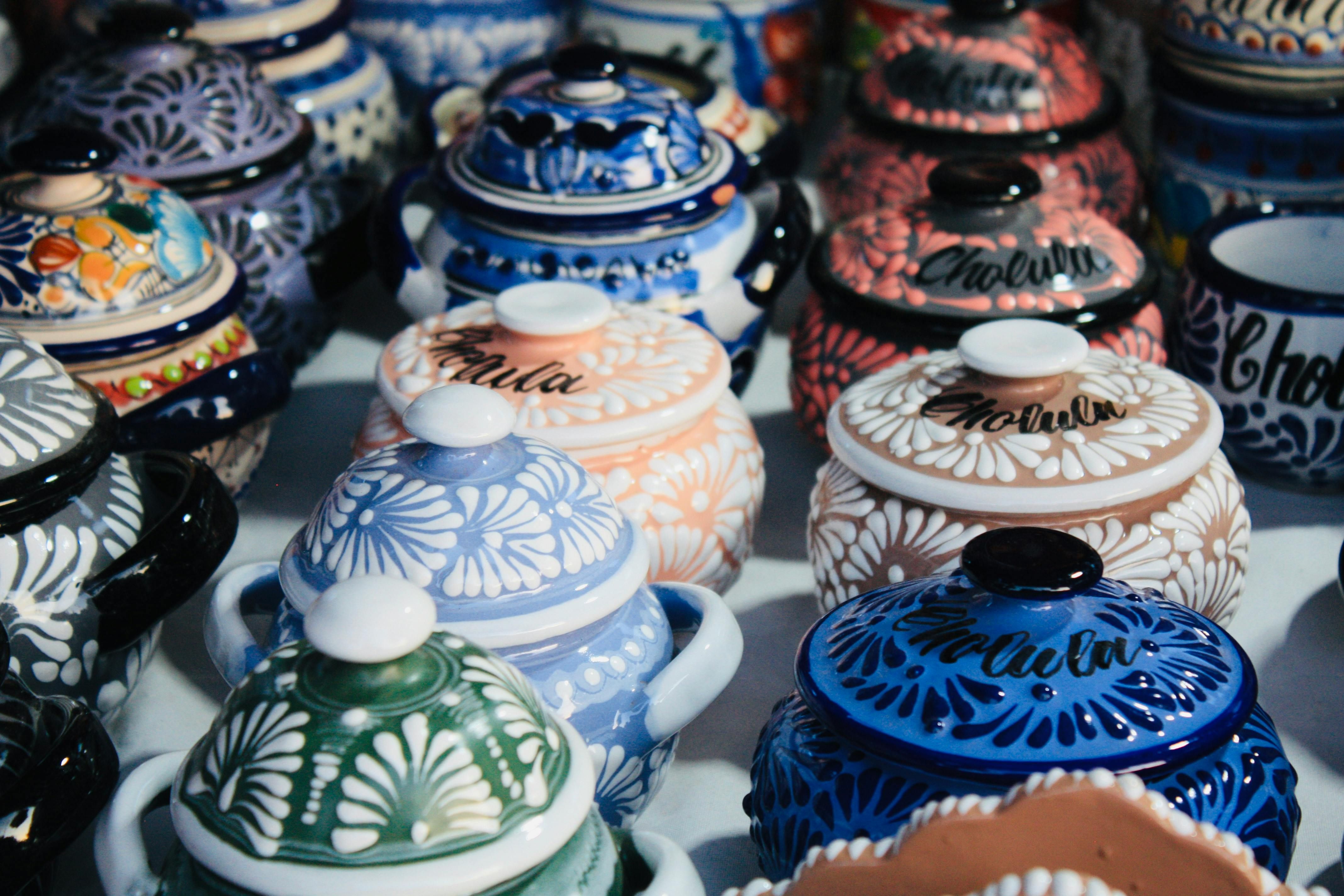
Mexico is renowned for its artisanal craftsmanship. You can shop for beautifully crafted ceramics, textiles, pottery, and intricate handwoven rugs. Markets like the Bazar del Sabado in Mexico City and the markets in Oaxaca are excellent places to discover these treasures.
Textiles and Clothing
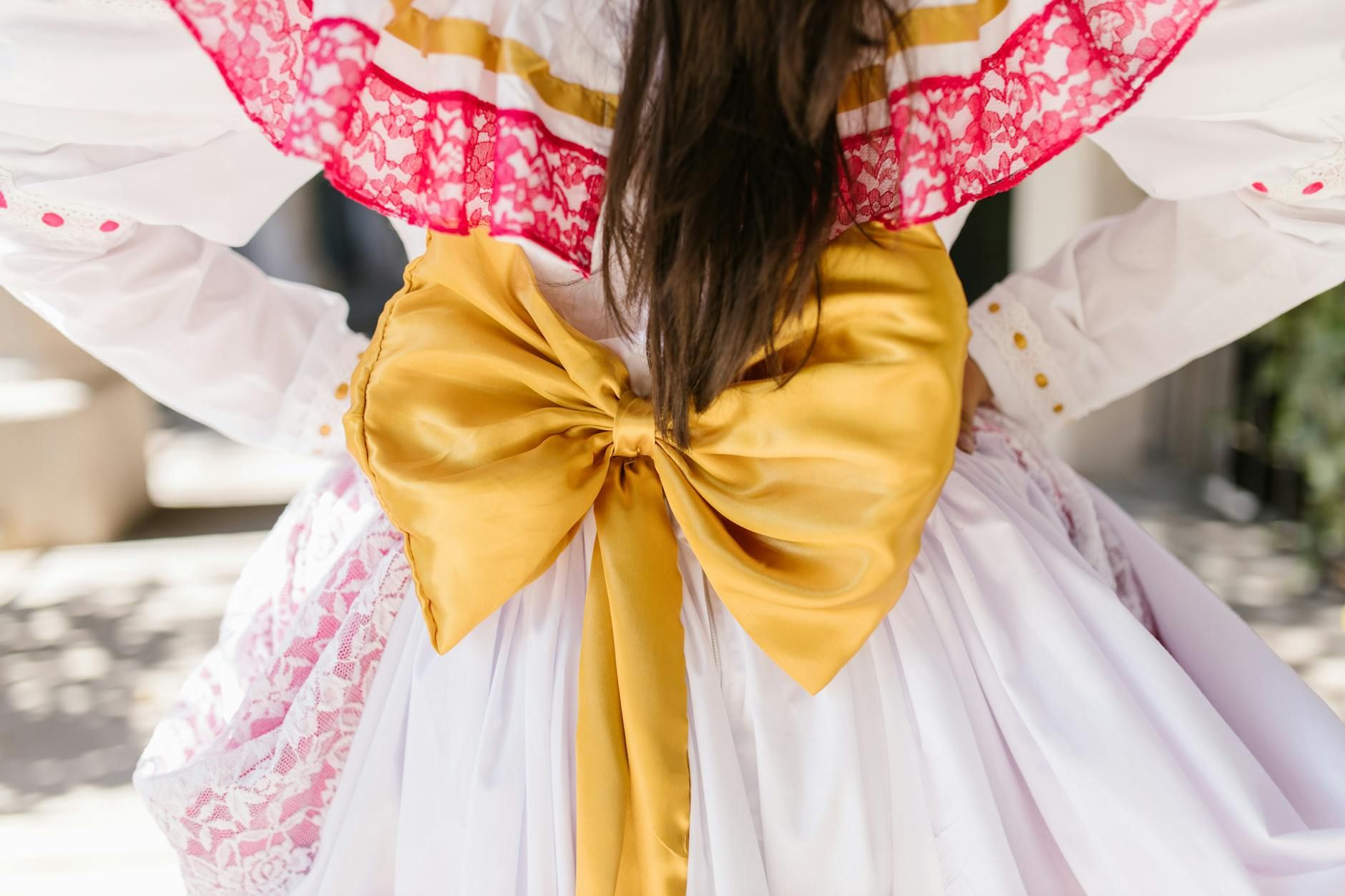
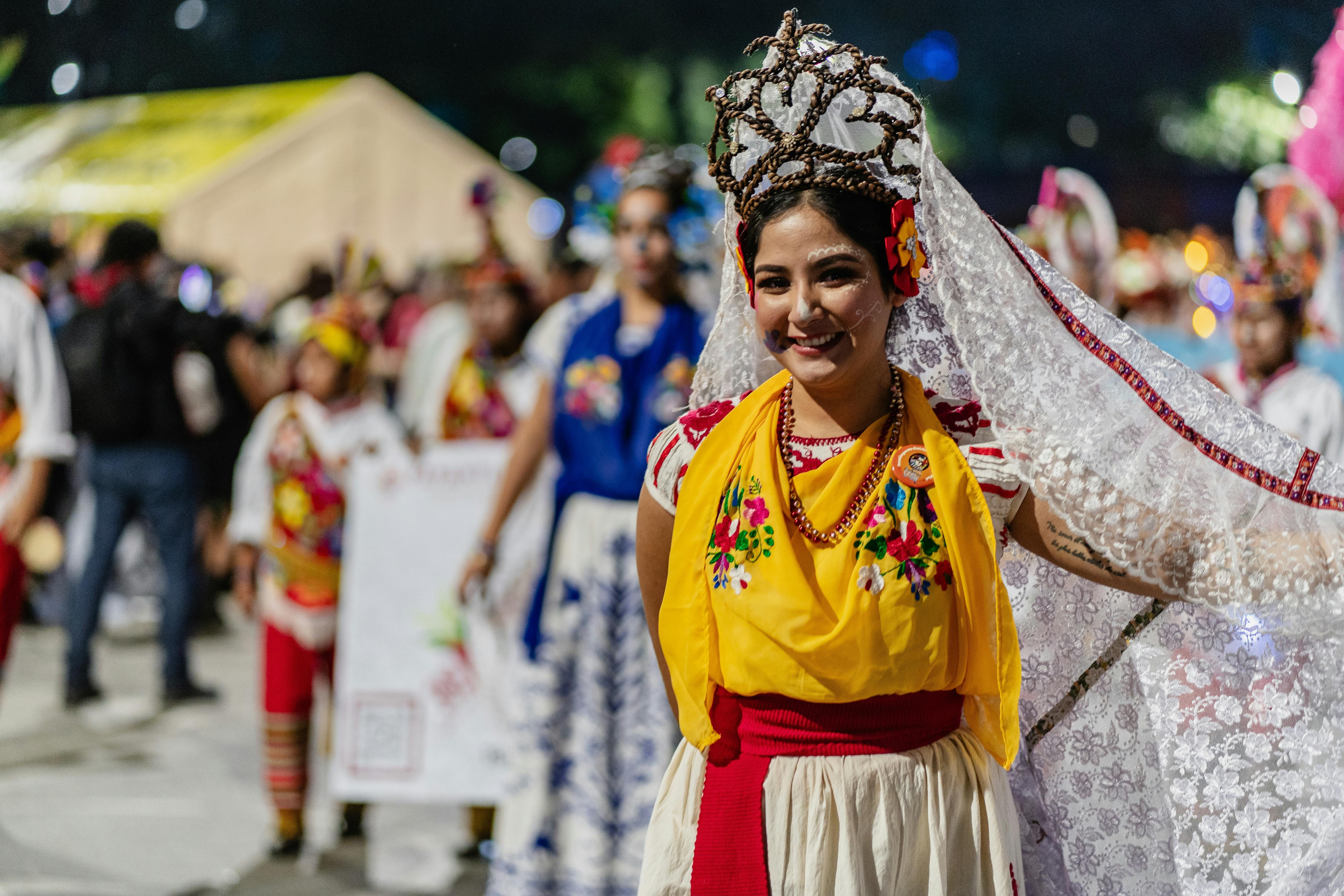
Traditional Mexican clothing, such as colourful embroidered blouses (huipiles) and dresses, is a favourite among tourists. In addition to traditional clothing, modern boutiques in urban areas offer contemporary fashion.
Hand-Painted Pottery
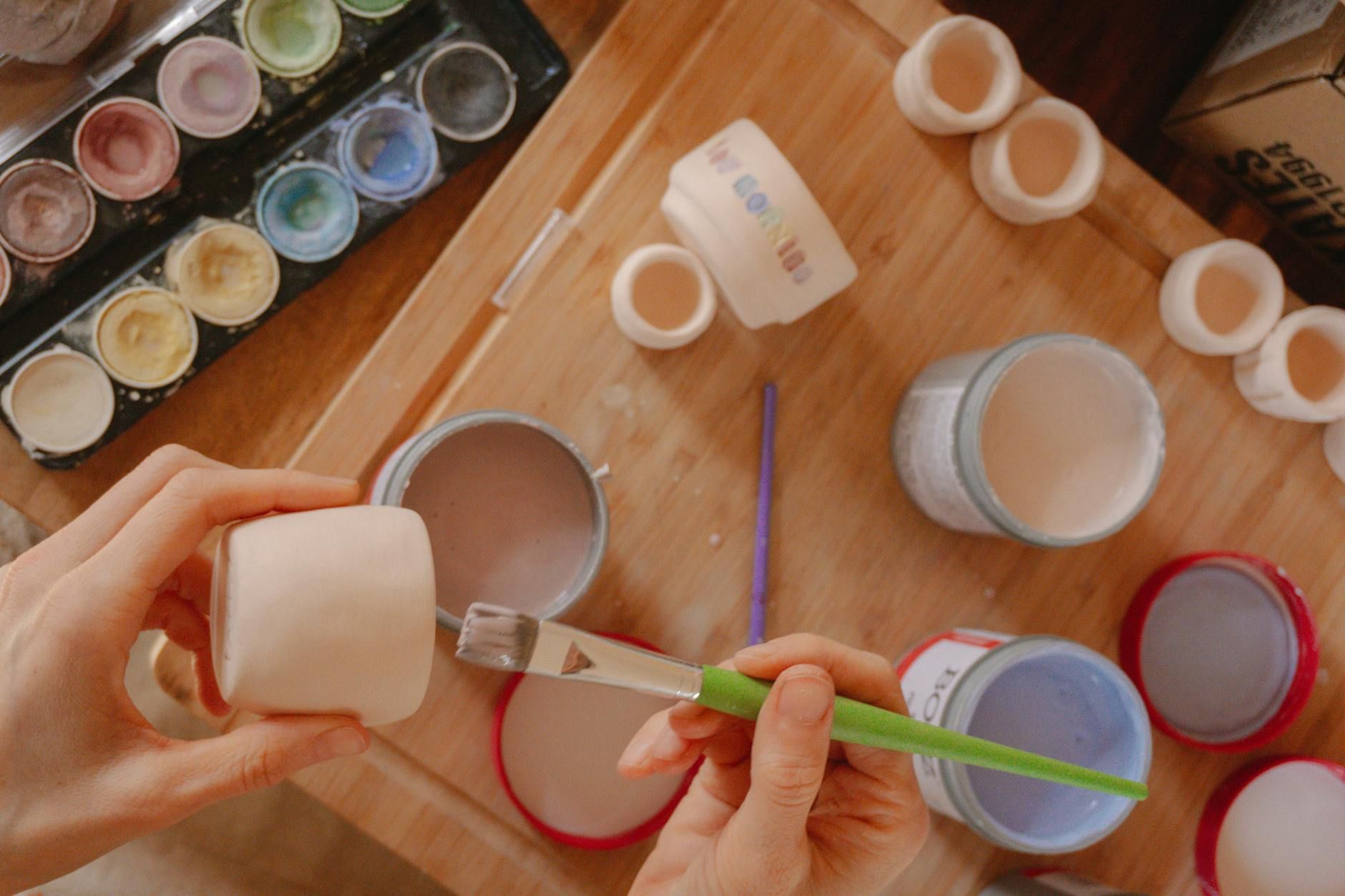
Talavera pottery is a well-known Mexican art form, characterised by its intricate hand-painted designs. Puebla and Dolores Hidalgo are renowned for their Talavera pottery.
The Highlights
Visiting Mexico for the first time promises an exciting adventure filled with diverse experiences and cultural discoveries.
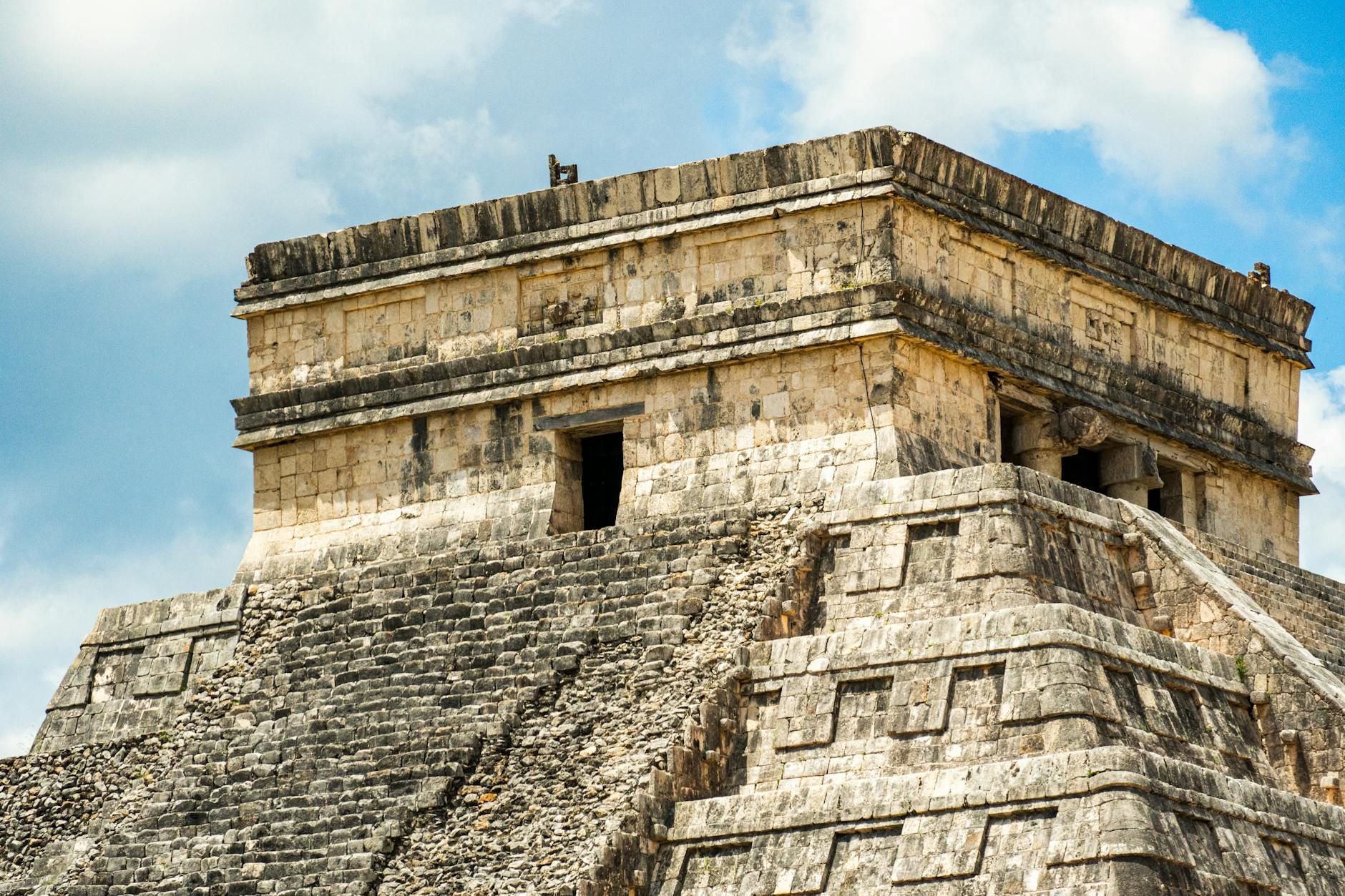
One of the highlights is exploring ancient ruins, such as the iconic Chichen Itza, the majestic Teotihuacan, and the mystical Palenque, offering a glimpse into the rich history of the Maya and Aztec civilisations. Vibrant cities like Mexico City, Guadalajara, and Monterrey beckon with a mix of modern and historic attractions, including world-class museums, bustling markets, and charming neighbourhoods.
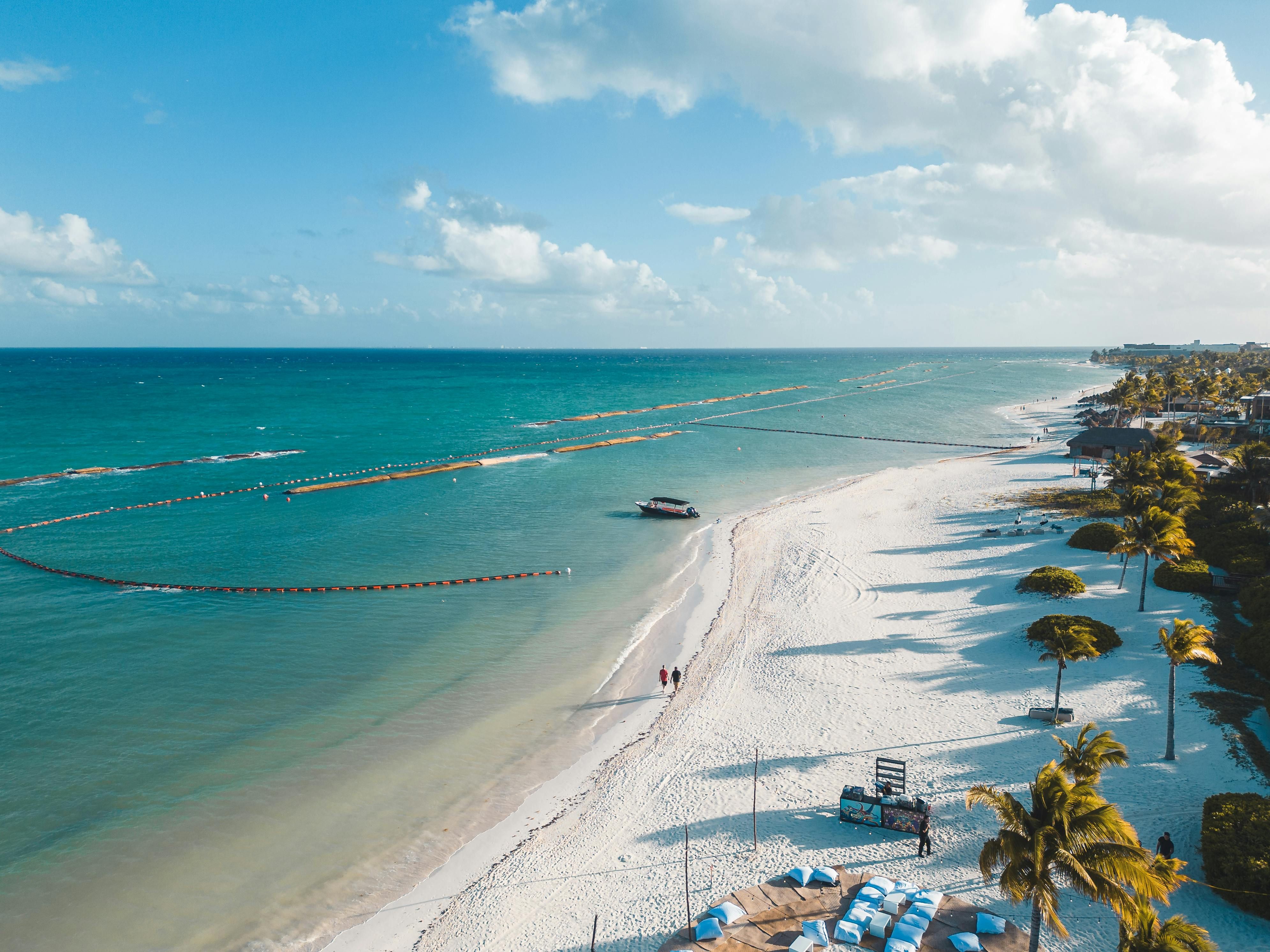
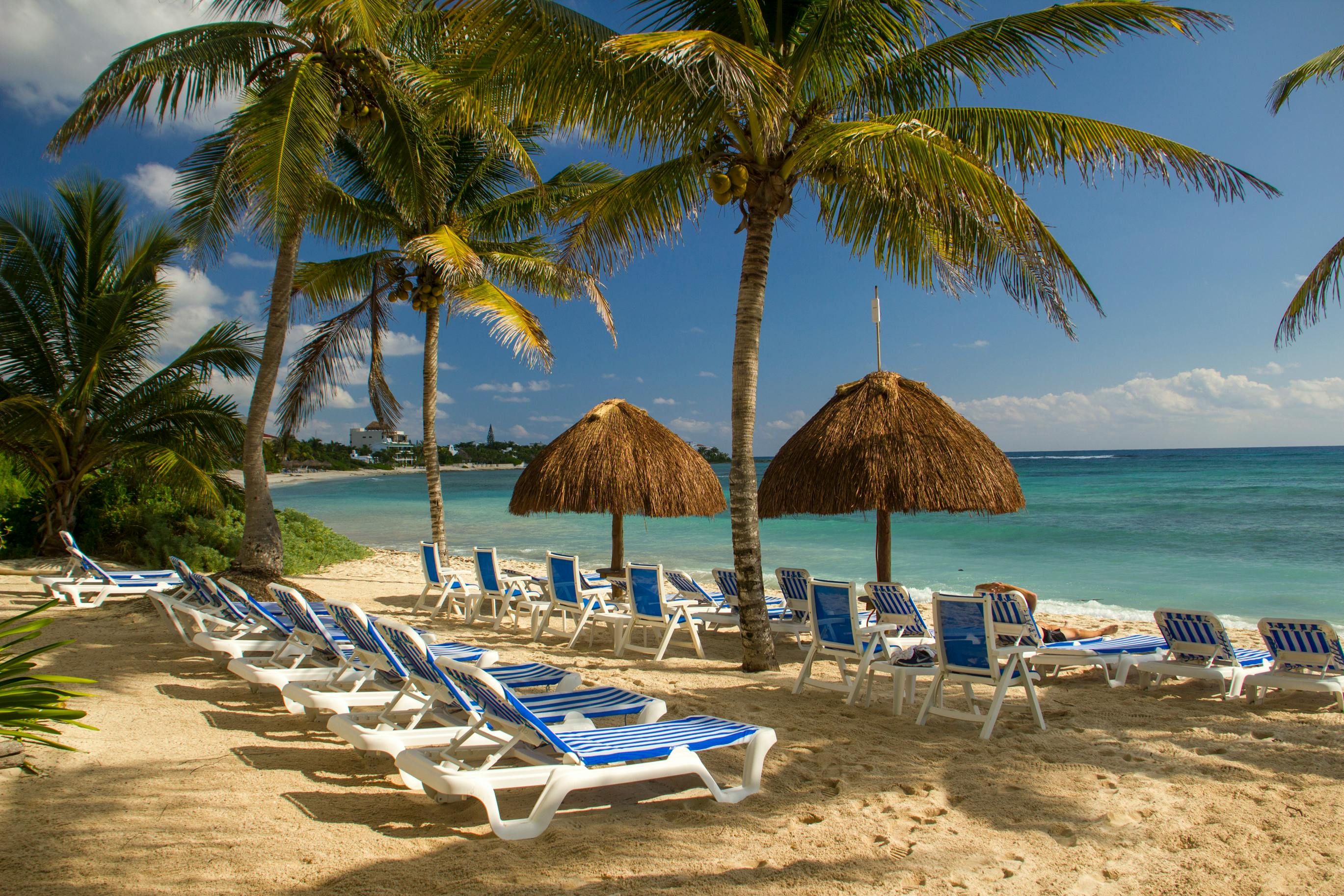
Travellers can savour authentic Mexican cuisine, from the tantalising flavours of street tacos and tamales to the complex richness of mole dishes. Mexico's beautiful coastline showcases some of the world's most breathtaking beaches in destinations like Cancun, Playa del Carmen, Tulum, Puerto Vallarta, and beyond, inviting travellers to relax on pristine white sands and swim in crystal-clear waters.
Colonial towns like San Miguel de Allende, Oaxaca City, and Puebla captivate with their picturesque architecture, historic streets, and traditional crafts.
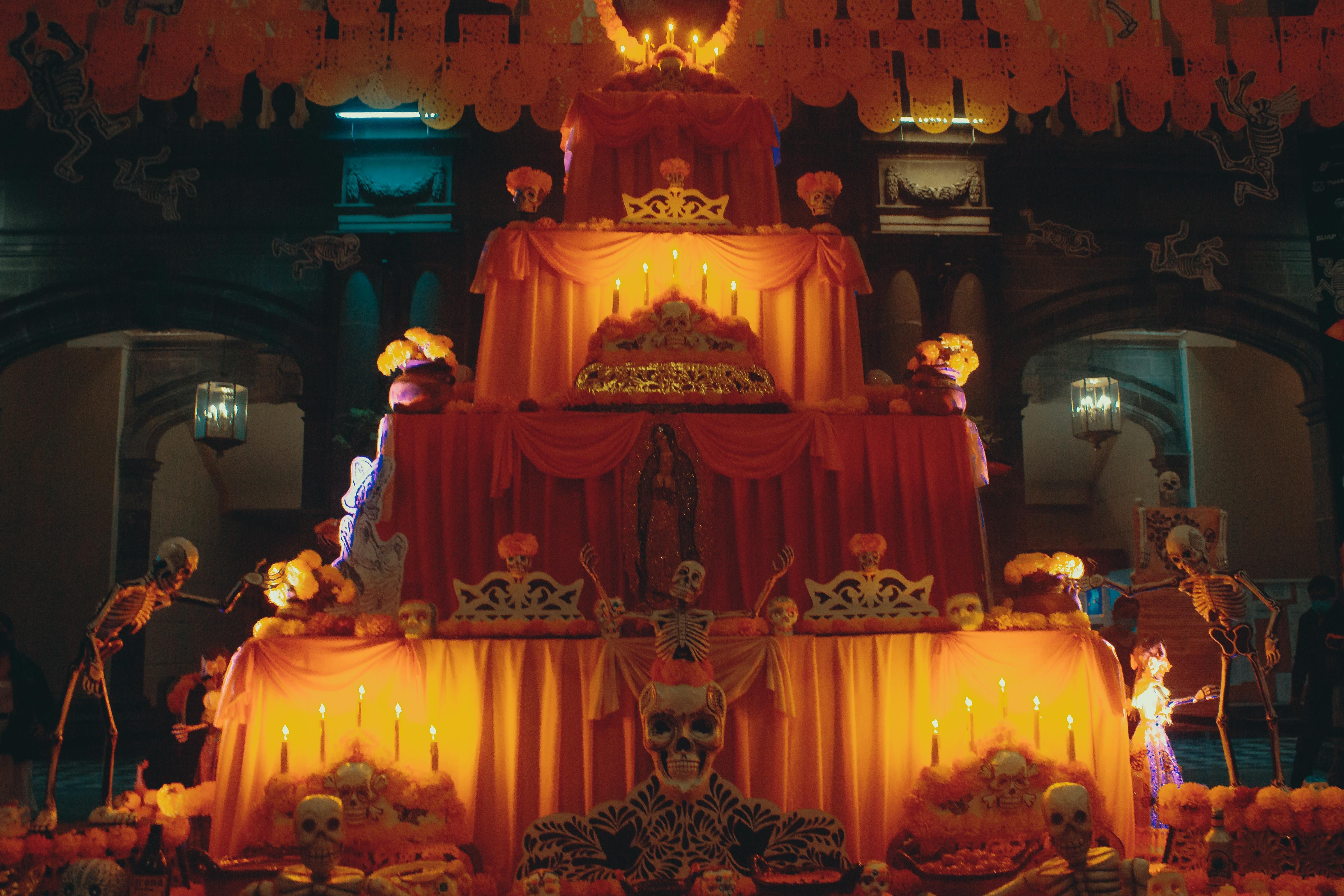
The country also hosts vibrant cultural festivals, including the colourful Day of the Dead (Dia de los Muertos) celebrations and the mesmerising Guelaguetza in Oaxaca, both teeming with music, dance, and elaborate costumes.
Mexico's diverse landscapes, from lush jungles and cenotes in the Yucatan to the dramatic vistas of the Copper Canyon, offer opportunities to discover exotic wildlife, tropical flora, and outdoor adventures. Engaging with friendly locals provides insights into Mexican culture, traditions, and a warm sense of hospitality, making your first visit to Mexico an unforgettable and enriching journey.
Popular Locations
Mexico is a diverse and vibrant country with a multitude of cities that offer unique cultural, historical, and natural attractions. While the "top" cities to visit can vary based on individual interests, here are a few popular cities to consider when planning your next holiday in Mexico:
Mexico City
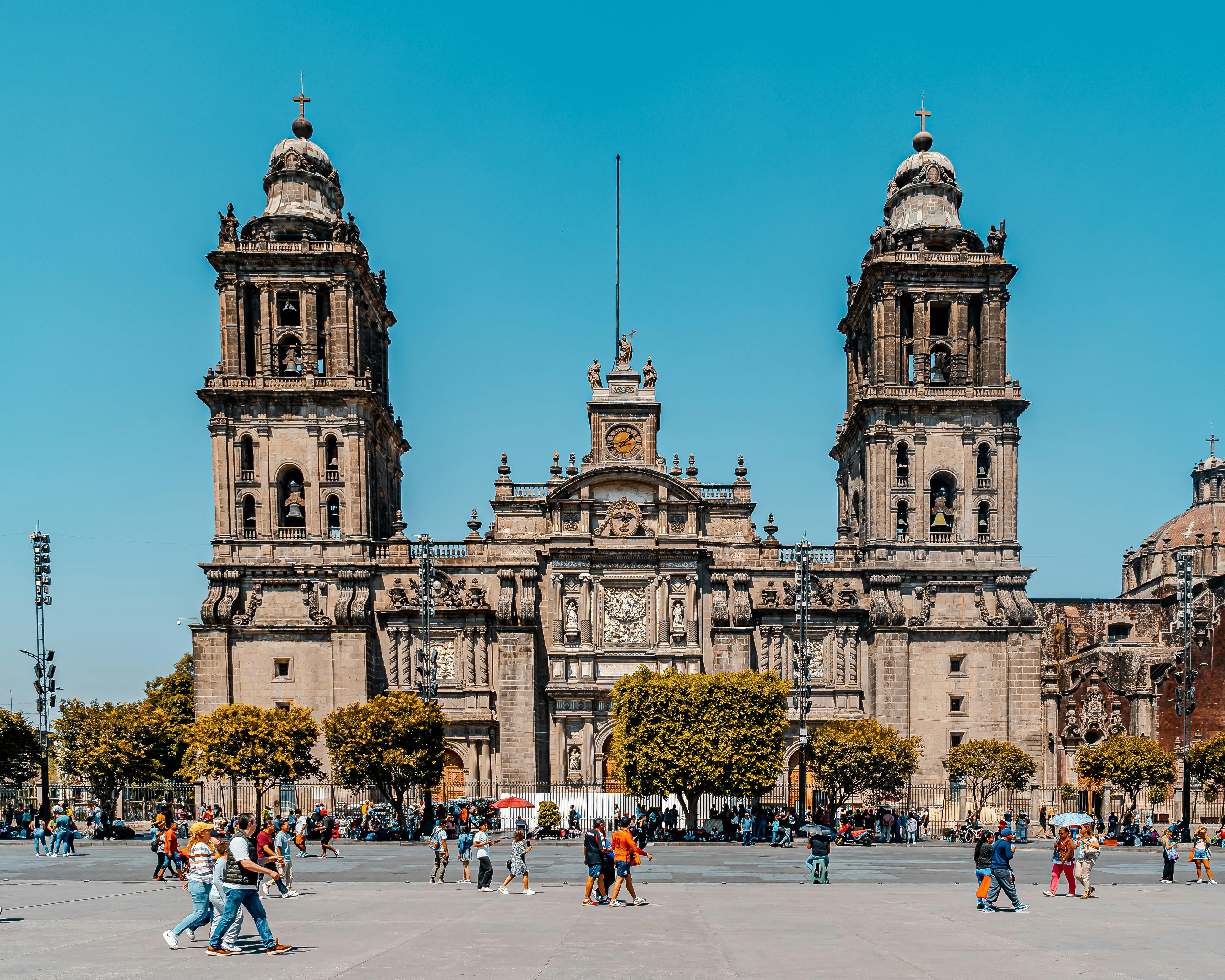
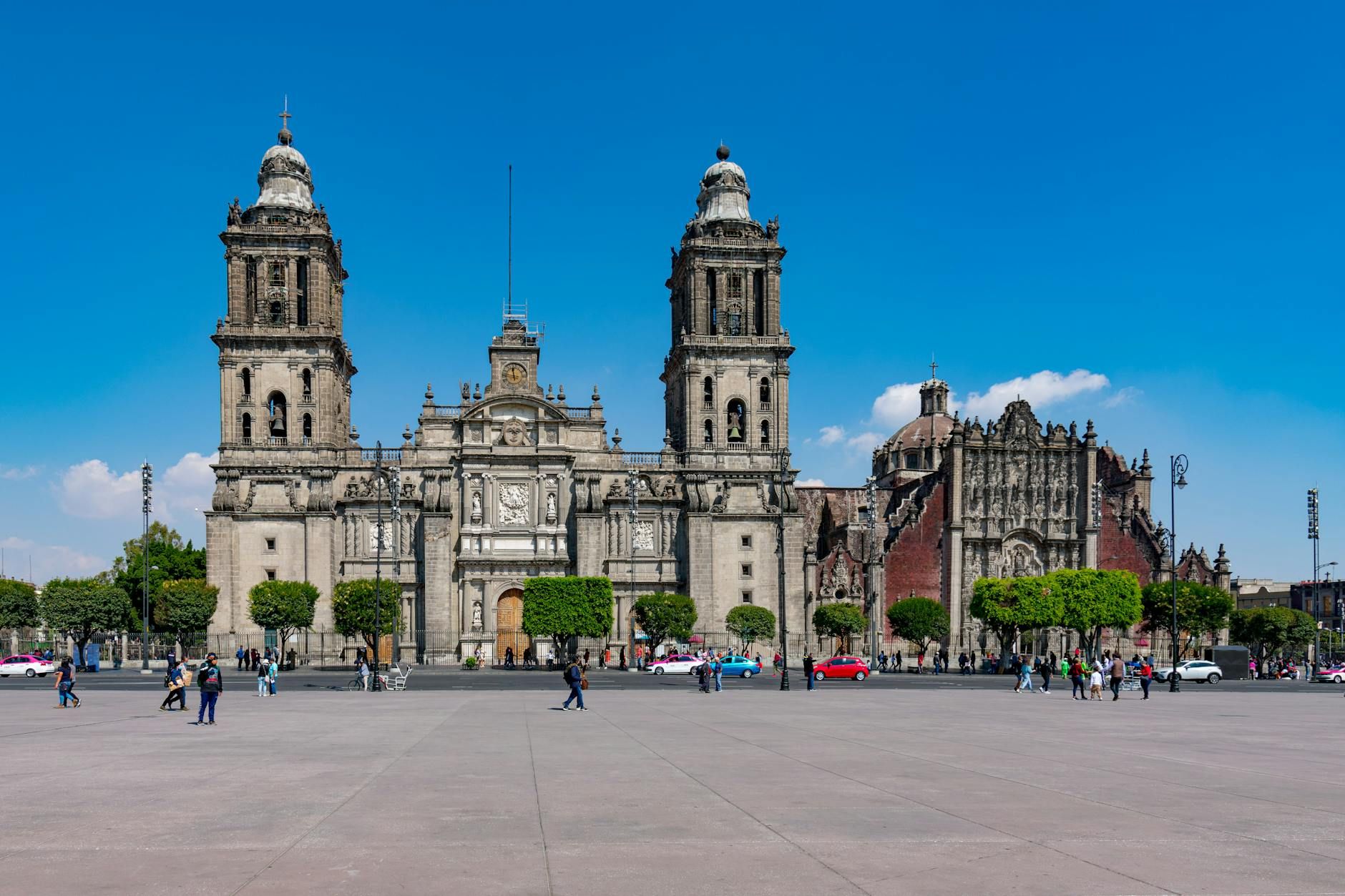
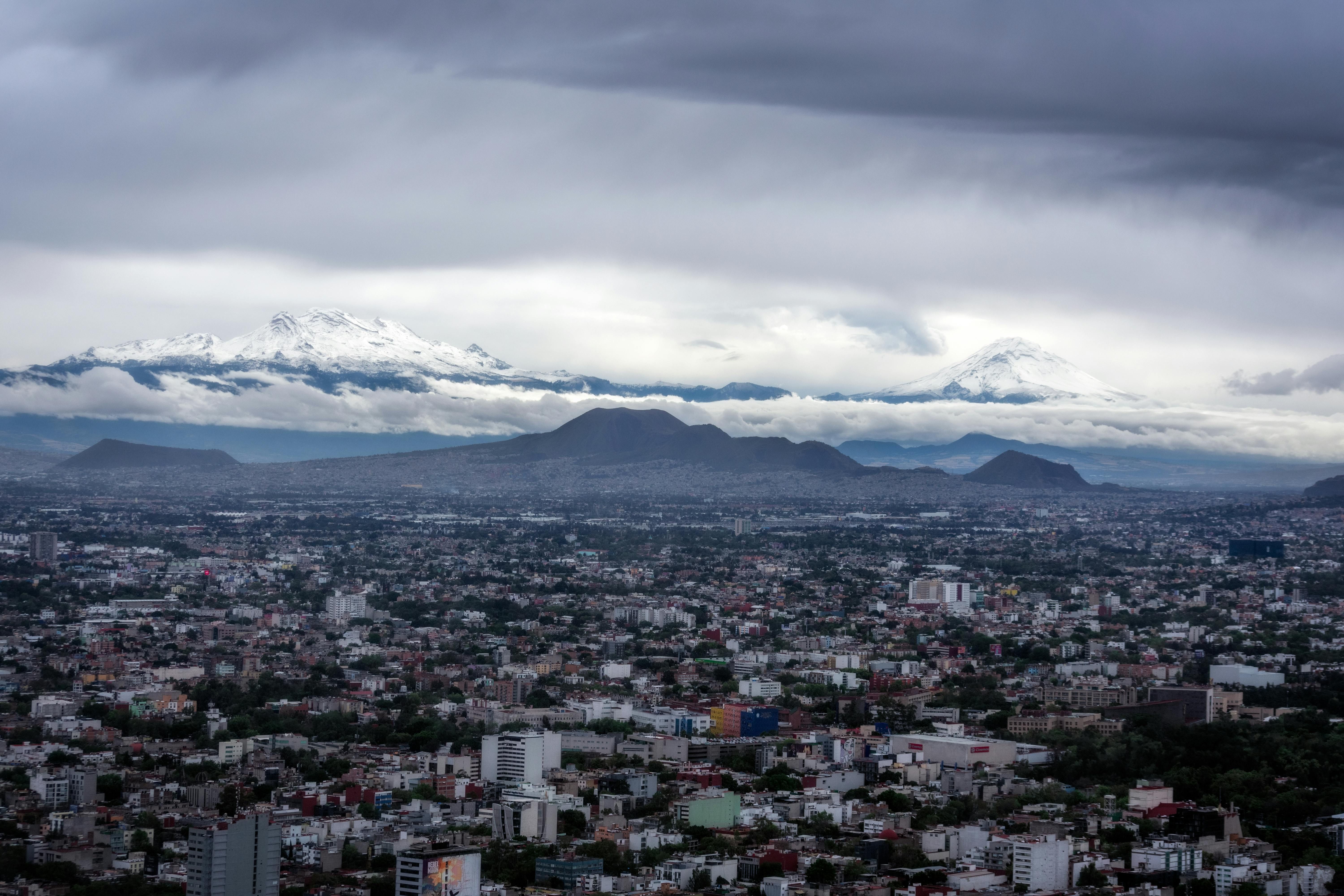
The capital city is a cultural and historical hub with world-class museums, historic sites like the Zocalo, and vibrant neighbourhoods like Condesa and Roma.
Things to do in Mexico City:
Zocalo:
Explore the historic heart of the city at the massive Zocalo square, where you can admire the Metropolitan Cathedral, the National Palace, and enjoy the vibrant atmosphere.
Coyoacan:
Visit the charming neighbourhood of Coyoacan, where you can explore the Frida Kahlo Museum (paid) or wander the colourful streets and markets for free.
Xochimilco:
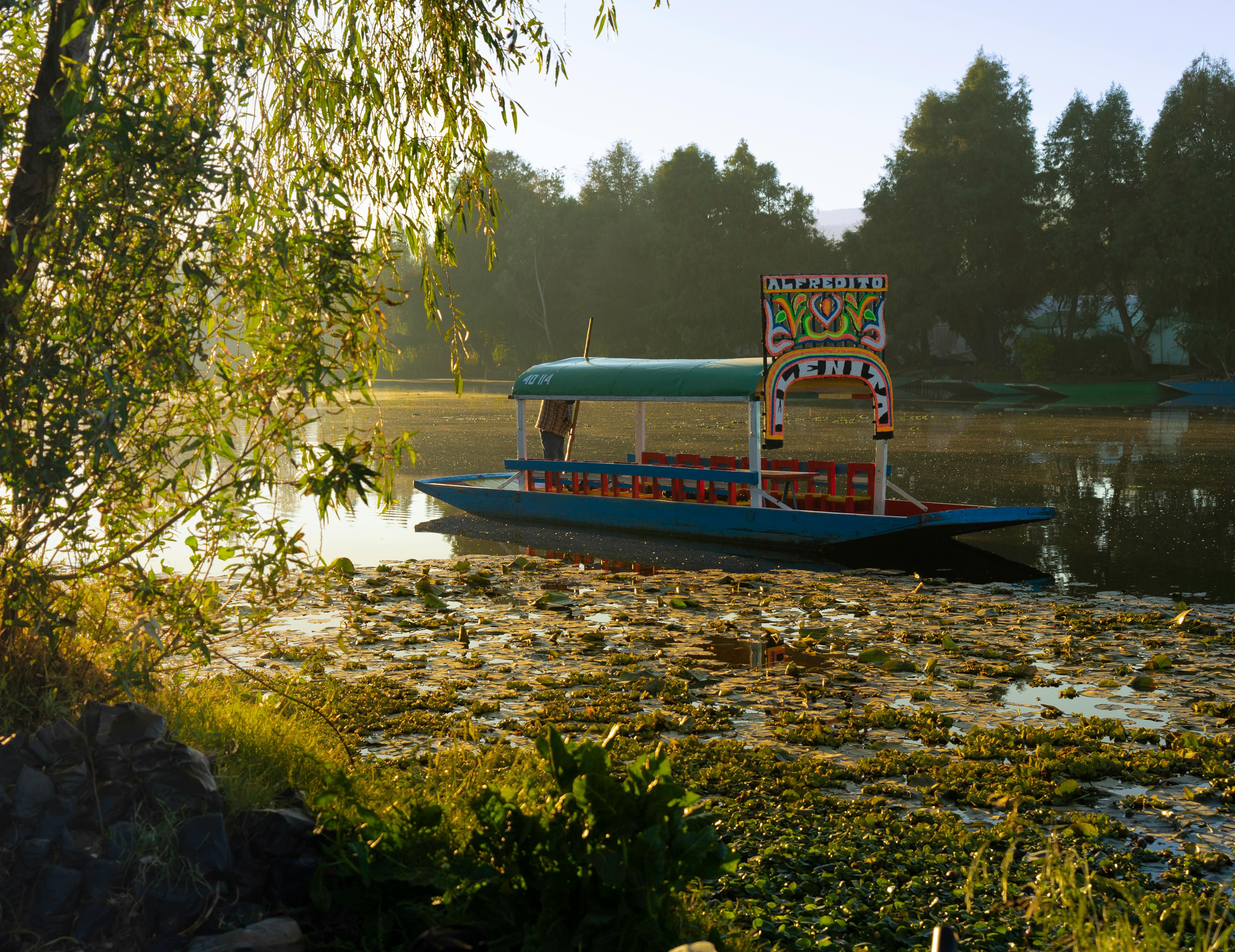
Experience the lively canal system of Xochimilco, where you can hire colourful boats known as trajineras and enjoy a floating fiesta with live music and food (paid).
Teotihuacan:
Venture to the ancient city of Teotihuacan to explore the Pyramids of the Sun and Moon and learn about Mesoamerican history.
Chapultepec Castle:
Explore Chapultepec Castle, perched on a hill in Chapultepec Park, and enjoy panoramic views of the city.
Getting oriented: Mexico City's main international airport is approximately 5 kilometres east of the city's historic centre, making the city centre easily accessible upon arrival.
Cancun
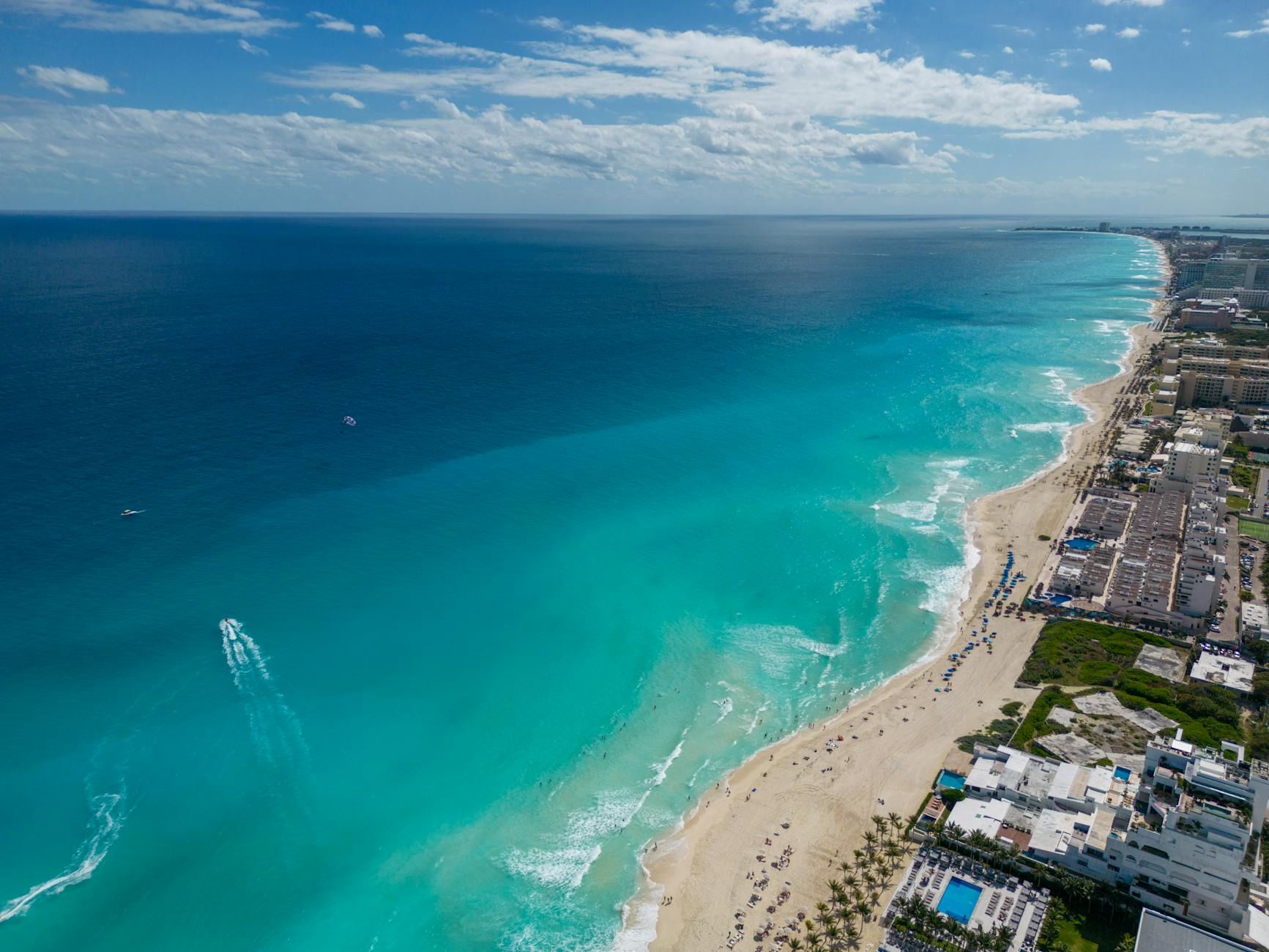
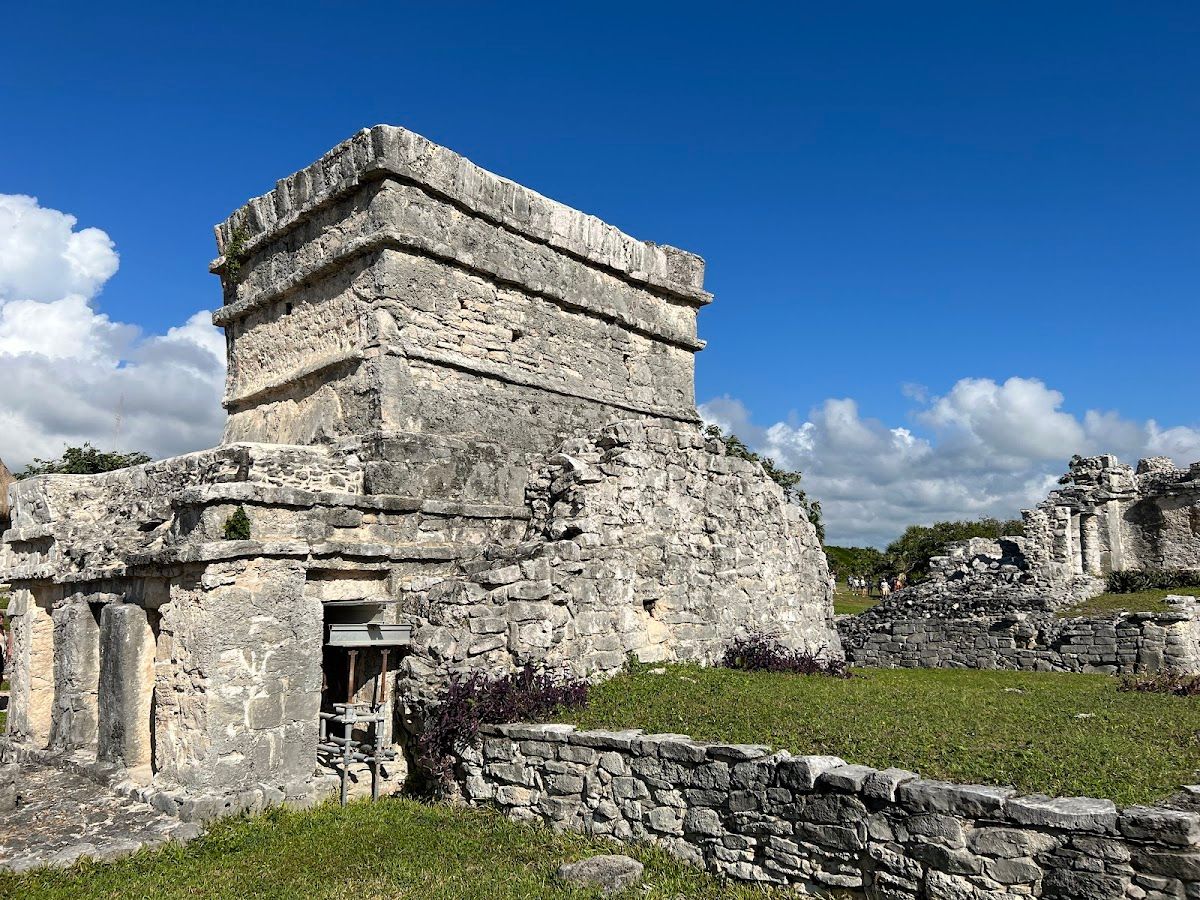
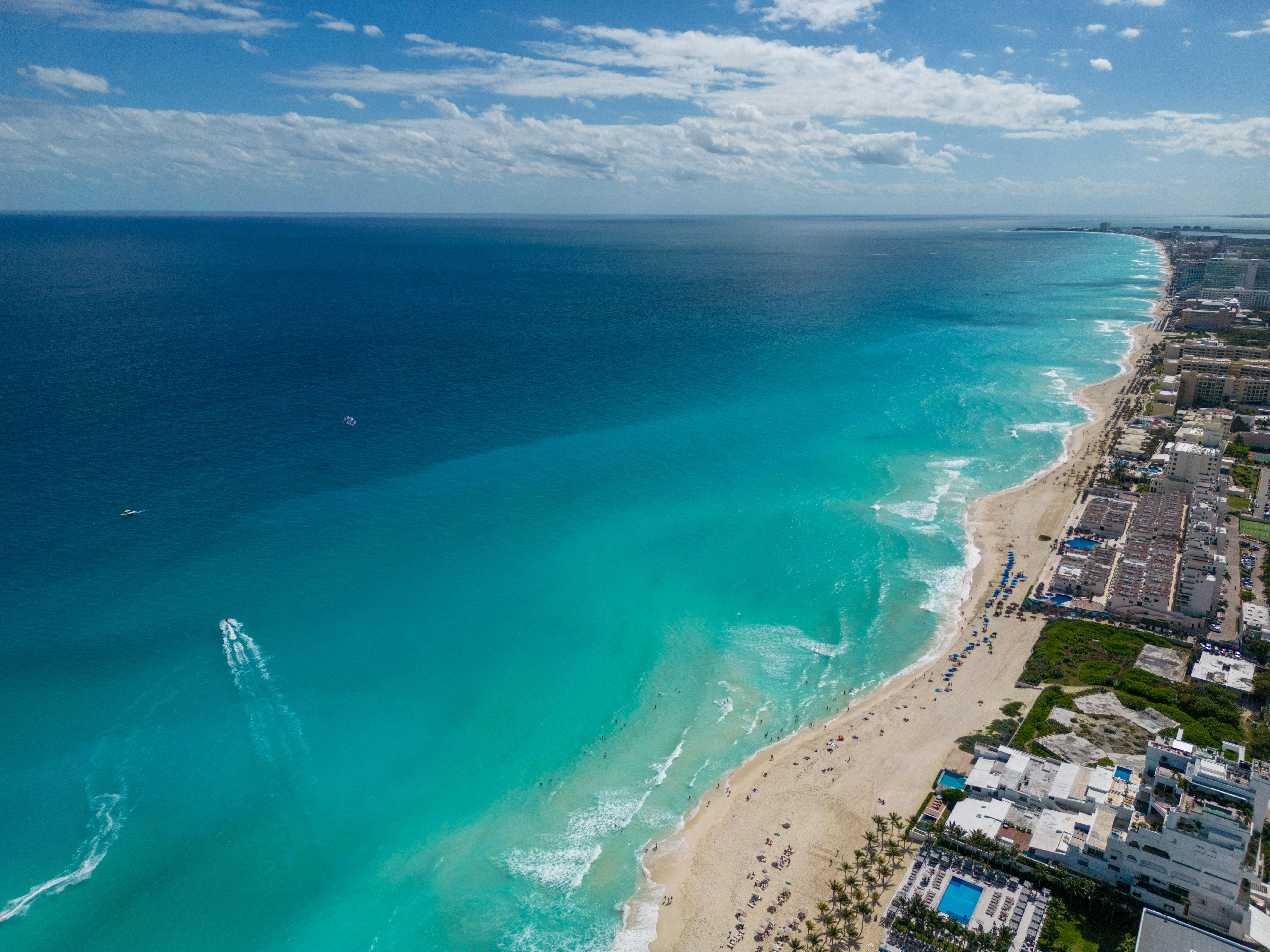
Cancun, situated on the Yucatan Peninsula's northeastern tip, is celebrated for its immaculate beaches and crystal-clear waters. The Hotel Zone, adorned with luxury resorts, offers a vibrant nightlife. Cancun also provides a gateway to historic Mayan ruins such as Tulum and Chichen Itza.
Things to do in Cancun:
Cancun Beaches:
Relax on the beautiful white-sand beaches of Cancun, such as Playa Delfines and Playa Tortugas.
El Rey Ruins:
Explore the ancient Mayan ruins at El Rey Ruins, located within the Hotel Zone.
Cancun Hotel Zone:
Take a leisurely stroll along the Hotel Zone's famous Boulevard Kukulcan and enjoy the vibrant atmosphere.
Chichen Itza:
Take a day trip to the famous Mayan ruins of Chichen Itza, a UNESCO World Heritage Site.
Isla Mujeres:
Enjoy a day trip to Isla Mujeres for beautiful beaches, snorkelling, and exploring the island's charming downtown.
Tulum:
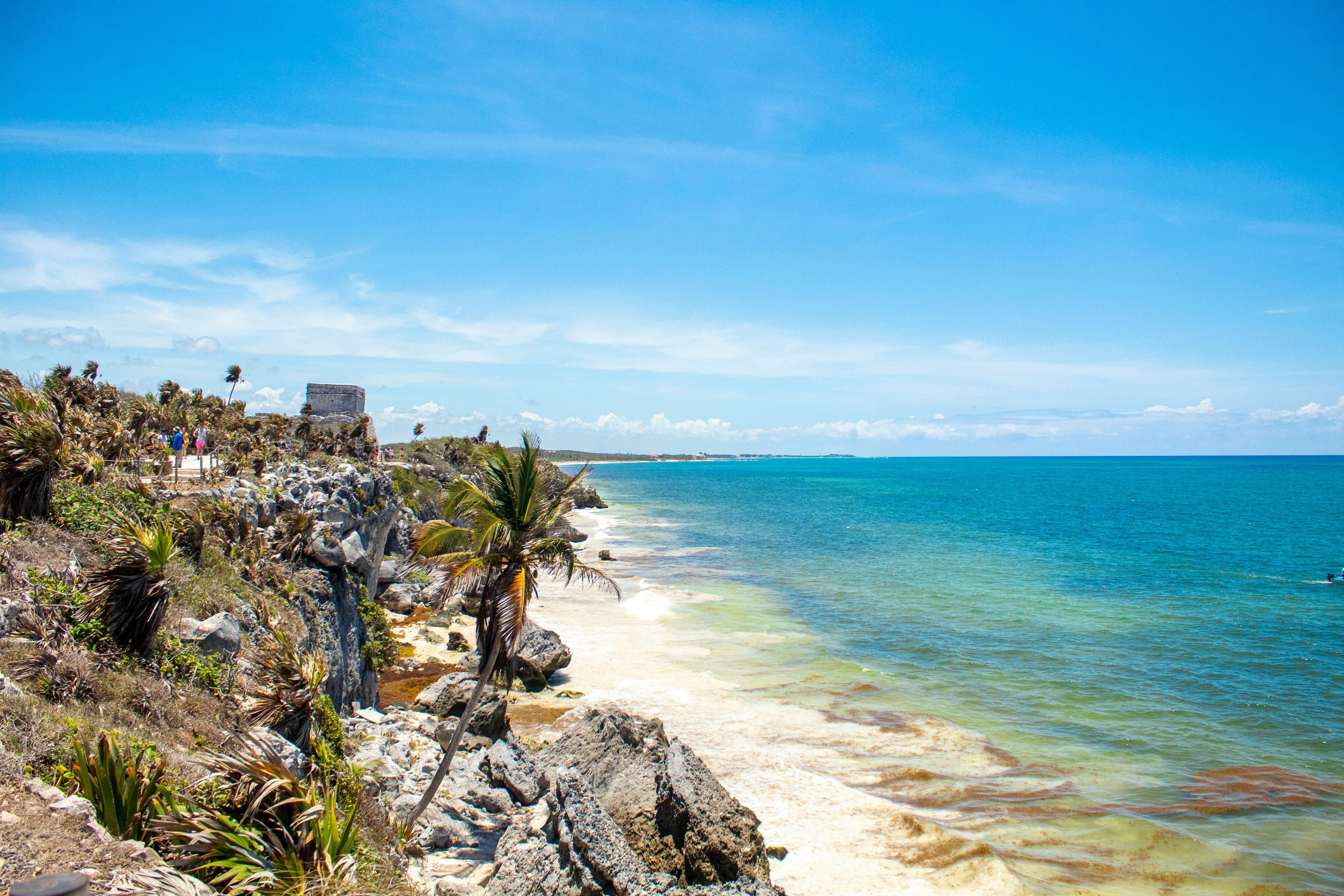
Visit the coastal town of Tulum, known for its stunning archaeological site, pristine beaches, and laid-back atmosphere.
Coba:
Explore the ancient Mayan city of Coba, where you can climb the tallest pyramid in the Yucatan region.
Getting oriented: Cancun's international airport is approximately 10 kilometres (about 6 miles) from the city centre, making it a convenient gateway for travellers visiting Cancun and the surrounding areas.
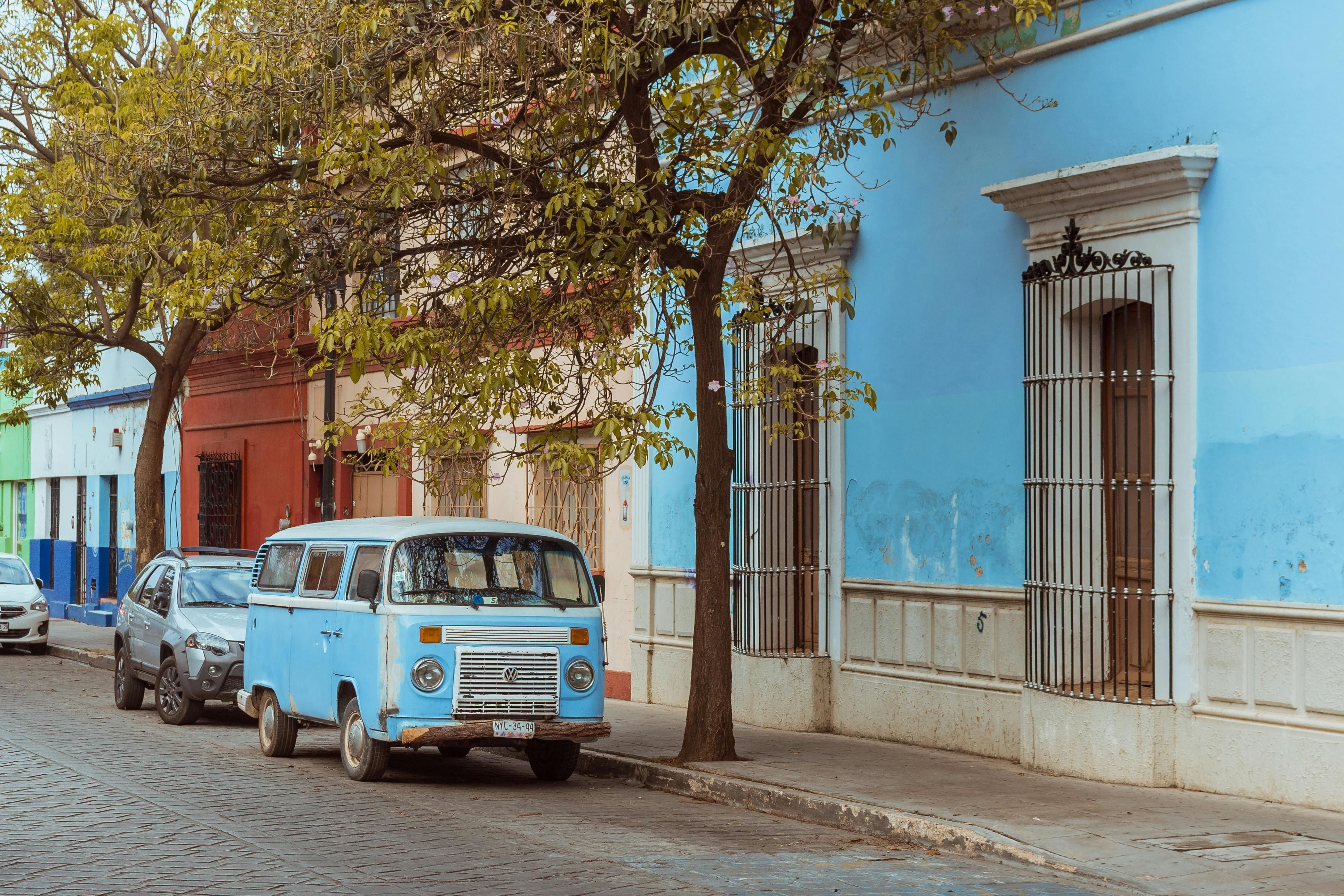
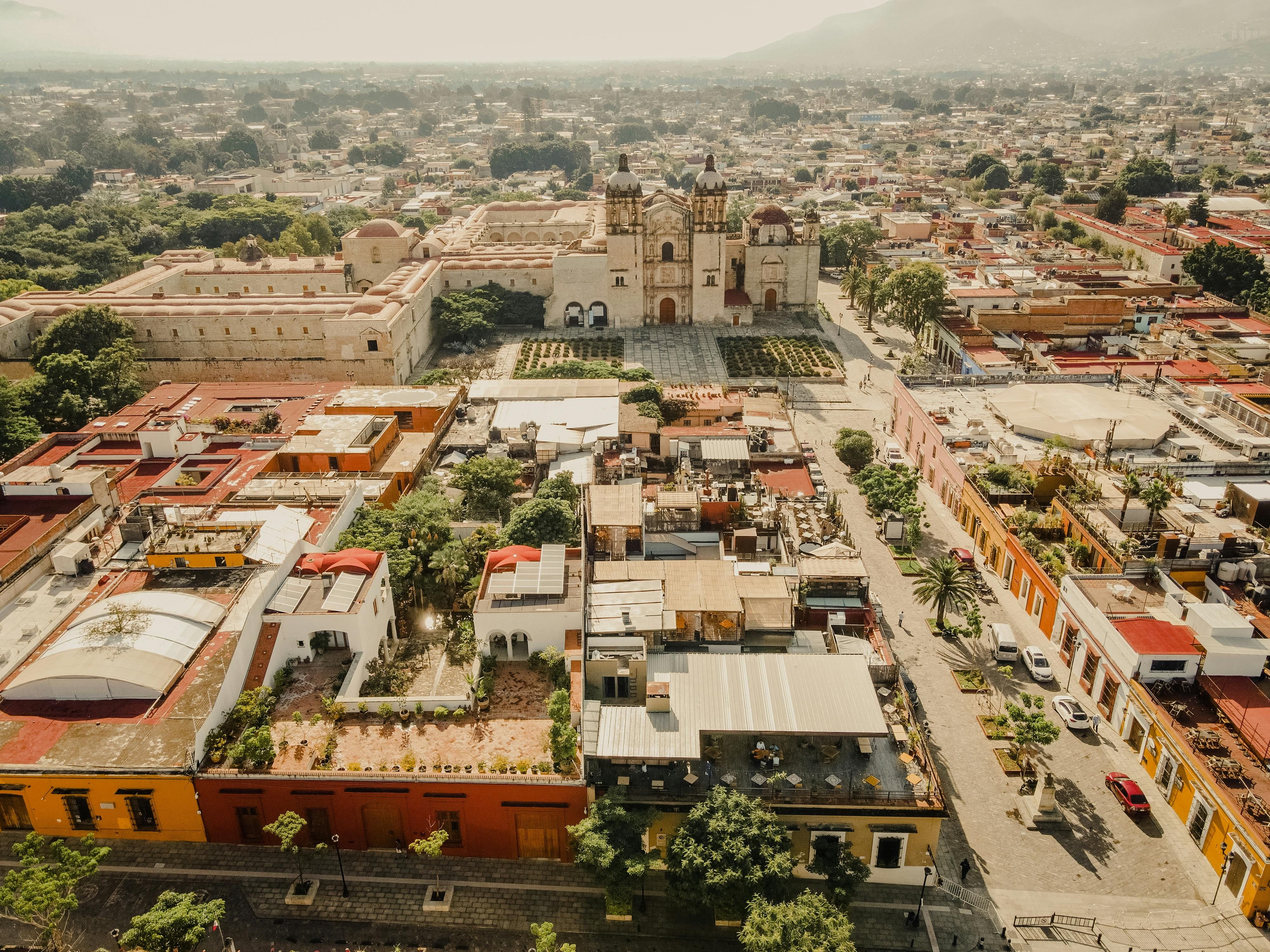
Famous for its colonial architecture, indigenous culture, and delicious cuisine, Oaxaca is a UNESCO World Heritage Site.
Things to do in Oaxaca City:
Templo de Santo Domingo:
Admire the ornate interior of the Santo Domingo church and former monastery, known for its baroque architecture.
Monte Alban:
Visit the ancient archaeological site of Monte Alban, an important Zapotec city (entrance fee).
Oaxaca Markets:
Wander through local markets like Mercado Benito Juarez and Mercado 20 de Noviembre to experience the sights and flavours of Oaxaca.
Mitla:
Explore the archaeological site of Mitla, known for its intricate geometric mosaics.
Hierve el Agua:
Visit the petrified waterfalls of Hierve el Agua, offering beautiful natural pools (entrance fee).
Mezcal Tours:
Take a guided tour of a mezcal distillery to learn about the production process and sample different varieties.
Teotitlan del Valle:
Visit Teotitlan del Valle to see how traditional rugs are made and purchase handmade textiles.
Tule Tree:
Visit the massive Tule Tree, one of the world's largest and oldest trees (entrance fee).
San Jose el Mogote:
Discover the pre-Columbian archaeological site of San Jose el Mogote (entrance fee).
Getting oriented: The Xoxocotlan International Airport is approximately 7 kilometres south of Oaxaca city centre, making it a convenient gateway for travellers to the city and the surrounding region.
Playa del Carmen
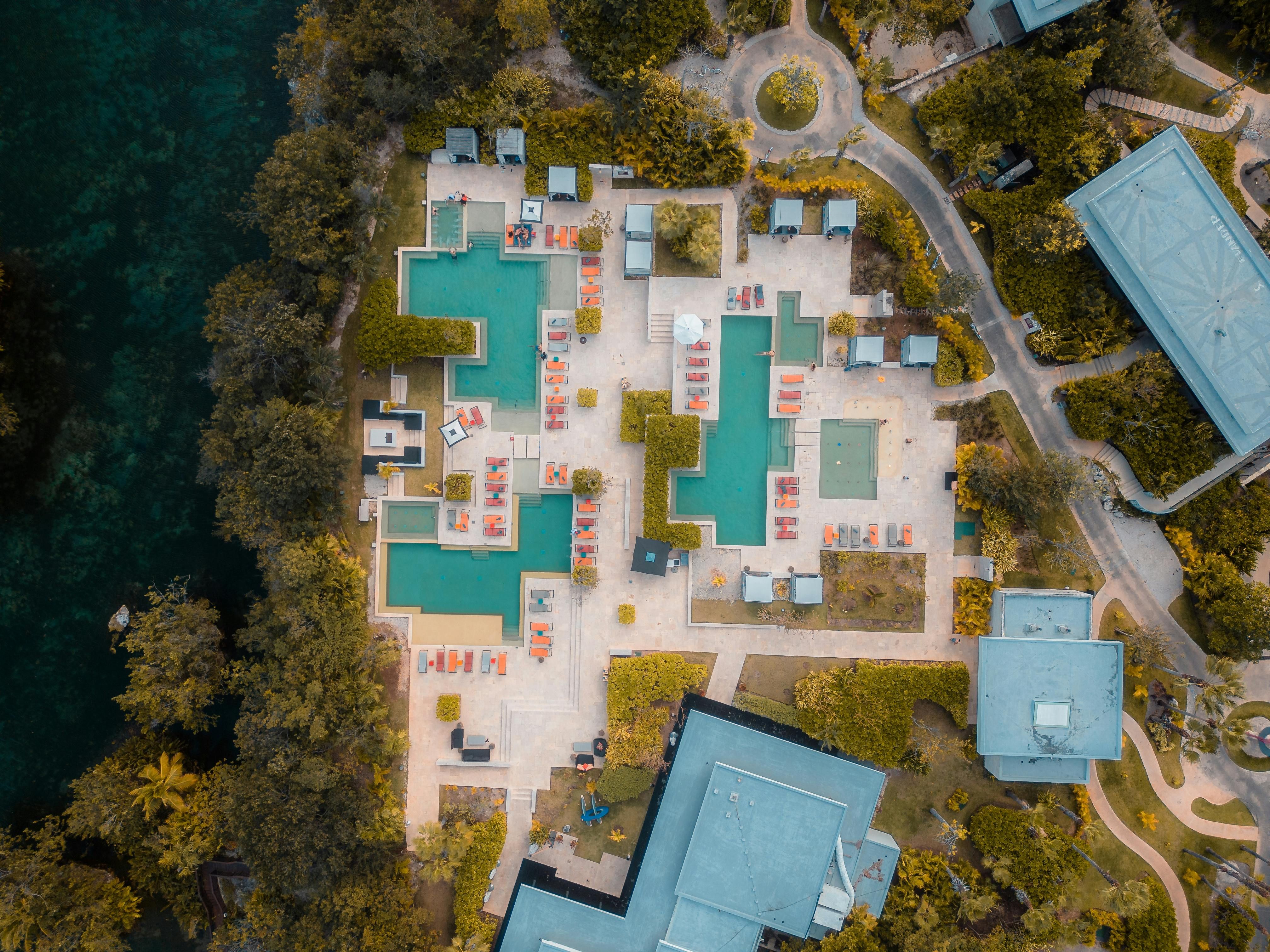
Playa del Carmen, on Mexico's Riviera Maya, is a coastal gem known for its stunning beaches, vibrant nightlife, and easy access to natural wonders like cenotes and Mayan ruins, making it a popular destination for sun-seekers and adventurers.
Things to do in Playa del Carmen:
Beach Days:
Relax on the beautiful Playa del Carmen beaches, such as Playa Mamitas or Playacar.
Cenote Exploration:
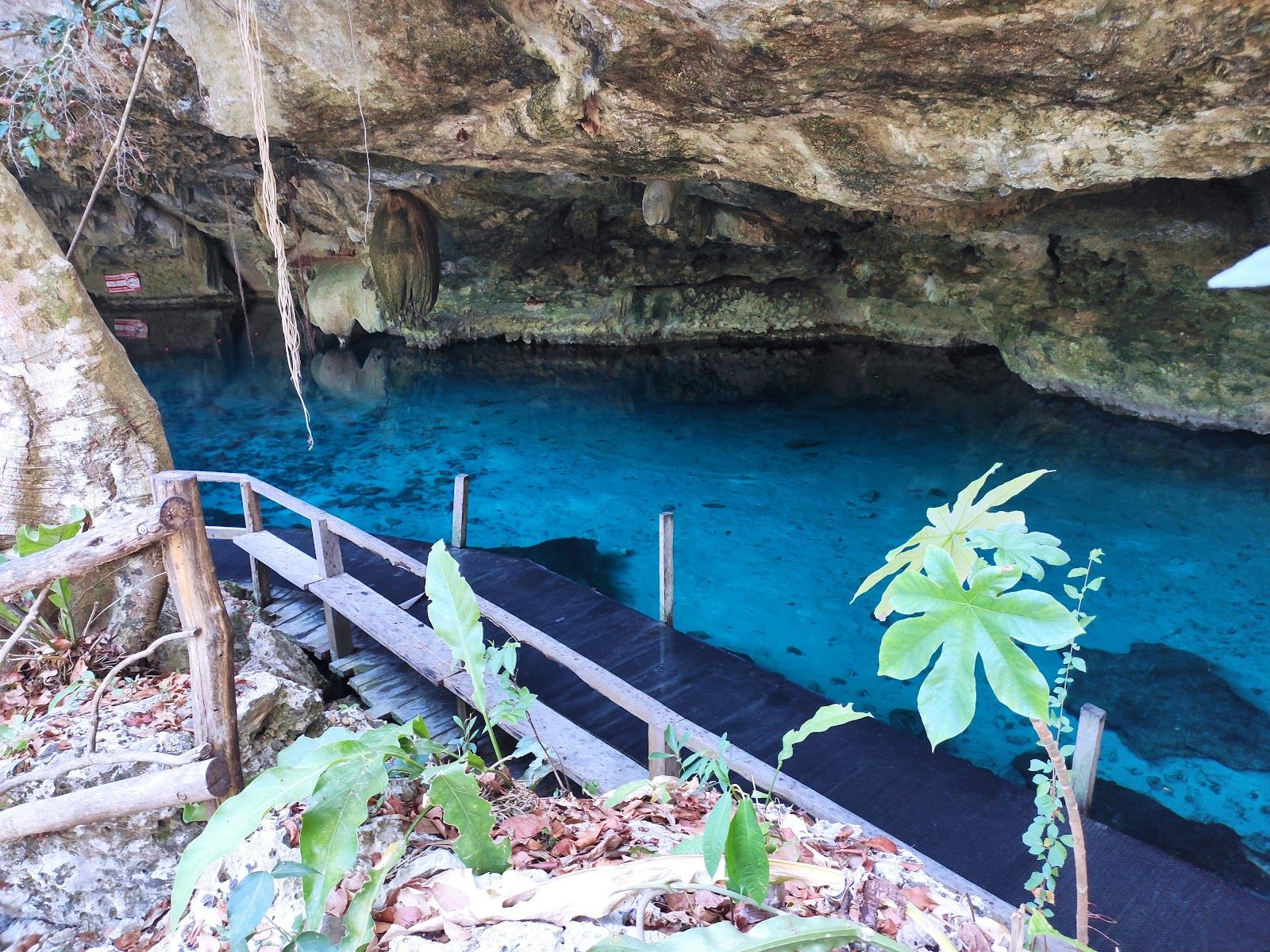
Visit nearby cenotes (natural sinkholes), such as Cenote Dos Ojos and Gran Cenote, for swimming and snorkelling.
Cave Diving:
Explore the underwater caves and caverns of the region with guided cave diving tours.
Playacar:
Wander through the upscale Playacar neighbourhood, known for its architecture and golf courses.
Fifth Avenue (La Quinta Avenida):
Stroll along the bustling pedestrian street with shops, restaurants, and street performances.
Local Markets:
Visit local markets like DAC (Domingo, Arte y Cultura) for crafts, art, and sometimes live performances.
Cultural Events:
Check for free cultural events and festivals happening in town, which often include music and dance performances.
Sunset at Playa Punta Esmeralda:
Enjoy a breathtaking sunset at Playa Punta Esmeralda, a local favourite.
Getting oriented: Playa del Carmen is approximately 68 kilometres (about 42 miles) south of Cancun's international airport. Travellers can reach Playa del Carmen by shuttle services, taxis, and buses, with a journey taking approximately 45 minutes to an hour.
Guadalajara
The cultural capital of Mexico, known for mariachi music, tequila, and beautiful historic districts like Tlaquepaque.
Things to do in Guadalajara:
Hospicio Cabanas:
Explore the UNESCO-listed Hospicio Cabanas, known for its stunning murals by Jose Clemente Orozco.
Tequila Tour:
Take a day trip to the nearby town of Tequila for a tour of tequila distilleries and tastings.
Tlaquepaque:
Discover the charming neighbourhood of Tlaquepaque, famous for its artisan shops, galleries, and handicrafts.
Mariachi Plaza:
Enjoy live mariachi music and dance performances at Mariachi Plaza in the historic centre.
Guadalajara Cathedral:
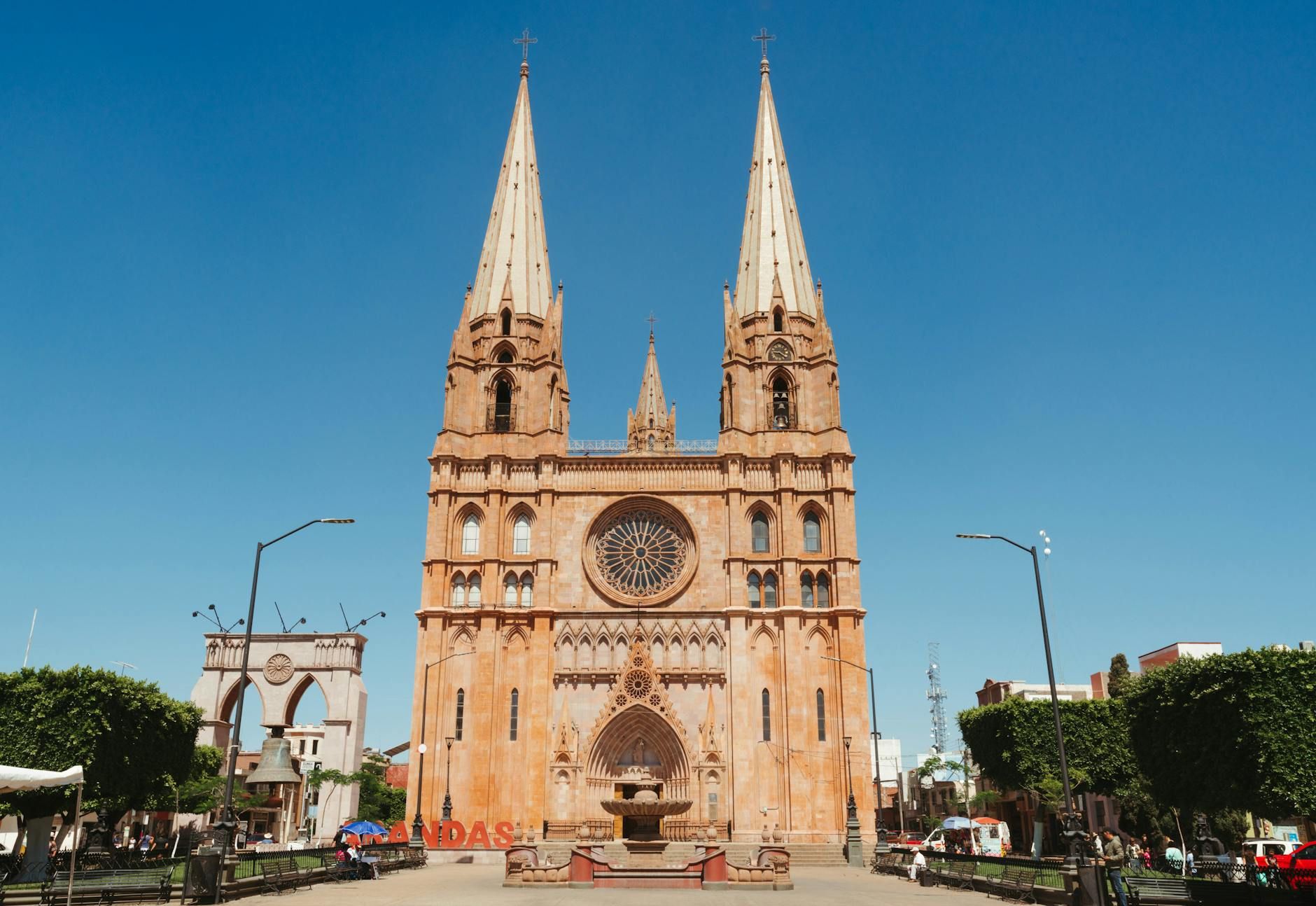
Visit the stunning Guadalajara Cathedral, a symbol of the city's rich history and architecture.
Tonala Market:
Shop for crafts, ceramics, and pottery at the Tonala Market.
Cabanas Art Museum:
Visit the Orozco Murals at the Cabanas Art Museum within the Hospicio Cabanas.
Guadalajara Zoo:
Spend a day at the Guadalajara Zoo, home to a wide variety of animals.
Getting oriented: Guadalajara's international airport is approximately 16 kilometres south of the main city centre, making it a convenient and easily accessible gateway for travellers visiting the city and the surrounding region.
Dining
Mexican cuisine is renowned for its diverse flavours and rich culinary traditions. Here are some of the most popular foods that locals commonly enjoy in Mexico:
Local Cuisine to Try in Mexico
Sopes
These thick, round tortillas are pinched at the edges to create a border, then topped with refried beans, meat, lettuce, cheese, and crema.
Chiles Rellenos
Poblano peppers are stuffed with cheese, meat, or a combination of both, then dipped in egg batter and fried. They are often served with a tomato-based sauce.
Mole
Mole is a rich, complex sauce made with ingredients like chocolate, chiles, and spices. It's typically served over chicken or turkey and comes in various regional variations, such as mole poblano and mole negro.
Pozole
Pozole is a hearty soup made from hominy (dried maize kernels) and meat (usually pork or chicken). It's typically garnished with radishes, lettuce, onion, and dried chilli flakes.
Chilaquiles
Chilaquiles are tortilla chips that are simmered in red or green salsa until they soften. They are often topped with crema, cheese, and sometimes eggs.
Tamales
Tamales consist of masa (corn dough) filled with meats, cheese, or vegetables, wrapped in corn husks, and steamed. They are a popular street food.
Culture & Customs
Mexico boasts a rich and multifaceted culture with a tapestry of customs and traditions deeply ingrained in the daily lives of its people.
Here are some key aspects of Mexican culture and customs:
Language
Spanish is the official language, but many Mexicans also speak indigenous languages like Nahuatl, Maya, and Zapotec. Mexico's regional accents and dialects can vary significantly.
Religion
Mexico is predominantly Catholic, and religious traditions play a significant role in daily life. Festivals, processions, and celebrations tied to the Catholic calendar are common throughout the country, from Easter (Semana Santa) to patron saint festivals in small towns.
Festivals and Celebrations
Mexico is famous for its vibrant festivals. The Day of the Dead (Dia de los Muertos) in late October and early November is one of the most iconic, featuring colourful altars, marigold flowers, and celebrations honouring departed loved ones. Carnival, Independence Day (16 September), and the Guelaguetza in Oaxaca are other major events worth planning your trip around.
Greetings and Social Customs
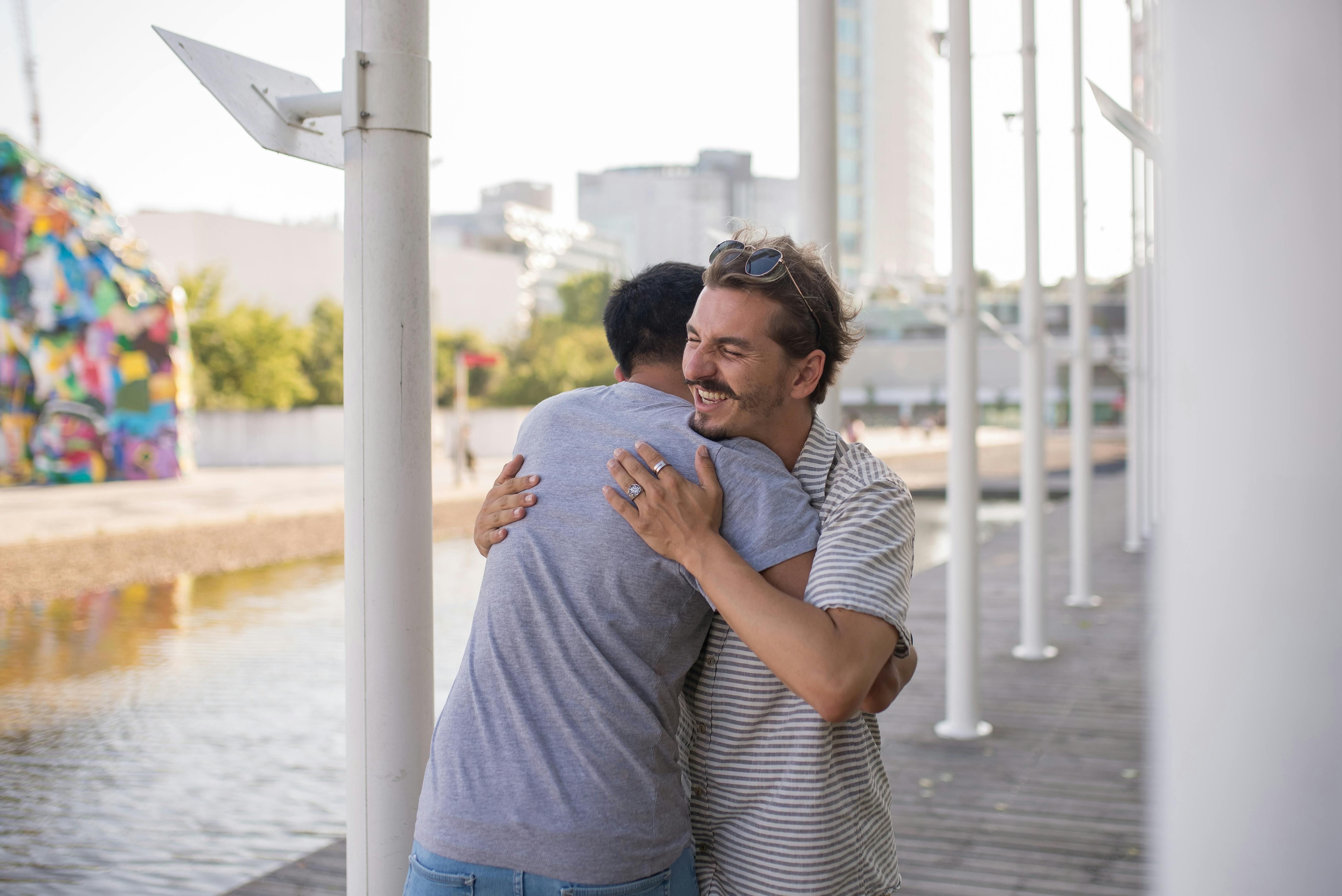
Mexicans are warm and welcoming. Greetings often include a handshake or a light embrace (abrazo) between friends. It's common to greet everyone upon entering a room. Punctuality is more relaxed than in Australia — "Mexican time" is a real phenomenon, so allow flexibility in social settings.
Family
Family is central to Mexican culture. Extended family gatherings are frequent, and family ties are strong. Travellers will often notice large family groups dining together, celebrating together, and supporting each other in day-to-day life.
Tipping
Tipping is customary in Mexico. In restaurants, a tip of 10–15% is standard. It's also common to tip hotel staff, taxi drivers (rounding up is fine), and tour guides.
Safety
Mexico is a vast country, and safety varies by region. Popular tourist destinations like Cancun, Playa del Carmen, Oaxaca, and Mexico City's central neighbourhoods are generally safe for travellers who exercise normal precautions. Use registered taxis or ridesharing apps, keep valuables secure, and stay informed about local conditions.
Weather
Mexico's climate varies significantly depending on the region, given its vast geographic diversity.
Coastal and Lowland Areas
Cancun, Playa del Carmen, Puerto Vallarta, and other coastal destinations experience a tropical climate with warm temperatures year-round. Expect daytime temperatures of 25–35°C. The dry season (November to April) is the most popular time for travellers, offering sunny skies and lower humidity.
Central Highlands
Mexico City, Guadalajara, and Oaxaca sit at higher elevations, resulting in more moderate temperatures. Mexico City's average hovers around 15–25°C, making it comfortable year-round. Evenings can be cool, so pack a light jacket.
Rainy Season
The rainy season runs from May to October across most of the country. Rain typically falls in short afternoon or evening bursts rather than all day. The Yucatan Peninsula may experience hurricanes between June and November, though major disruptions are uncommon.
Best Time to Visit
For Australian travellers, visiting during the Australian winter (June–August) coincides with Mexico's rainy season but offers fewer crowds and lower accommodation rates. The dry season (November–April) aligns with Australian summer and school holidays, making it popular for families. Plan ahead for December and Easter peak periods.
Book Your Mexico Accommodation
ViaResorts offers accommodation deals across Mexico's most popular destinations — from the beaches of Cancun and Playa del Carmen to the cultural heart of Mexico City. You book your own way to get there, and we handle the accommodation.
Mexico is a destination that delivers on every front — ancient history, world-class beaches, vibrant culture, and some of the most flavourful cuisine on the planet. Whether you're exploring the pyramids of Teotihuacan, snorkelling in the cenotes of the Riviera Maya, wandering the colourful markets of Oaxaca, or soaking up the nightlife in Cancun, Mexico offers something for every type of Australian traveller.
With its warm hospitality, diverse landscapes, and rich traditions, Mexico is well worth the journey from Australia. Start planning your Mexican holiday today — browse accommodation deals on viaresorts.com and secure your stay from just $100 AUD deposit.
Pricing is indicative and may vary by travel dates, room type, and availability. Always check the live listing on viaresorts.com before booking.
Written by ViaResorts Team -- Travel guide for Australian travellers visiting Mexico.
Shopping
Artisanal Crafts
Mexico is renowned for its artisanal craftsmanship. You can shop for beautifully crafted ceramics, textiles, pottery, and intricate handwoven rugs. Markets like the Bazar del Sabado in Mexico City and the markets in Oaxaca are excellent places to discover these treasures.
Crowd Level:Busy
Activity
Hand-Painted Pottery
Talavera pottery is a well-known Mexican art form, characterised by its intricate hand-painted designs. Puebla and Dolores Hidalgo are renowned for their Talavera pottery. Visiting Mexico for the first time promises an exciting adventure filled with diverse experiences and cultural discoveries. One of the highlights is exploring ancient ruins, such as the iconic Chichen Itza, the majestic Teotihuacan, and the mystical Palenque, offering a glimpse into the rich history of the Maya and Aztec civil
Crowd Level:Very Busy
Frequently Asked Questions
Do I need a visa to travel to Mexico from Australia?
Australian passport holders don't need a visa for tourist visits to Mexico up to 180 days. You'll receive a tourist card (FMM) upon arrival that you must keep safe and surrender when leaving. Make sure your passport is valid for at least 6 months from your entry date.
What's the best way to exchange Australian dollars in Mexico?
It's often easier to exchange AUD to USD first, then to Mexican pesos, as direct AUD-MXN exchanges aren't available everywhere. ATMs are widely available and usually offer good exchange rates, though check with your Australian bank about international withdrawal fees. Banks and currency exchange booths are also reliable options.
Is Mexico safe for Australian tourists?
Mexico is generally safe for tourists who stick to popular destinations and exercise normal travel precautions. Stay in well-reviewed accommodations, use reputable transportation, and avoid displaying expensive items. The tourist areas mentioned in this guide like Cancun, Mexico City's main districts, and Oaxaca have good infrastructure and security.
What's the best time of year to visit Mexico from Australia?
The dry season from December to April offers the most pleasant weather with less humidity and rainfall, making it ideal for beach destinations and sightseeing. This coincides nicely with Australia's summer holidays, though expect higher prices and crowds. The shoulder seasons of May-June and September-November can offer better value with still decent weather.
How much should I budget for a trip to Mexico?
Budget travellers can expect to spend around AUD $80-120 per day including accommodation, meals, and activities. Mid-range travellers should budget AUD $150-250 per day for comfortable hotels and dining experiences. Luxury travellers can expect to spend AUD $300+ per day, especially in resort areas like Cancun and Playa del Carmen.