Italy offers historical significance, artistic heritage, and cultural diversity that few countries can match. From ancient ruins to Renaissance treasures, the country's rich history unfolds at every turn. Renowned museums house masterpieces by iconic artists like Michelangelo and Leonardo da Vinci. Breathtaking landscapes stretch from the Amalfi Coast to the Italian Alps.
Culinary delights abound, from pizzas in Naples to seafood along the Amalfi Coast. Italian hospitality shines through as locals welcome visitors warmly. Italy is a hub of fashion and design, particularly in Milan. Attractions and activities are available year-round, promising an unforgettable holiday.
Getting Around Italy
Italy offers a variety of transport options for getting between cities and exploring regions. Whether travelling locally or covering longer distances, there are many ways to make your way around the country.
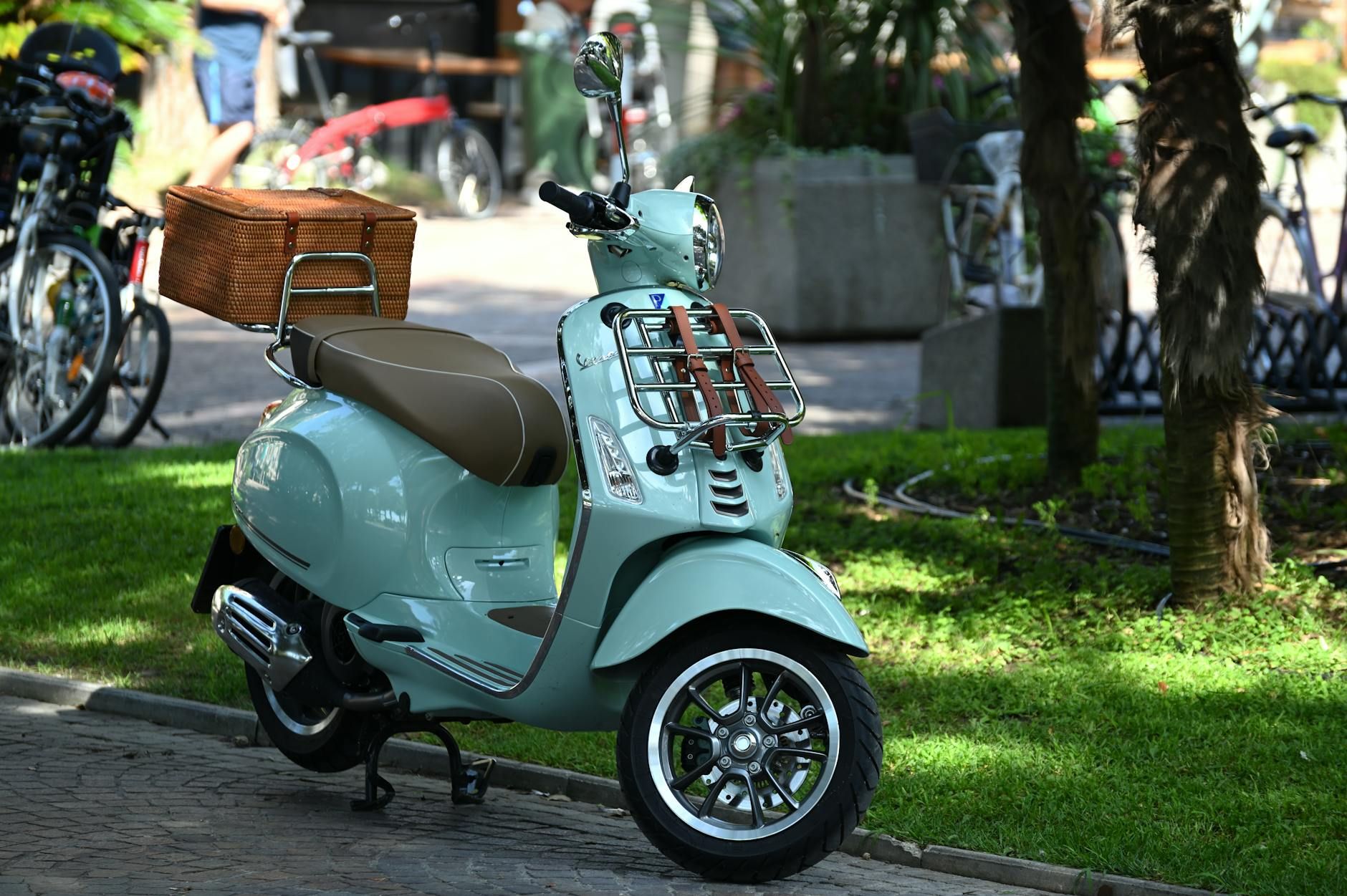
Travel tip: For efficient local travel in Italy, use public transport like trains and buses, opt for walking or cycling in cities, consider ride-sharing services, and always carry a map or smartphone with GPS. Verify ticket validity and watch out for pickpockets in crowded areas.
Trains
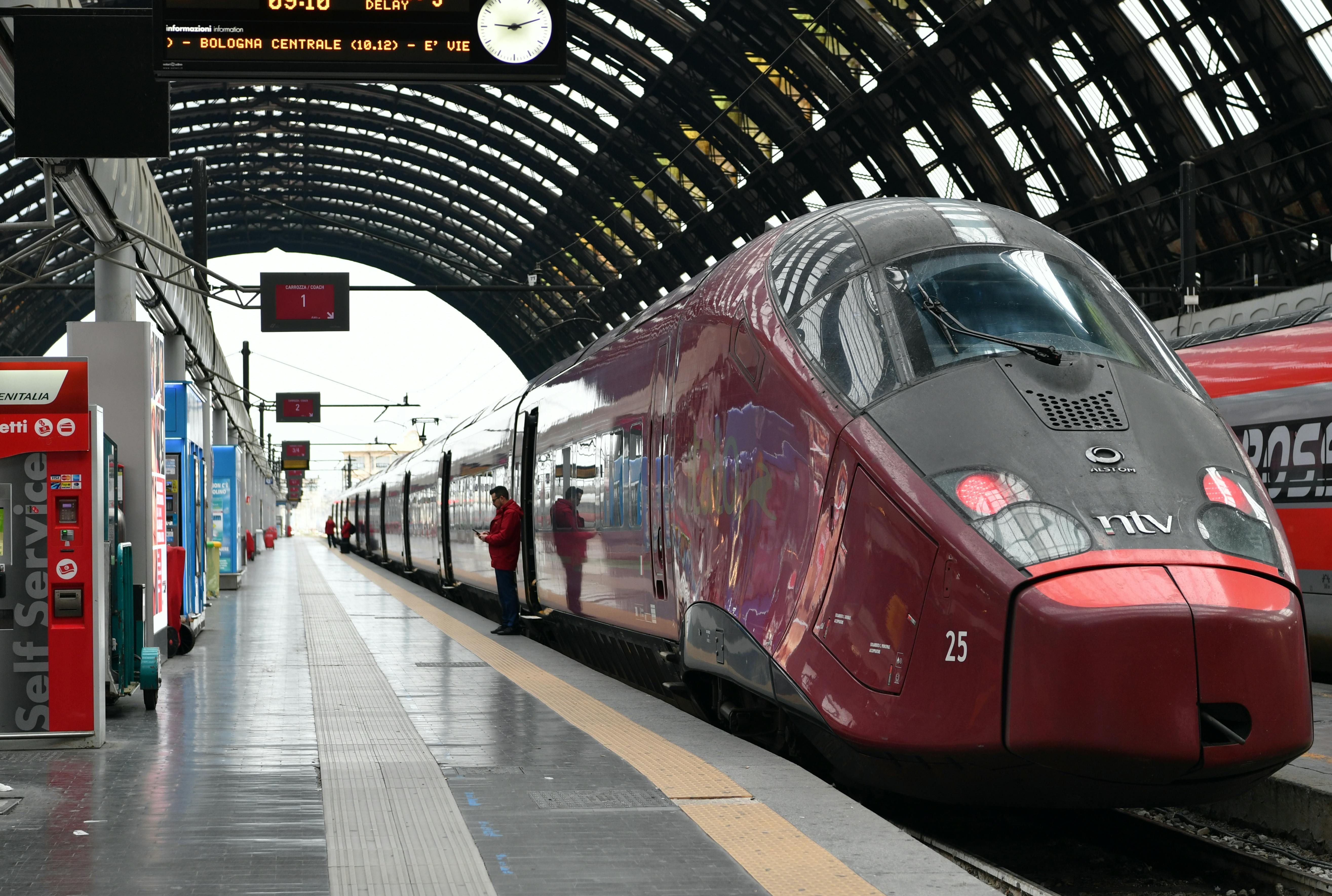
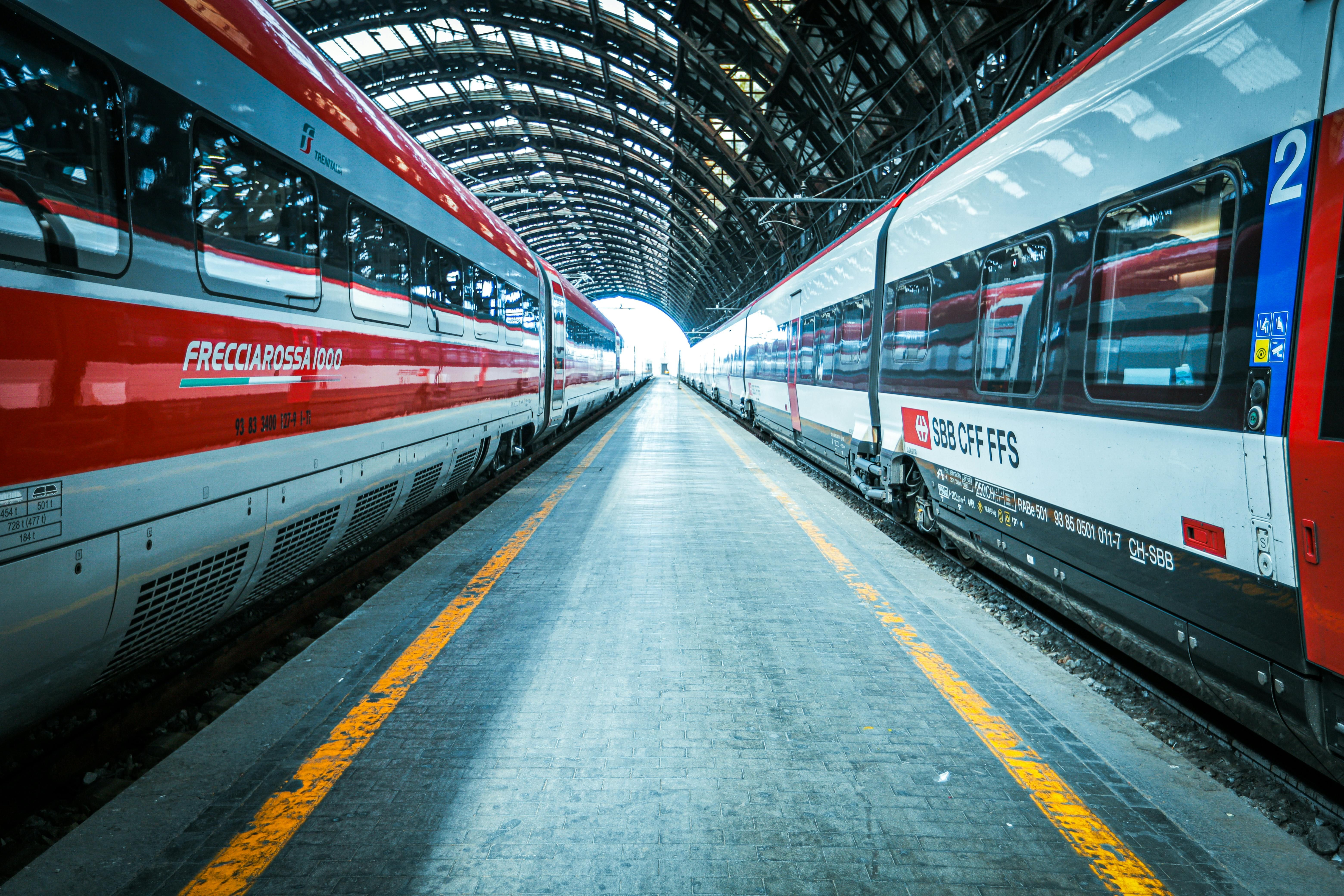
Italy has an extensive and efficient rail network operated by Trenitalia and Italo, connecting major cities and towns. High-speed trains like the Frecciarossa and Frecciargento offer fast connections between cities, while regional trains provide access to smaller towns and villages.
Train costs: Average regional train ticket: EUR 10–20 | High-speed train ticket (e.g., between major cities): EUR 40–100 | Eurail pass for tourists: EUR 100–500+
Buses
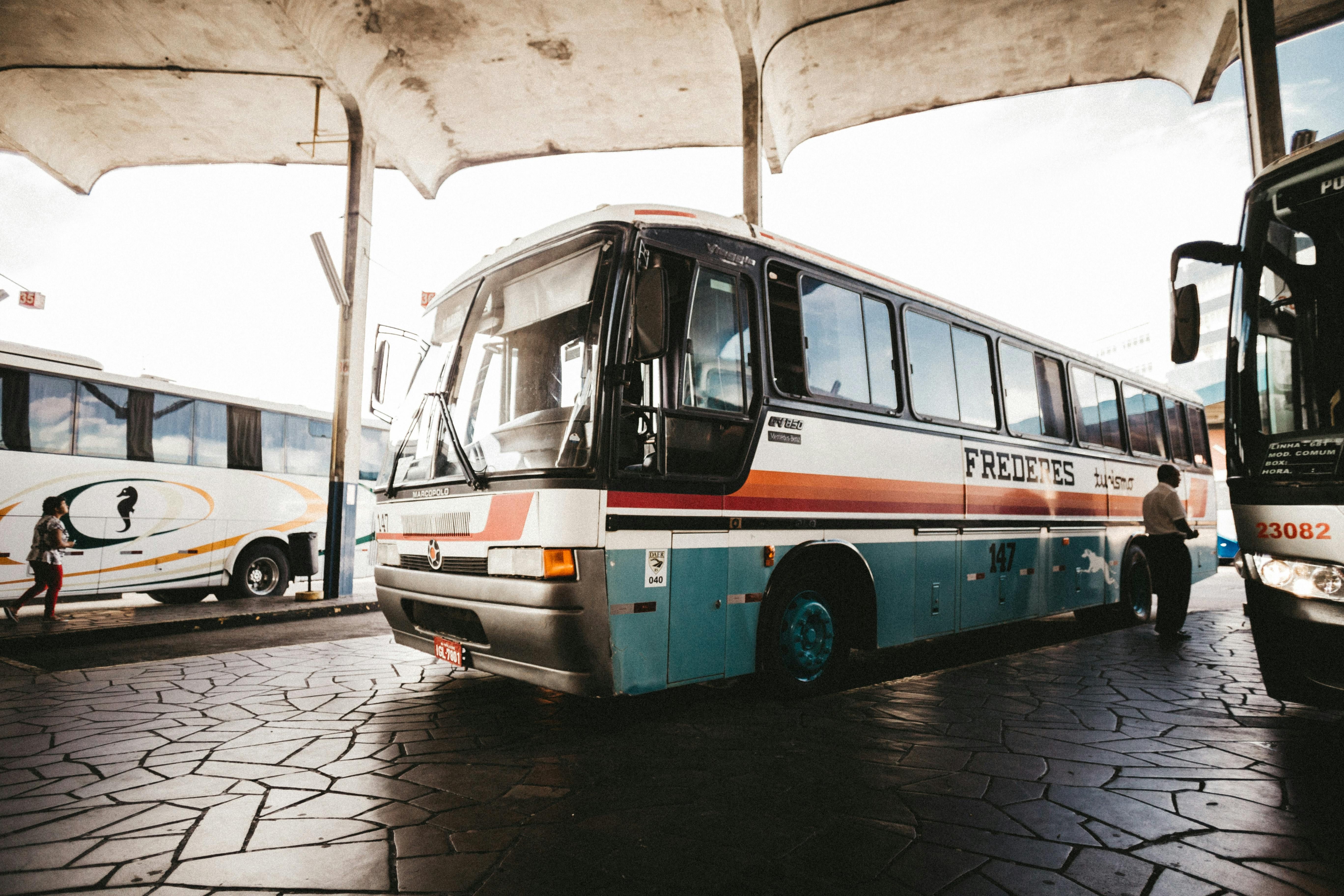
Buses are another popular mode of transport in Italy, offering connections to destinations not served by trains. Companies like FlixBus and Busitalia operate long-distance and regional bus services, providing affordable options for travel within Italy.
Bus costs: Average long-distance bus ticket: EUR 10–30
Car Rentals
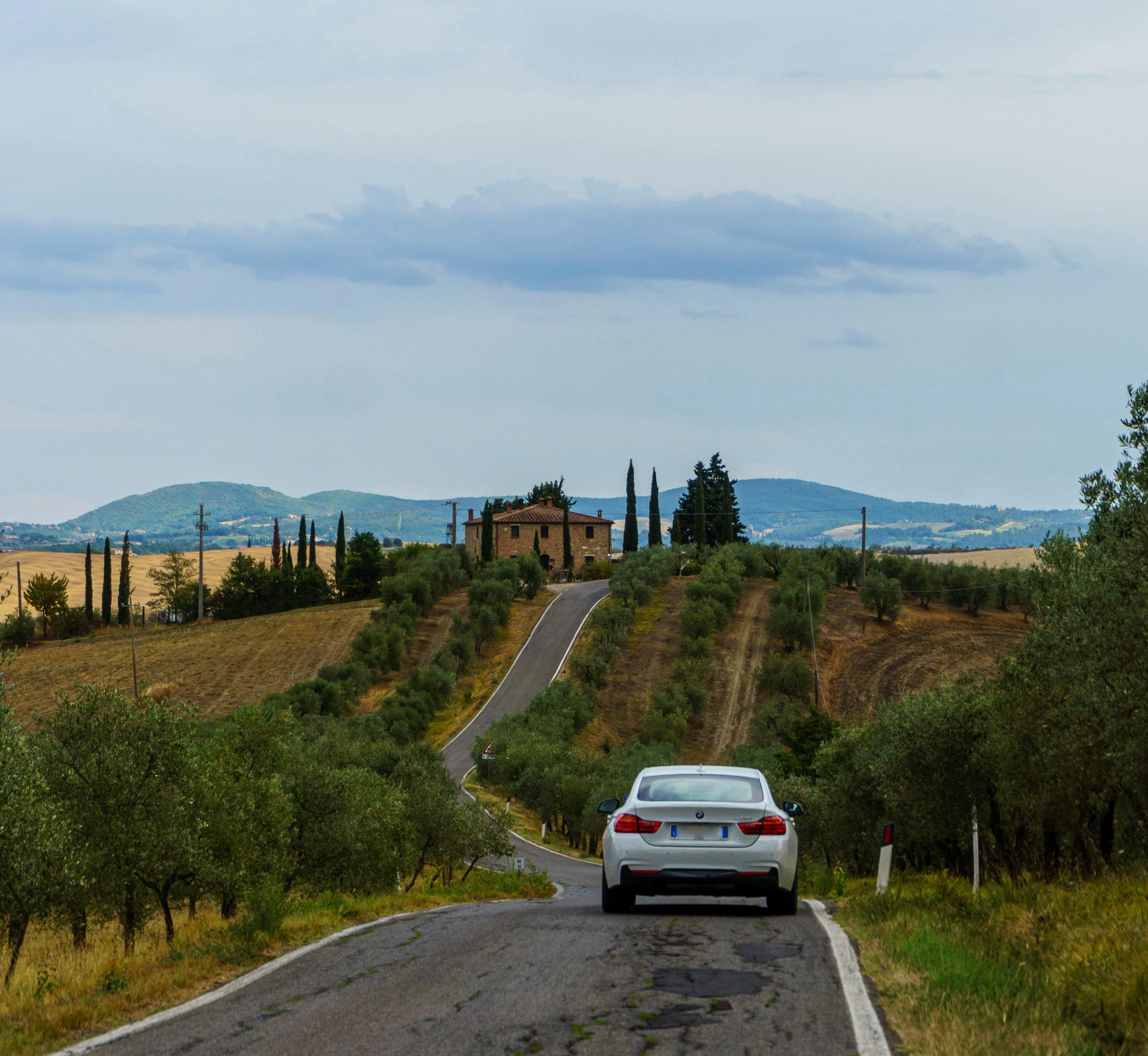
Renting a car is a convenient option for exploring rural areas and accessing remote destinations. Note: Congestion can be an issue in major cities, and many historic centres have restricted traffic zones (ZTL).
Car rental (per day): Economy car: EUR 30–60
Taxis and Ridesharing
Taxis can usually be hailed on the street, found at designated taxi stands, or booked through taxi apps. In some cities, it is common to find licensed taxi cooperatives that offer telephone booking services.
Taxi: Initial tariff: EUR 3–5
Ride-sharing services, such as Uber, operate in several cities across Italy. Ride-sharing is available in major cities like Rome, Milan, Florence, Naples, and Turin, as well as some smaller cities and towns. Availability may vary depending on the location and time of day.
Water Taxis
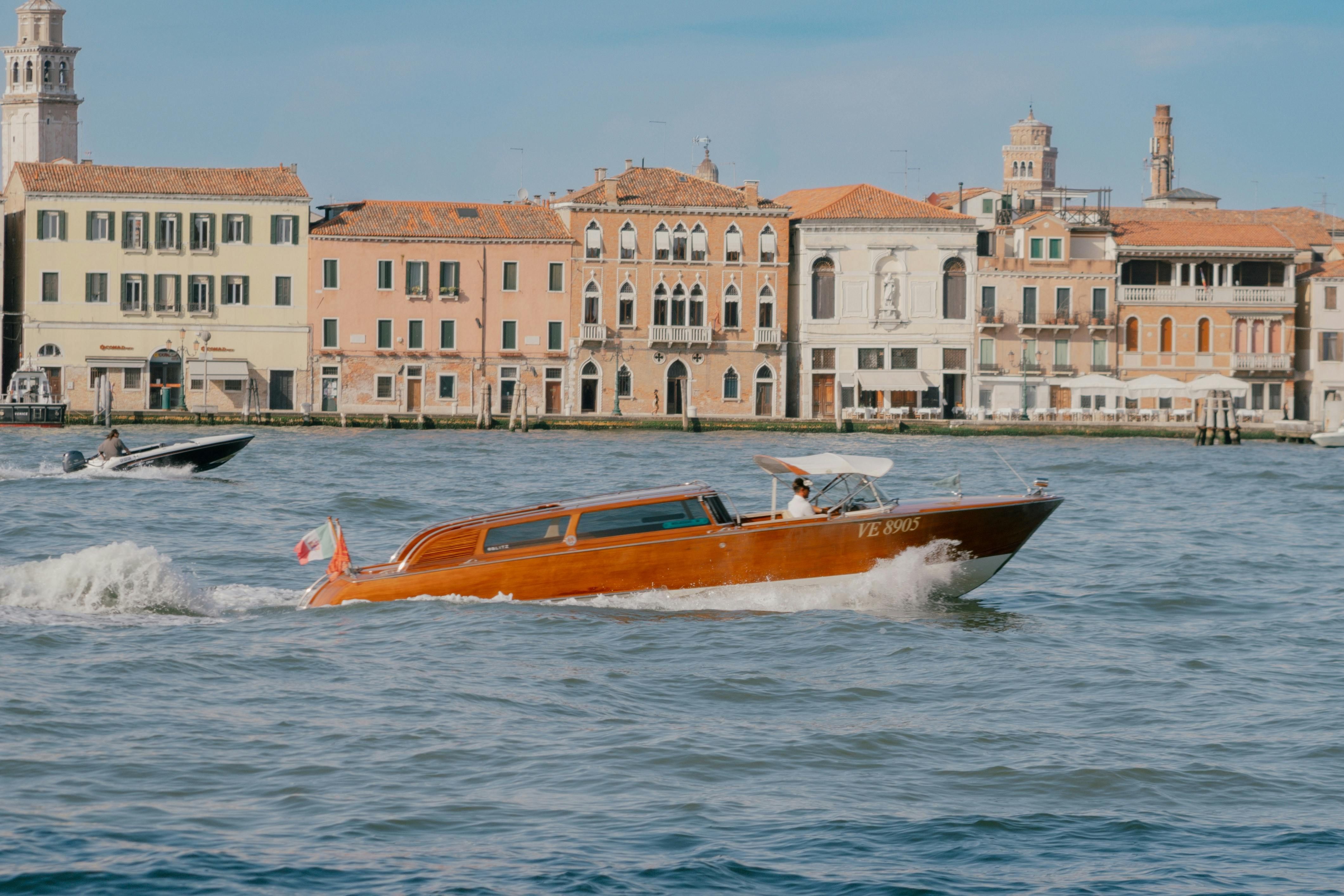
Water taxis are primarily found in cities with extensive waterways, such as Venice, Naples, and parts of the Amalfi Coast.
Water taxi costs: Costs vary. In Venice, a typical water taxi ride across the lagoon to the city centre can cost anywhere from EUR 100 to EUR 150. In Naples, shorter rides across the bay may be less expensive, while longer excursions to nearby islands could cost more.
Ferries
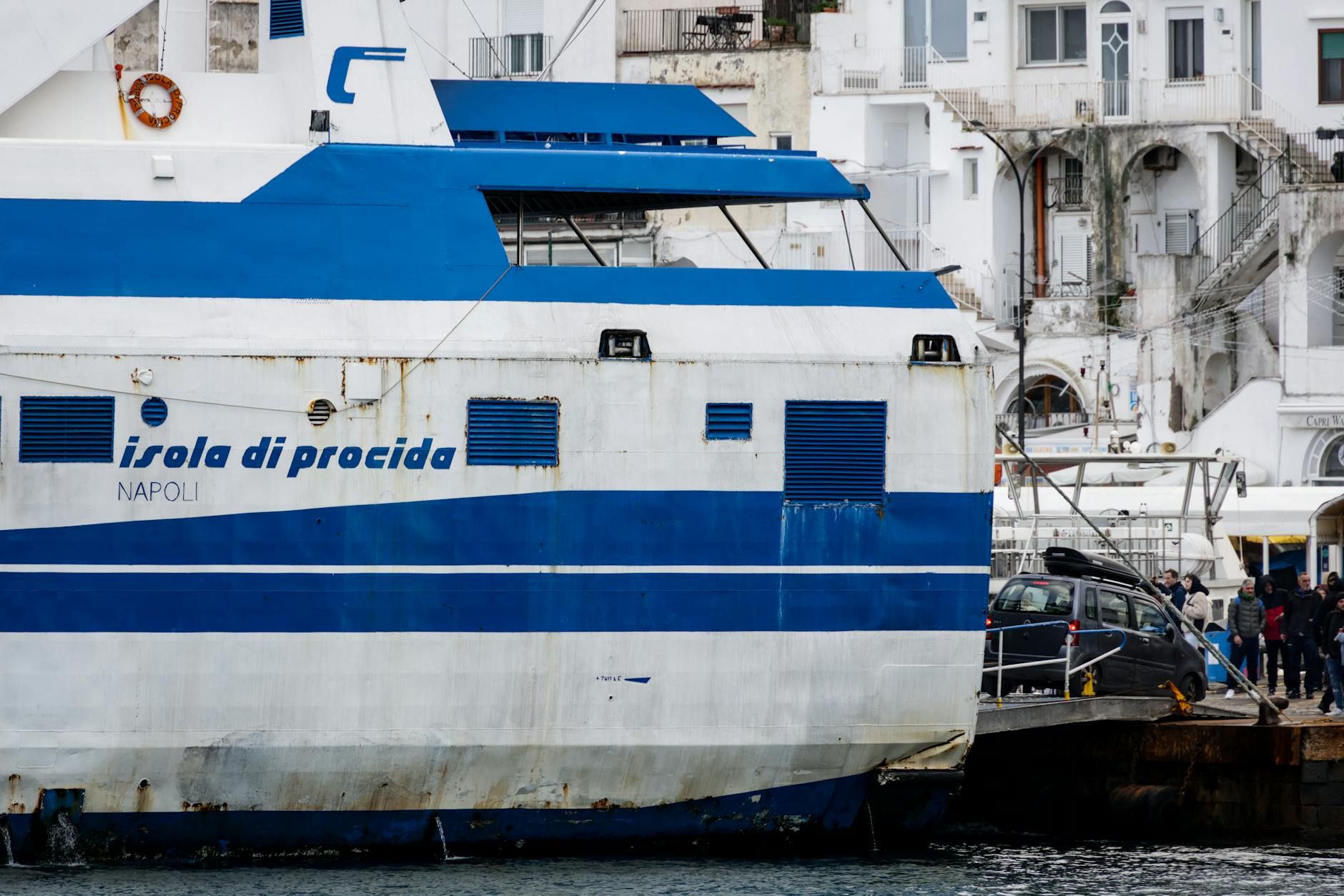
Ferries are a practical choice for travel between mainland Italy and destinations like Sicily, Sardinia, and the Amalfi Coast. Companies like Tirrenia, Grimaldi Lines, and Blu Navy operate ferry services nationwide.
Ferry costs: Average ferry ticket for short routes (e.g., between mainland Italy and nearby islands): EUR 20–50
Bicycles
Italy's scenic landscapes and historic cities make cycling an enjoyable way to explore the country. Many cities have bike rental services and dedicated cycling paths, while rural areas offer picturesque cycling routes through vineyards, countryside, and along coastal roads.
Bicycle rental (per day): City bike: EUR 10–20
Currency
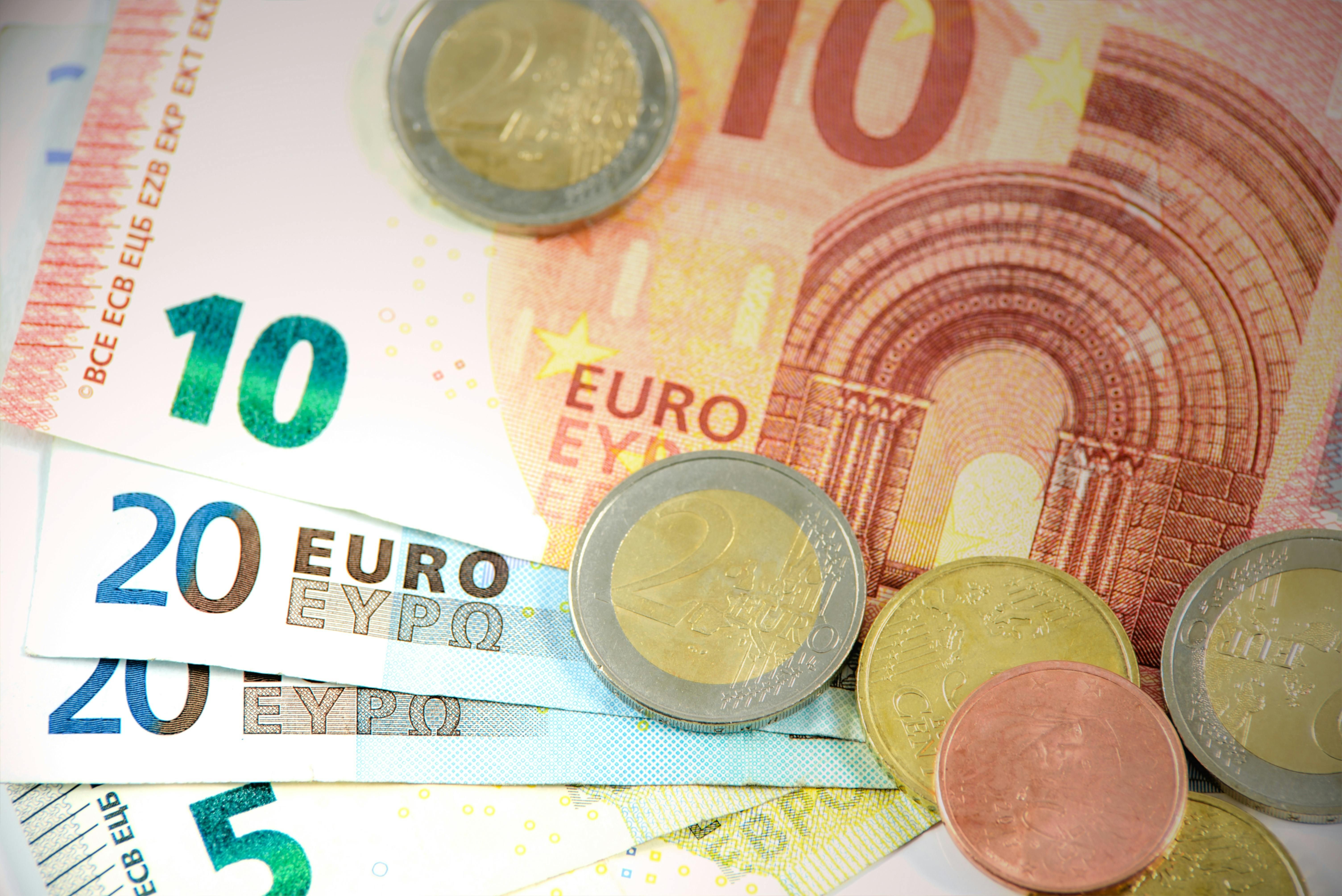
The currency used in Italy is the Euro (EUR), symbolised as €.
Italy adopted the Euro as its official currency on 1 January 2002, replacing the Italian Lira (ITL). This transition was part of the Eurozone's monetary union, which currently includes 20 of the 27 European Union (EU) member states.
Euros are widely accepted in Italy for cash transactions. Major credit and debit cards, such as Visa, Mastercard, and American Express, are also commonly accepted at hotels, restaurants, shops, and tourist attractions. However, it is always advisable to carry some cash for smaller purchases and transactions in remote areas.
ATMs are widely available throughout Italy, allowing travellers to withdraw Euros using their debit or credit cards. Be aware that some ATMs may charge fees for foreign card transactions, so check with your bank beforehand. For the best exchange rates, withdraw from bank-operated ATMs rather than standalone machines in tourist areas.
Language
The official language of Italy is Italian (Italiano), which is spoken by the vast majority of the population. However, there are also several regional languages and dialects spoken throughout the country, reflecting Italy's rich linguistic diversity. Some of the main regional languages and dialects spoken in Italy include:
English is widely understood and spoken in Italy, particularly in tourist areas, major cities, and among younger generations. You will generally have no trouble communicating in English at hotels, restaurants, and popular attractions.
Shopping
Whether browsing designer boutiques, exploring artisan workshops, or haggling at local markets, shopping in Italy is a sensory experience that celebrates the country's rich cultural heritage and passion for style and craftsmanship.
Here is what to expect when shopping in Italy:
Luxury Shopping
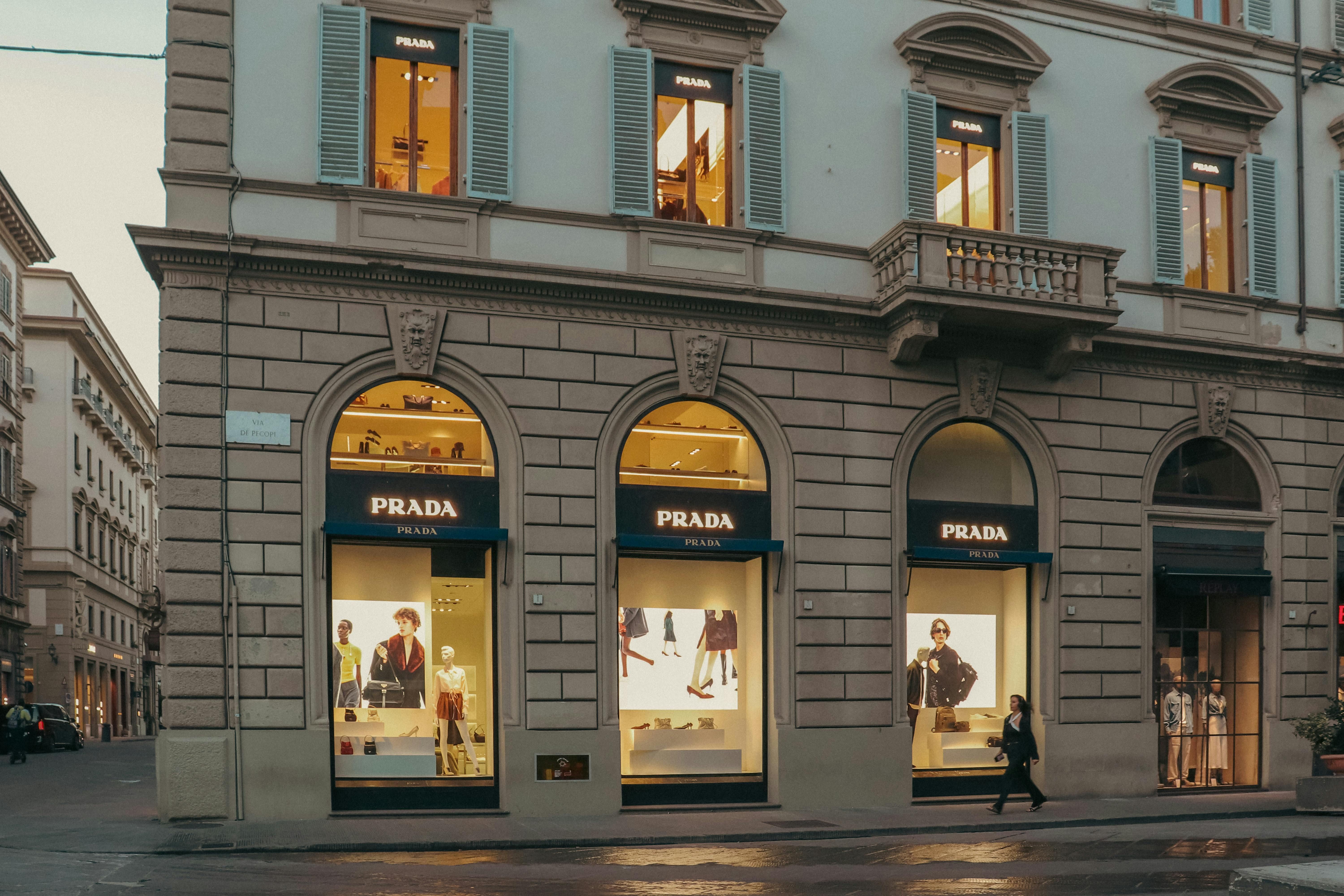
Luxury shopping in Italy is epitomised by iconic destinations like Milan's Quadrilatero della Moda, Rome's Via dei Condotti, Florence's Via de' Tornabuoni, and Venice's Calle Larga XXII Marzo, each offering exclusive boutiques and flagship stores from renowned fashion houses.
Italian Restaurants
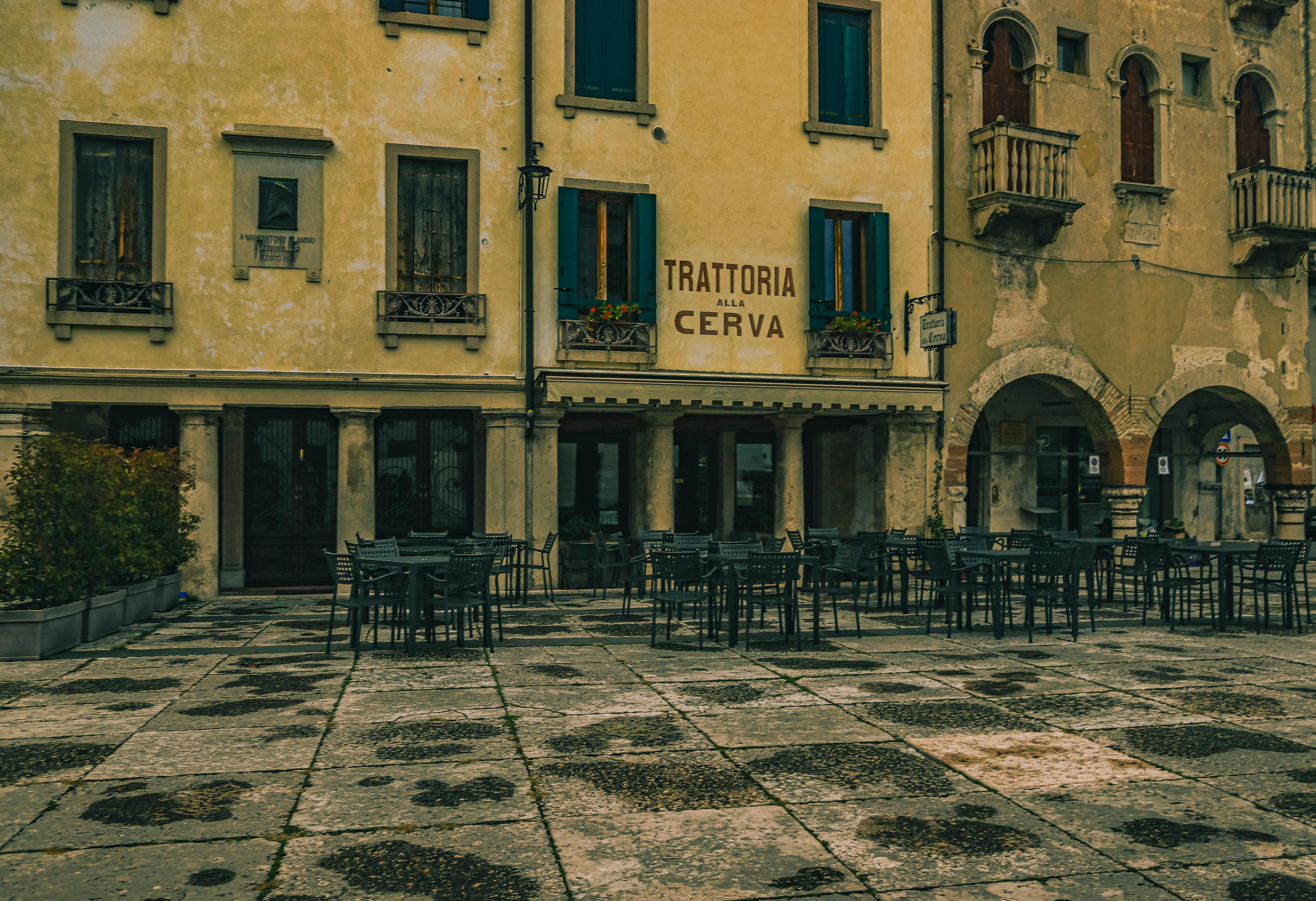
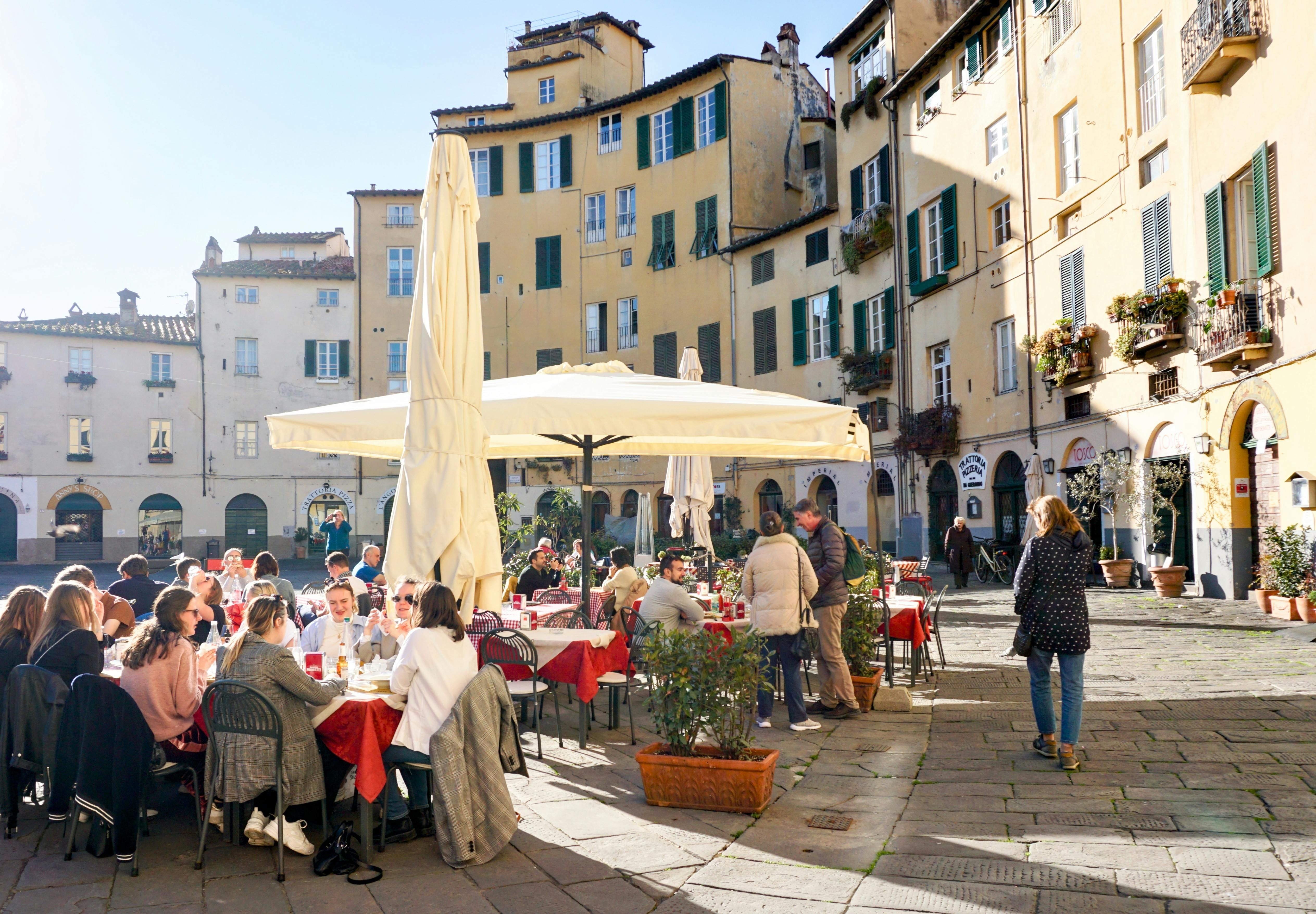
Italy's restaurant scene is diverse, offering traditional trattorias to Michelin-starred fine dining. Try Osteria Francescana (Modena) for avant-garde cuisine, La Pergola (Rome) for panoramic views, and Antica Osteria Cera (Venice) for Venetian classics. Sample regional specialities at spots like Il Duomo (Ragusa) and Le Calandre (Rubano).
Shopping Malls
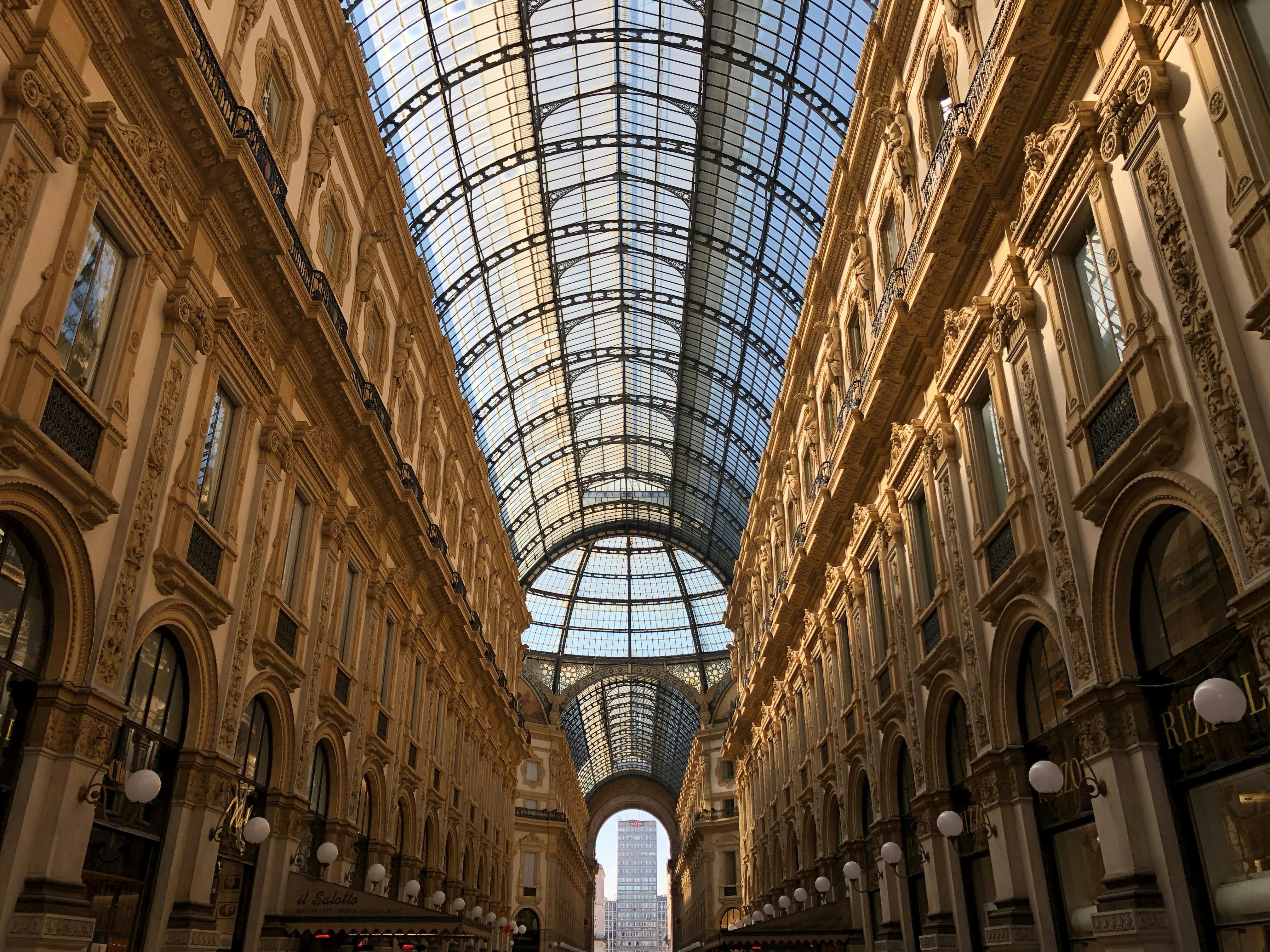
Italy boasts several notable malls. Galleria Vittorio Emanuele II in Milan and La Rinascente offer luxury shopping experiences. Centro Commerciale Campania near Naples and Euroma2 in Rome provide diverse options. Fidenza Village and Serravalle Designer Outlet offer discounted designer brands. I Gigli in Florence is among Tuscany's largest malls.
Convenience Stores
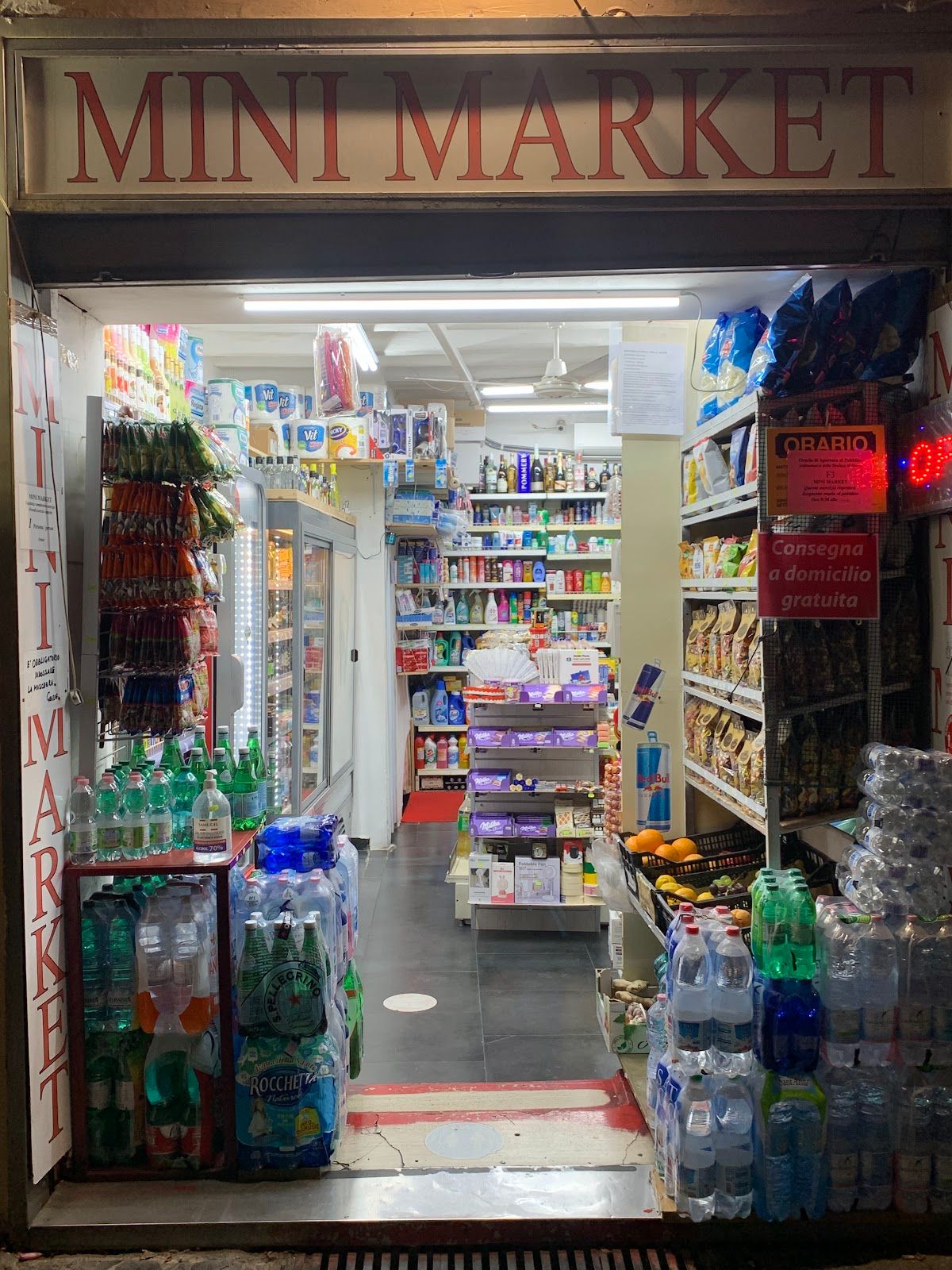
Italy has convenience stores like Carrefour Express, Coop Voce, Pam Panorama, and Simply Market, offering groceries, snacks, and household items. They provide convenient options for travellers to pick up essentials while exploring the country.
Local Italian Markets
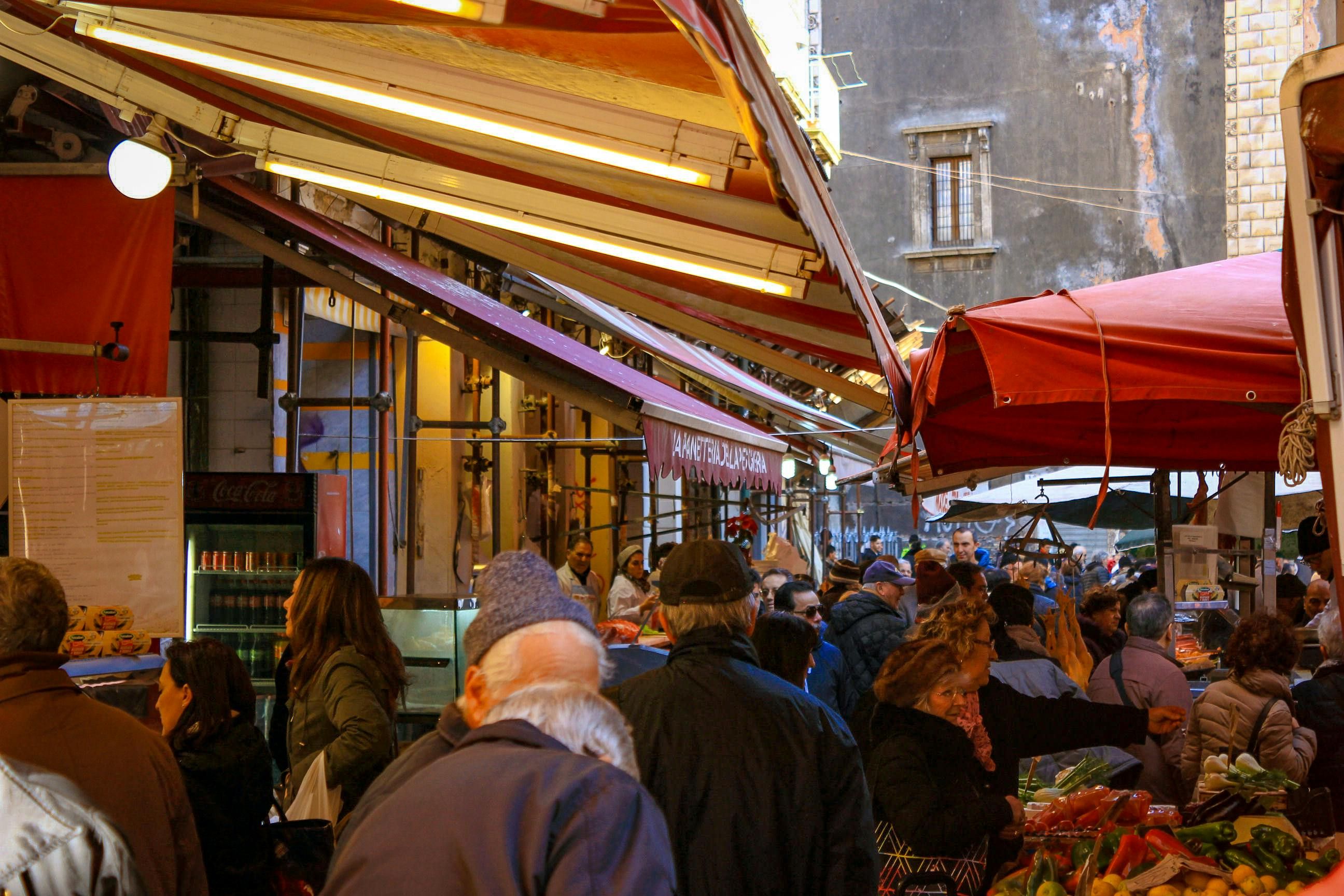
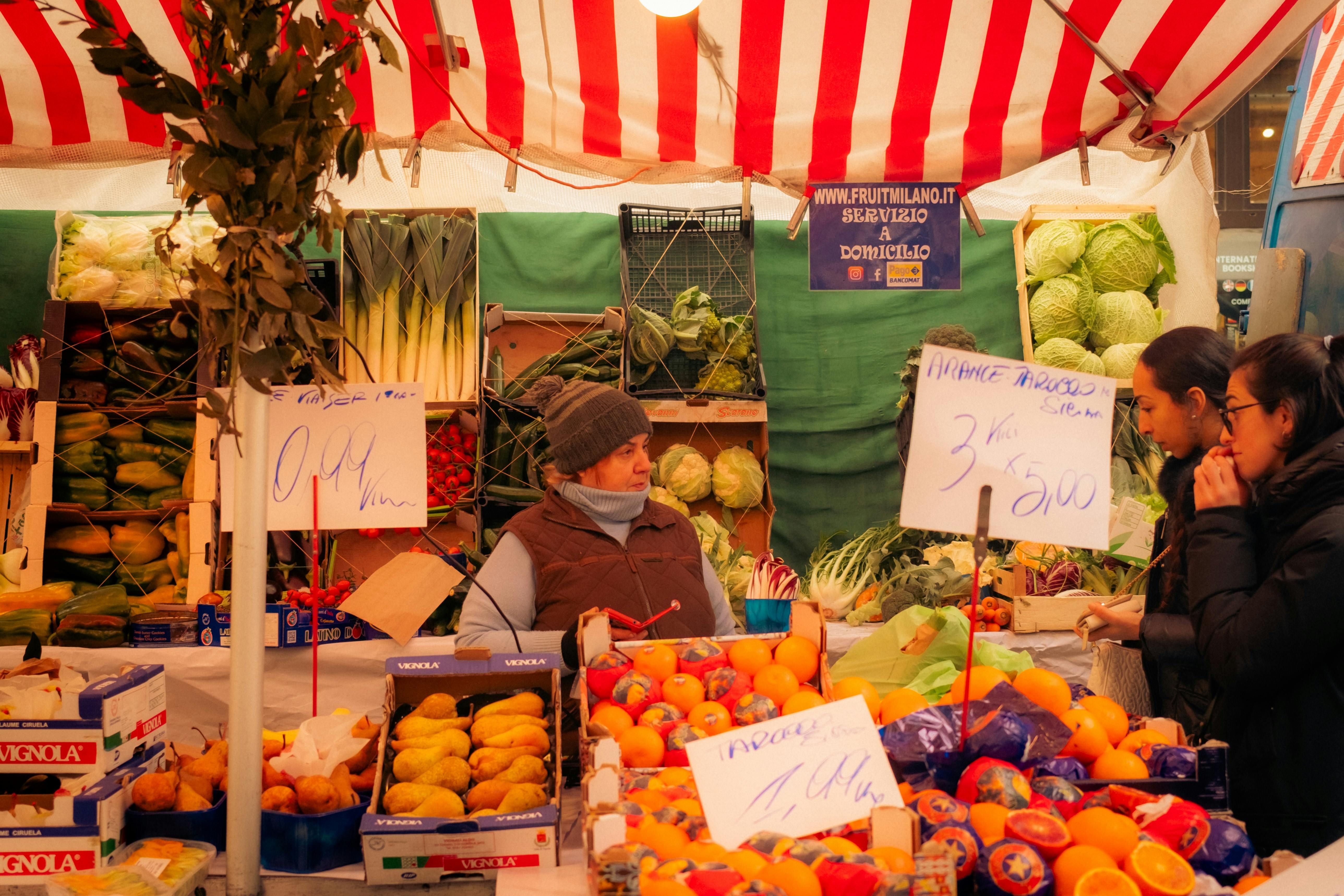
Italy's markets offer a vibrant tapestry of flavours, colours, and aromas. From bustling food markets like Mercato di San Lorenzo in Florence and Mercato di Rialto in Venice to artisanal crafts markets in Rome's Campo de' Fiori, visitors can immerse themselves in the country's rich culinary and cultural traditions.
The Highlights
Italy is an extraordinary place with so much to see and do. Here are some highlights to add to your list when planning your next holiday in Italy:
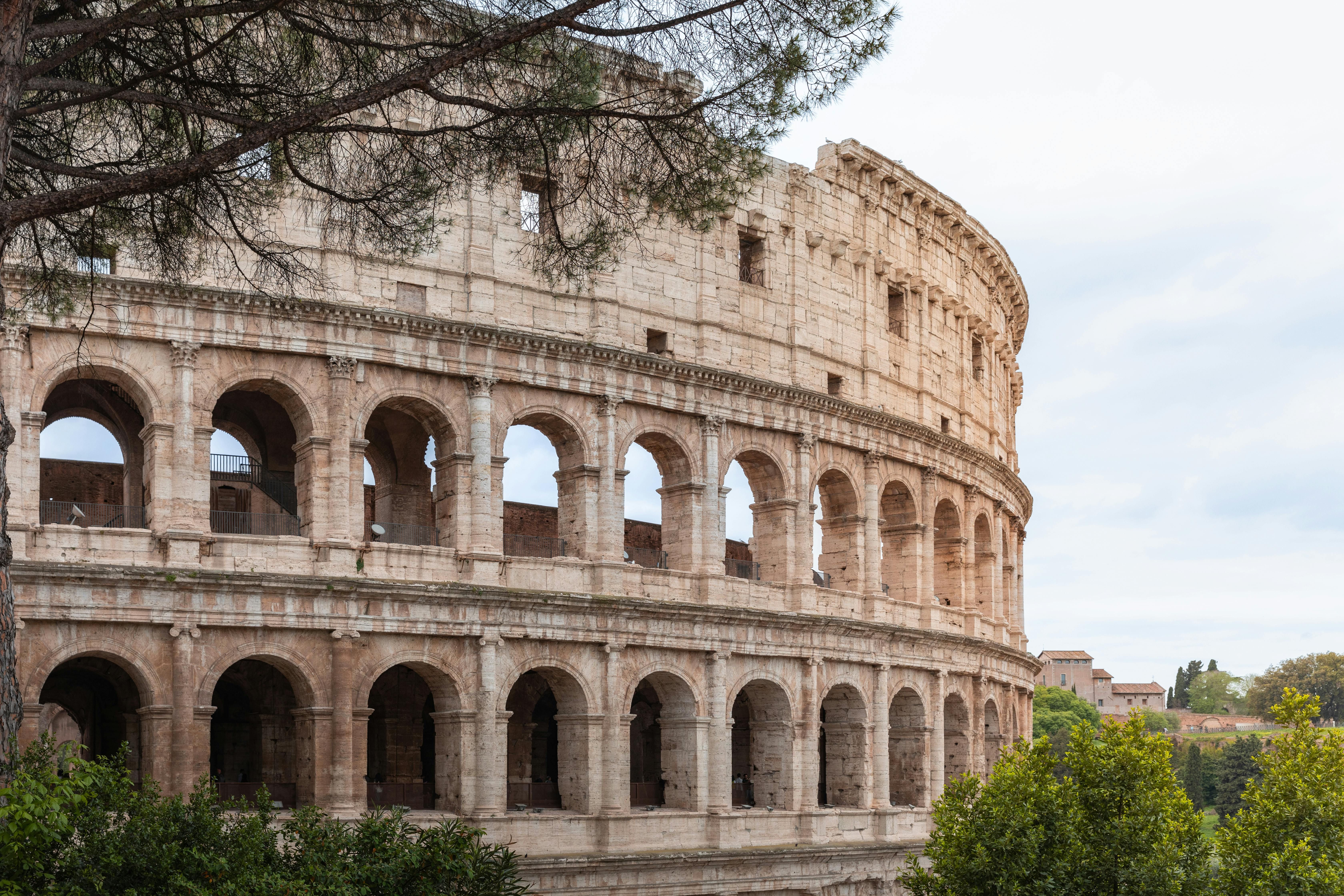
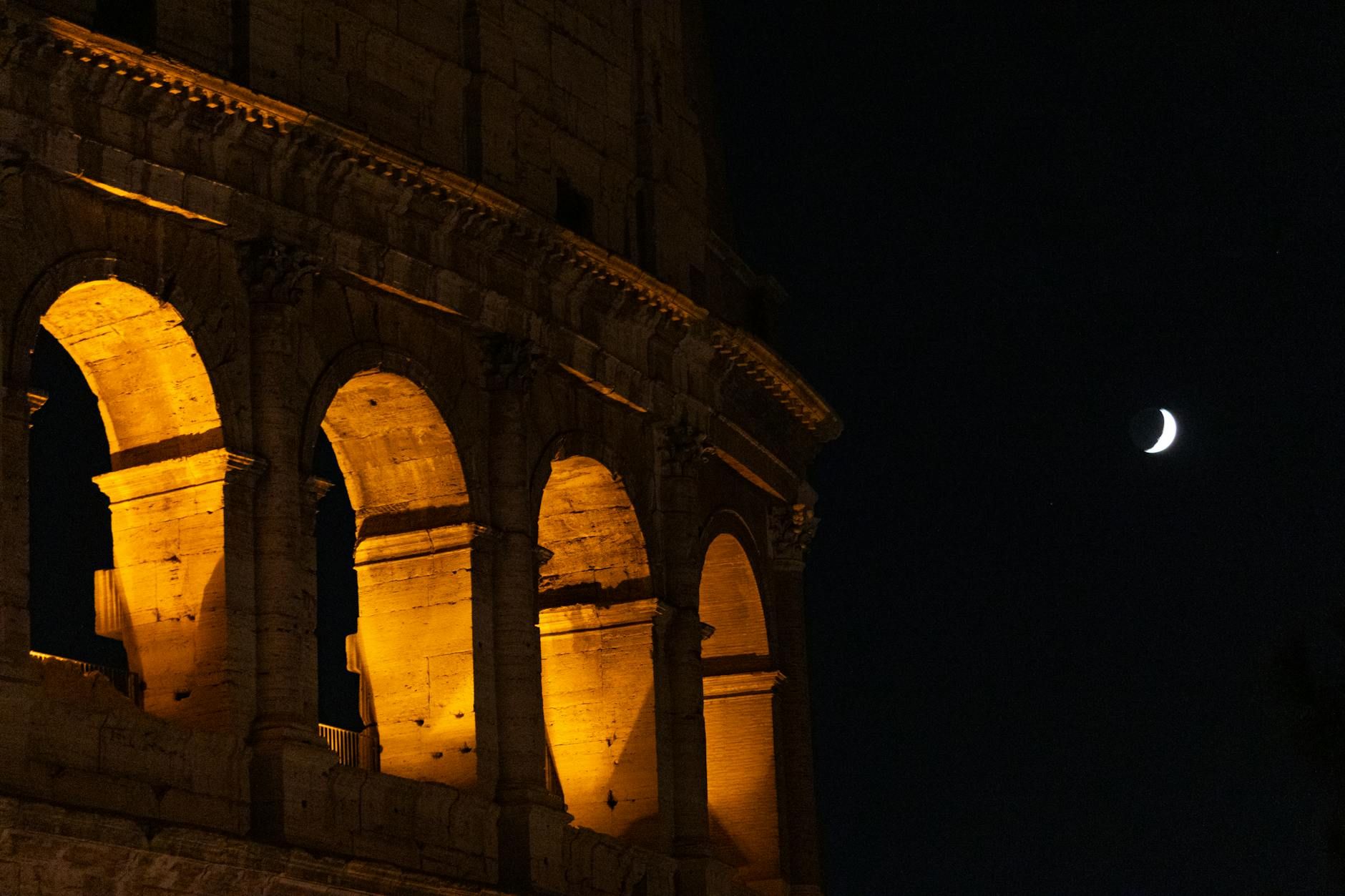
Colosseum (Rome): An iconic symbol of ancient Rome, the Colosseum is the largest amphitheatre ever built and a UNESCO World Heritage site.
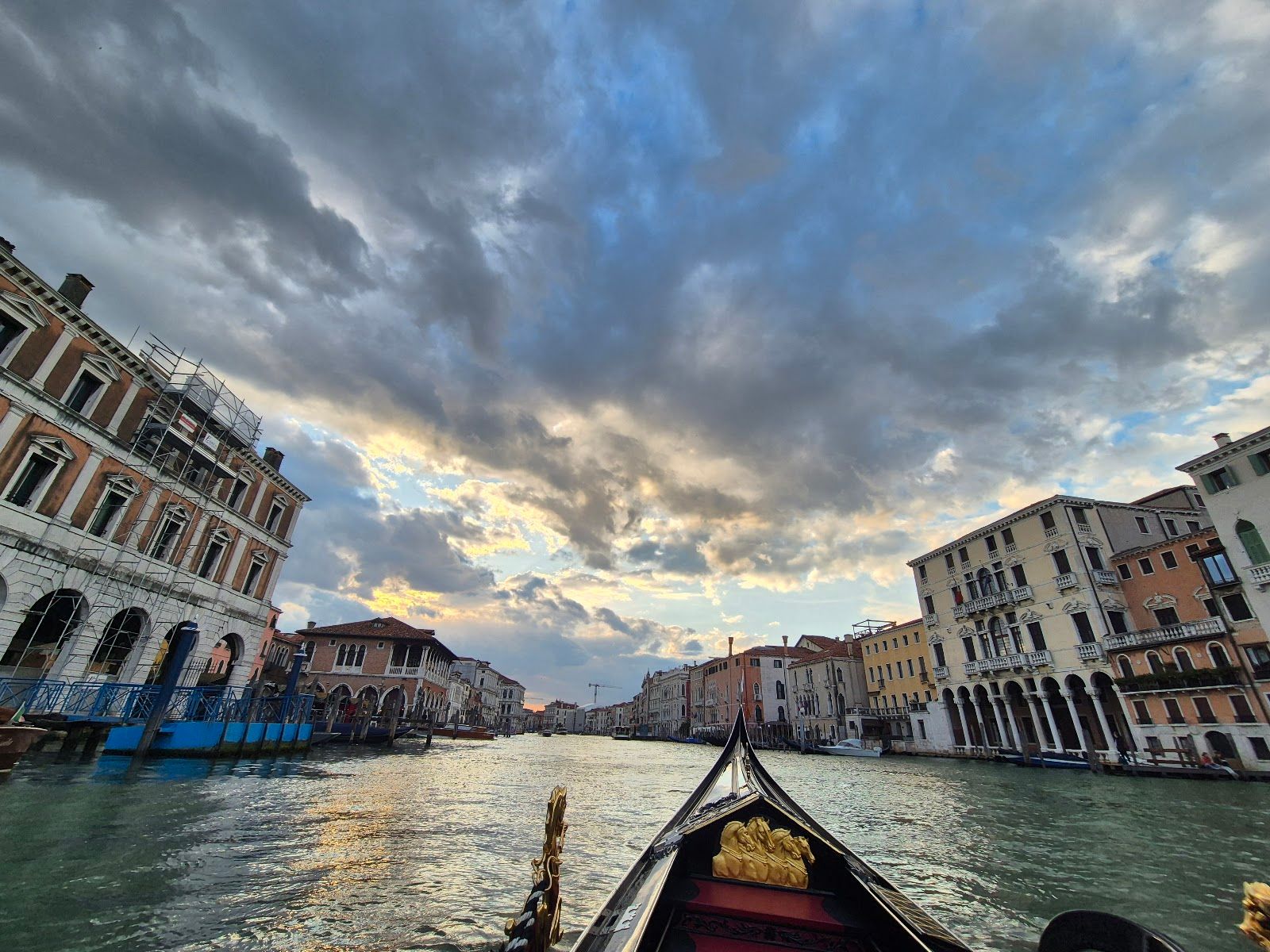
Venice Canals (Venice): Explore the picturesque canals, bridges, and historic architecture of Venice, known as the "City of Canals."
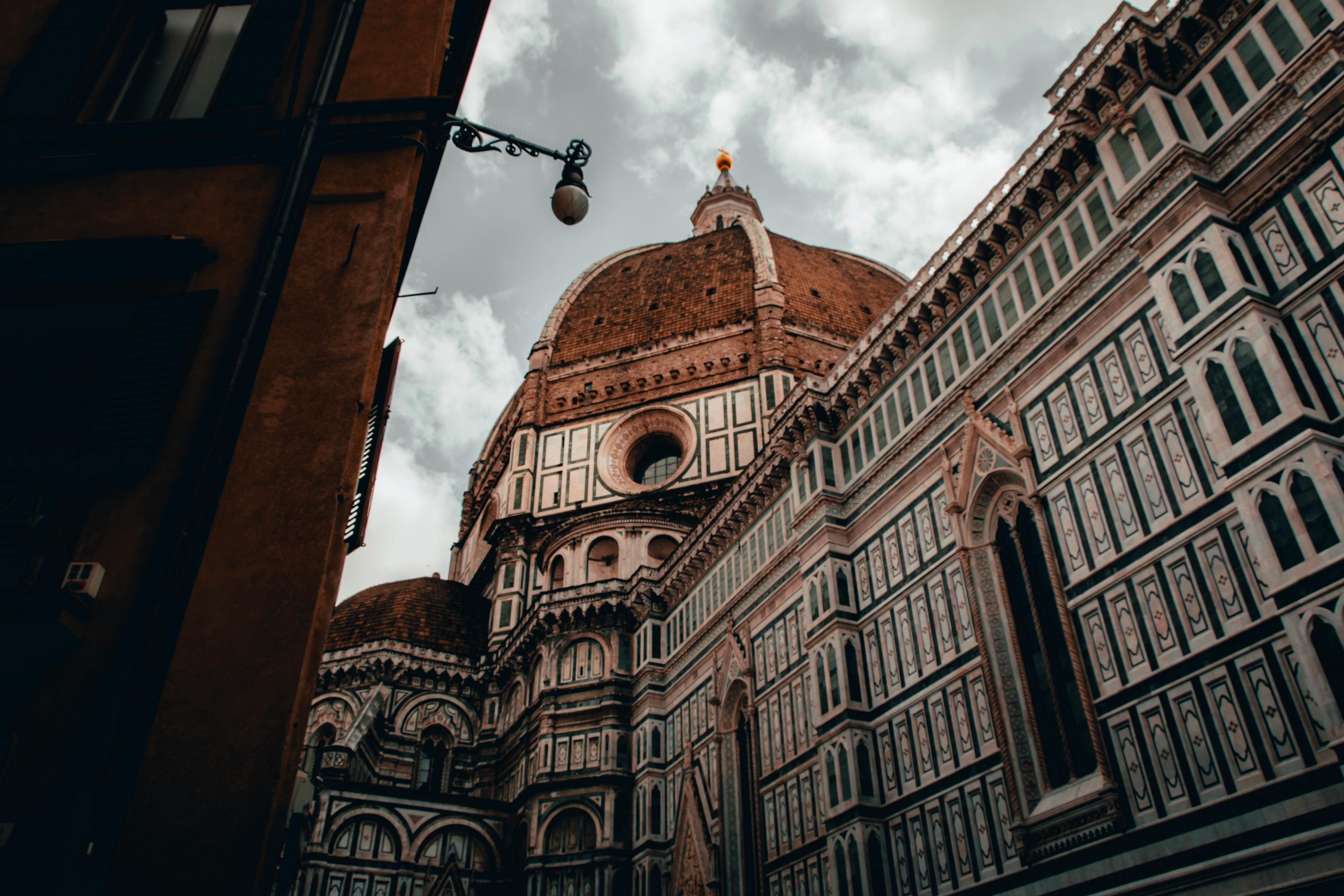
Florence Cathedral (Duomo) (Florence): Marvel at the stunning Renaissance architecture of the Florence Cathedral, with its iconic dome designed by Brunelleschi.
Trevi Fountain (Rome): Toss a coin into the Trevi Fountain to ensure your return to Rome, according to tradition, and admire the Baroque masterpiece.
Pompeii and Mount Vesuvius (Naples): Discover the ancient city of Pompeii, frozen in time by the eruption of Mount Vesuvius in 79 AD, and hike to the crater of the volcano for panoramic views.
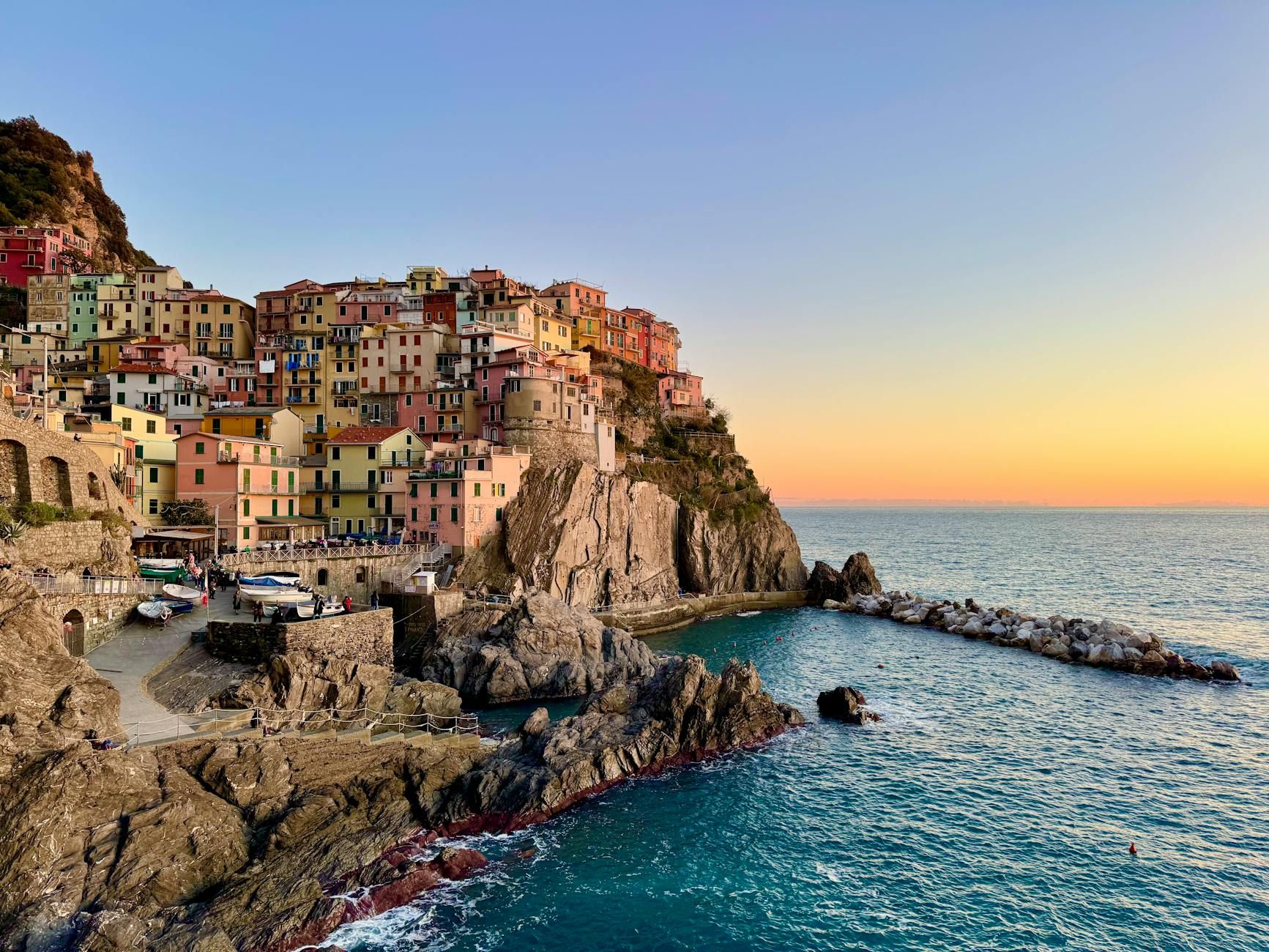
Cinque Terre (Liguria): Explore the rugged coastline and colourful villages of the Cinque Terre, a UNESCO World Heritage site known for its hiking trails and scenic beauty.
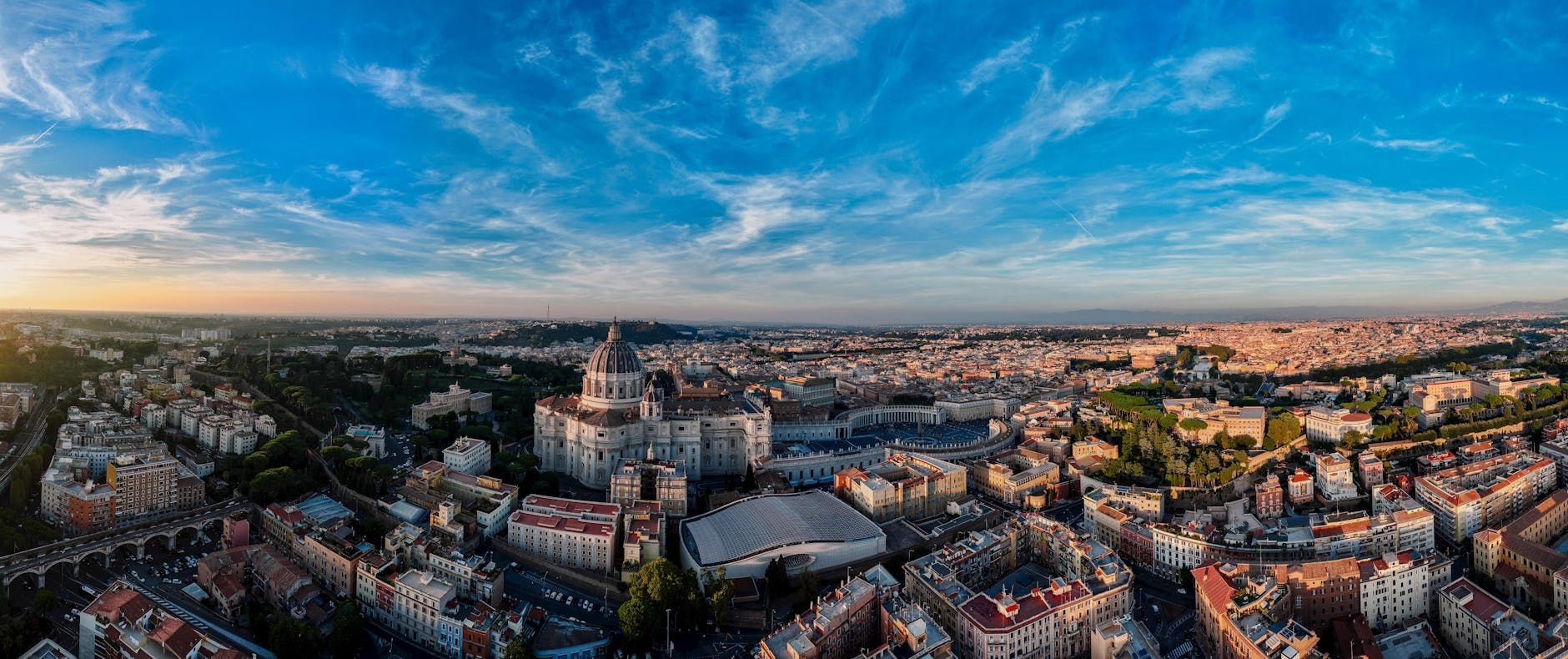
Sistine Chapel and Vatican Museums (Vatican City, Rome): Admire the exquisite frescoes by Michelangelo in the Sistine Chapel and explore the vast collections of art and artefacts in the Vatican Museums.
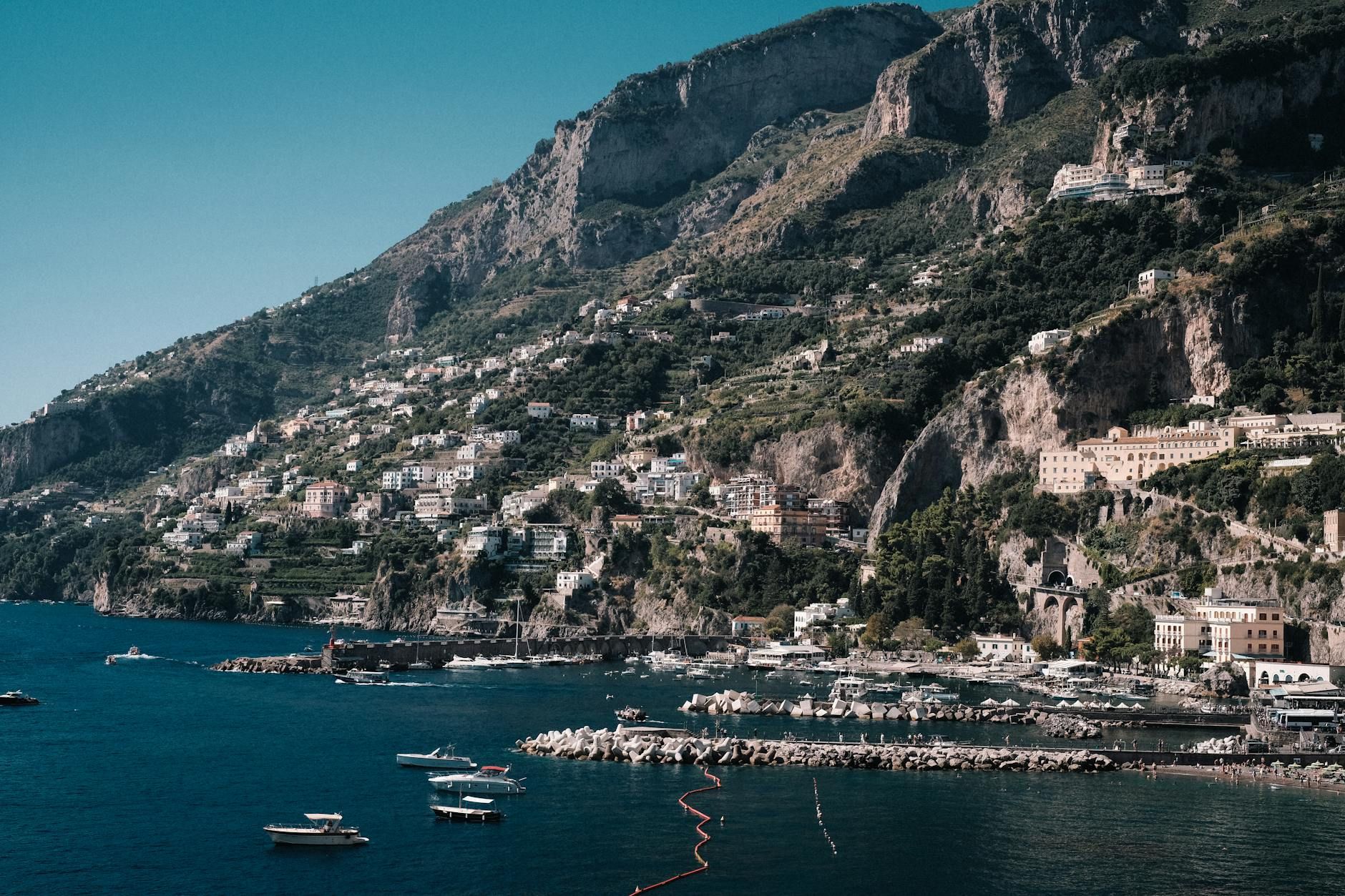
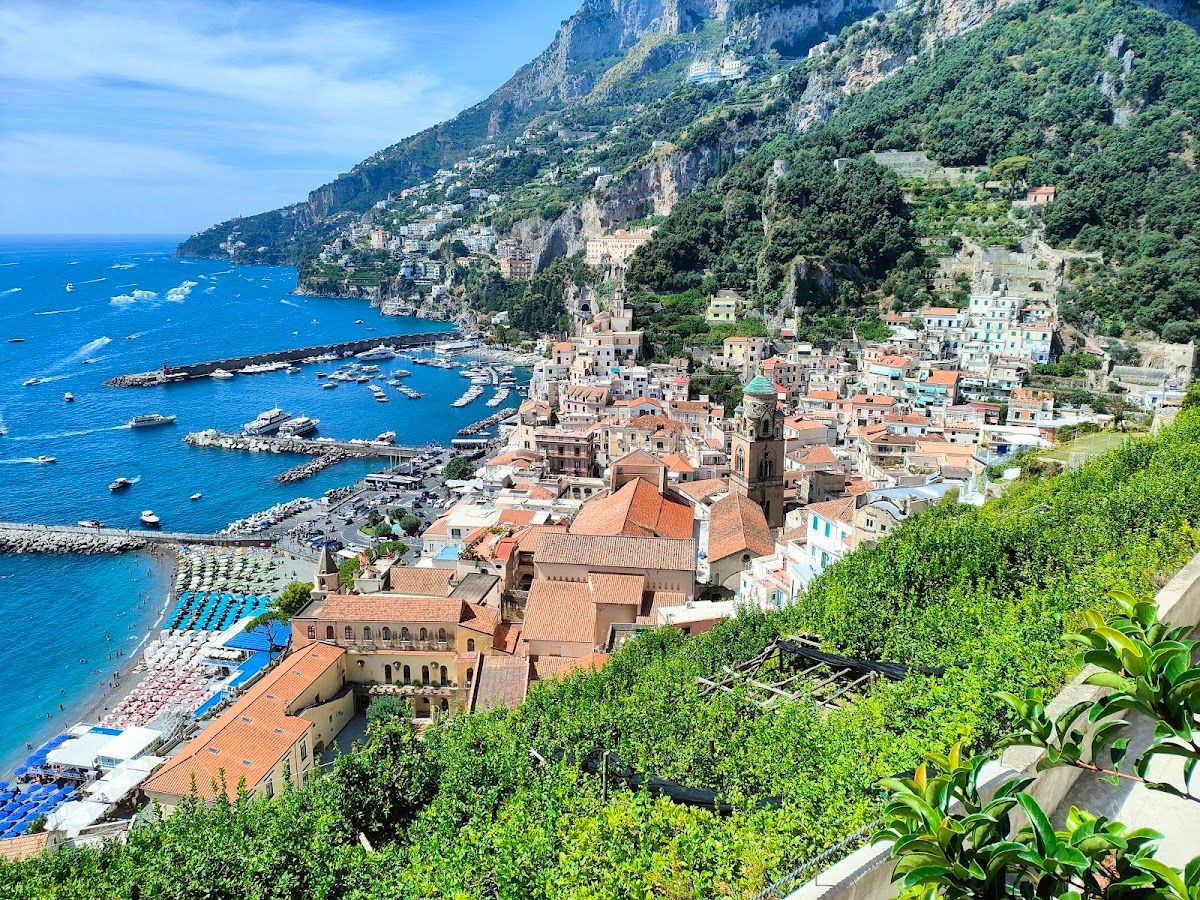
Amalfi Coast (Campania): Drive or take a boat along the stunning Amalfi Coast, known for its dramatic cliffs, charming towns, and panoramic views of the Mediterranean Sea.
Leaning Tower of Pisa (Pisa): Pose for a photo with the Leaning Tower of Pisa, one of Italy's most famous landmarks, and visit the nearby Cathedral and Baptistery in the Square of Miracles.
Uffizi Gallery (Florence): Experience one of the world's greatest art collections at the Uffizi Gallery, home to masterpieces by Botticelli, Leonardo da Vinci, Michelangelo, and more.
Capri (Gulf of Naples): Escape to the glamorous island of Capri, known for its luxury boutiques, stunning views, and the famous Blue Grotto sea cave.
Palazzo Vecchio (Florence): Visit the Palazzo Vecchio, Florence's town hall, and explore its ornate chambers, courtyards, and the iconic Hall of the Five Hundred.
Sorrento (Campania): Relax in the charming coastal town of Sorrento, known for its lemon groves, sea views, and delicious limoncello liqueur.
Villa d'Este (Tivoli): Wander through the magnificent gardens of Villa d'Este, a UNESCO World Heritage site known for its Renaissance architecture, fountains, and terraced landscapes.
Piazza del Campo (Siena): Experience the vibrant atmosphere of Siena's central square, Piazza del Campo, and visit the Gothic masterpiece of the Siena Cathedral nearby.
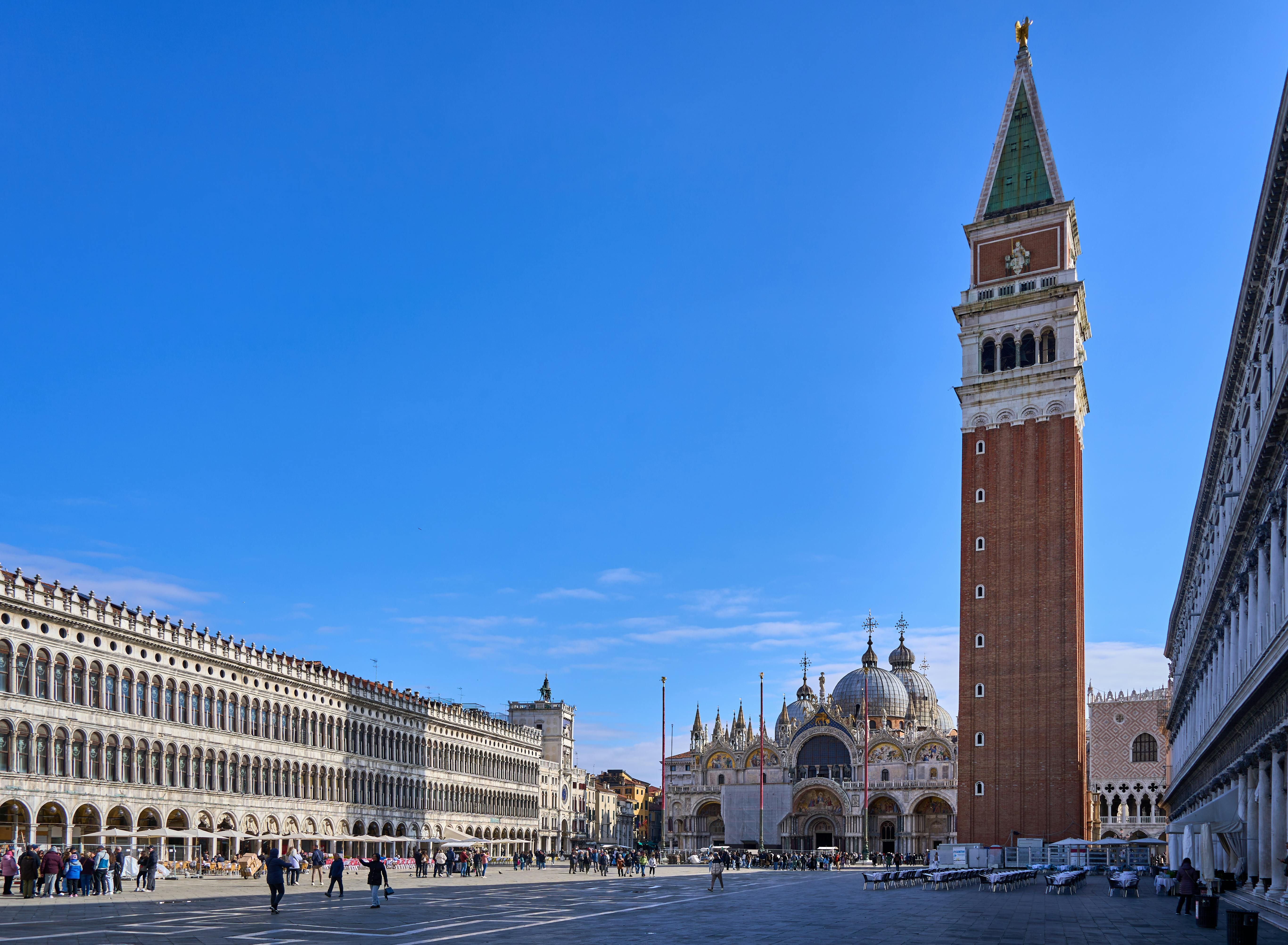
Piazza San Marco (Venice): Take in the grandeur of Venice's main square, Piazza San Marco, surrounded by iconic landmarks like St. Mark's Basilica and the Doge's Palace.
These highlights offer a glimpse into the rich history, culture, and natural beauty of Italy, providing unforgettable experiences for travellers from around the world.
Things to Do in Italy
Italy's iconic cities offer rich history, culture, and beauty. Rome boasts ancient landmarks like the Colosseum and Vatican City, and Venice enchants with canals and Gothic architecture. There is just so much to see and do.
Here are some of the most popular cities to visit when you are on holiday in Italy:
Rome
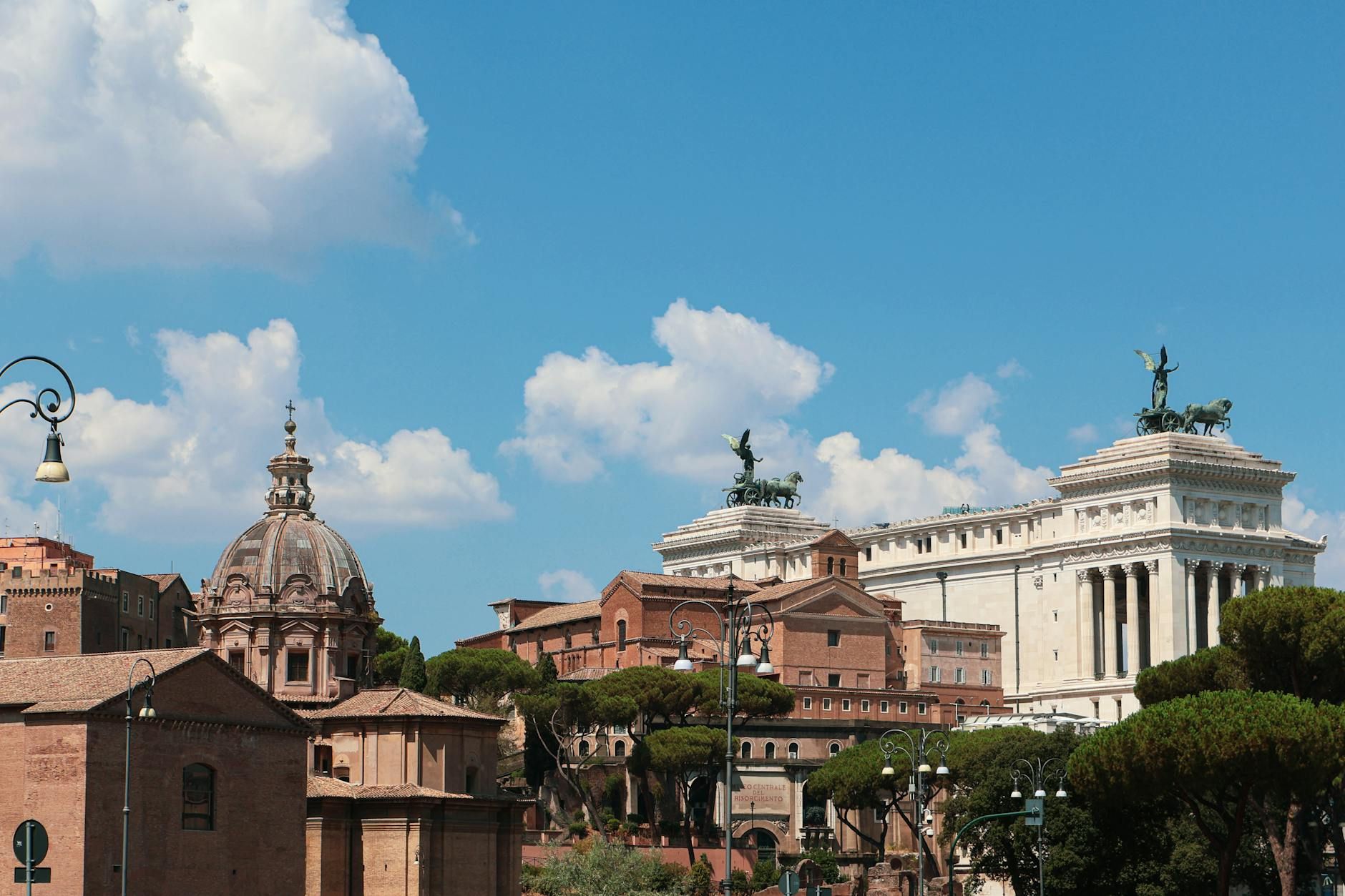
Rome, Italy's capital, is a city of ancient wonders, with iconic landmarks like the Colosseum and Vatican City, vibrant piazzas, and a rich culinary scene steeped in history.
Things to do in Rome:
Visit the Colosseum: Explore the iconic ancient amphitheatre, where gladiator battles once took place, and learn about the history of ancient Rome.
Tour the Vatican Museums and St. Peter's Basilica: Discover masterpieces of art and culture in the Vatican Museums, including the Sistine Chapel, and marvel at the grandeur of St. Peter's Basilica, the largest church in the world.
Throw a coin in the Trevi Fountain: Follow the tradition of tossing a coin into the Trevi Fountain to ensure your return to Rome and admire the Baroque masterpiece.
Explore the Roman Forum: Wander through the ruins of the ancient Roman Forum, once the heart of the Roman Empire, and imagine life in ancient Rome amidst the temples, basilicas, and arches.
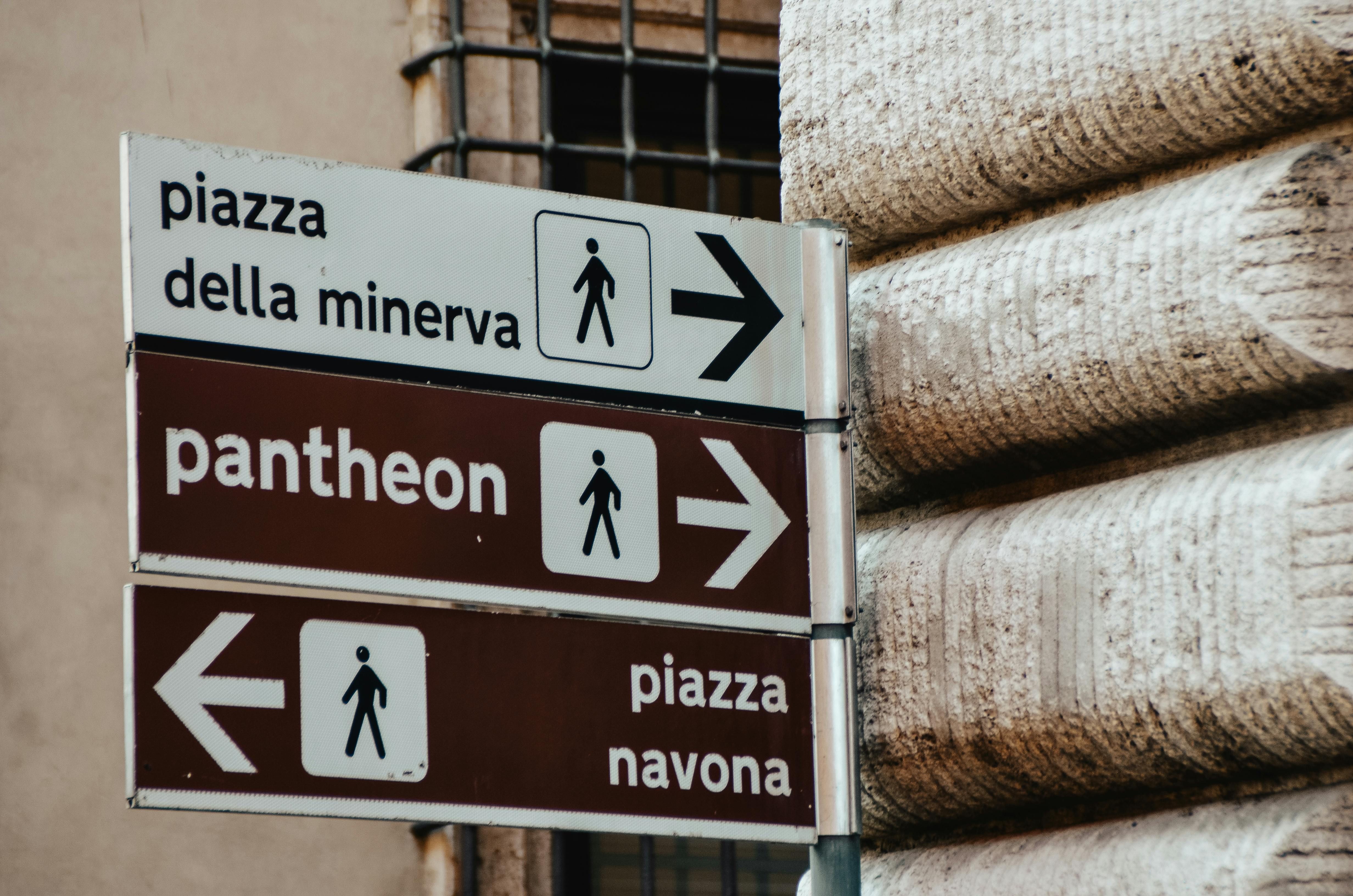
Piazza Navona: Experience the vibrant atmosphere of one of Rome's most beautiful squares, lined with elegant Baroque palaces, fountains, and lively street performers.
Admire the Pantheon: Marvel at the architectural wonder of the Pantheon, a perfectly preserved ancient Roman temple dedicated to the gods, featuring a magnificent domed roof and an oculus.
Piazza di Spagna: Climb the Spanish Steps, a famous staircase adorned with azaleas in spring, and enjoy panoramic views of the city from the top, overlooking the bustling Piazza di Spagna.
Venice
Venice, known as the "City of Canals," is a unique and enchanting destination in northeastern Italy. Situated across a group of 118 small islands, Venice is renowned for its picturesque waterways, historic architecture, and rich cultural heritage. Visitors are captivated by its romantic ambience, winding streets, and iconic landmarks such as St. Mark's Basilica, the Doge's Palace, and the Rialto Bridge.
Things to do in Venice:
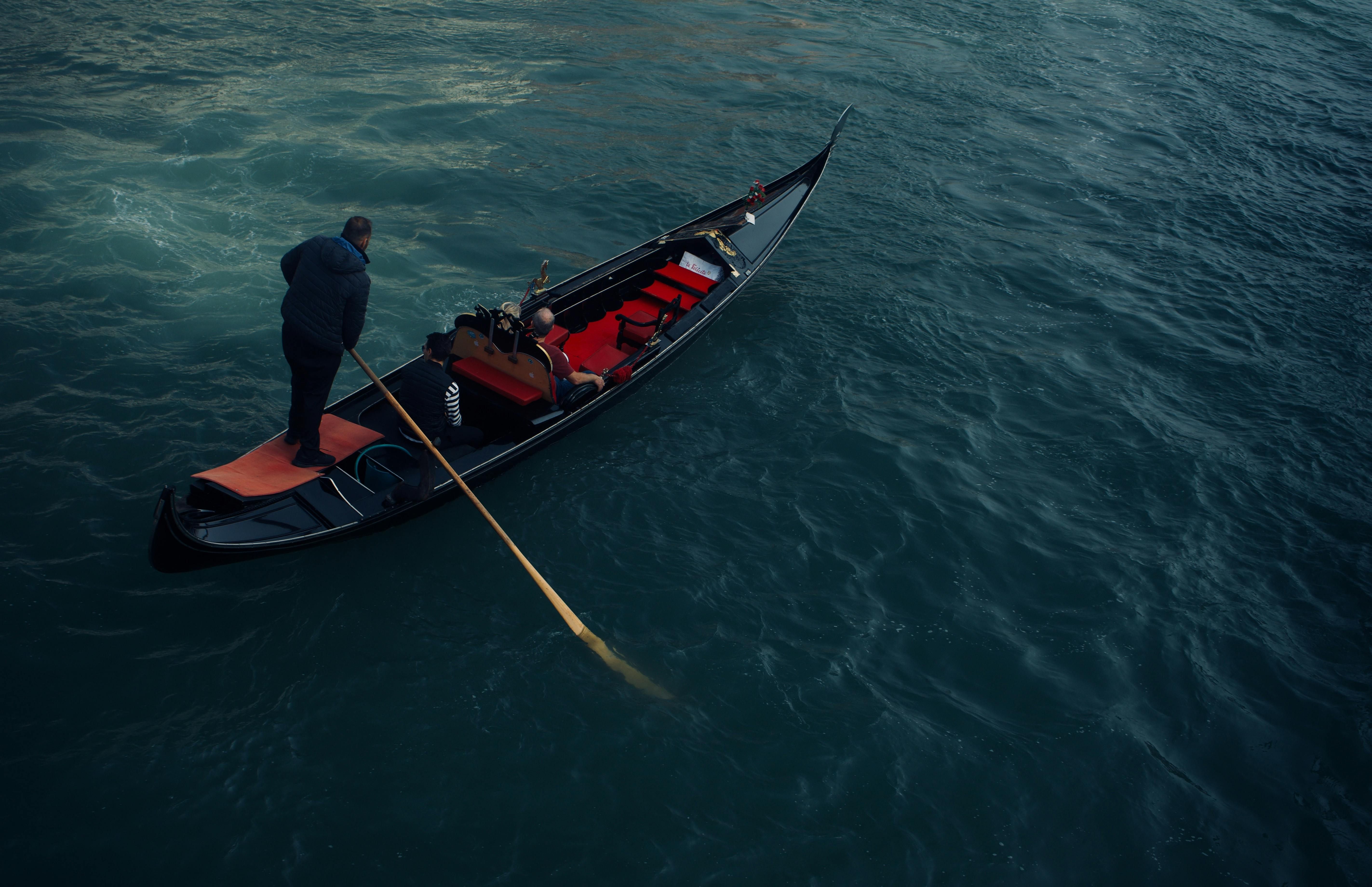
Take a Gondola Ride: Explore Venice's enchanting canals aboard a traditional gondola, soaking in the city's romantic atmosphere.
Visit St. Mark's Square: Marvel at the stunning architecture of St. Mark's Basilica, the Doge's Palace, and the Campanile in Venice's iconic central square.
Tour the Grand Canal: Cruise along Venice's main waterway, the Grand Canal, aboard a vaporetto or water taxi, passing by historic palaces and landmarks.
Explore Murano and Burano: Take a boat trip to the nearby islands of Murano, famous for its glassmaking, and Burano, known for its colourful houses and lace-making tradition.
Admire the Rialto Bridge: Walk across the historic Rialto Bridge, one of Venice's most iconic landmarks, and enjoy panoramic views of the Grand Canal.
Peggy Guggenheim Collection: Explore modern and contemporary art in the stunning setting of the Peggy Guggenheim Collection, housed in Peggy Guggenheim's former home on the Grand Canal.
San Marco and Dorsoduro Districts: Explore the charming streets of these historic neighbourhoods, home to landmarks like the Accademia Gallery and the Gallerie dell'Accademia.
Doge's Palace: Step inside the Doge's Palace to admire its ornate interiors, magnificent artworks, and the famous Bridge of Sighs.
Florence
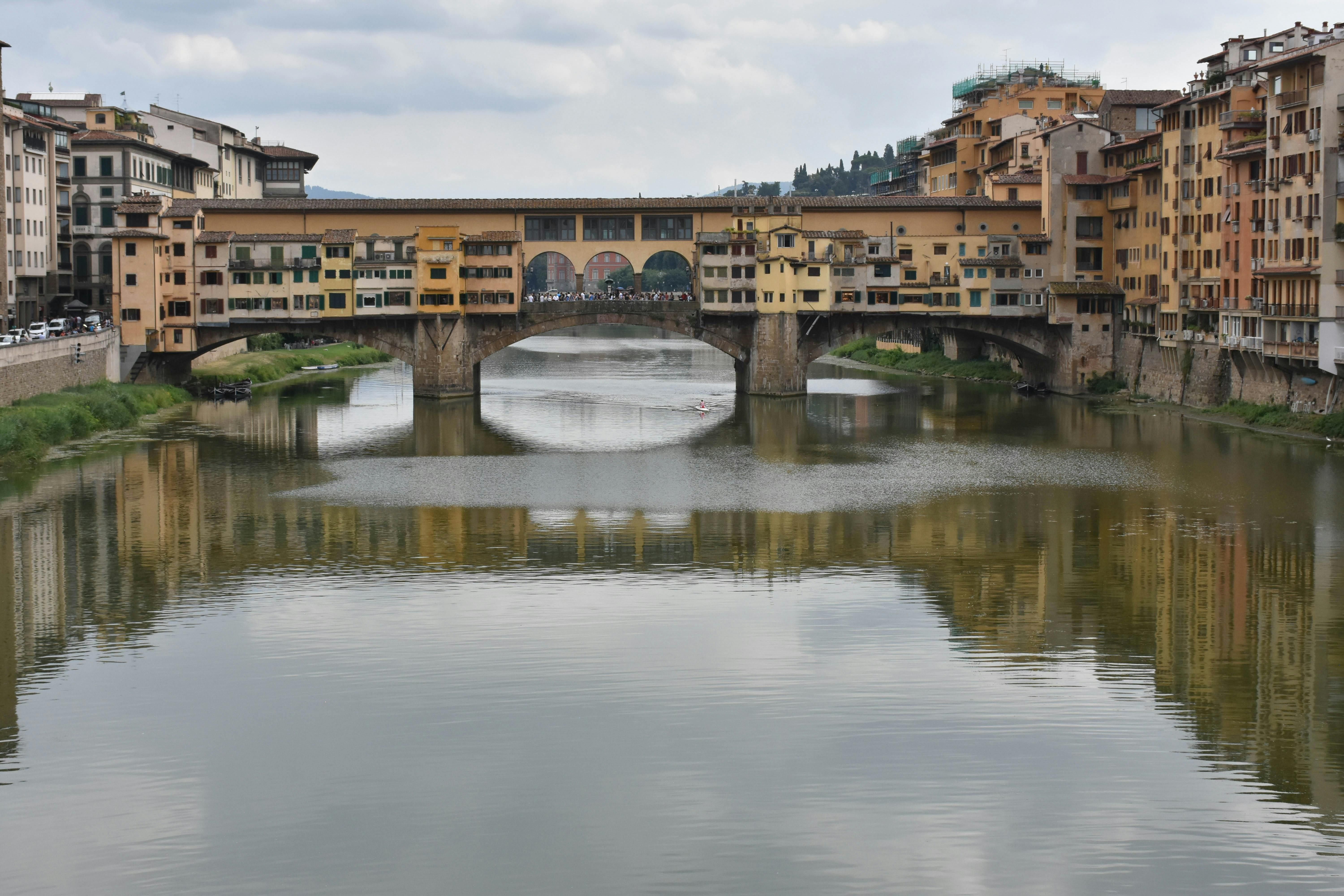
Florence, the capital of Italy's Tuscany region, is renowned for its rich history, stunning architecture, and cultural heritage. Home to masterpieces of Renaissance art and architecture, Florence captivates visitors with its timeless beauty and artistic treasures. Landmarks such as the Florence Cathedral (Duomo), the Uffizi Gallery, and the Ponte Vecchio bridge showcase the city's grandeur and significance in art history.
Things to do in Florence:
Visit the Florence Cathedral (Duomo): Admire the magnificent dome of the Florence Cathedral, climb to the top for panoramic views, and explore the adjacent Baptistery and Giotto's Bell Tower.
Explore the Uffizi Gallery: Discover masterpieces of Renaissance art at the Uffizi Gallery, including works by Michelangelo, Leonardo da Vinci, and Botticelli.
Walk across the Ponte Vecchio: Stroll across Florence's iconic medieval bridge, lined with shops selling jewellery, art, and souvenirs, and enjoy views of the Arno River.
Tour the Accademia Gallery: See Michelangelo's famous sculpture of David at the Accademia Gallery, along with other works of Renaissance art.
Visit the Pitti Palace and Boboli Gardens: Explore the grand Pitti Palace, once the residence of the powerful Medici family, and wander through the beautiful Boboli Gardens behind it.
Climb the Campanile di Giotto: Ascend Giotto's Bell Tower for panoramic views of Florence's historic centre, including the Duomo and Palazzo Vecchio.
Discover the Basilica of Santa Croce: Visit the Basilica of Santa Croce, known as the Temple of Italian Glories, and explore its impressive interior and cloisters.
Wander through the Mercato Centrale: Experience Florence's culinary scene at the Mercato Centrale, a bustling food market offering fresh produce, local delicacies, and traditional Tuscan dishes.
Dining
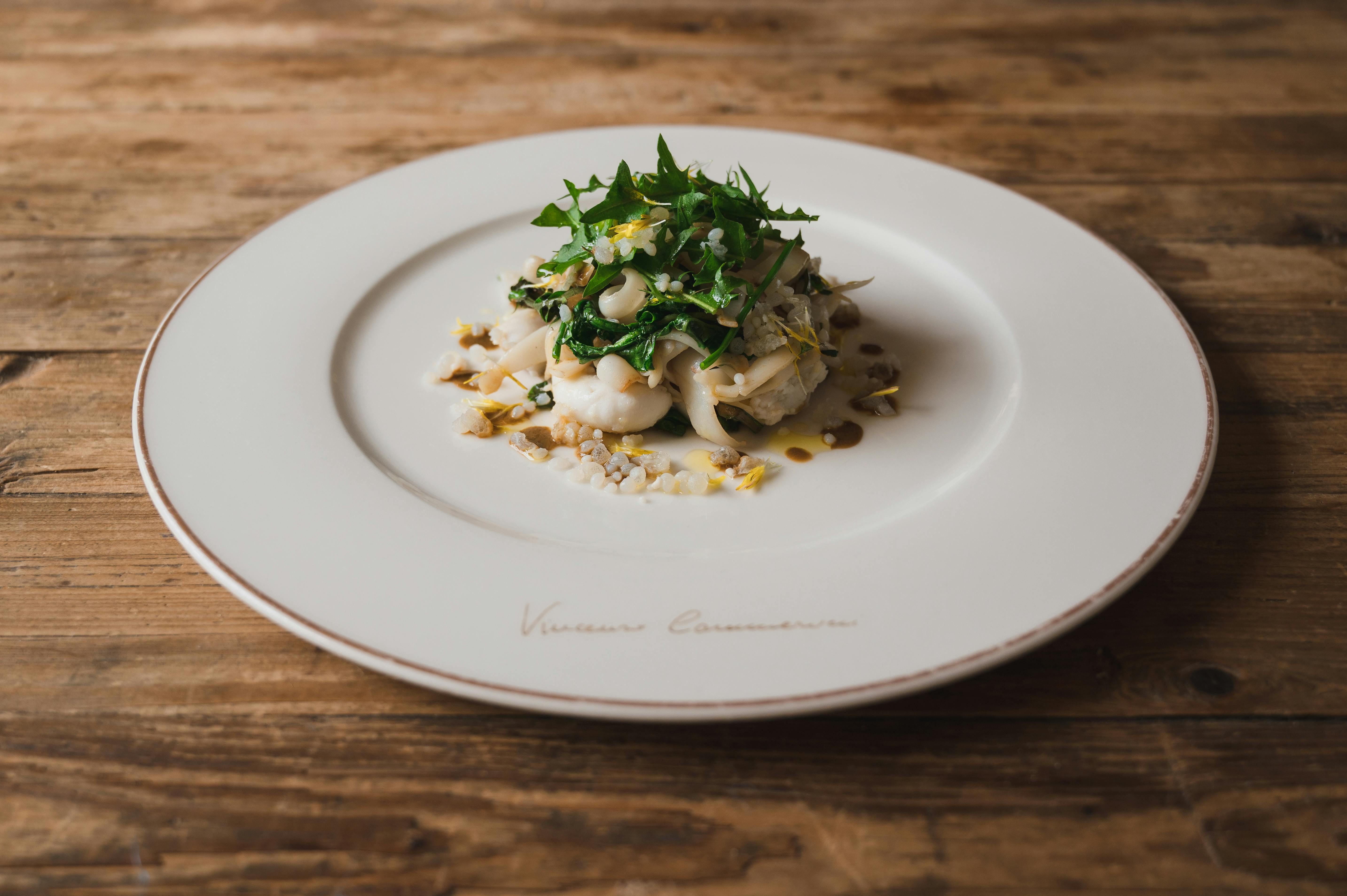
Italian cuisine is celebrated worldwide for its diversity, freshness, and regional character. Each region has its own signature dishes and culinary traditions, making dining one of the great pleasures of an Italian holiday.
Regional specialities to try:
Rome: Cacio e pepe, carbonara, supplì (fried rice balls), and Roman-style pizza al taglio
Naples: Authentic Neapolitan pizza, sfogliatella pastries, and fresh seafood
Florence/Tuscany: Bistecca alla fiorentina (T-bone steak), ribollita soup, and pappardelle with wild boar ragu
Venice: Cicchetti (Venetian tapas), risotto al nero di seppia (squid ink risotto), and fresh Adriatic seafood
Sicily: Arancini, pasta alla norma, and cannoli
Bologna/Emilia-Romagna: Tagliatelle al ragu, tortellini in brodo, and Parmigiano-Reggiano
Dining tips: Italians typically eat lunch between 12:30 and 2:00 PM and dinner from 7:30 PM onwards. Many restaurants close between lunch and dinner service. A "coperto" (cover charge) of EUR 1–3 per person is standard at most restaurants. Tipping is not obligatory but rounding up the bill or leaving EUR 1–2 is appreciated.
Culture and Customs
Italy's culture is deeply rooted in art, family, food, and regional identity. Understanding a few local customs will enhance your experience:
Greeting: A handshake is standard for first meetings. Close friends and family greet with a kiss on each cheek (left first, then right).
Dress code: Italians dress smartly, even for casual outings. When visiting churches, shoulders and knees must be covered.
Mealtimes: Lunch is often the main meal of the day, and dinner is served later than in Australia. Rushing through a meal is considered poor form — dining is a social occasion.
Siesta culture: Many small shops and businesses close between 1:00 PM and 3:30 PM, particularly in southern Italy and smaller towns.
Coffee etiquette: Cappuccino is a morning drink only. Ordering one after lunch or dinner is considered unusual. Espresso (simply "un caffe") is the standard any time of day.
Tipping: Service charge is often included. A small tip of EUR 1–2 is appreciated but not expected.
Public behaviour: Italians value courtesy. Greeting shopkeepers with "buongiorno" (good morning) or "buonasera" (good evening) when entering is customary.
Weather
Italy's climate varies significantly from north to south, offering something for travellers in every season:
Spring (March–May): Mild temperatures (15–22 degrees Celsius), ideal for sightseeing. Fewer crowds than summer. Occasional rain, particularly in the north.
Summer (June–August): Hot and dry, especially in the south (28–35+ degrees Celsius). Peak tourist season with higher prices and larger crowds. Coastal areas and islands are popular.
Autumn (September–November): Pleasant temperatures (12–24 degrees Celsius), grape and olive harvests, beautiful foliage. Fewer tourists and lower prices. Some rain, particularly in October and November.
Winter (December–February): Cool to cold (2–12 degrees Celsius), with snow in the north and Alps. Ideal for skiing, Christmas markets, and cultural attractions without crowds. Southern Italy remains milder.
Best time to visit for Australians: April to June and September to October offer the best balance of pleasant weather, manageable crowds, and reasonable prices. These periods also align well with Australian school holiday windows (April and September–October).
Tourist and Visa Information for Italy
Visa requirements for Australian citizens (2026):
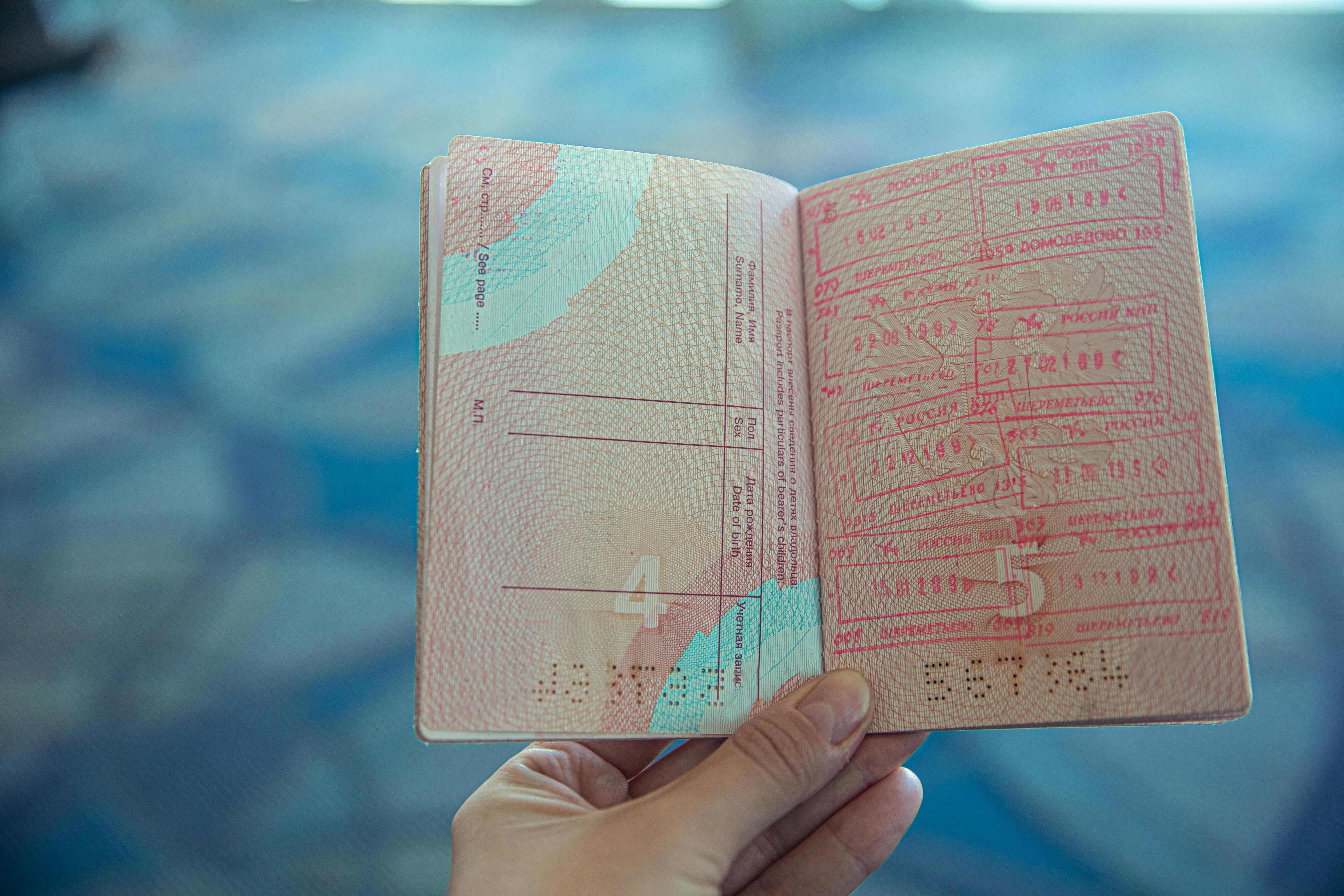
As of 2026, Australian passport holders can visit Italy and the broader Schengen Area for up to 90 days within a 180-day period without a visa for tourism purposes. However, from mid-2025, Australia is included in the EU's ETIAS (European Travel Information and Authorisation System) programme, which requires travellers to obtain an online travel authorisation before departure. The ETIAS application is completed online, costs approximately EUR 7, and is valid for three years.
Key entry requirements:
Valid Australian passport with at least 6 months validity beyond your planned departure date from Italy
Proof of accommodation and sufficient funds for your stay
Return or onward travel arrangements
Travel insurance is strongly recommended
Health and safety:
No mandatory vaccinations for entry from Australia
European Health Insurance Card does not apply to Australians — comprehensive travel insurance is essential
Emergency number: 112 (pan-European) or 118 (medical emergency)
Italy is generally safe for tourists; exercise standard precautions against pickpocketing in busy tourist areas
Australian consular services:
The Australian Embassy in Rome and consulates in Milan provide assistance to Australian travellers. Register your travel plans with the Department of Foreign Affairs and Trade via smartraveller.gov.au before departure.
Book Your Italy Accommodation with ViaResorts
ViaResorts focuses exclusively on accommodation — we negotiate directly with quality properties across Italy to secure competitive rates. You arrange your own travel however works best for you, and we handle the accommodation.
Italy is a destination that truly has something for everyone — ancient history in Rome, romantic canals in Venice, Renaissance art in Florence, stunning coastlines along the Amalfi, and world-class cuisine in every region. Whether you are planning a cultural city break, a coastal escape, or a countryside retreat through Tuscany, Italy delivers an unforgettable holiday experience.
With its excellent train network, vibrant local culture, and year-round appeal, Italy is well worth the journey from Australia. Start planning your Italian adventure today and explore accommodation options on viaresorts.com.
Pricing is indicative and may vary by travel dates, property, and availability. Always check the live listing on viaresorts.com before booking.
Written by ViaResorts Team · Travel guide for Australian travellers.
Frequently Asked Questions
Do I need a visa to visit Italy as an Australian citizen?
Australian citizens can visit Italy for tourism without a visa for stays up to 90 days within any 180-day period. You'll need a passport valid for at least 3 months beyond your planned departure date from the Schengen area. For longer stays or other purposes, you may need to apply for a visa.
What's the best way to get around Italy - should I rent a car or use public transport?
Public transport is highly recommended for travelling between major cities, with Italy's excellent train network (Trenitalia and Italo) offering fast, efficient connections. Car rental is ideal for exploring rural areas like Tuscany or the Amalfi Coast, but avoid driving in city centres due to traffic restrictions and congestion. Trains cost EUR 40-100 for high-speed routes, while car rentals start from EUR 30-60 per day.
When is the best time to visit Italy weather-wise?
The best time to visit Italy is during spring (April-May) and early autumn (September-October) when temperatures are pleasant and crowds are smaller. Summer can be very hot and crowded, especially in Rome and southern Italy, while winter is mild but some attractions may have reduced hours. The shoulder seasons offer ideal weather for sightseeing and better value for accommodation.
How much should I budget for food and dining in Italy?
Food costs vary significantly depending on where you eat - a pizza or pasta dish at a local trattoria costs around EUR 8-15, while fine dining restaurants can charge EUR 50-100+ per person. Street food and markets offer budget-friendly options from EUR 3-8. Don't forget that many restaurants charge a 'coperto' (cover charge) of EUR 1-3 per person, and tipping isn't mandatory but rounding up is appreciated.
Is it easy to use credit cards in Italy, or should I carry cash?
Major credit cards (Visa, Mastercard, American Express) are widely accepted at hotels, restaurants, and shops in tourist areas and cities. However, it's essential to carry cash for smaller purchases, local markets, cafes, and in remote areas where card acceptance may be limited. ATMs are readily available throughout Italy, though foreign transaction fees may apply.