Planning a luxury escape to Fiji? Use our travel guide to help with your plan.
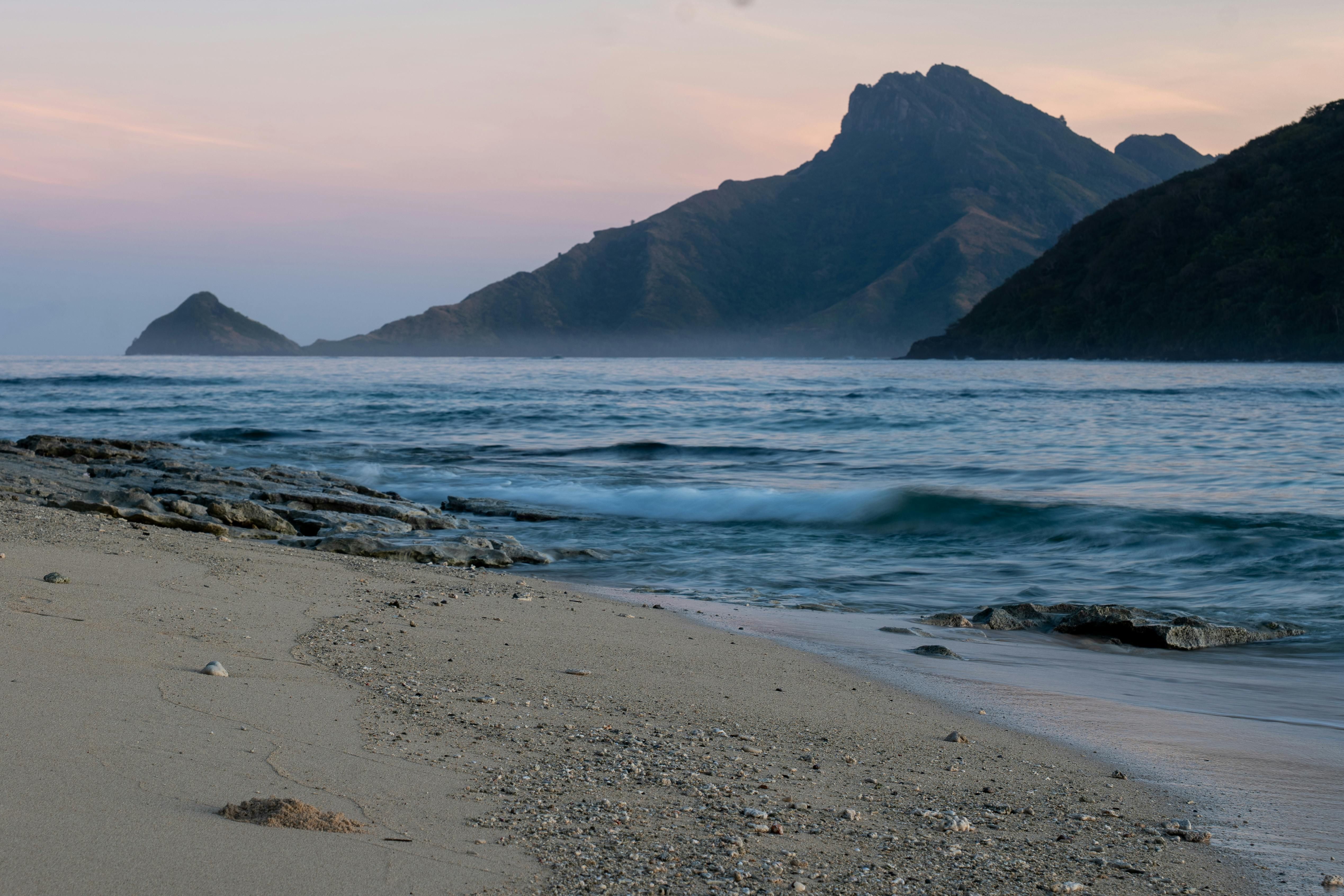
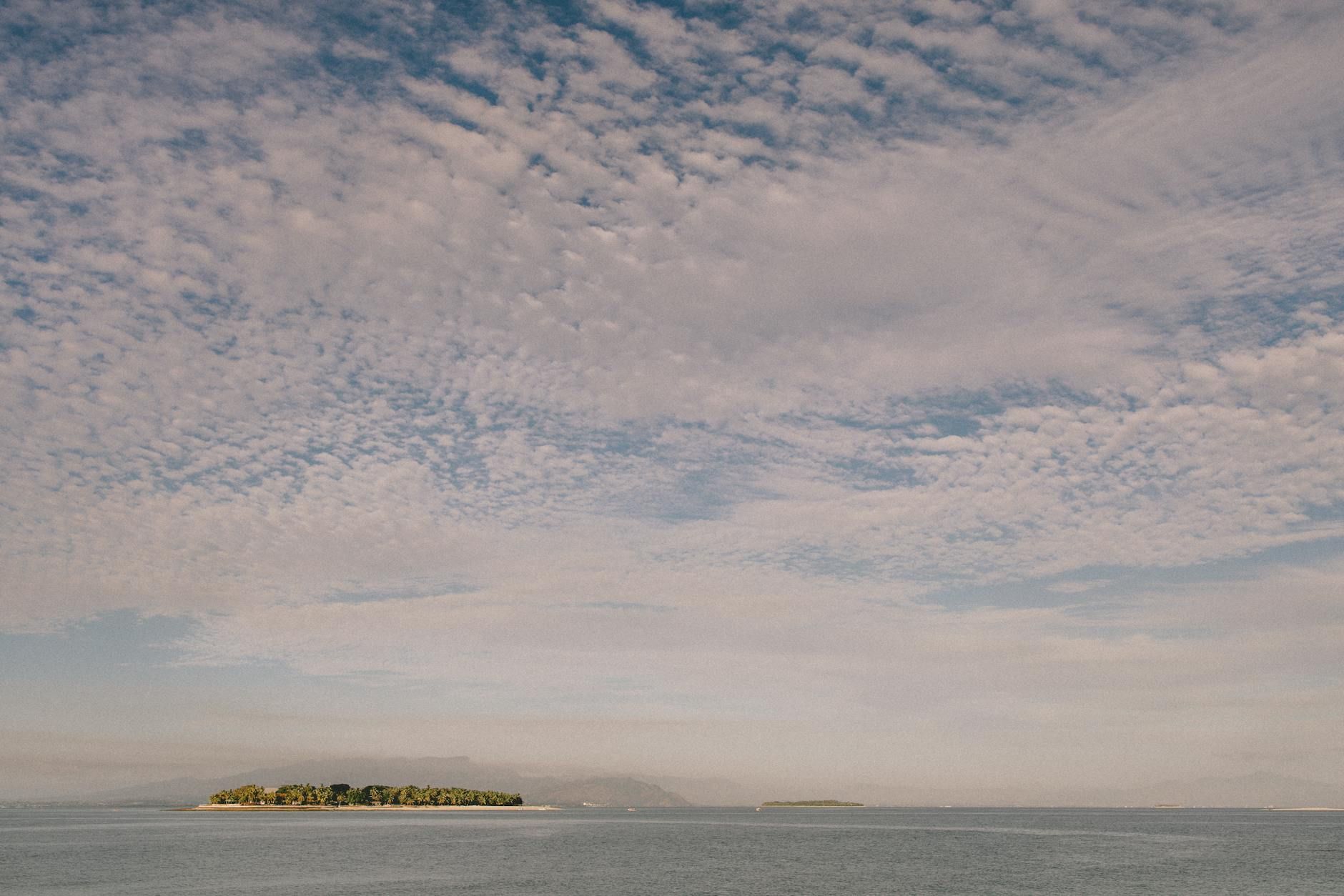
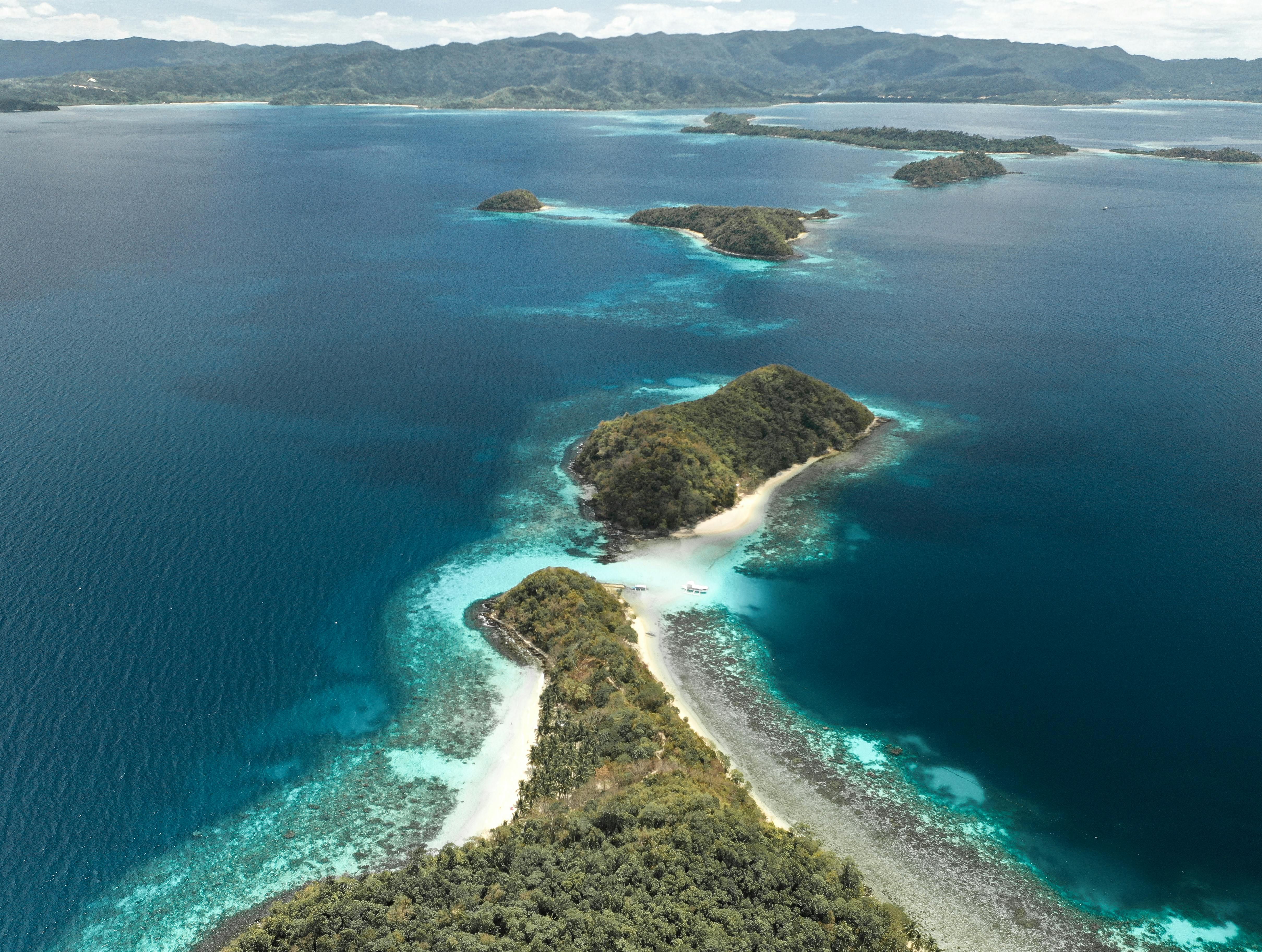
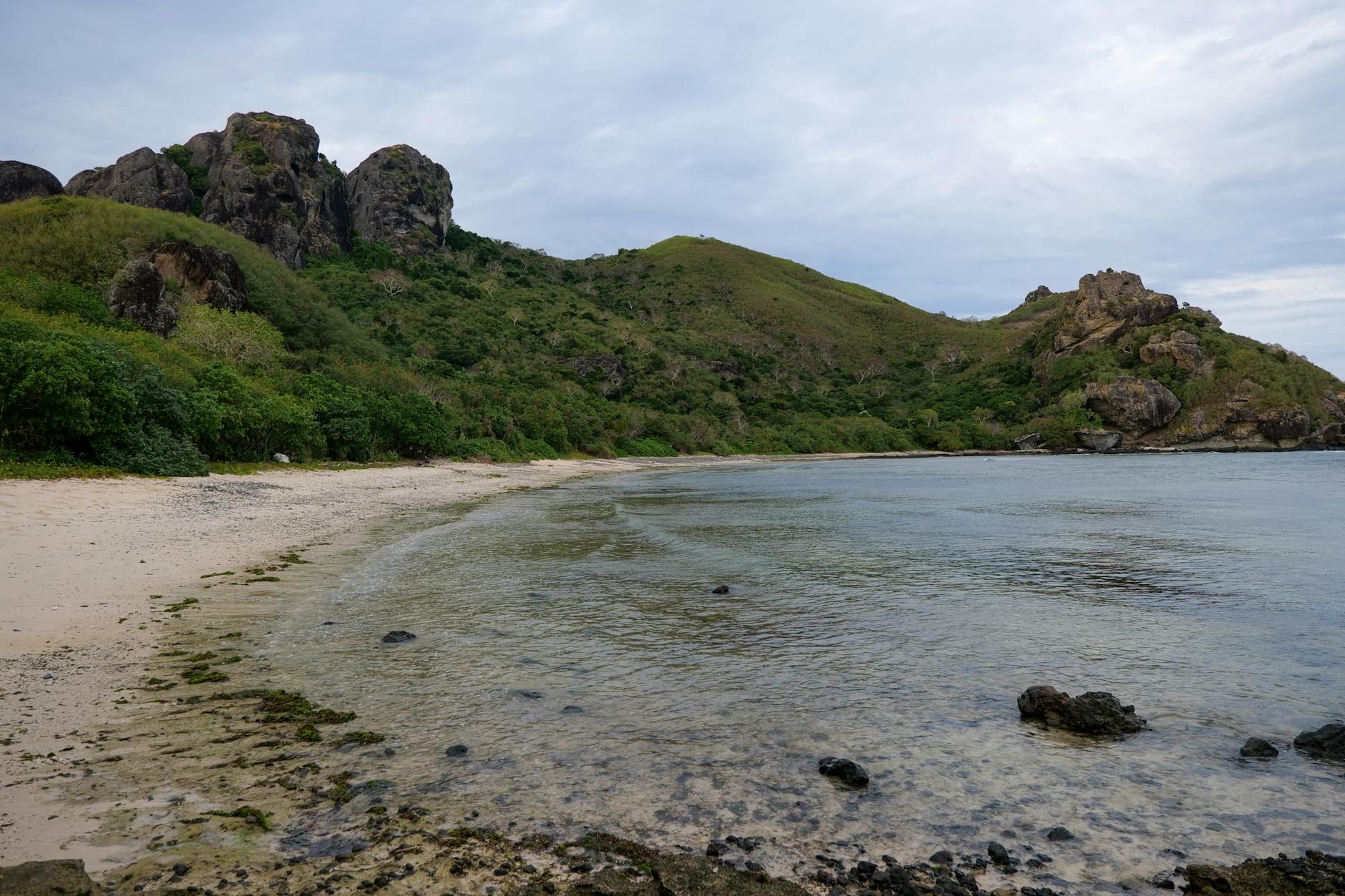
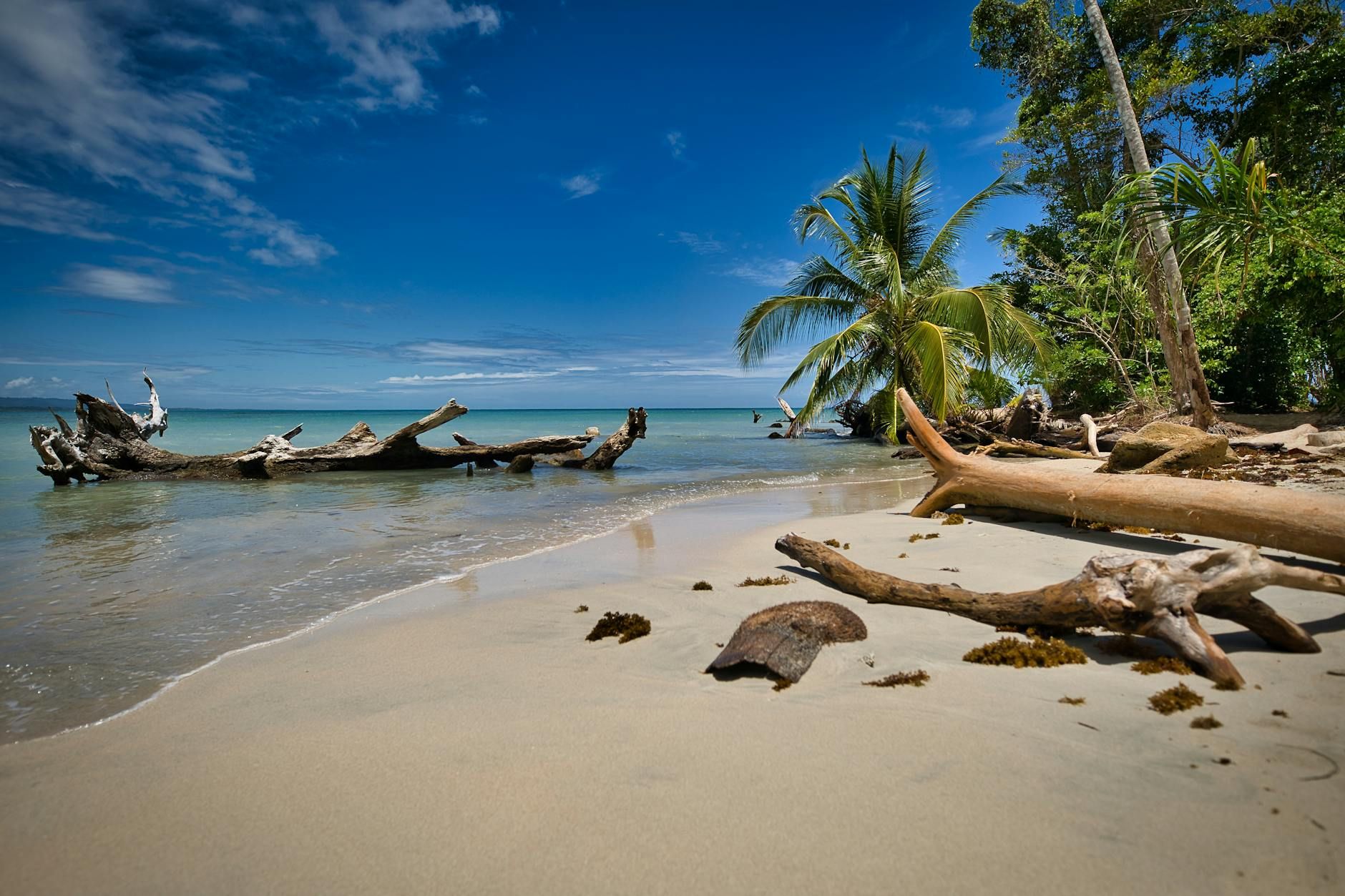
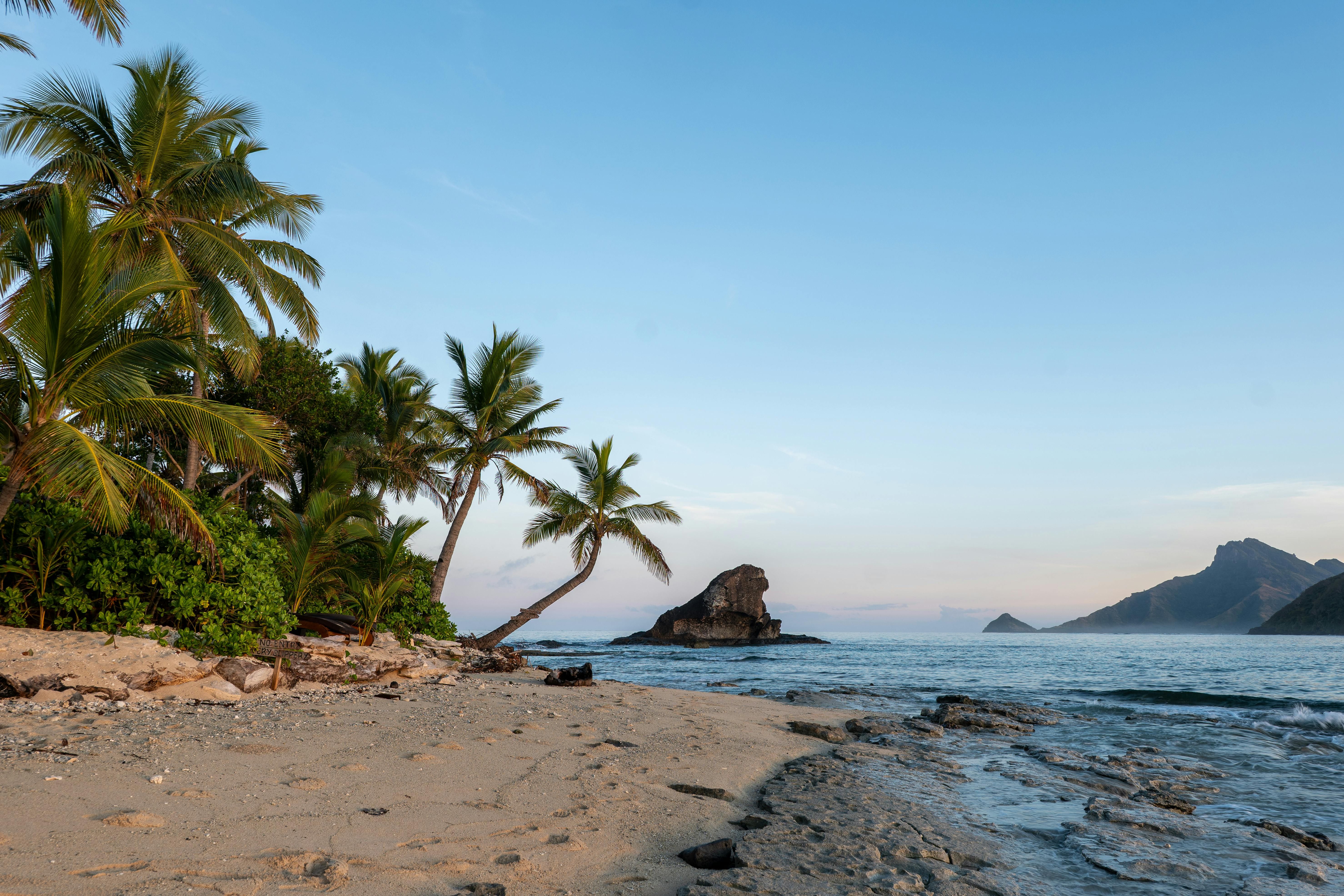
Fiji, located in the South Pacific, boasts stunning coral reefs, crystal-clear waters, and lush landscapes. Known for its warm hospitality, vibrant culture, and outdoor adventures, Fiji is a tropical paradise offering a perfect blend of relaxation and fun activities.
When you arrive in Fiji, you can immerse yourself in the country's warm hospitality, vibrant festivals, water sports, and traditional ceremonies. From diving in the Great Astrolabe Reef to witnessing the fire-walking ritual, Fiji promises unforgettable moments for visitors.
Getting Around Fiji
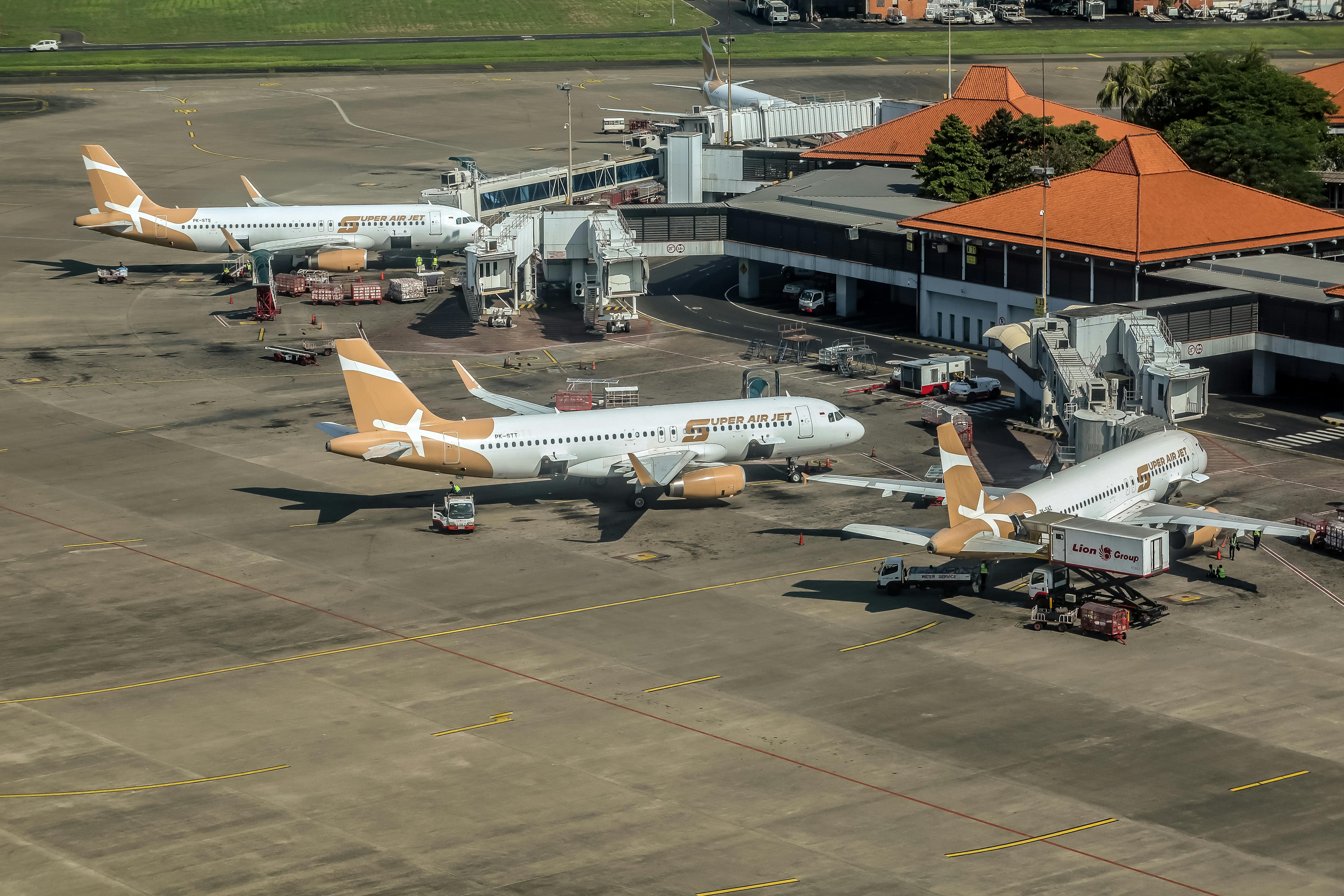
Fiji has two international airports that serve as gateways to the islands. Once you arrive, there are plenty of transport options to get you to your resort and around the country.
Nadi International Airport (NAN): Located near Nadi on the western side of Viti Levu, Nadi International Airport is the main gateway to Fiji and the busiest airport in the country, with connecting services to the outer islands.
Nausori International Airport (SUV): Situated near Suva on the southeastern side of Viti Levu, Nausori International Airport also handles some regional services.
Domestic flights: Domestic airlines operate services between major islands, providing a quick way to travel longer distances within Fiji.
Transport Travel Tip
Plan and book transportation for Fiji in advance, especially for inter-island services and popular tours. This ensures availability and can often result in better prices. Familiarise yourself with local transportation options, negotiate taxi fares in advance, and be open to exploring the islands via a mix of modes — including boats, taxis, and local buses — for a more immersive experience.
How to Get Around Fiji
When you arrive at the airport in Fiji you will find a variety of transportation options. Whether you want to travel locally or between islands, there are many ways to make your way around this beautiful island country.
We recommend booking your airport transportation in advance to ensure a smooth start to your holiday.
Here are the most common ways to get around Fiji:
Taxis and Ridesharing: Taxis are available in urban areas and at airports. Negotiate fares beforehand or ensure the meter is used.
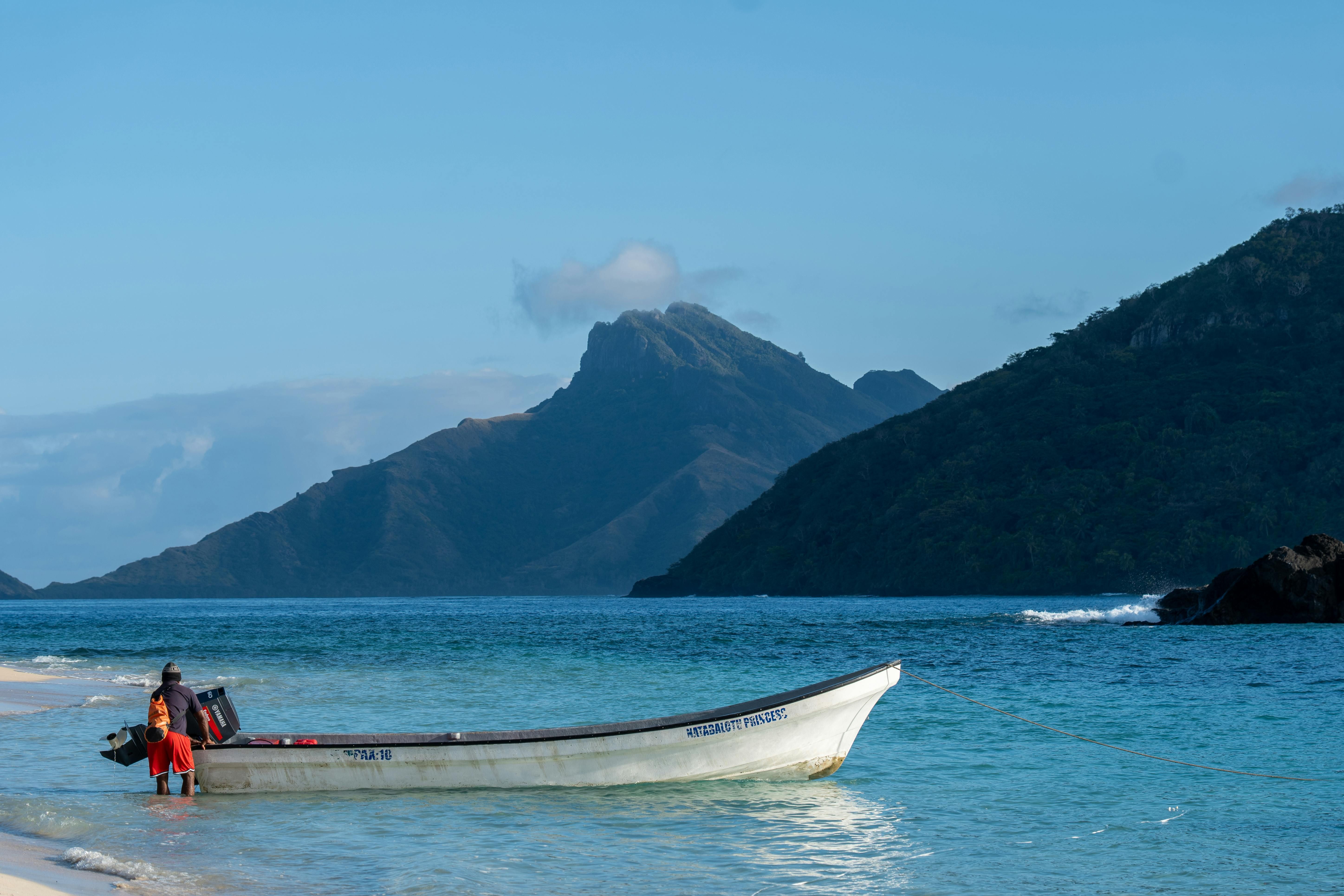
Boats and Ferries: Inter-island ferries and boat services connect different islands, providing scenic journeys and access to remote areas.
Buses: Public buses and private shuttle services are common, offering affordable transportation between towns and attractions.
Water Taxis: Water taxis and boat charters are available for island-hopping or reaching more secluded spots.
Tourist Shuttles: Organised tours often include transportation, with buses or vans picking up tourists from their accommodation.
Car Rentals: Car rental agencies offer vehicles for independent exploration, especially on larger islands like Viti Levu.
Bicycles and Scooters: Renting bicycles or scooters is a popular and eco-friendly way to explore smaller towns and scenic areas.
Currency
The currency used in Fiji is the Fijian Dollar, abbreviated as FJD. The symbol for the Fijian Dollar is "$" or "FJ$."
The Fijian Dollar is divided into 100 cents. It is the official currency of Fiji and is widely accepted throughout the country.
The Fijian Dollar (FJD) is the official currency of the Republic of Fiji. It comes in both coins and banknotes. The coins are issued in denominations of 5, 10, 20, and 50 cents, as well as 1 and 2 dollars. Banknotes are commonly found in denominations of 5, 10, 20, 50, and 100 dollars.
The currency features images of notable Fijian figures, flora, and fauna. The Reserve Bank of Fiji is responsible for issuing and regulating the Fijian Dollar. As the primary medium of exchange in Fiji, it is used for all transactions, including purchases, services, and tourism-related expenses.
Language
Fiji is a multilingual country with three official languages:
English: English is the primary language used in government, education, and business. Most Fijians are fluent in English — making it very easy for Australian travellers to communicate.
Fijian (iTaukei): Fijian, often referred to as iTaukei, is an Austronesian language spoken by the indigenous Fijian population. It has several dialects.
Hindi: Hindi is spoken by the Indo-Fijian community, descendants of Indian indentured labourers who arrived in Fiji in the 19th and early 20th centuries.
Shopping
Fiji offers a variety of shopping experiences, from bustling markets to upscale boutiques. Here are some of the best places to shop in Fiji:
Local Fijian Markets
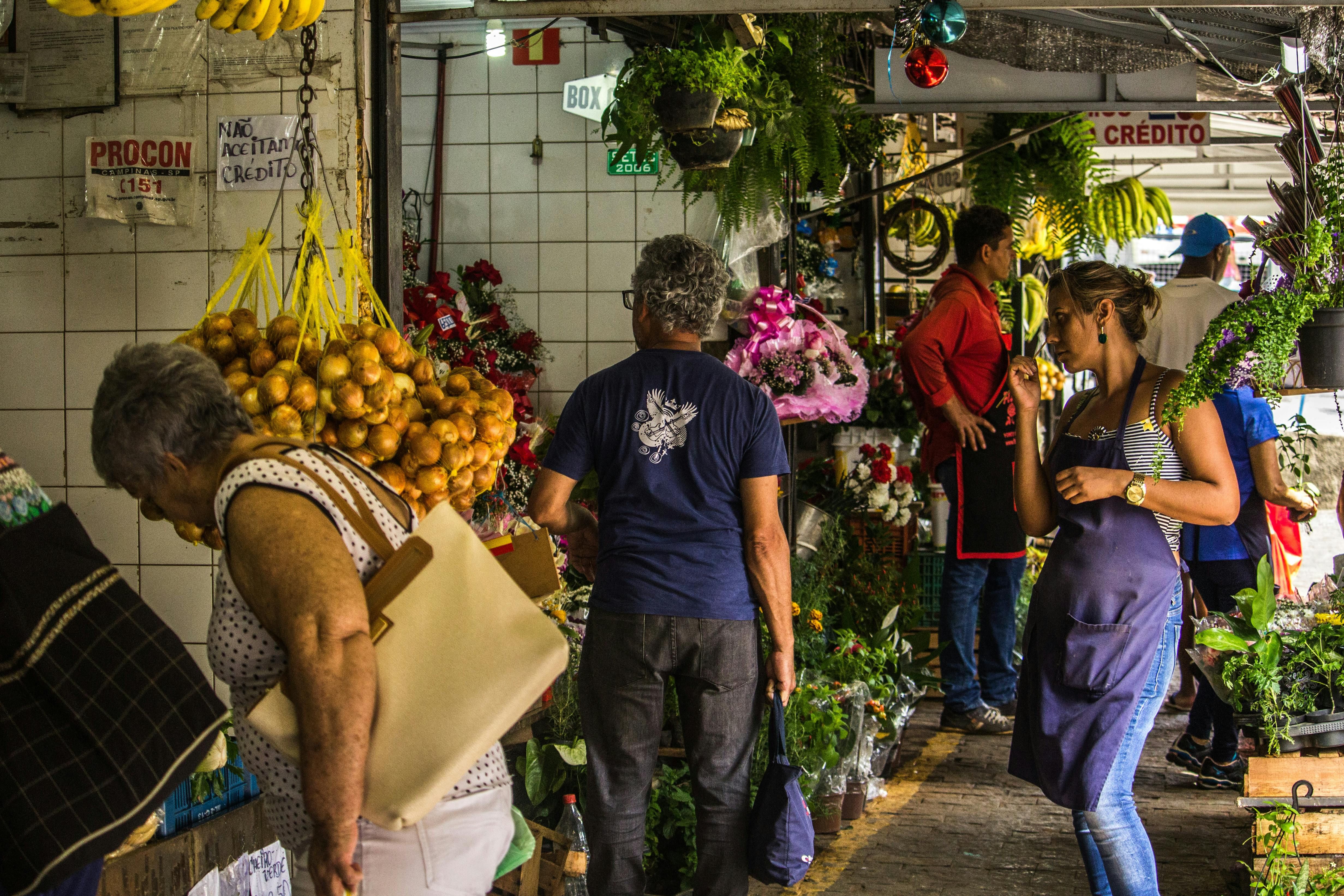
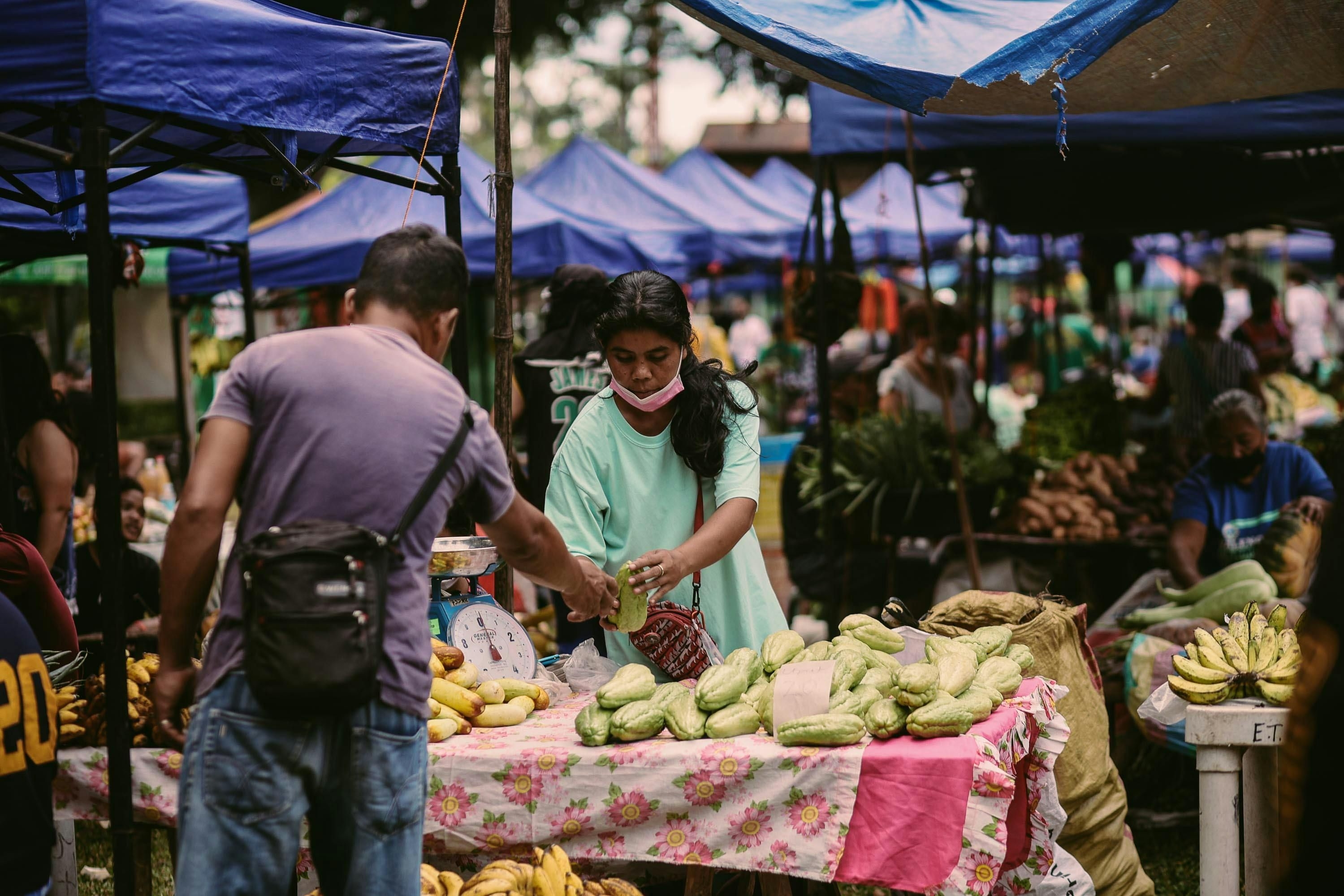
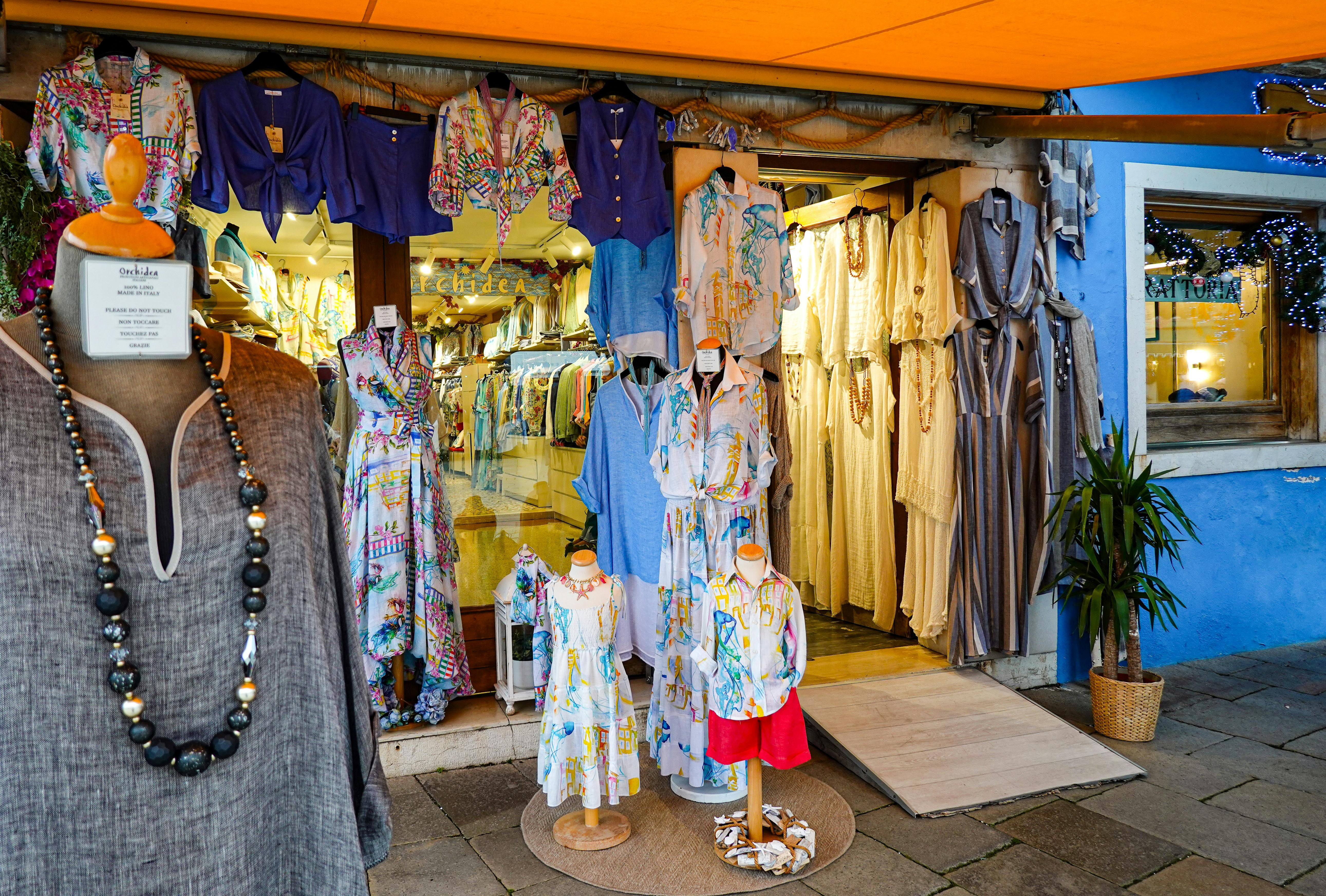
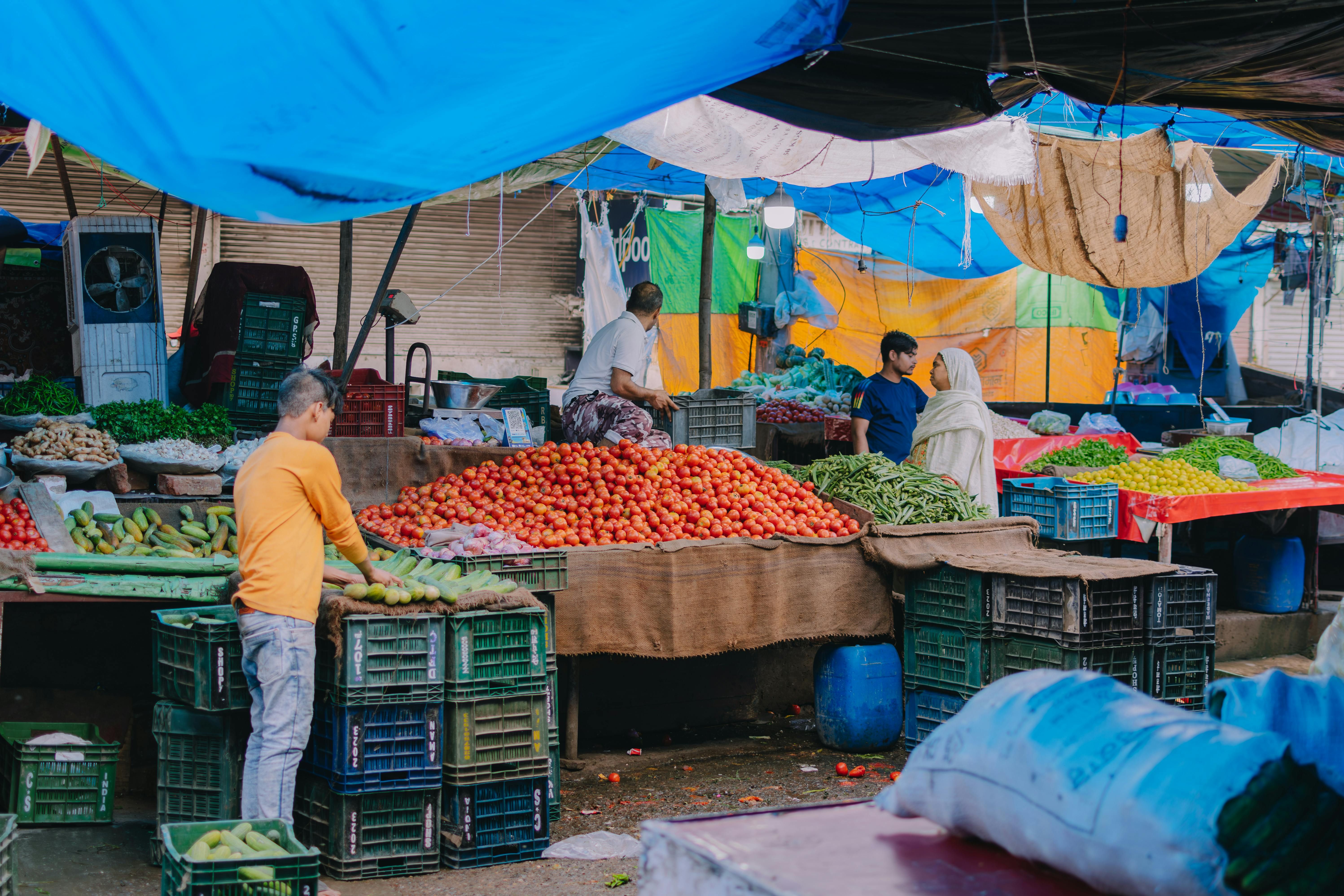
Fiji's markets, like Suva Municipal Market and Nadi Handicraft Market, showcase the local culture and food. Bustling with colourful stalls, they offer fresh produce, traditional handicrafts, and Fijian souvenirs, providing a lively and authentic shopping experience for visitors.
Shopping Malls
Fiji has malls like MHCC, TappooCity in Suva and Port Denarau Shopping Centre (Denarau Island). These modern shopping complexes offer a diverse retail experience, featuring fashion, electronics, and duty-free shops. Malls provide convenience and variety for shoppers.
Convenience Stores
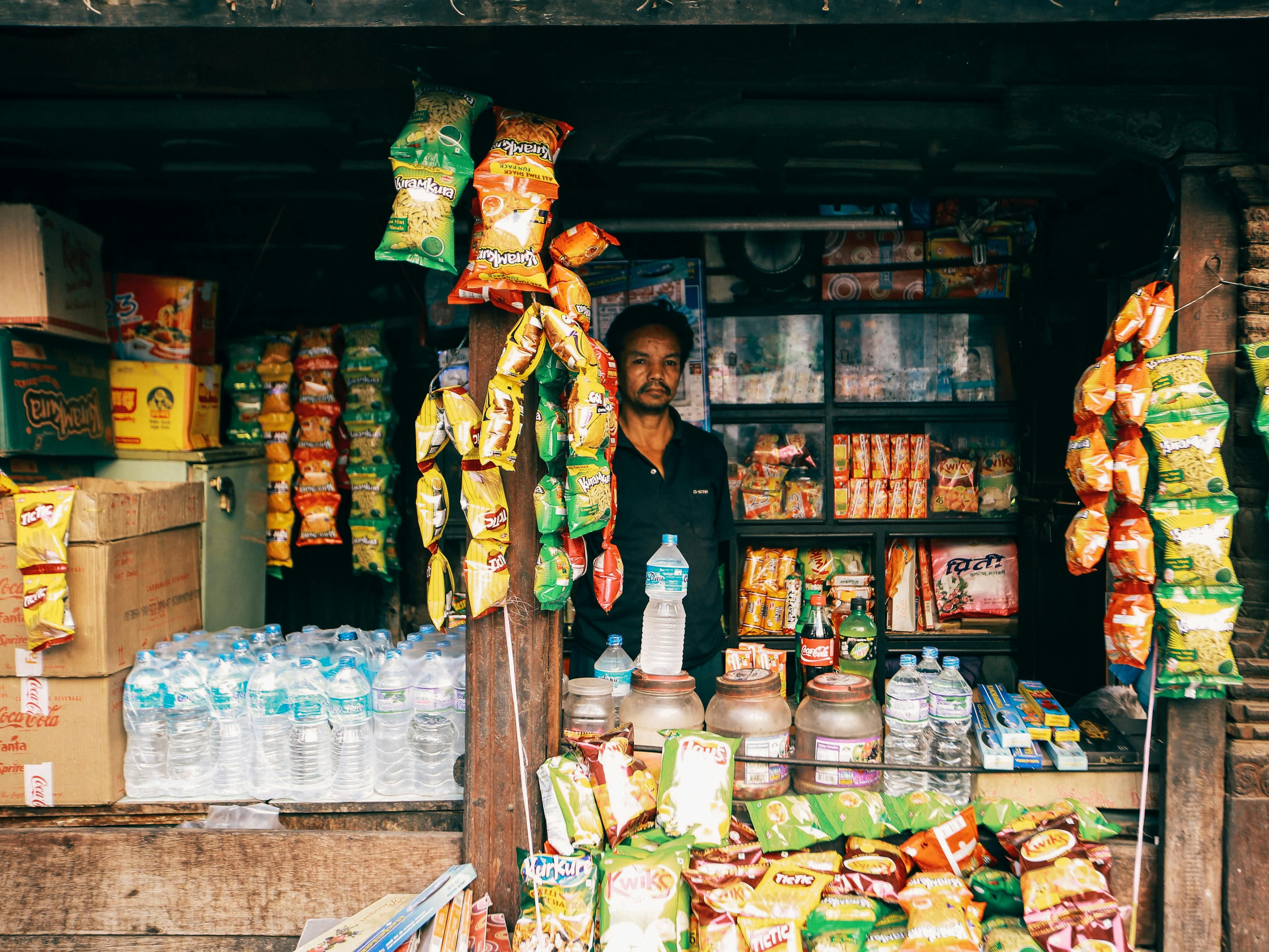
Fiji has convenience stores that cater to both locals and tourists. These stores, often found in urban areas, towns, and near tourist destinations, offer a range of products including snacks, beverages, toiletries, basic groceries, and sometimes souvenirs. Additionally, many resorts and hotels may have small shops or boutiques providing convenience items for their guests.
Hotel Gift Stores
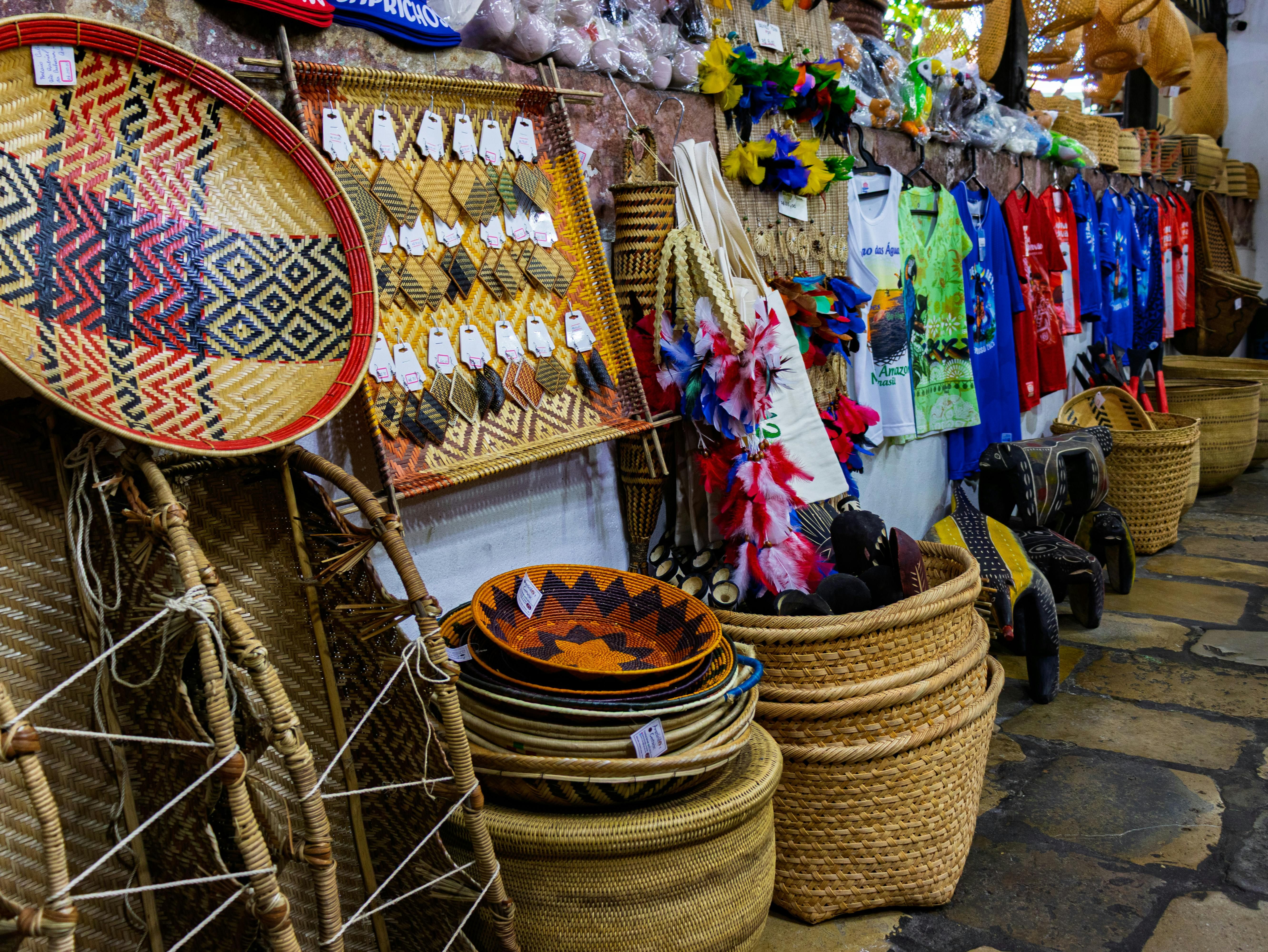
Hotel shopping in Fiji offers convenience with on-site boutiques or gift shops. Guests can find Fijian crafts, clothing, and travel essentials, providing a relaxed and accessible shopping experience depending on the resort.
The Highlights
Tourists visiting Fiji can look forward to a diverse range of highlights, combining natural beauty, cultural experiences, and adventure. Here are some highlights that travellers enjoy on a holiday to Fiji:
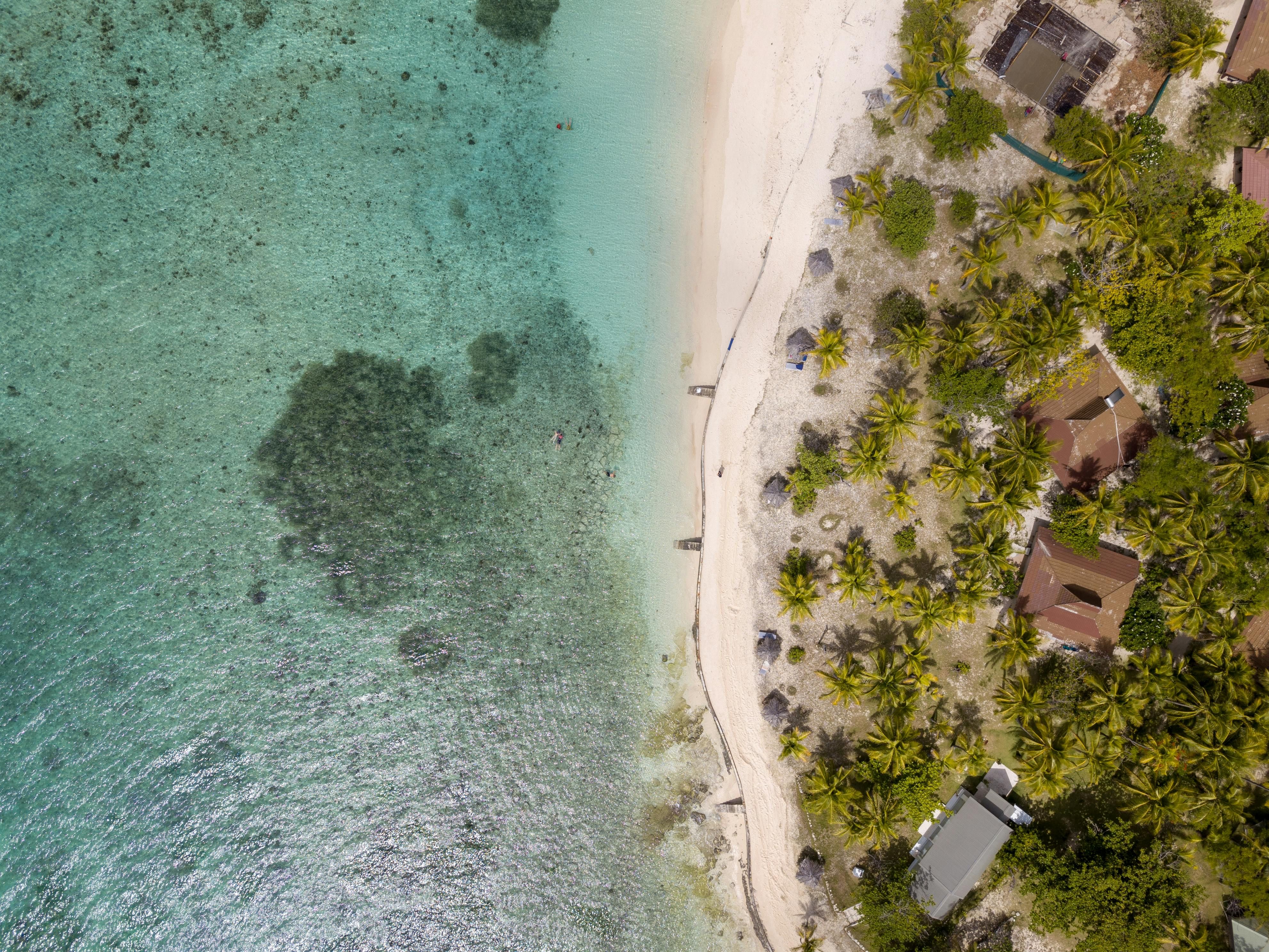
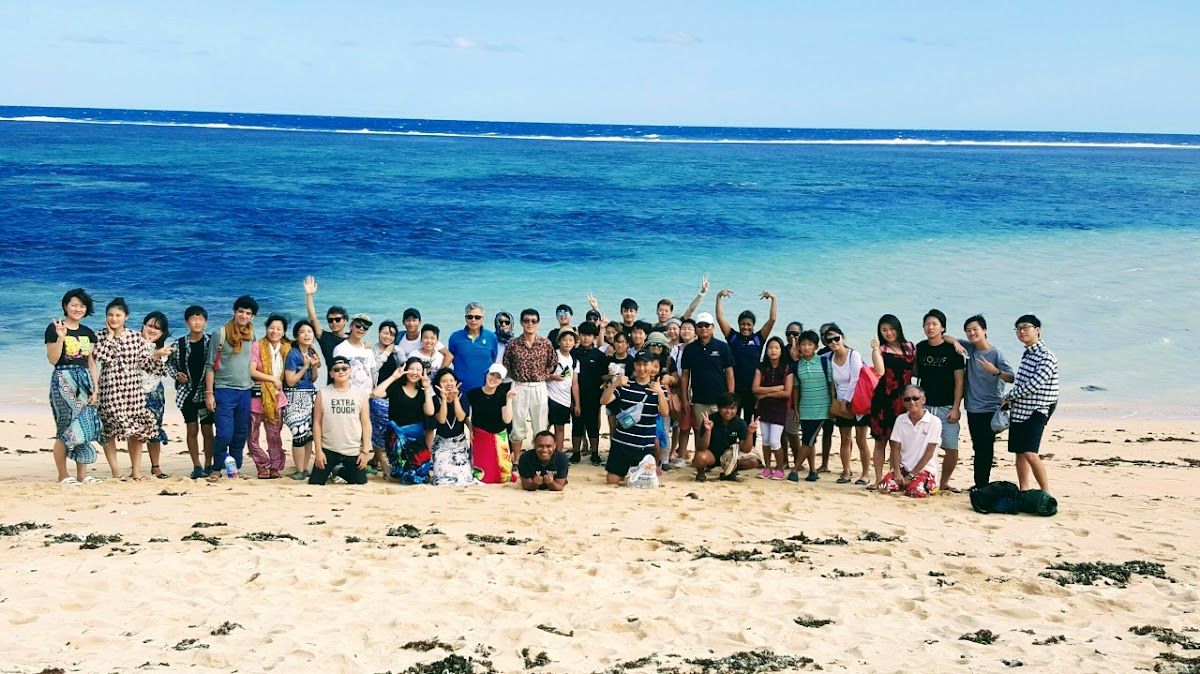
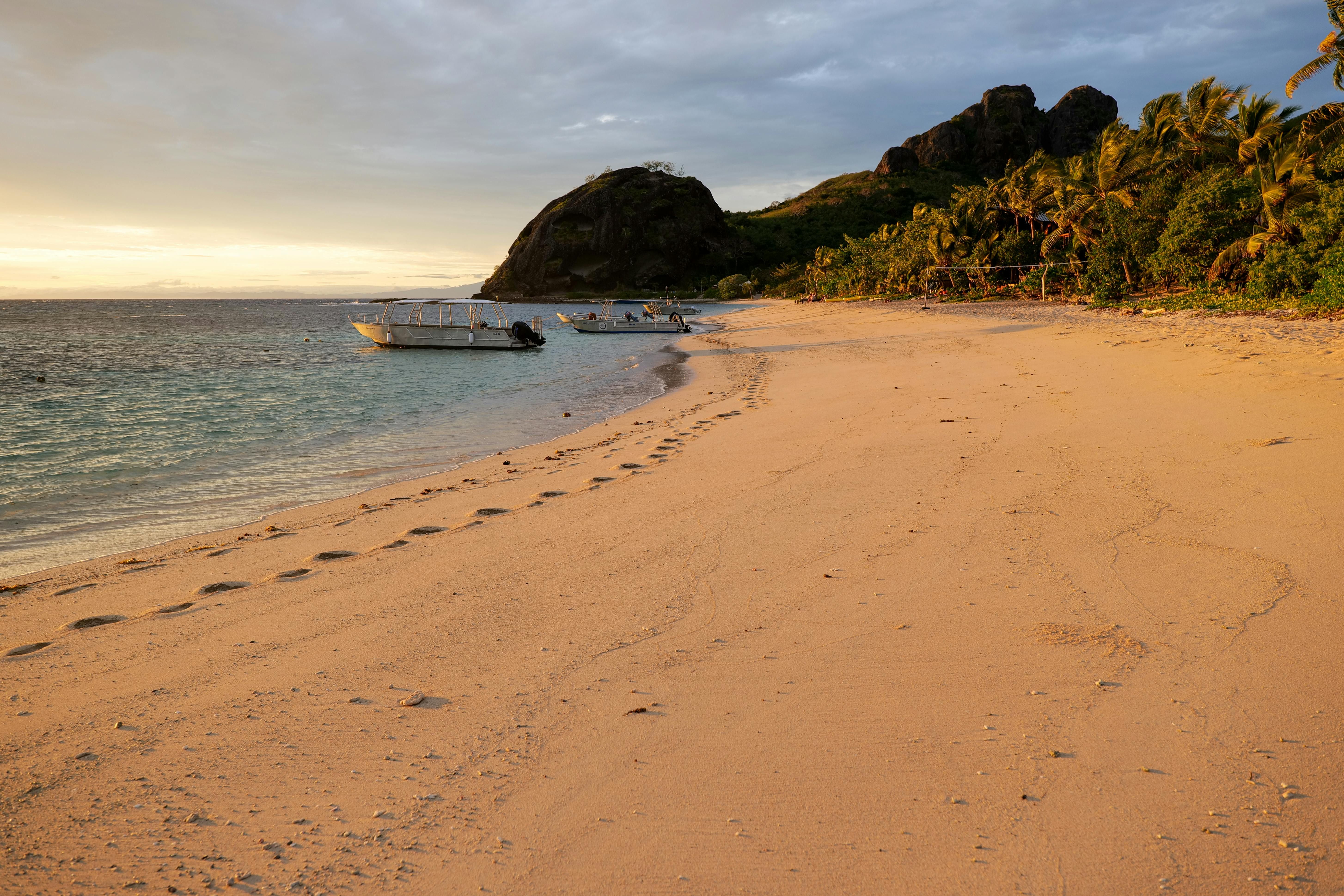
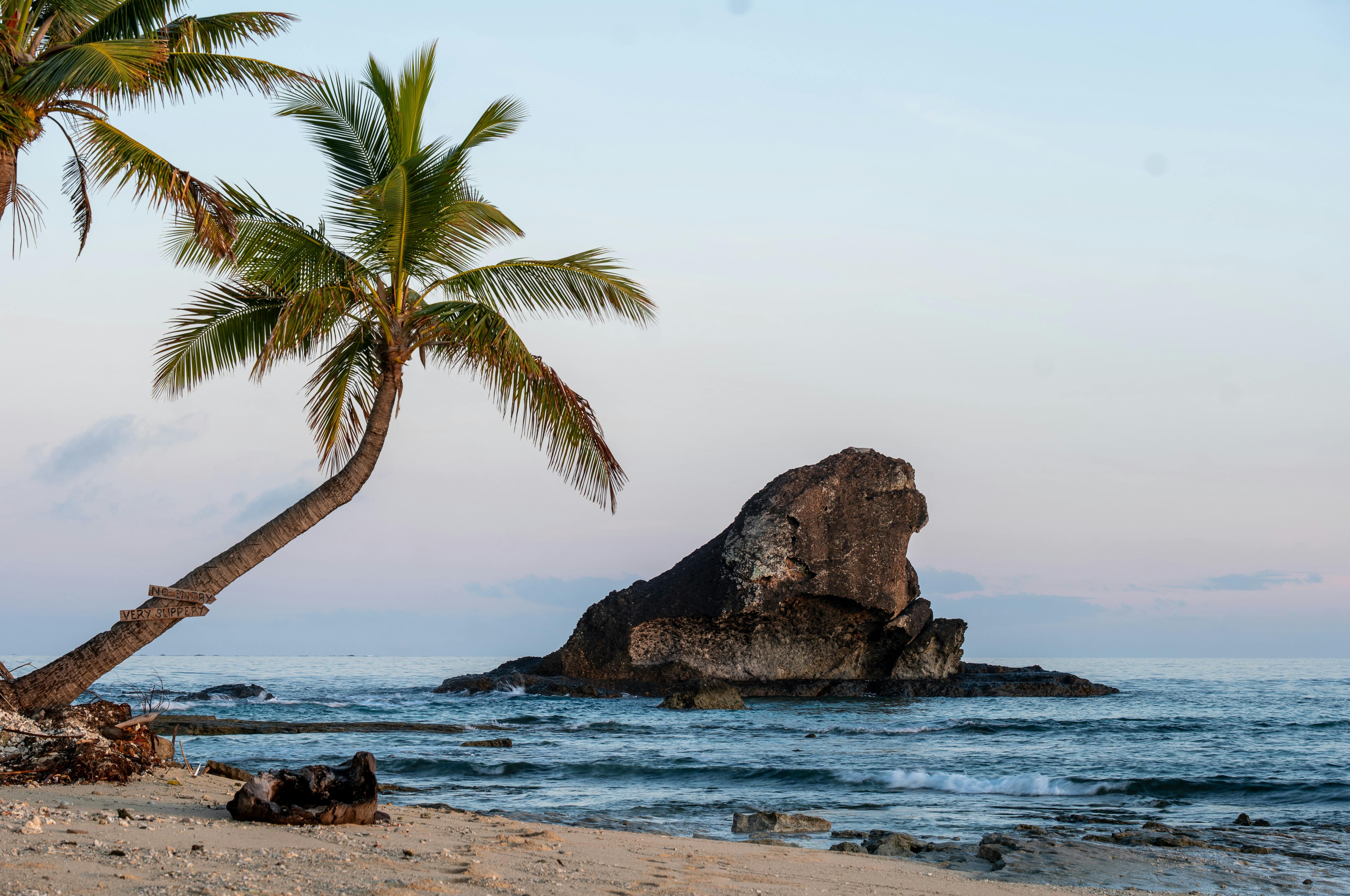
Stunning Beaches: Relax on pristine white-sand beaches, such as Natadola Beach and the Yasawa Islands, surrounded by crystal-clear turquoise waters.
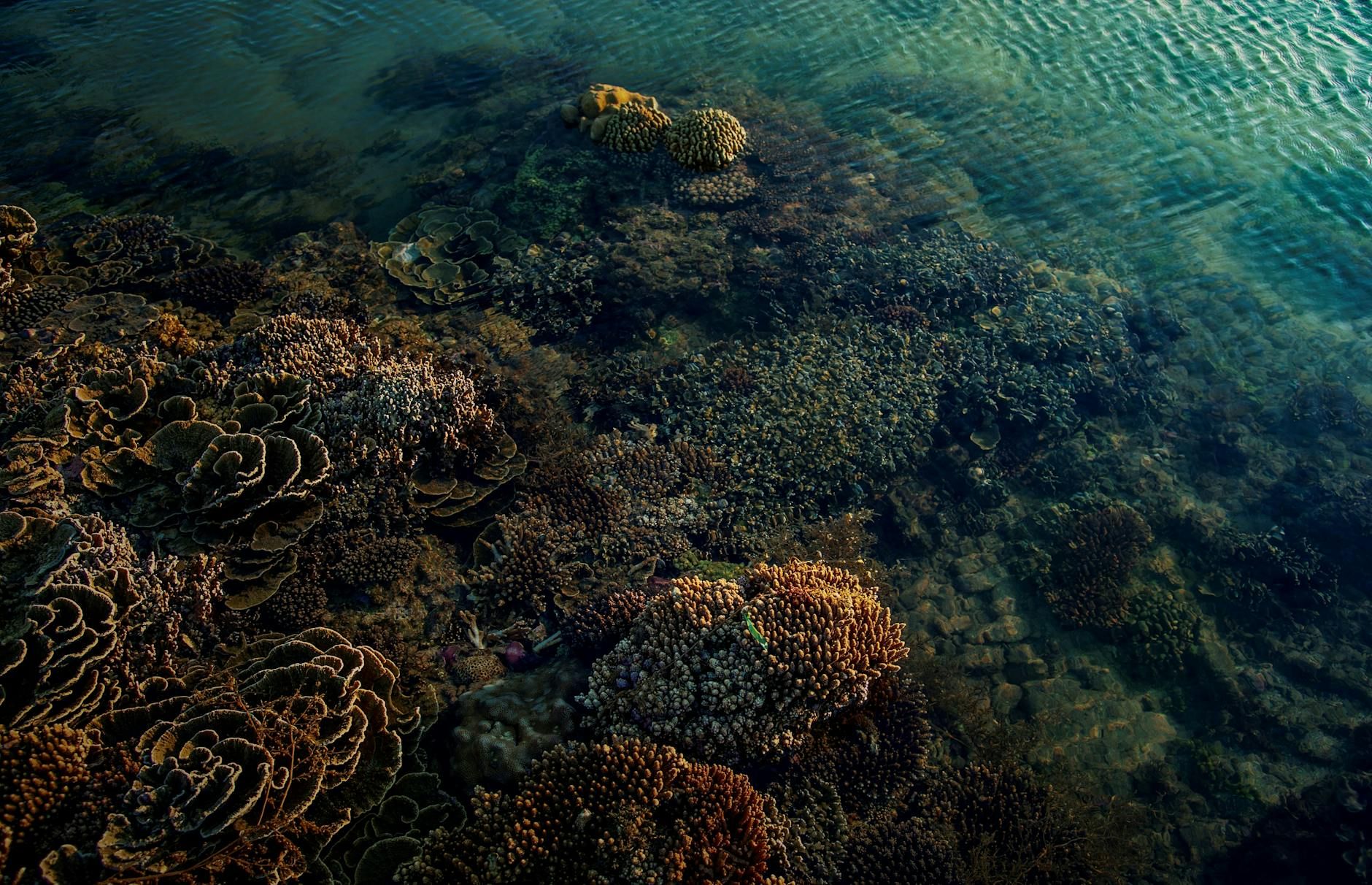
Snorkelling and Diving: Explore vibrant coral reefs and underwater ecosystems, encountering diverse marine life in locations like the Great Astrolabe Reef.
Island Hopping: Discover the unique charm of various Fijian islands, each offering its own cultural and natural attractions.
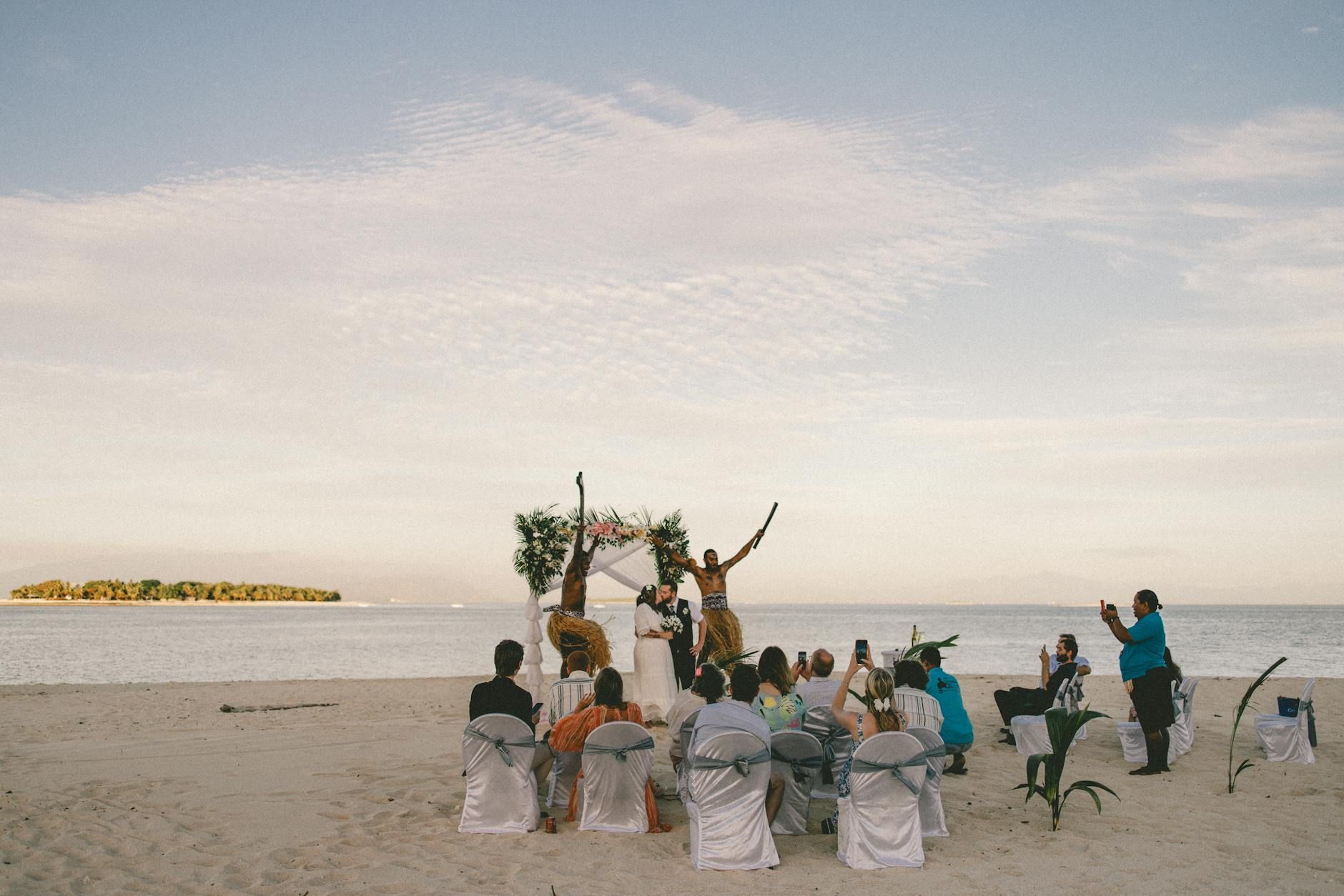
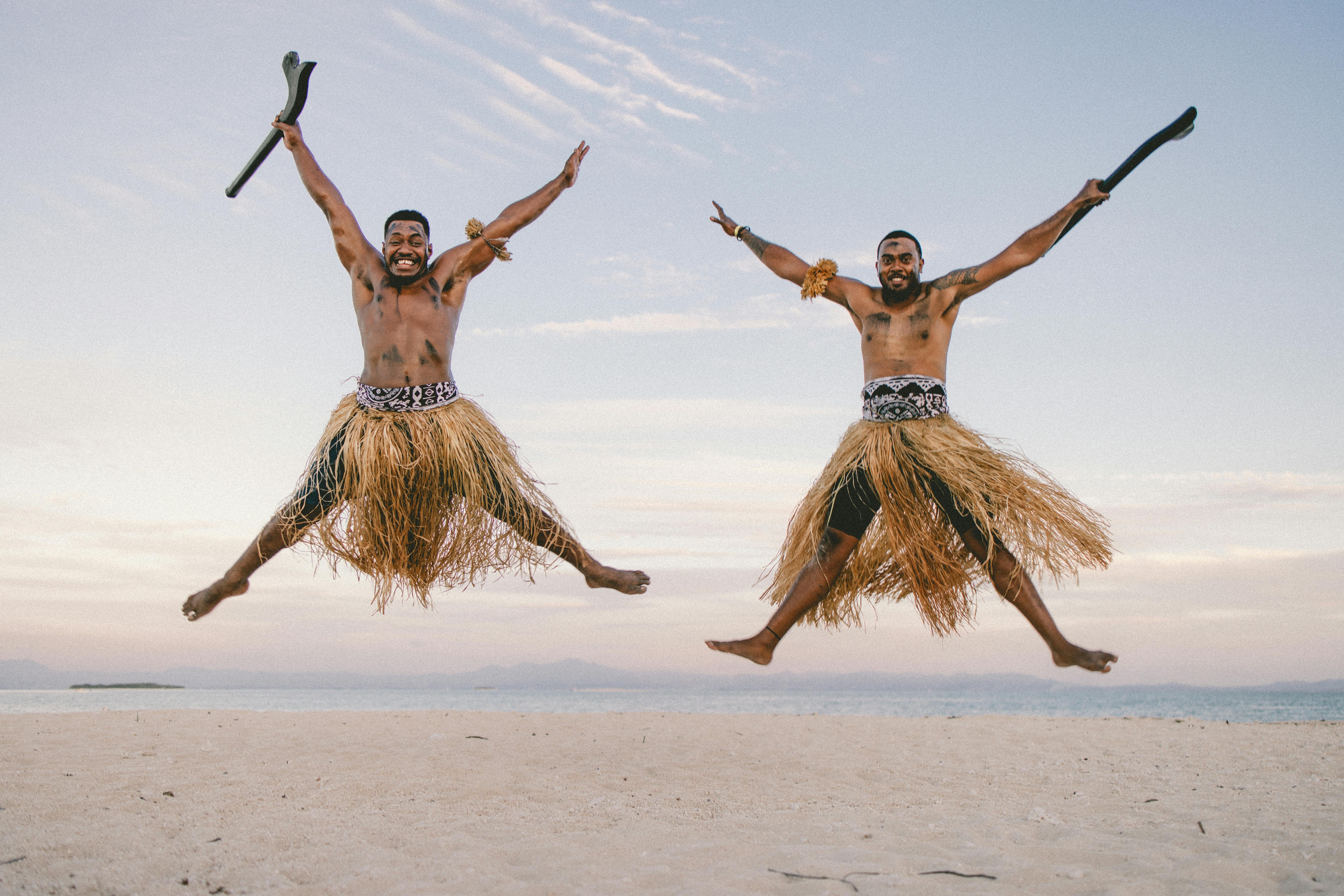
Traditional Fijian Culture: Engage in cultural experiences like Kava ceremonies, meke dance performances, and visiting local villages for an authentic Fijian immersion.
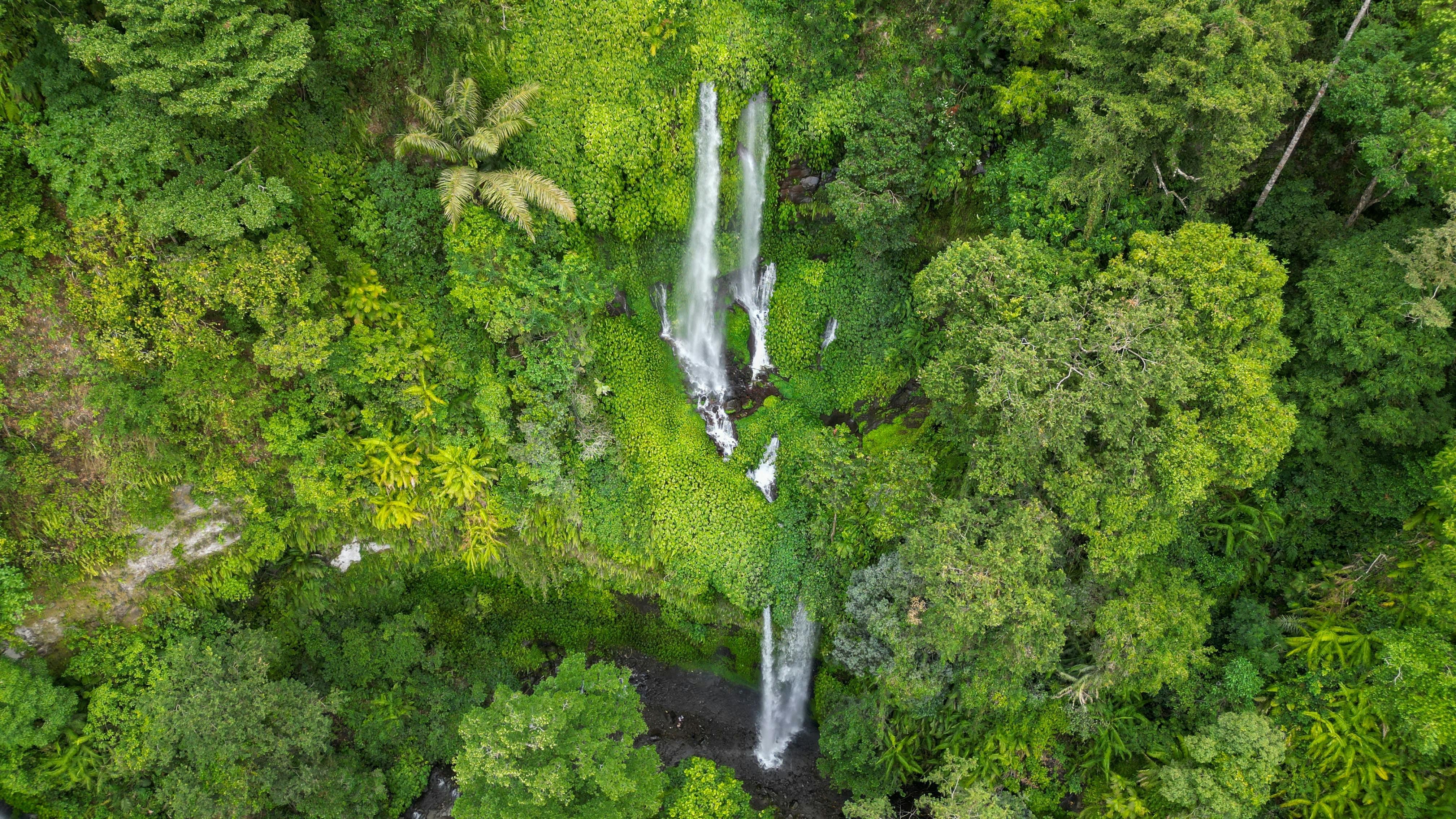
Waterfall Adventures: Explore the lush interior of the islands and discover beautiful waterfalls, such as Sabeto Hot Springs and Mud Pool or Bouma Falls in Taveuni.
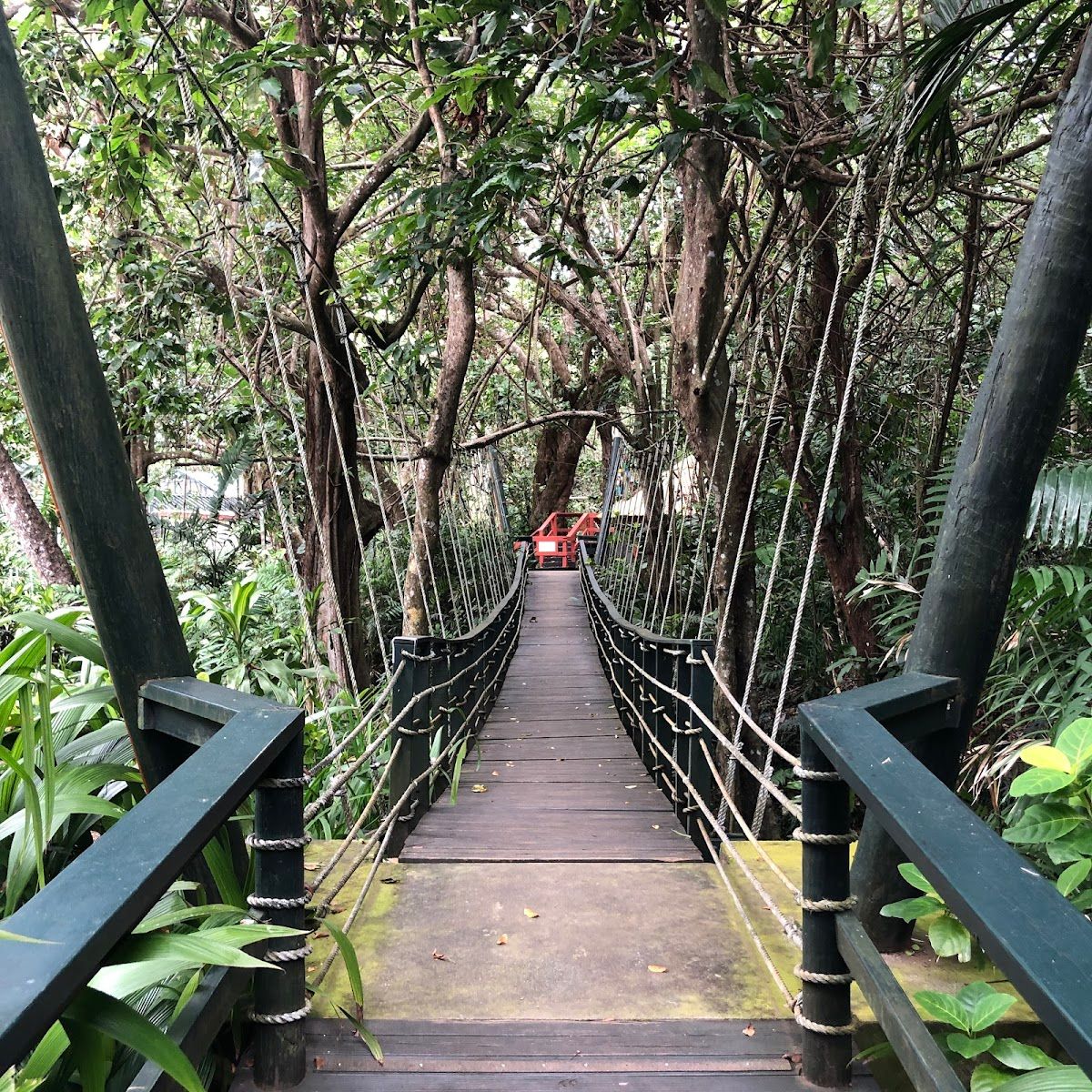
Hiking and Nature Trails: Trek through rainforests and nature reserves, like Colo-I-Suva Forest Park, offering breathtaking views and diverse flora and fauna.
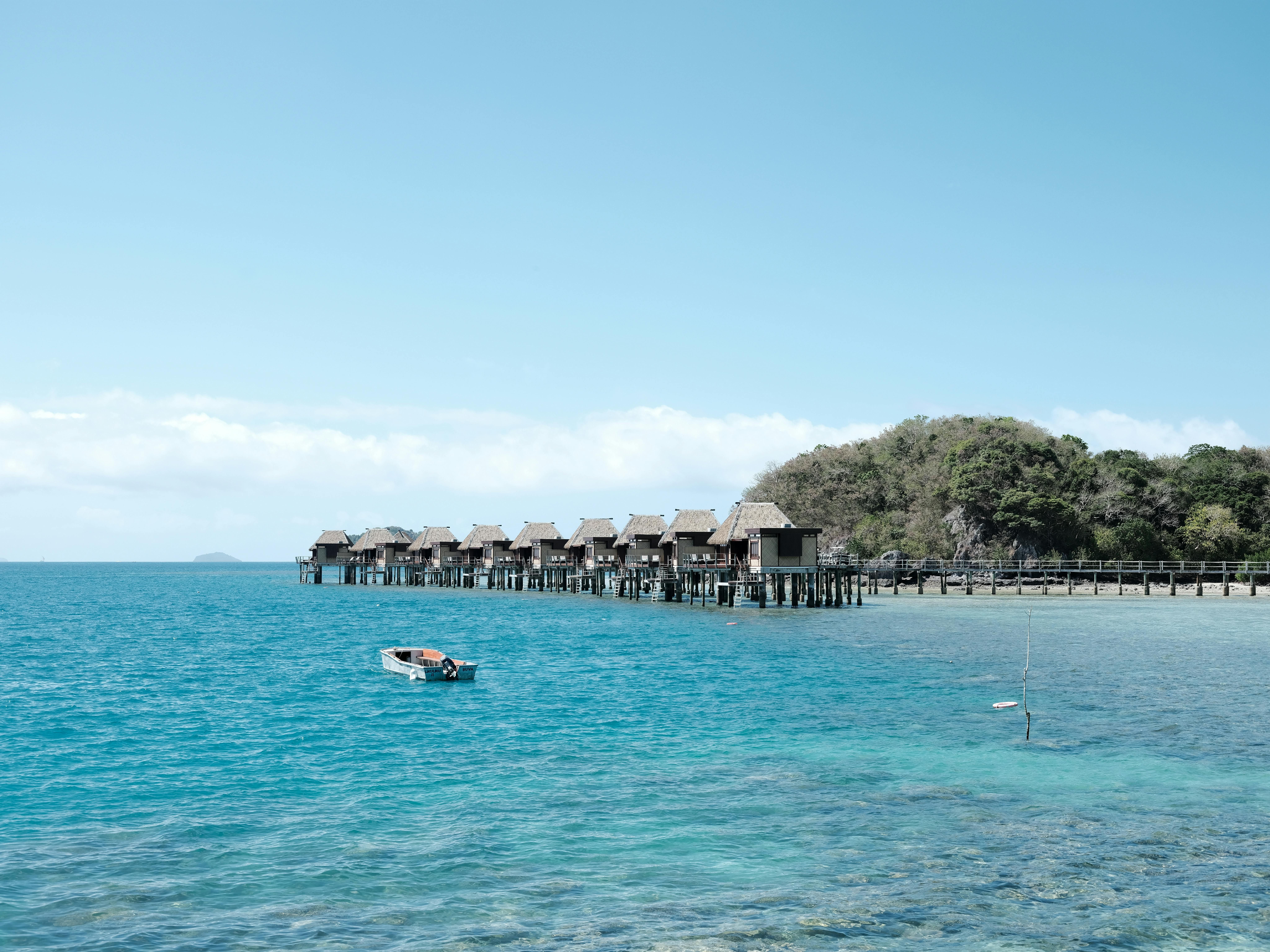
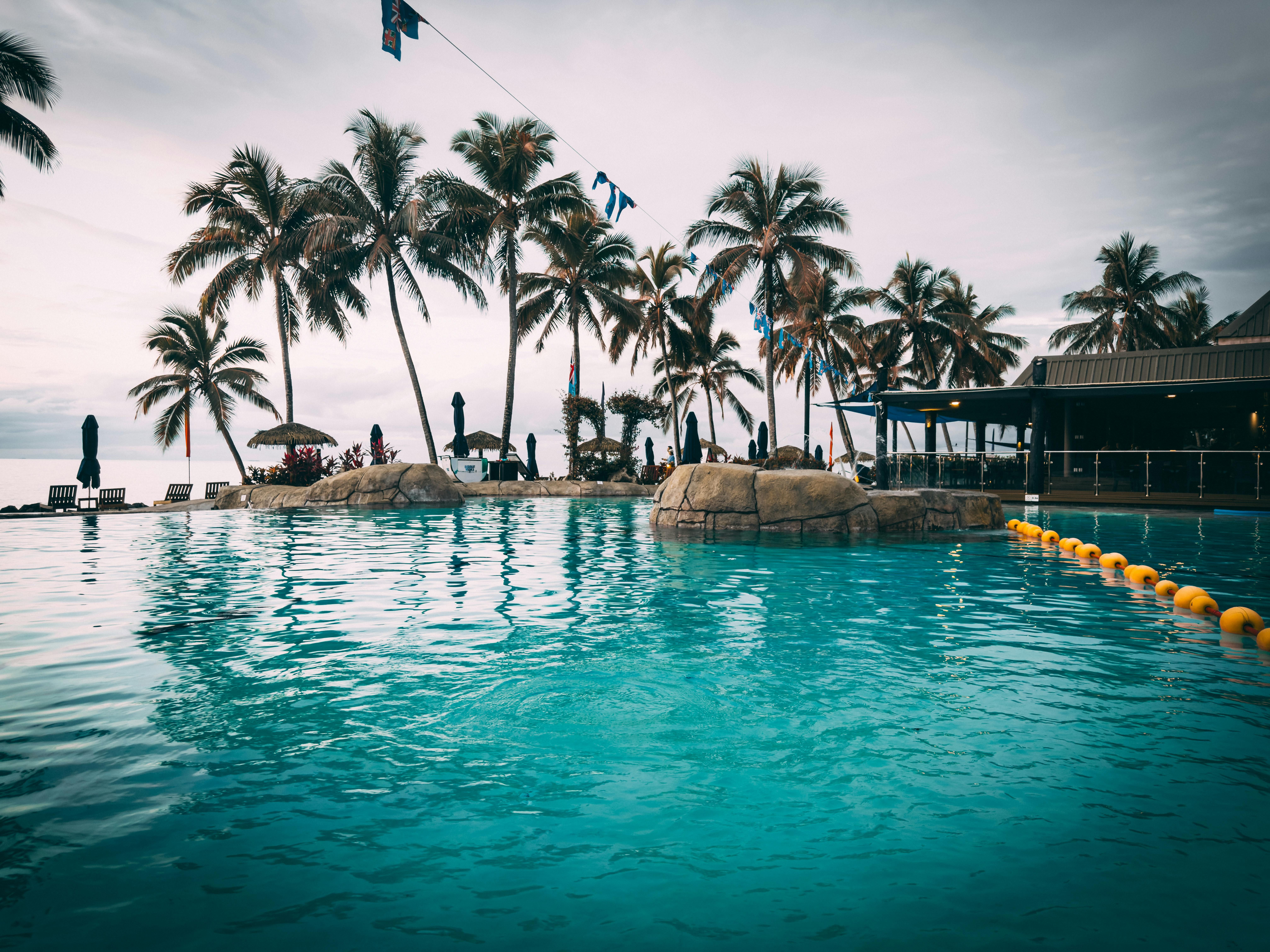
Luxurious Resorts: Experience world-class accommodation and amenities in Fiji's luxury resorts, providing relaxation and pampering against stunning backdrops.
Adventure Sports: Participate in adrenaline-pumping activities like ziplining, jet-skiing, and river-rafting for an exciting holiday.
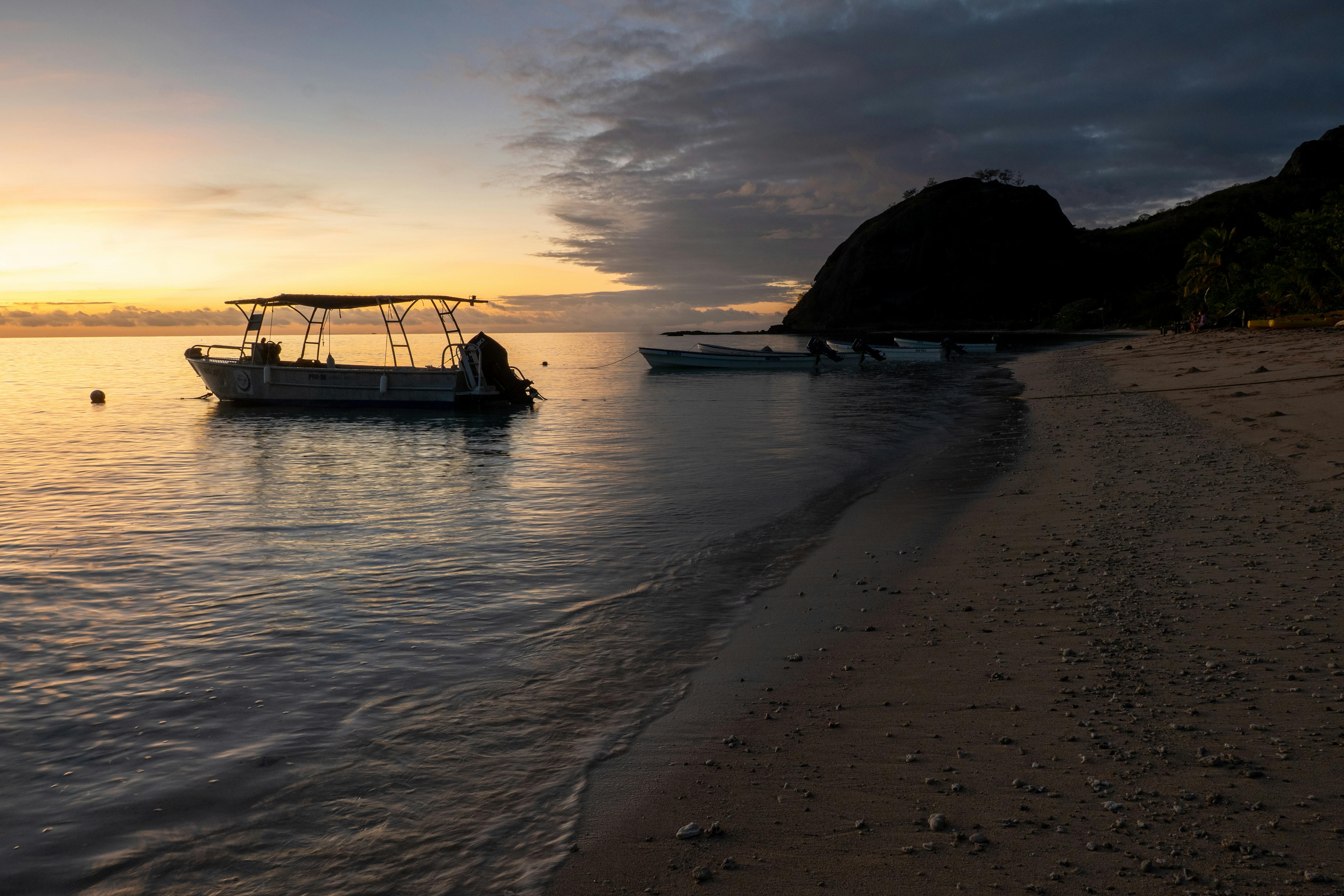
Cruise and Sunset Tours: Take scenic cruises, day trips, or sunset tours to appreciate the beauty of Fiji's islands from the water.
Local Cuisine: Indulge in Fijian cuisine, with fresh seafood, tropical fruits, and traditional dishes like Kokoda and Lovo.
Coral Coast Scenic Drive: Enjoy a scenic drive along the Coral Coast, showcasing beautiful landscapes and cultural sites.
Bouma National Heritage Park (Taveuni): Explore the lush rainforest, waterfalls, and birdwatching opportunities in this national park.
Fire-Walking Ceremonies: Witness traditional Fijian fire-walking ceremonies, a cultural ritual showcasing bravery and skill.
Shopping for Souvenirs: Visit local markets and shops to purchase traditional Fijian handicrafts, jewellery, and souvenirs.
These highlights offer a glimpse into the diverse experiences Fiji has to offer, ensuring a memorable and enriching holiday for travellers.
Popular Fijian Islands
Did you know that Fiji has over 300 islands? Be sure to book an island-hopping tour and explore the beautiful islands of Fiji.
Here's a guide to the most popular islands to visit on your Fiji holiday:
Viti Levu
The largest and most populous island, home to the capital city Suva and popular tourist destinations. Viti Levu offers a mix of cultural, adventure, and relaxation experiences, making it a versatile destination for tourists in Fiji.
Getting oriented: The distance from Suva, the capital city of Fiji on Viti Levu island, to Nausori International Airport is approximately 23 kilometres (14 miles) via the Kings Road. Travel times may vary depending on traffic conditions and the specific location within Suva.
Things to do on Viti Levu:
Sabeto Hot Springs and Mud Pool: Unwind in natural thermal pools and therapeutic mud baths near Nadi.
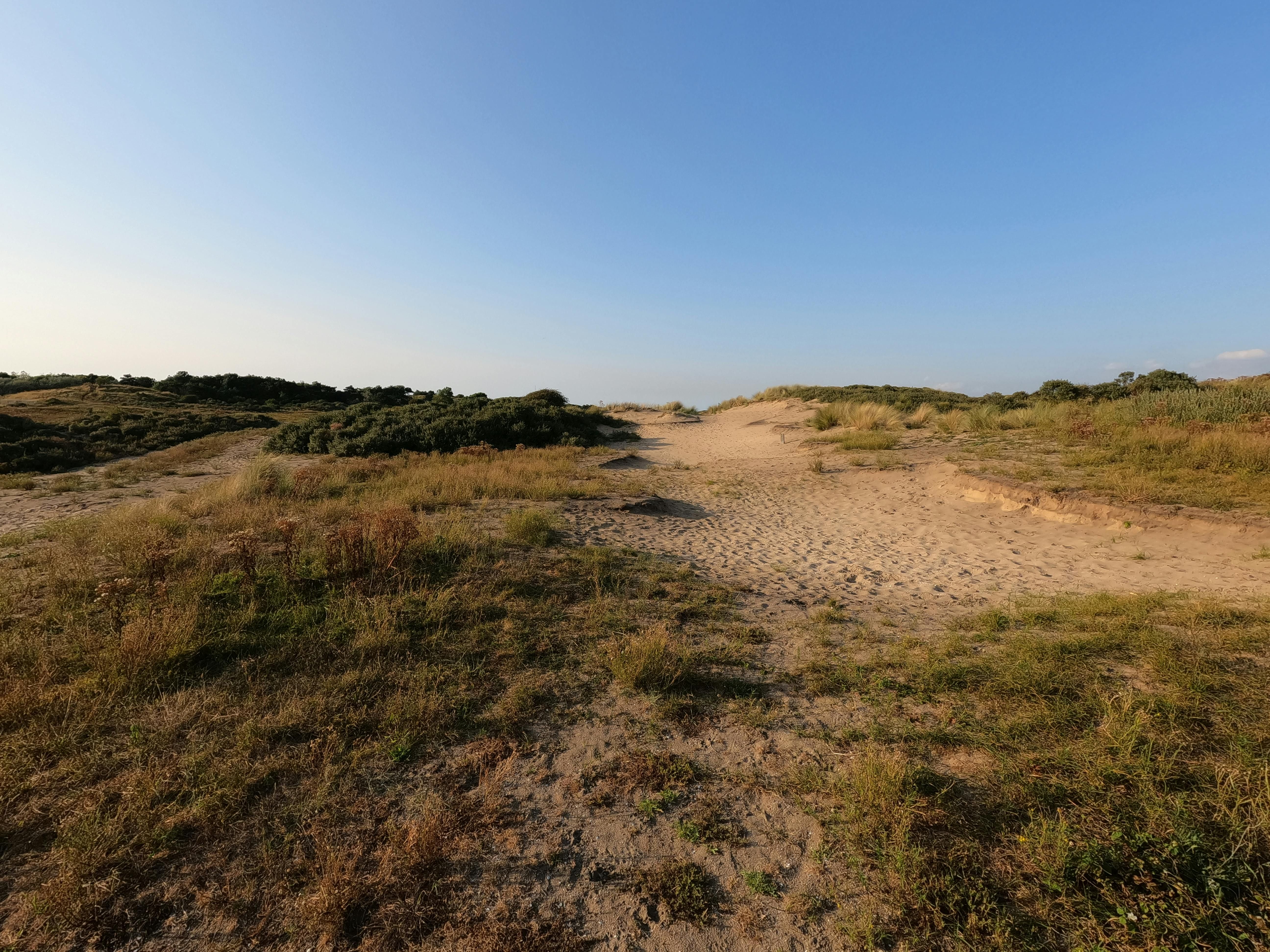
Sigatoka Sand Dunes National Park: Explore this protected area with its unique sand dunes, archaeological sites, and coastal landscapes.
Pacific Harbour: Known as the "Adventure Capital" of Fiji, Pacific Harbour offers activities such as shark diving, zip-lining, and river rafting.
Denarau Island: Experience luxury resorts, golf courses, and a marina with shopping and dining options.
Kula Eco Park: Discover Fiji's native flora and fauna, including endangered species, in this eco-friendly wildlife park.
Navala Village: Take a trip to this traditional Fijian village with thatched bures (houses) and experience Fijian village life.
Tavuni Hill Fort: Explore the historical Tavuni Hill Fort in Sigatoka, offering panoramic views and insights into Fiji's past.
Vuda Lookout: Enjoy panoramic views of the Nadi Bay and nearby islands from this scenic lookout point.
Vanua Levu
Vanua Levu, the second-largest island in Fiji, offers a range of activities for visitors seeking natural beauty, adventure, and cultural experiences.
Getting there: The closest airport to Vanua Levu is Labasa Airport (IATA: LBS). Labasa is one of the major towns on Vanua Levu, and the airport serves as a gateway to the northern part of the island. Travellers can reach Labasa Airport via domestic services from Nadi or Suva.
Things to do on Vanua Levu:
Savusavu: Explore the charming town of Savusavu, known for its hot springs, local markets, and vibrant community.
Koroyanitu National Heritage Park: Hike through this national park to witness waterfalls, lush forests, and panoramic views.
Labasa: Experience the bustling town of Labasa, known for its vibrant market, historic architecture, and cultural festivals.
Waisali Rainforest Reserve: Take a guided tour through this reserve to explore the rich biodiversity of Vanua Levu's rainforests.
Natewa Bay: Engage in water activities such as kayaking and boat tours in Fiji's largest bay, known for its scenic beauty.
Snake Temple (Labasa): Visit the unique Snake Temple, where non-venomous snakes are believed to be sacred and roam freely.
Diving and Snorkelling: Discover the underwater wonders around Vanua Levu, including the Namena Marine Reserve and the Rainbow Reef.
Mamanuca Islands
The Mamanuca Islands in Fiji are known for their stunning beauty and offer a range of activities for visitors.
Getting there: The closest international airport to the Mamanuca Islands is Nadi International Airport (IATA: NAN). From Nadi, visitors can access the Mamanuca Islands by boat transfer or seaplane. Boat transfers typically take about 30 minutes to 1 hour, depending on the specific island destination.
Things to do in the Mamanuca Islands:
Whether you're seeking relaxation on the beach or exciting water adventures, the Mamanuca Islands provide a diverse range of activities:
Island Hopping: Explore the diverse islands, each with its own charm and character. Popular islands include Malolo, Mana, and Tavarua.
Sailing: Take a sailing trip around the Mamanucas, enjoying the scenic views and stopping at different islands along the way.
Beach Relaxation: Enjoy the white sandy beaches and crystal-clear waters. Many resorts provide private beach access for guests.
Day Cruises: Join day cruises that often include island hopping, snorkelling, and visits to uninhabited islands.
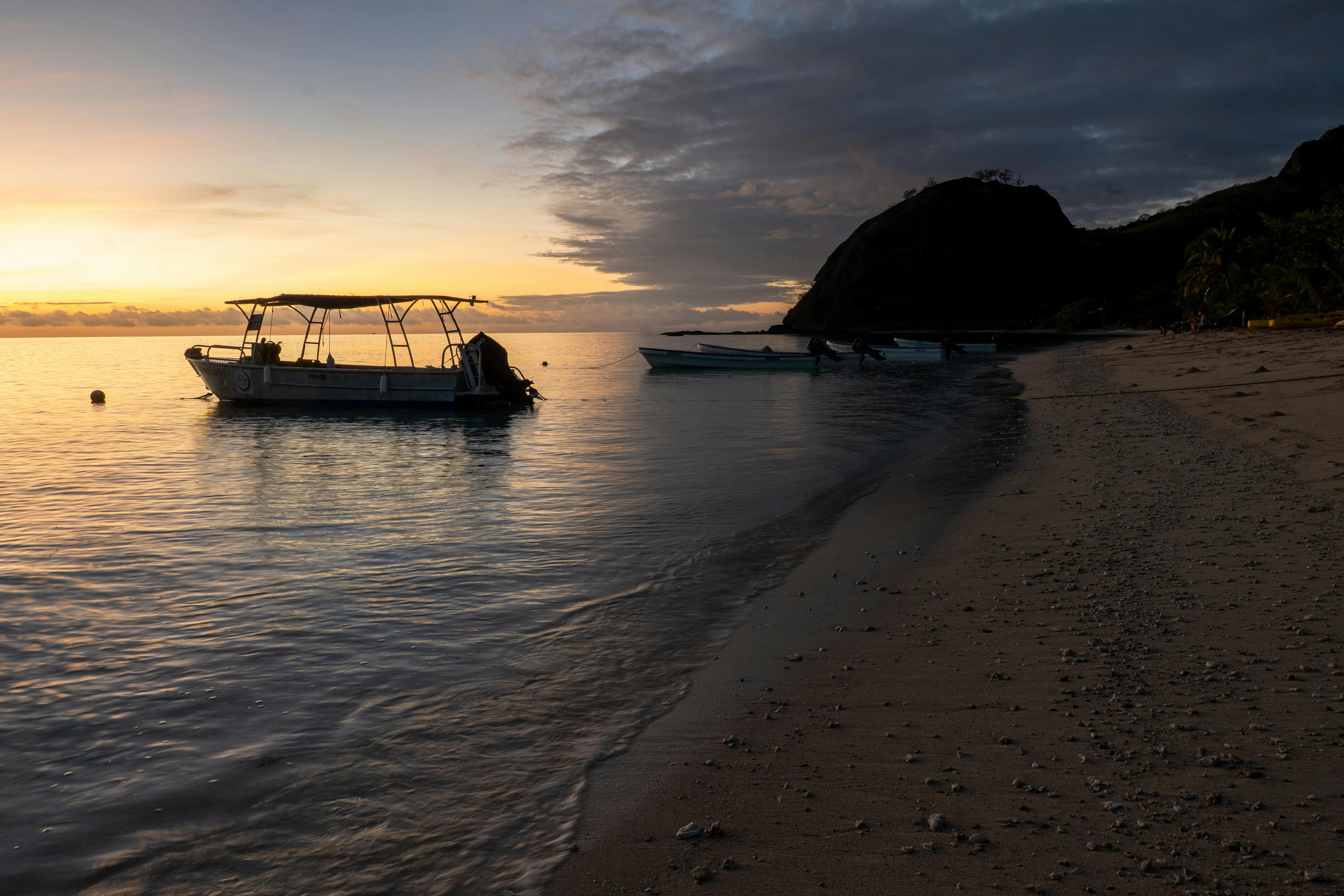
Sunset Cruises: Experience the breathtaking sunsets over the Pacific Ocean on a sunset cruise.
Village Visits: Explore local Fijian villages on some of the islands to experience Fijian culture and hospitality.
Luxury Resorts: Stay at one of the luxury resorts in the Mamanucas, which often offer world-class amenities, spas, and dining experiences.
Yasawa Islands
A chain of stunning islands known for their remote and tranquil settings, featuring pristine beaches and vibrant coral reefs.
Getting there: The closest international airport to the Yasawa Islands is Nadi International Airport (IATA: NAN). To reach the Yasawa Islands from Nadi, visitors typically take boat transfers or seaplanes. Boat transfers can take a few hours depending on the specific island destination, while seaplane transfers offer a more scenic and efficient option.
Things to do on the Yasawa Islands:
Blue Lagoon Cruise: Explore the stunning Blue Lagoon, known for its crystal-clear waters and vibrant coral reefs, on a boat or catamaran cruise.
Sawa-i-Lau Caves: Visit the iconic Sawa-i-Lau Caves, where you can swim in an underground cavern and explore limestone formations.
Yasawa Flyer Cruise: Experience the Yasawa Flyer, a catamaran that serves as a mode of transportation between the Yasawa Islands, providing an opportunity to hop between different islands.
Coralview Island Resort: Stay at Coralview Island Resort, known for its beautiful beach, coral gardens, and the chance to witness traditional Fijian fire dancing.
Swimming with Manta Rays: Depending on the season, join a tour to swim with manta rays in the surrounding waters.
Turtle Airways Seaplane Tour: Take a seaplane tour for breathtaking aerial views of the Yasawa Islands and coral reefs.
Kuata Natural Resort: Visit Kuata Natural Resort for its shark snorkelling experience, allowing you to swim with sharks in a controlled and safe environment.
Hiking: Take scenic hikes on the islands, offering panoramic views of the surrounding ocean and landscapes.
Taveuni
Taveuni, known as the "Garden Island" of Fiji, is a lush and scenic destination with plenty of activities for nature lovers and adventure seekers.
Getting there: The closest airport to Taveuni is Matei Airport (IATA: TVU), also known as Taveuni Airport. Matei Airport is situated on the northern tip of Taveuni Island and serves as the primary gateway for visitors travelling to the island. Domestic services operate from Nadi and Suva.
Things to do on Taveuni:
Bouma National Heritage Park: Explore the park, home to the famous Tavoro Waterfalls. Hike through lush rainforests and swim in natural pools.
Lavena Coastal Walk: Take a guided walk along the coast, passing through villages, forests, and ending at stunning beaches and waterfalls.
Snorkelling and Diving: Discover the vibrant underwater world around Taveuni. Rainbow Reef and the Great White Wall are renowned dive sites.
Lake Tagimoucia: Hike to this volcanic crater lake, named after Fiji's unique and rare Tagimoucia flower.
Waitavala Waterslide: Experience the thrill of natural waterslides formed by the smooth rocks in the Waitavala River.
Garden of the Sleeping Giant: Visit this orchid garden, home to a vast collection of orchids and other tropical plants.
Qeleni Village: Immerse yourself in Fijian culture with a visit to a local village, where you can participate in traditional ceremonies.
Des Voeux Peak: Hike to the summit for panoramic views of Taveuni and surrounding islands.
Kadavu
An island focusing on eco-tourism, providing opportunities for diving, snorkelling, and exploring natural environments.
Getting there: The closest airport to Kadavu is Kadavu Airport (IATA: KDV), located on Vunisea, the largest island in the Kadavu Group. Domestic services operate from Nadi and Suva.
Remember that Kadavu provides a more off-the-beaten-path experience, and activities may vary based on the specific location on the island and the services offered by local resorts.
Things to do on Kadavu:
Scuba Diving and Snorkelling: Explore the vibrant coral reefs and diverse marine life around Kadavu, known for its excellent diving sites, including the Great Astrolabe Reef.
Visit Vunisea Village: Learn about Fijian culture with a visit to Vunisea Village, where you can experience traditional ceremonies, dances, and local hospitality.
Bird Watching: Kadavu is home to various bird species, and bird watching enthusiasts can explore the lush landscapes to spot unique birds.
Kadavu Kula Eco Park: Discover the local flora and fauna, including Fiji's national flower, the Tagimoucia, at the Kadavu Kula Eco Park.
Hiking to Waterfalls: Take guided hikes to waterfalls, such as the Vuadomo Village waterfall, surrounded by lush rainforests.
Traditional Lovo Feast: Experience a traditional Fijian feast prepared in an earth oven (lovo), showcasing local culinary delights.
Dolphin Watching: Join boat tours to observe dolphins playing in the waters surrounding Kadavu.
Cultural Workshops: Participate in cultural workshops where you can learn traditional Fijian crafts, dance, or even try your hand at weaving.
Dining
Fiji's culinary scene is a delightful fusion of Fijian, Indian, Chinese, and Western flavours. Whether you're dining at a resort restaurant or exploring local eateries, here's what to expect:
Kokoda: Fiji's signature dish — fresh raw fish marinated in coconut cream and citrus juice. Similar to ceviche, it's a must-try for any visitor.
Lovo: A traditional Fijian feast where meat, fish, and root vegetables are wrapped in banana leaves and slow-cooked in an earth oven. Many resorts offer lovo nights as a cultural dining experience.
Roti and Curry: Reflecting Fiji's Indo-Fijian heritage, you'll find excellent roti wraps and curries throughout the islands — particularly in towns like Nadi, Suva, and Labasa.
Fresh Seafood: Being an island nation, Fiji offers outstanding fresh seafood. Look for grilled mahi-mahi, mud crab, and freshly caught prawns at beachfront restaurants.
Tropical Fruits: Fiji's tropical climate produces exceptional mangoes, pawpaw (papaya), pineapples, and coconuts. Markets are the best place to sample the freshest produce.
Kava: While not food, no visit to Fiji is complete without trying kava — a mildly sedative drink made from the root of the yaqona plant. Kava ceremonies are an important part of Fijian social life and visitors are often invited to participate.
Dining tip for Australians: Resort dining in Fiji is generally affordable by Australian standards. A meal at a local restaurant will typically cost FJD $15–40 (roughly AUD $10–25), while resort dining ranges from FJD $40–100+ per person.
Culture & Customs
Fiji's culture is warm, community-focused, and deeply rooted in tradition. Here's a guide to Fijian culture and customs that travellers should be aware of:
Village Visits: When visiting a traditional Fijian village, it's customary to bring a gift of kava root (called "sevusevu") for the village chief. Your resort or tour operator can help you arrange this.
Dress Modestly: When visiting villages or religious sites, cover your shoulders and knees. Wearing a sulu (sarong) is appropriate and respectful.
Remove Shoes: Always remove your shoes before entering a Fijian home or bure.
Don't Touch Heads: In Fijian culture, touching someone's head is considered disrespectful — including children's heads.
Hats Off: Remove your hat when entering a village as a sign of respect to the chief.
Bula!: You'll hear "Bula!" everywhere — it means hello, welcome, and is a general expression of goodwill. Don't be shy about using it back.
Sunday Observance: Many Fijian communities observe Sunday as a day of rest and church attendance. Some activities and shops may be limited on Sundays, particularly outside tourist areas.
Tipping: Tipping is not expected in Fiji but is appreciated for exceptional service. Some resorts have a communal staff tip box.
Meke: Traditional Fijian dance and storytelling performances, called meke, are a highlight of any visit. Many resorts host meke nights with song, dance, and fire performances.
Fire-Walking: The fire-walking ceremony (vilavilairevo) originates from the island of Beqa. This ancient ritual is performed at various resorts and cultural centres — it's an extraordinary sight.
Weather
Here's an overview of the seasons in Fiji to help you plan your holiday:
Dry Season (May to October): This is Fiji's winter and the most popular time to visit. Temperatures are pleasant, averaging 19–29°C, with lower humidity and less rainfall. This period coincides with Australian school holidays in July, making it particularly popular with families.
Wet Season (November to April): Fiji's summer brings warmer temperatures (22–33°C), higher humidity, and more rainfall — typically in short, heavy bursts. Tropical cyclone season runs from November to April, though serious storms are relatively infrequent. The wet season coincides with Australian summer holidays (December–January), and many travellers still enjoy Fiji during this period — resorts often offer better rates.
Water Temperature: Fiji's ocean temperature stays warm year-round, ranging from 25–29°C. Snorkelling and diving conditions are excellent throughout the year.
Best Time to Visit: For the most reliable weather, plan your trip between June and September. However, Fiji is a year-round destination — even during the wet season, rainfall usually clears quickly and sunshine follows.
Australian School Holiday Alignment:
January (summer holidays): Warm, occasional rain — good resort rates
April (Easter): End of wet season, transitioning to drier weather
July (winter holidays): Peak dry season — the most popular time for Australian families
September–October (spring break): Dry season, excellent conditions, fewer crowds than July
Tourist & Visa Information for Fiji
Entry Requirements
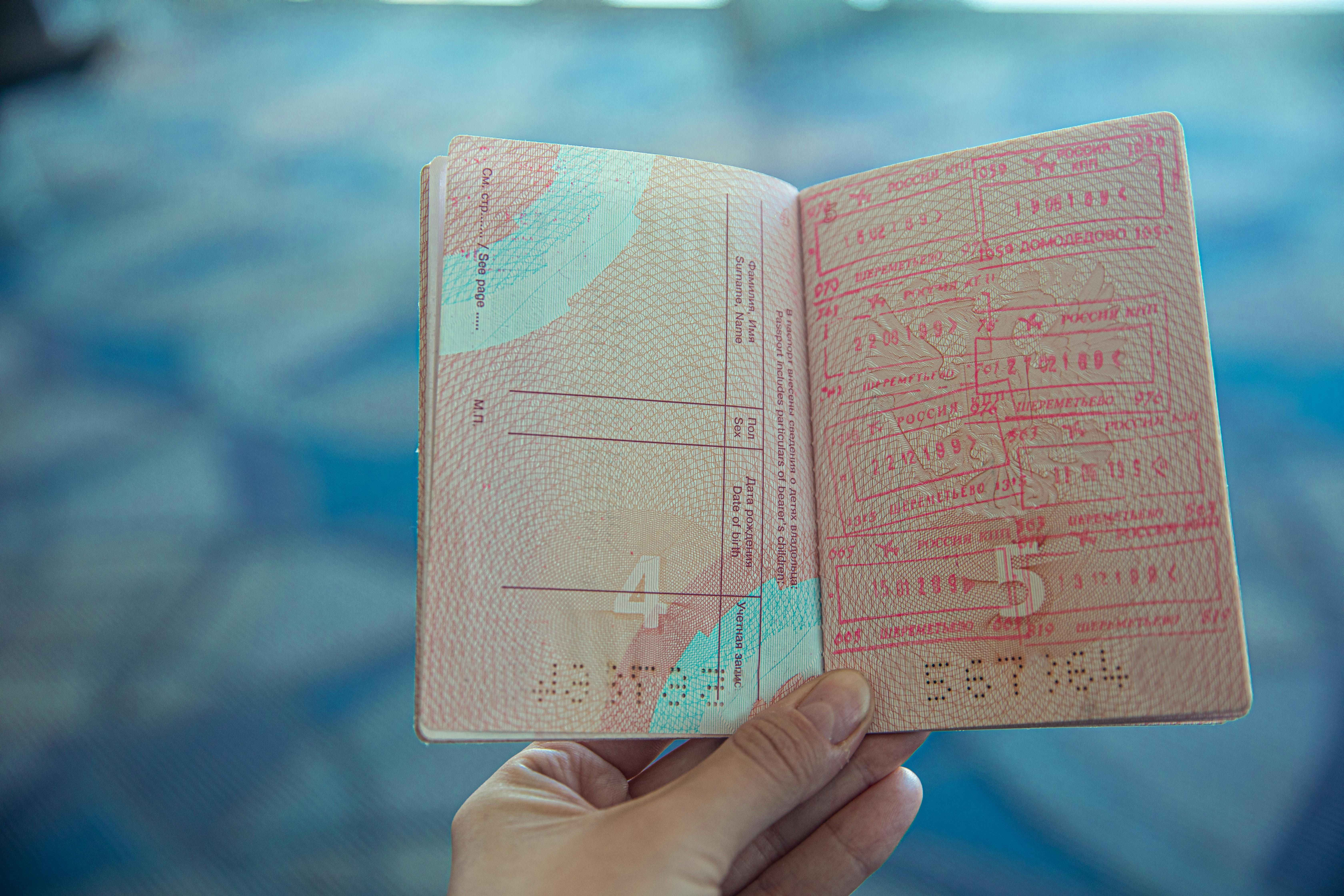
Australian passport holders receive a free visitor permit on arrival in Fiji for stays of up to four months. Your passport must be valid for at least six months beyond your intended departure date from Fiji.
There are no specific COVID-related entry restrictions for Fiji as of 2026. Standard travel health advice applies — ensure routine vaccinations are up to date, and consider hepatitis A and typhoid vaccinations before travelling. Check Smartraveller for the latest travel advisories before your trip.
Mosquito-borne illnesses (dengue fever, Zika) occur in Fiji. Pack insect repellent and wear long sleeves during dawn and dusk.
Plan Your Fiji Accommodation
Fiji's islands offer something for every type of traveller — from the cultural experiences and adventure activities of Viti Levu to the pristine seclusion of the Yasawa and Mamanuca island groups. Whether you're after a beachfront resort on the Coral Coast or an eco-lodge on Kadavu, Fiji delivers an unforgettable South Pacific holiday.
ViaResorts offers accommodation packages across Fiji with rates negotiated directly with quality properties. You book your own way to get there, and we handle the accommodation.
Fiji truly is one of the South Pacific's greatest treasures — a destination that combines stunning natural beauty with rich cultural traditions and genuine warmth. With over 300 islands to explore, world-class coral reefs, lush rainforests, and some of the friendliest people you'll meet anywhere, Fiji offers a holiday experience that stays with you long after you return home.
For Australian travellers, Fiji remains one of the most accessible tropical paradises — close enough for a week-long escape, diverse enough for a longer adventure. Whether you're drawn to the adventure activities of Viti Levu, the diving opportunities of Taveuni, or the secluded beaches of the Yasawa Islands, there's a Fiji experience waiting for you.
Pricing is indicative and may vary by travel dates, room type, and availability. Always check the live listing on viaresorts.com before booking.
Written by ViaResorts Team · Comprehensive travel guide for Australian travellers visiting Fiji.
1 / 2
Shopping
Local Fijian Markets
Fiji's markets, like Suva Municipal Market and Nadi Handicraft Market, showcase the local culture and food. Bustling with colourful stalls, they offer fresh produce, traditional handicrafts, and Fijian souvenirs, providing a lively and authentic shopping experience for visitors.
Crowd Level:Moderate
Shopping
Hotel Gift Stores
Hotel shopping in Fiji offers convenience with on-site boutiques or gift shops. Guests can find Fijian crafts, clothing, and travel essentials, providing a relaxed and accessible shopping experience depending on the resort. Tourists visiting Fiji can look forward to a diverse range of highlights, combining natural beauty, cultural experiences, and adventure. Here are some highlights that travellers enjoy on a holiday to Fiji: Stunning Beaches: Relax on pristine white-sand beaches, such as Natado
Crowd Level:Moderate
1 / 13
Activity
Viti Levu
The largest and most populous island, home to the capital city Suva and popular tourist destinations. Viti Levu offers a mix of cultural, adventure, and relaxation experiences, making it a versatile destination for tourists in Fiji. Getting oriented: The distance from Suva, the capital city of Fiji on Viti Levu island, to Nausori International Airport is approximately 23 kilometres (14 miles) via the Kings Road. Travel times may vary depending on traffic conditions and the specific location with
Crowd Level:Moderate
Activity
Vanua Levu
Vanua Levu, the second-largest island in Fiji, offers a range of activities for visitors seeking natural beauty, adventure, and cultural experiences. Getting there: The closest airport to Vanua Levu is Labasa Airport (IATA: LBS). Labasa is one of the major towns on Vanua Levu, and the airport serves as a gateway to the northern part of the island. Travellers can reach Labasa Airport via domestic services from Nadi or Suva. Things to do on Vanua Levu:
Crowd Level:Moderate
Activity
Mamanuca Islands
1 / 3
The Mamanuca Islands in Fiji are known for their stunning beauty and offer a range of activities for visitors. Getting there: The closest international airport to the Mamanuca Islands is Nadi International Airport (IATA: NAN). From Nadi, visitors can access the Mamanuca Islands by boat transfer or seaplane. Boat transfers typically take about 30 minutes to 1 hour, depending on the specific island destination. Things to do in the Mamanuca Islands:
Crowd Level:Moderate
Activity
Yasawa Islands
1 / 3
A chain of stunning islands known for their remote and tranquil settings, featuring pristine beaches and vibrant coral reefs. Getting there: The closest international airport to the Yasawa Islands is Nadi International Airport (IATA: NAN). To reach the Yasawa Islands from Nadi, visitors typically take boat transfers or seaplanes. Boat transfers can take a few hours depending on the specific island destination, while seaplane transfers offer a more scenic and efficient option. Things to do on the
Crowd Level:Moderate
Activity
Taveuni
1 / 2
Taveuni, known as the "Garden Island" of Fiji, is a lush and scenic destination with plenty of activities for nature lovers and adventure seekers. Getting there: The closest airport to Taveuni is Matei Airport (IATA: TVU), also known as Taveuni Airport. Matei Airport is situated on the northern tip of Taveuni Island and serves as the primary gateway for visitors travelling to the island. Domestic services operate from Nadi and Suva. Things to do on Taveuni:
Crowd Level:Moderate
Activity
Kadavu
1 / 3
An island focusing on eco-tourism, providing opportunities for diving, snorkelling, and exploring natural environments. Getting there: The closest airport to Kadavu is Kadavu Airport (IATA: KDV), located on Vunisea, the largest island in the Kadavu Group. Domestic services operate from Nadi and Suva. Remember that Kadavu provides a more off-the-beaten-path experience, and activities may vary based on the specific location on the island and the services offered by local resorts.
Crowd Level:Moderate
Frequently Asked Questions
Do I need a visa to visit Fiji as an Australian citizen?
Australian citizens do not need a visa for tourist visits to Fiji for stays up to 4 months. You'll just need a valid passport with at least 6 months validity remaining and a return or onward ticket. Immigration will stamp your passport upon arrival at Nadi or Nausori airports.
What's the best way to get around between the different Fijian islands?
The most convenient way to island-hop in Fiji is by domestic flights, which connect major islands quickly. Alternatively, you can use inter-island ferries and boat services for a more scenic journey, though these take longer. For popular destinations like the Mamanuca and Yasawa islands, regular boat transfers operate from Denarau Marina near Nadi.
Can I use Australian dollars in Fiji or do I need to exchange money?
You'll need to use Fijian dollars (FJD) as it's the official currency throughout the country. Australian dollars are not widely accepted, so exchange your money at banks, hotels, or ATMs which are readily available in tourist areas. Most resorts and restaurants also accept major credit cards.
Is it easy to communicate in Fiji if I only speak English?
Yes, communication is very easy as English is one of Fiji's three official languages and is widely spoken throughout the country. It's the primary language used in government, education, business, and tourism, so Australian travellers will have no trouble communicating with locals, hotel staff, and tour operators.
Which airport should I fly into and how do I get to my resort?
Most Australian flights arrive at Nadi International Airport (NAN), which is the main gateway and closest to popular resort areas like Denarau Island and the Mamanuca Islands. We recommend booking airport transfers in advance through your resort or a transfer service to ensure a smooth arrival. Taxis are also available, but negotiate the fare beforehand.