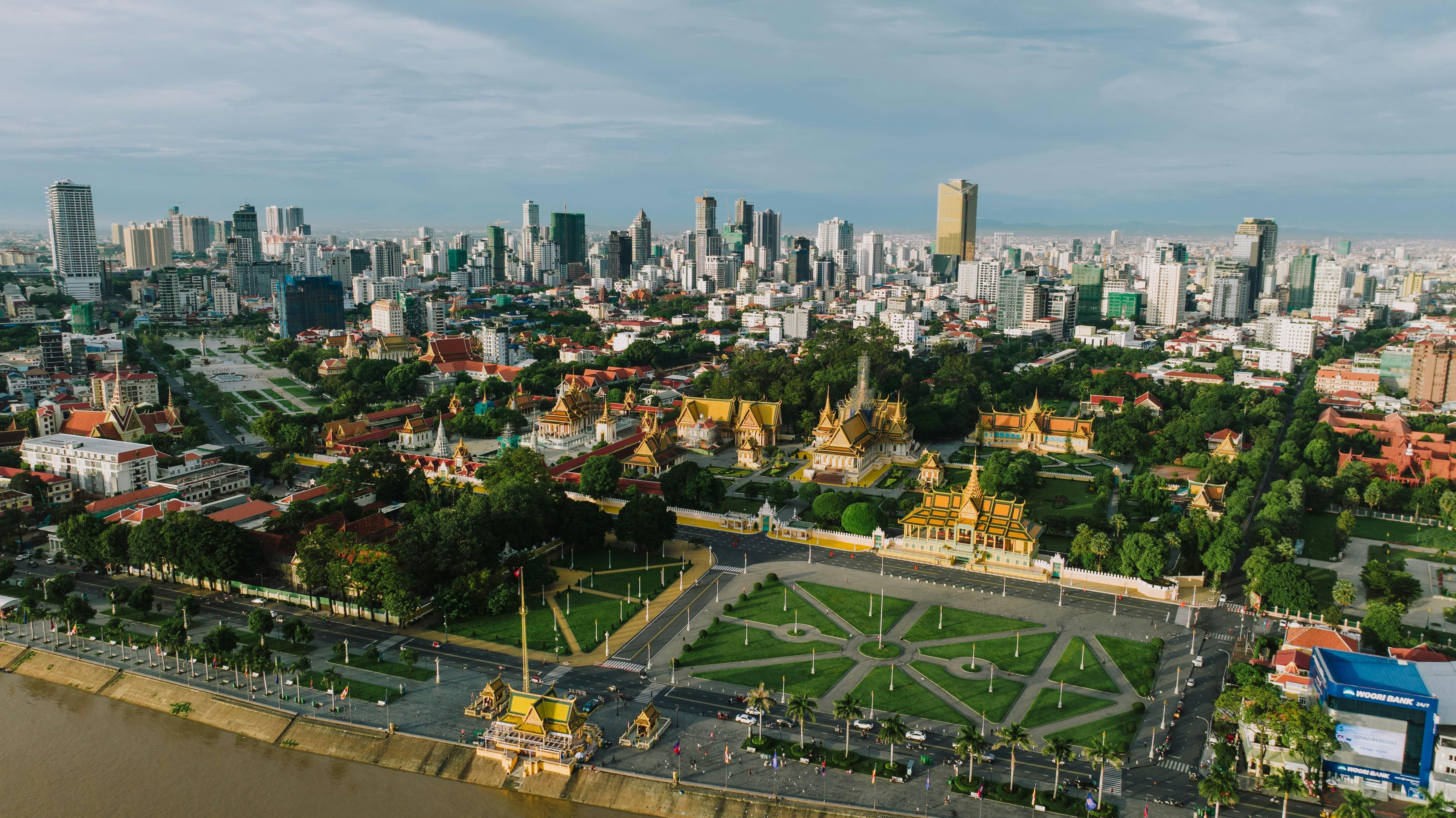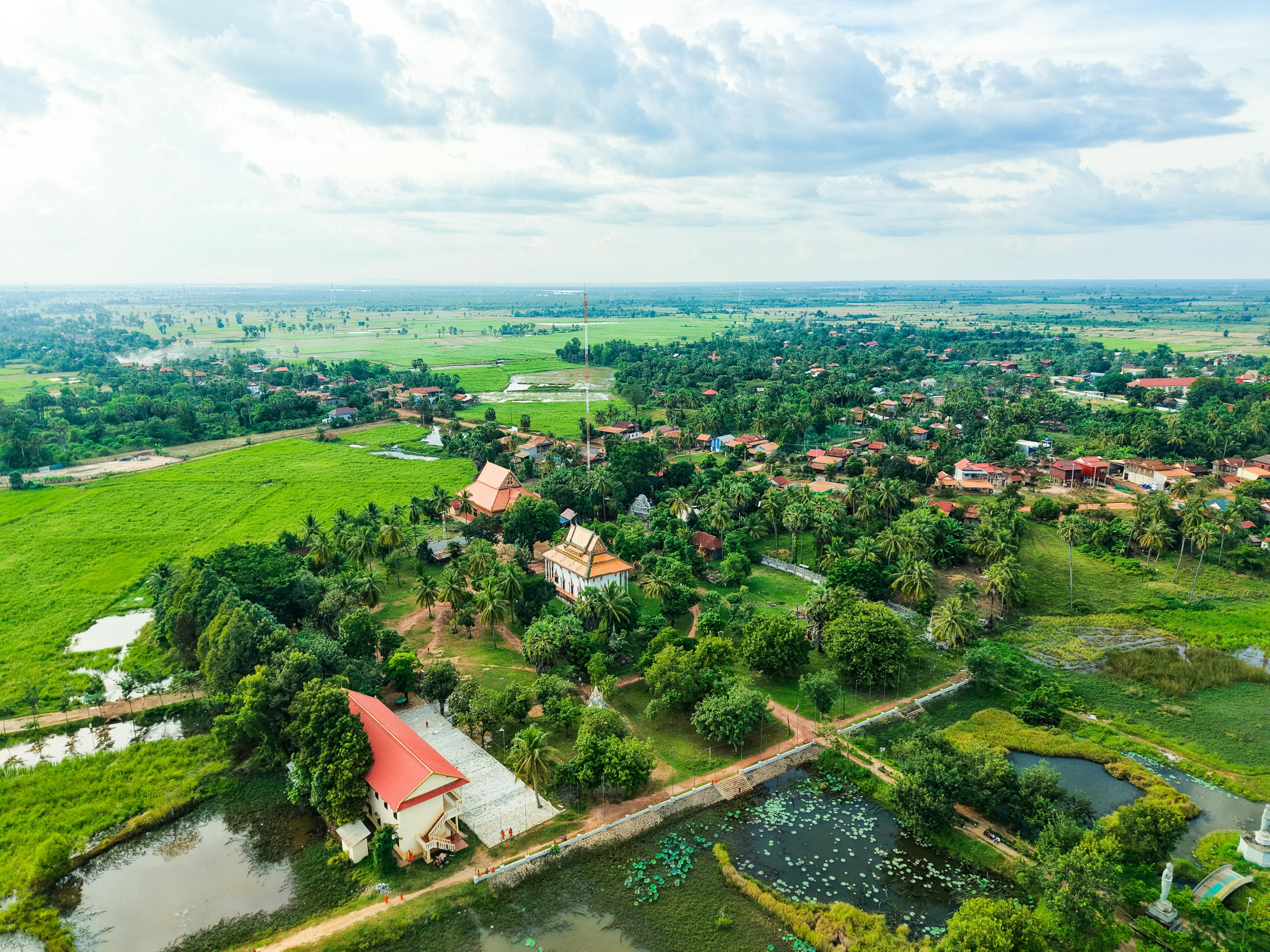
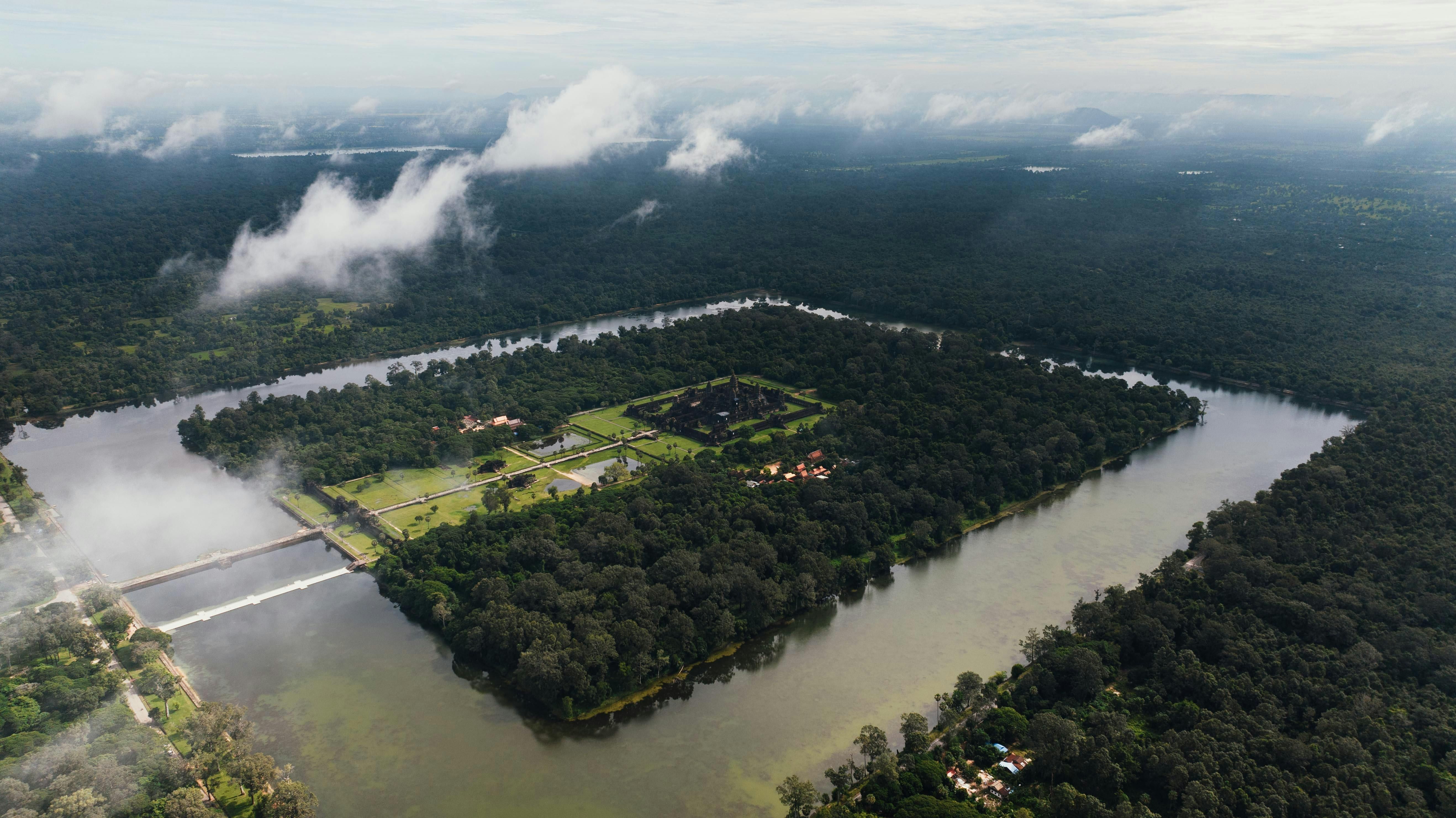
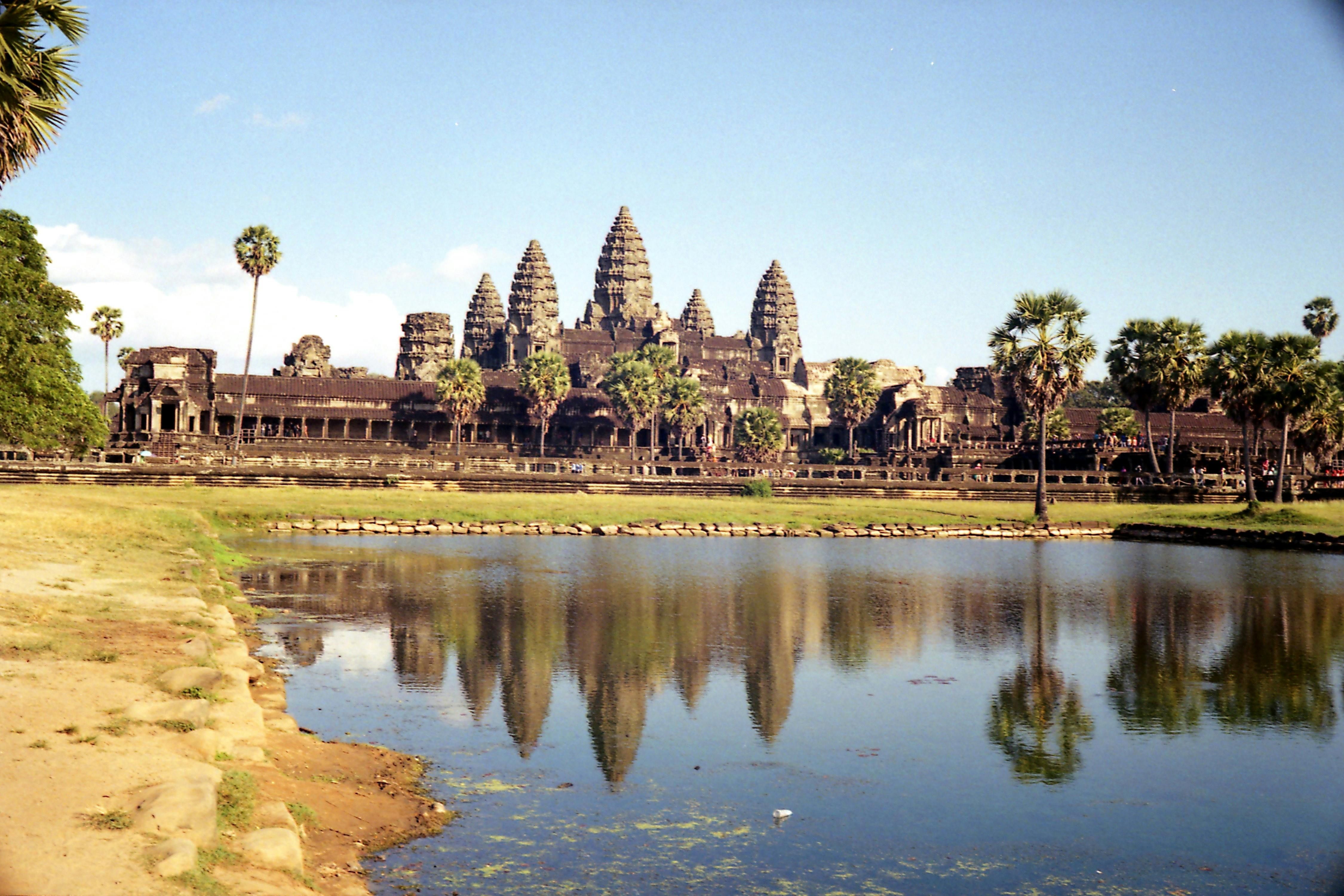
Siem Reap sits in Cambodia's northwest, about 320 kilometres from Phnom Penh, and if you're an Australian traveller planning your first visit, you're likely juggling excitement about Angkor Wat with questions about visas, currency, weather timing, and what to actually pack. This guide strips away the generic advice and focuses on what matters for Aussies: how to navigate the e-visa process, whether November or February is genuinely better, why your hotel location matters more than you think, and how to balance temple-hopping with downtime without burning out on day three. You'll find honest takes on Pub Street, transport options that won't rip you off, and the kind of practical detail (yes, you can drink the ice) that only comes from people who've actually done the trip.
- Before You Go: Entry Requirements and Practical Info for Australians
- Getting Around Siem Reap: Transport Options from Tuk-Tuks to Temple Passes
- Where to Stay in Siem Reap: Neighbourhood Guide and Accommodation Styles
- Planning Your Temple Visits and Beyond: Itineraries and Day Trip Ideas
- How Booking Works
- Why Book Your Siem Reap Stay Through Via Resorts
- FAQ
- How much should I budget per day in Siem Reap?
- What's the best time to visit Siem Reap from Australia?
- How does Via Resorts' deposit system work?
- Is Siem Reap safe for Australian travellers?
- Can I use Australian dollars in Siem Reap?
- Is Siem Reap suitable for families with young children?
- Do I need a visa for Cambodia?
- Should I book accommodation before arriving in Siem Reap?
- Next Steps
Before You Go: Entry Requirements and Practical Info for Australians
Good news: Cambodia makes it refreshingly easy for Australians to visit. You don't need to arrange anything in advance—just rock up at Siem Reap International Airport with USD$30 cash, a passport valid for at least six months, and a passport photo (though they're rarely fussy if you don't have one). The visa-on-arrival process takes about 15–20 minutes, depending on how many flights land together. You'll get a 30-day tourist visa stamped in your passport on the spot.
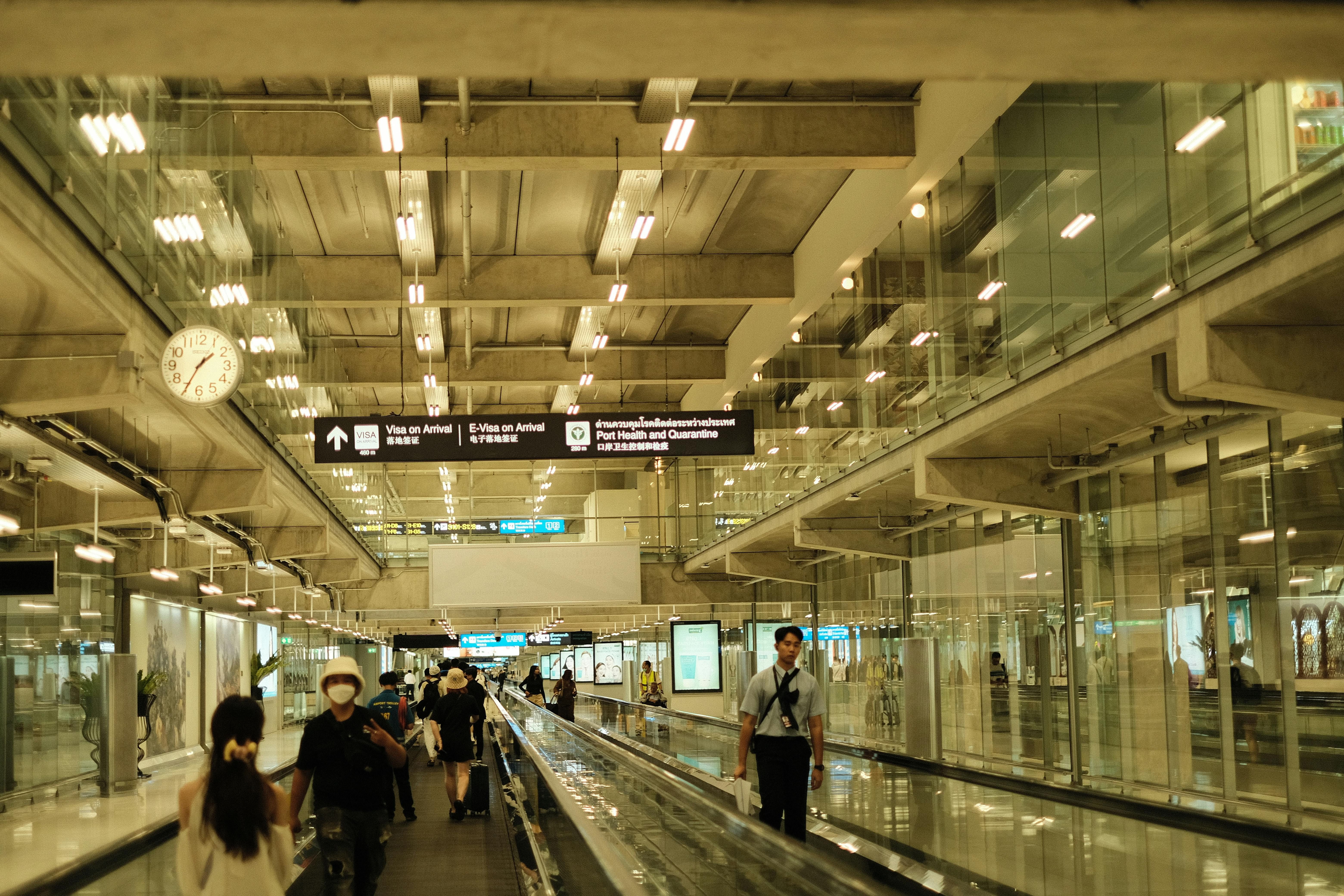
A heads-up: the visa fee must be paid in US dollars—clean, newish notes work best. Ripped or heavily worn bills are often rejected. You can extend your visa once you're in Cambodia, but honestly, 30 days is plenty for most Siem Reap trips.
Currency and cash: Cambodia operates on a dual-currency system. US dollars are accepted everywhere (and preferred for bigger purchases), while Cambodian Riel is used for small change. ATMs dispense USD, and you'll get Riel back as change when you pay with larger notes. Bring a mix of small USD bills ($1, $5, $10) for tuk-tuks, street food, and tips. Credit cards work at hotels and upscale restaurants, but Cambodia remains predominantly cash-based.
Tipping: Not mandatory but appreciated. Round up for tuk-tuk drivers (an extra dollar or two), leave $2–5 for restaurant servers if service has been good, and $5–10 per day for your temple tour guide. Housekeeping staff appreciate $1–2 per day left in your room.

Power and connectivity: Cambodia uses Type A and C plugs (the flat American-style or round European pins), so you'll need an adaptor for Australian Type I devices. Most hotels have universal sockets, but bring your own adaptor to be safe. For mobile coverage, grab an eSIM before you leave Australia (Airalo and Holafly both work well in Cambodia) or pick up a local SIM from Smart or Cellcard at the airport—data is ridiculously cheap, around $5–10 for more than you'll need.
Emergency contacts: The Australian Embassy is in Phnom Penh, not Siem Reap. Save this number before you go: +855 23 213 470. For after-hours consular emergencies, call +61 2 6261 3305 (Canberra).
Getting Around Siem Reap: Transport Options from Tuk-Tuks to Temple Passes
Siem Reap's transport system is refreshingly straightforward once you understand the options — and far more affordable than you'd expect. The tuk-tuk will become your best friend here, and unlike tourist hotspots closer to home, you won't need to negotiate every fare into the ground.
From the Airport to Town
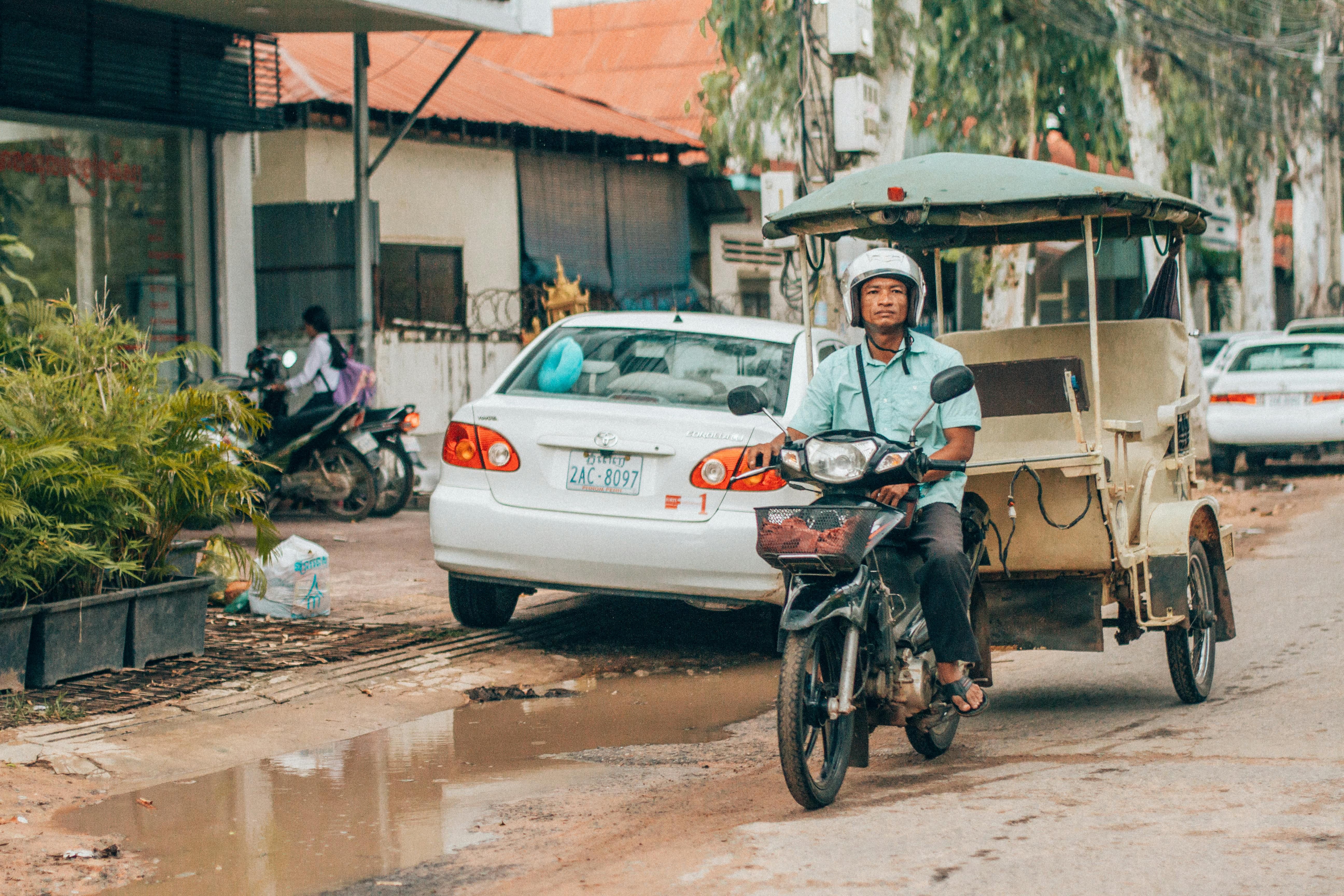
A tuk-tuk from Siem Reap International Airport to the hotel area costs around $10-15 AUD (officially set at US$7-10), while a taxi runs about $15-20 AUD. The 15-minute journey is perfectly comfortable in a tuk-tuk unless you're travelling with excessive luggage. Most hotels arrange complimentary airport transfers if you book directly, so check before paying.
Temple Day Transport
Here's where hiring a tuk-tuk driver for the full day makes absolute sense. Expect to pay $20-25 AUD for a small circuit temple day, $25-30 AUD for the grand circuit, and $35-45 AUD for distant temples like Banteay Srei. Your driver waits at each temple, provides cold water, and offers shade between sites — genuinely worth every dollar. Many Aussie travellers book the same driver for multiple days, which often scores you a slight discount and someone who remembers you prefer sunrise at Angkor Wat but can't handle stairs before coffee.

The Angkor Pass
You'll need an Angkor Archaeological Park pass: one-day ($50 AUD), three-day ($85 AUD, valid over one week), or seven-day ($105 AUD, valid over one month). Australians typically find the three-day pass hits the sweet spot — enough time to see major temples without temple fatigue. Purchase passes at the official ticket checkpoint on the way to Angkor; bring your passport and arrive by 5pm.
Around Town Options
PassApp and Grab operate in Siem Reap, offering set fares comparable to negotiated tuk-tuk rates. For short hops around Pub Street or to the night markets, expect $2-4 AUD. Bicycle hire ($2-5 AUD per day) works beautifully for exploring the town centre, though not for temple days — distances are deceptive and Cambodia's heat is unforgiving.
Where to Stay in Siem Reap: Neighbourhood Guide and Accommodation Styles
Siem Reap's accommodation landscape is refreshingly compact — most hotels sit within a 10-minute tuk-tuk ride of the temples, and nothing feels genuinely remote. Your choice comes down to atmosphere rather than access, with three main zones offering distinctly different experiences for Australian travellers.
Old Market and Pub Street Area is the beating heart for first-timers. You're walking distance to Night Market browsing, street food stalls, and those 3am post-temple massages. The trade-off? Motorbike noise until midnight and tuk-tuk horns at dawn. Boutique hotels here typically occupy converted shophouses — think plunge pools in courtyards, rooftop bars, and breakfast served until noon for those brutal 4:30am temple starts. Expect to pay AUD $80–180 per night for genuinely characterful properties with personality. The chaos is part of the charm, but light sleepers should request rooms facing internal courtyards.
The French Quarter and Riverside Zone (around Wat Bo area) offers a breather without sacrificing convenience. Colonial-era villas have transformed into heritage hotels with proper pools, established gardens, and enough space between buildings that you won't hear your neighbour's alarm. This is where Australian couples tend to gravitate after their first Angkor sunrise — close enough to walk to dinner, far enough to actually sleep. Nightly rates run AUD $100–250 for properties with character and substance.

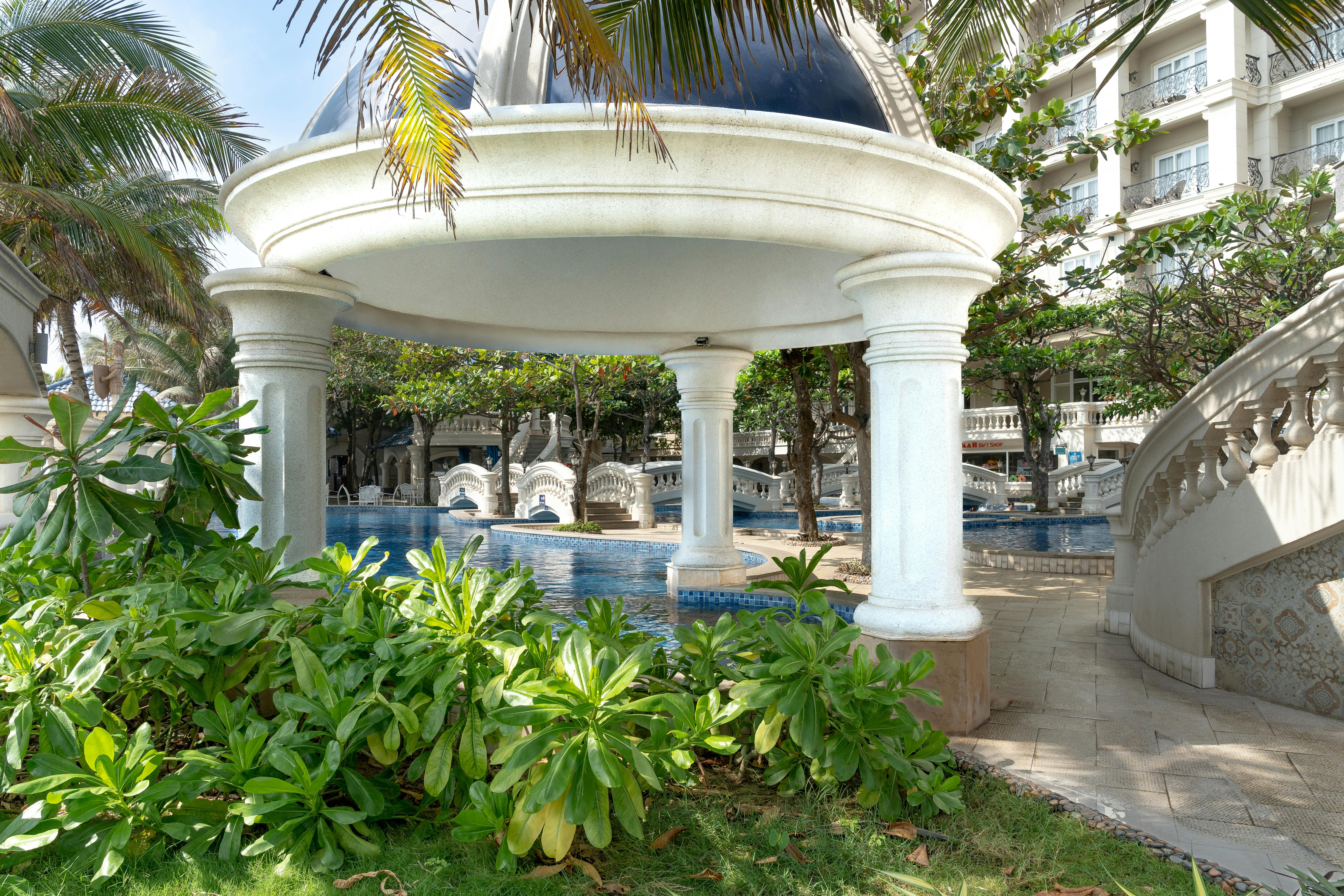
Resort Zone properties sit 10–15 minutes north toward the temples. These are your sprawling grounds, multiple pools, and spa pavilions — ideal if you're treating Siem Reap as a proper holiday rather than a temple tick-box exercise. You'll need tuk-tuks for every dinner outing (AUD $3–5 each way), but morning temple runs take half the time. Families with kids particularly appreciate the space to decompress between cultural overdoses. Budget AUD $150–300+ per night depending on how many pools you require.
Planning Your Temple Visits and Beyond: Itineraries and Day Trip Ideas
The classic mistake? Booking three days in Siem Reap and spending all of them at temples. You'll be utterly templed-out by day two. Here's how Australians actually structure their time—balancing ancient ruins with cooking classes, floating villages, and the occasional pool day that saves your sanity.
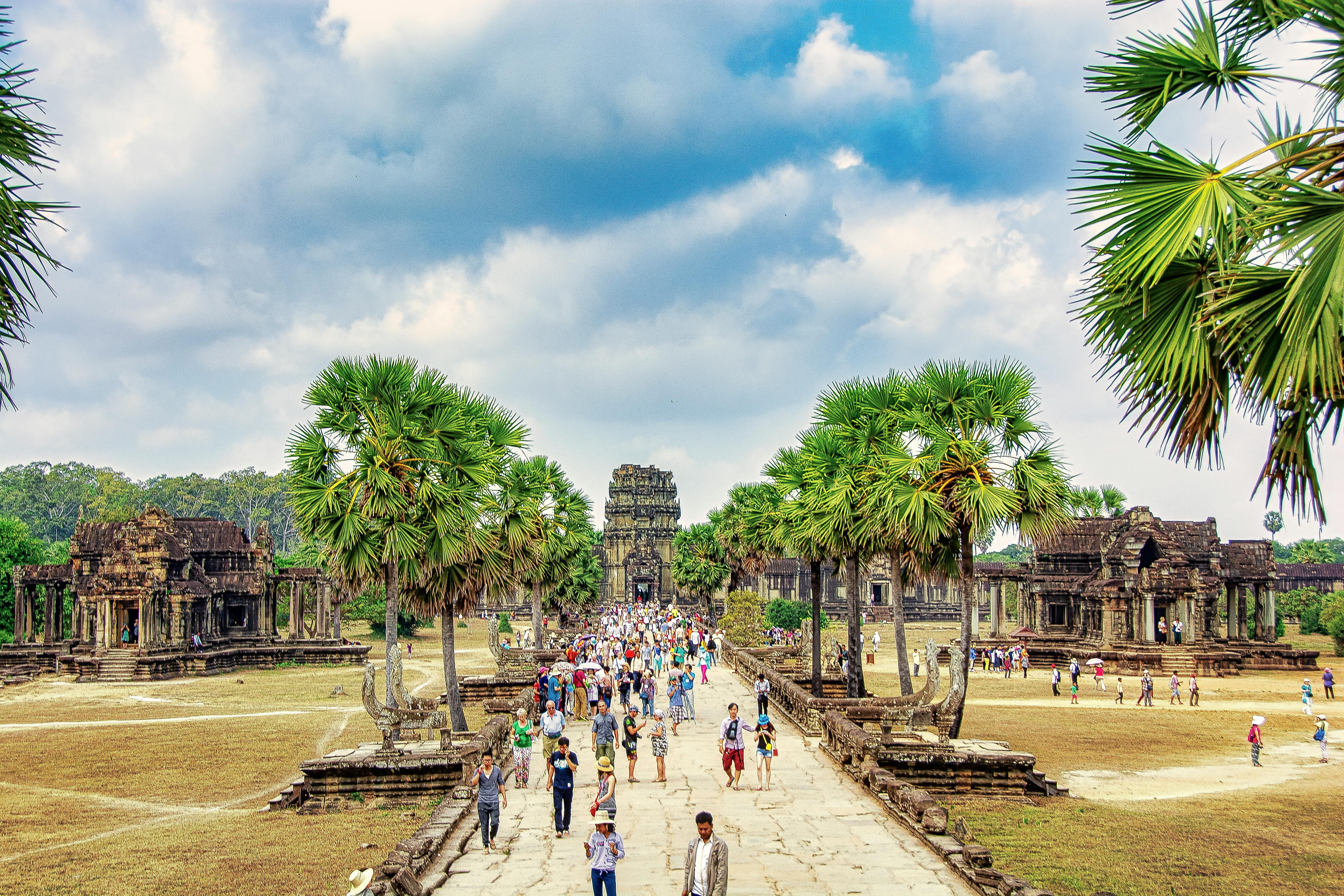
The Angkor Wat Sunrise Reality Check
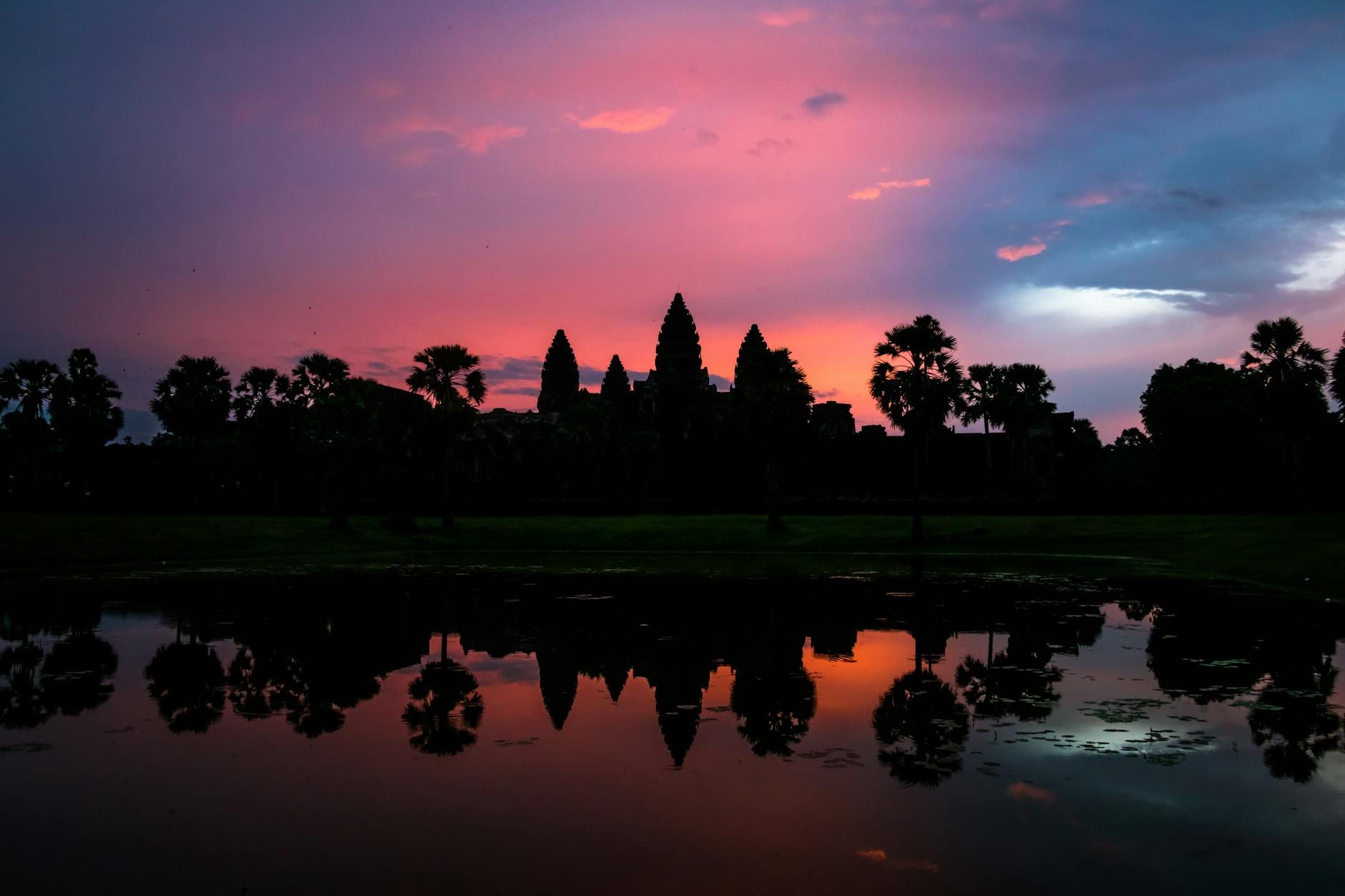
Everyone pictures themselves silhouetted against Angkor Wat at dawn. The reality: you're wedged between 400 other people holding iPads above their heads. It's still spectacular—the temple reflecting in the lily ponds as the sky turns tangerine—but arrive by 5am if you want a decent viewing spot, and prepare for an uncomfortably intimate experience with strangers' elbows. The trade-off? Sunset at Phnom Bakheng is equally stunning and slightly less crowded (though still busy). Or skip the crowds entirely and visit Angkor Wat mid-morning when tour groups move on—you'll get better photos without the horde.
Small Circuit vs Grand Circuit: What Actually Matters
The Small Circuit (one day) covers Angkor Wat, Angkor Thom, Ta Prohm, and several smaller temples—roughly 17km of tuk-tuk hopping. The Grand Circuit (additional day) adds Preah Khan, Neak Pean, and Pre Rup—another 26km. Most couples do Small Circuit day one, rest day two, then cherry-pick Grand Circuit highlights on day three. Smart move. Your feet will thank you.
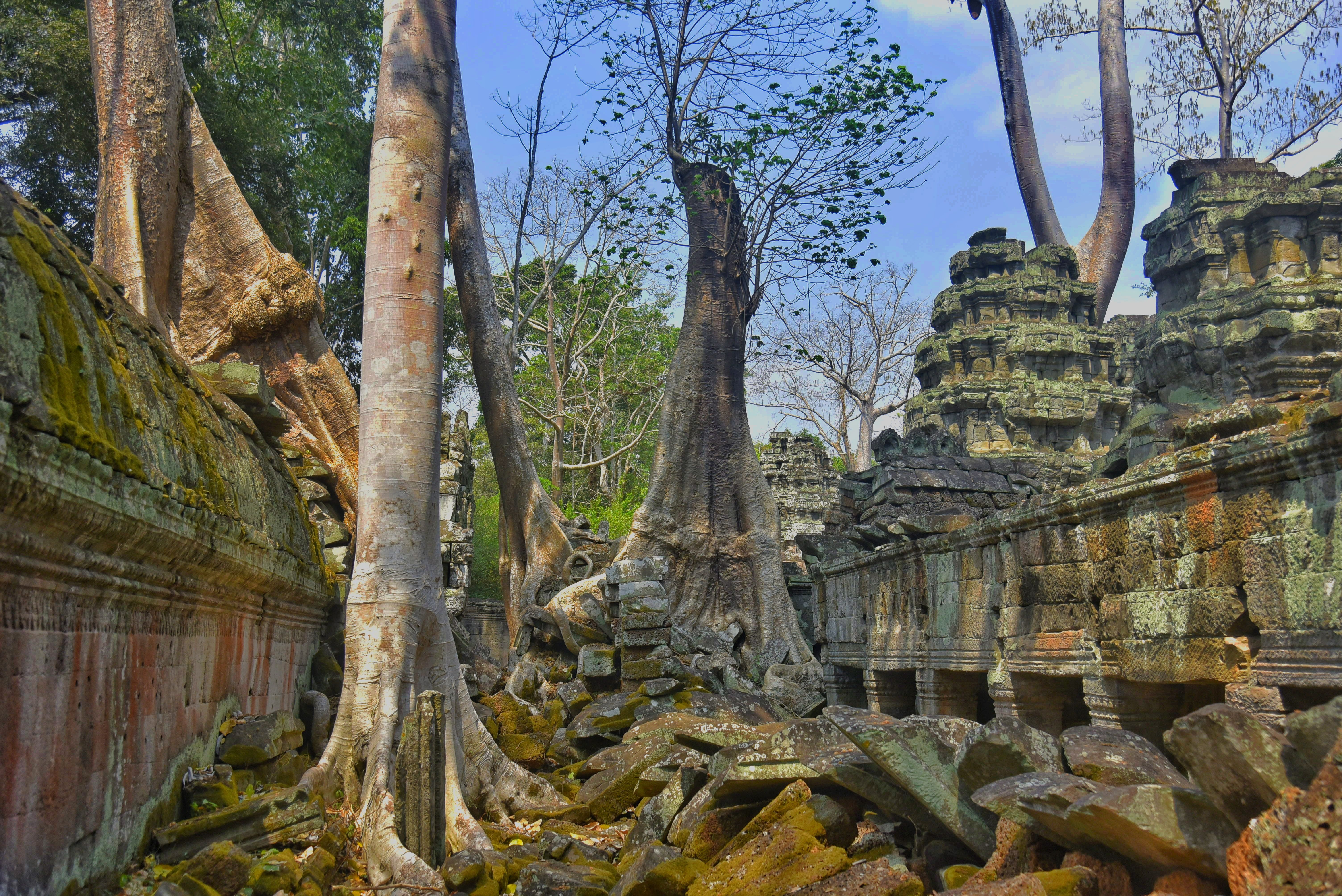
Lesser-Known Temples Worth the Detour
Banteay Srei (25km out) has the finest stone carving in Cambodia—intricate pink sandstone that looks laser-cut. Beng Mealea (65km) is the "Indiana Jones temple"—deliberately left overgrown and atmospheric. Both require extra travel time but reward you with far fewer crowds. Koh Ker, the pyramid temple two hours north, is spectacular if you've got five-plus days.
Realistic Itineraries for Australian Couples
Three Days: Day 1: Small Circuit temples (early start). Day 2: Cooking class morning, pool afternoon, Pub Street evening. Day 3: Banteay Srei sunrise, selective Grand Circuit temples, or Tonlé Sap floating village (though be aware it's become quite touristy—ask your driver for authentic village tours instead of the standard circuit).
Five Days: Add Beng Mealea, a countryside cycling tour, Phare Circus, and that crucial midway rest day. This is the sweet spot—enough temples without burnout, time for Cambodian cooking classes and market tours.
How Booking Works
Booking your Siem Reap accommodation through Via Resorts is refreshingly straightforward. You'll secure your preferred resort with a deposit from as little as $100 AUD — we call it "hold today, travel later." This locks in your dates and rates without needing to pay the full amount upfront, giving you breathing room to organise the rest of your trip.
Because Via Resorts is accommodation-only, you've got complete freedom with your flights. Book them separately using your Qantas or Velocity points, hunt down a fare sale, or choose whichever airline and routing suits you best. No bundled packages means no compromise — just the flexibility Australian travellers actually want when planning a Siem Reap adventure.
Why Book Your Siem Reap Stay Through Via Resorts
Via Resorts is an Australian-founded travel company that connects you directly with hand-picked accommodation across Southeast Asia, including Cambodia. Because we only sell accommodation (you book your own flights), you get transparent nightly rates in AUD with no hidden package markups.
Our Siem Reap properties are chosen through direct relationships with local owners and managers — we've personally inspected every hotel we recommend. You'll also get Australian-based support during booking, plus our local team in Cambodia if you need assistance during your stay.
With our "secure today, stay later" model, you can lock in your preferred property from as little as $100 AUD deposit, giving you flexibility to plan around flight sales or points redemptions. Over 1,000 Australian travellers have rated us 4.5 stars, particularly praising our honest property descriptions and responsive service when things don't go to plan.
FAQ
How much should I budget per day in Siem Reap?
Budget around AUD $80-120 per person per day for meals, activities, tuk-tuks, and temple passes (excluding accommodation). Street food meals cost $3-5, mid-range restaurants $10-20 per person, and the Angkor Pass is $37 USD for one day or $62 USD for three days. Tuk-tuk drivers typically charge $15-25 per day for temple runs. Siem Reap is genuinely affordable — you'll likely spend less than you'd budget for most Southeast Asian destinations.
What's the best time to visit Siem Reap from Australia?
November to February offers the best weather — dry, warm days (26-30°C) and cooler evenings. This is peak season, so book accommodation early. March to May gets hot (35-40°C), making temple exploring challenging, but you'll find better deals. The wet season (June-October) means afternoon downpours but fewer crowds and lush scenery. Avoid Khmer New Year (mid-April) when everything closes and prices spike.
How does Via Resorts' deposit system work?
You can secure your Siem Reap accommodation with a deposit from as little as $100 AUD, then pay the balance closer to travel. It's "hold today, travel later" — perfect when you've found a great property but aren't ready to pay in full. Your deposit locks in the rate, and you've got flexibility with final payment timing. All prices are in AUD with no hidden conversion fees.
Is Siem Reap safe for Australian travellers?
Yes, Siem Reap is very safe. The city relies heavily on tourism, so there's visible security around major sites and tourist areas. Standard precautions apply: watch your belongings in crowded markets, use registered tuk-tuks, and avoid unlit areas at night. Traffic is chaotic but slow-moving. The biggest risks are heat exhaustion at the temples and dodgy street food — both easily managed with common sense.
Can I use Australian dollars in Siem Reap?
No, but US dollars are widely accepted alongside Cambodian riel. ATMs dispense USD, and most hotels, restaurants, and tour operators quote prices in dollars. You'll receive small change in riel (4,000 riel = $1 USD). Bring a mix of small USD bills ($1, $5, $10) for tips and street food. Credit cards work at hotels and upmarket restaurants but often incur a 3% surcharge.
Is Siem Reap suitable for families with young children?
Absolutely, though it requires realistic planning. Kids generally love Angkor Wat (especially climbing temples like Ta Prohm), but plan for short morning visits before the heat peaks. Most resorts have pools, which become essential for afternoon downtime. Tuk-tuks don't have car seats, and footpaths are patchy. High chairs and Western food options are widely available. Skip Siem Reap if your kids struggle with heat or need strict routines — it's not that kind of destination.
Do I need a visa for Cambodia?
Yes, Australians need a visa. The easiest option is an e-visa ($36 USD) processed online in 3 business days at evisa.gov.kh. You can also get a visa on arrival at Siem Reap airport ($30 USD plus a passport photo), though queues can be long. Both tourist visas are valid for 30 days. Don't use third-party visa agencies — they charge double for the same service.
Should I book accommodation before arriving in Siem Reap?
Yes, especially during peak season (November-February). Siem Reap has hundreds of properties, but the best-value boutique hotels and resorts book out weeks in advance. Via Resorts' deposit system means you can secure your preferred property without paying in full upfront — far better than scrambling to find decent accommodation after a long flight. Walk-in rates are rarely better than advance bookings, and you'll waste precious holiday time hotel hunting.
Next Steps
Ready to start planning? Browse our handpicked Siem Reap properties and lock in your preferred dates with a deposit from just $100 AUD. Book your accommodation with Via Resorts today, then sort your flights separately using your points or preferred airline — you'll have the flexibility to craft the perfect Cambodian adventure on your terms.