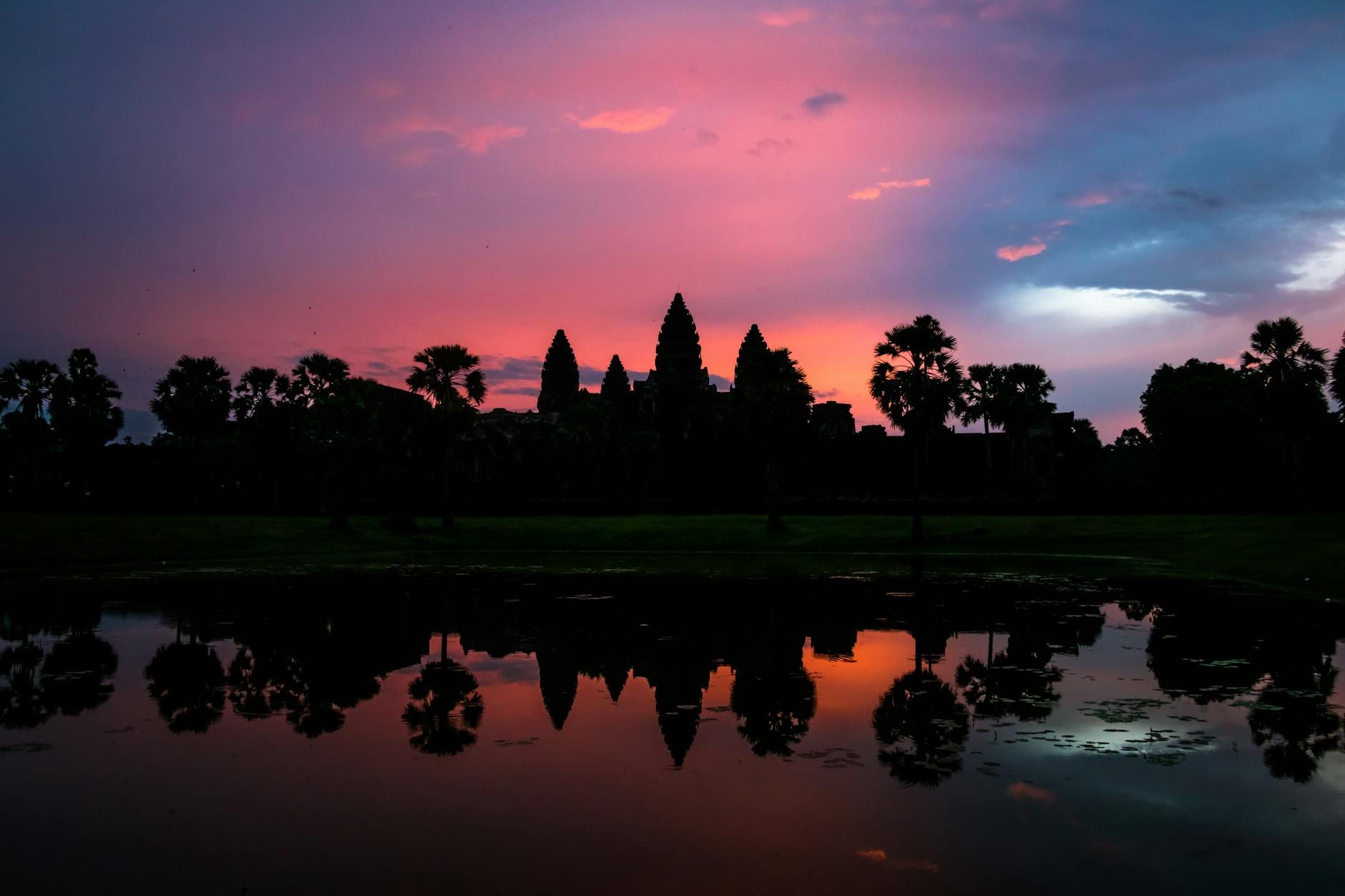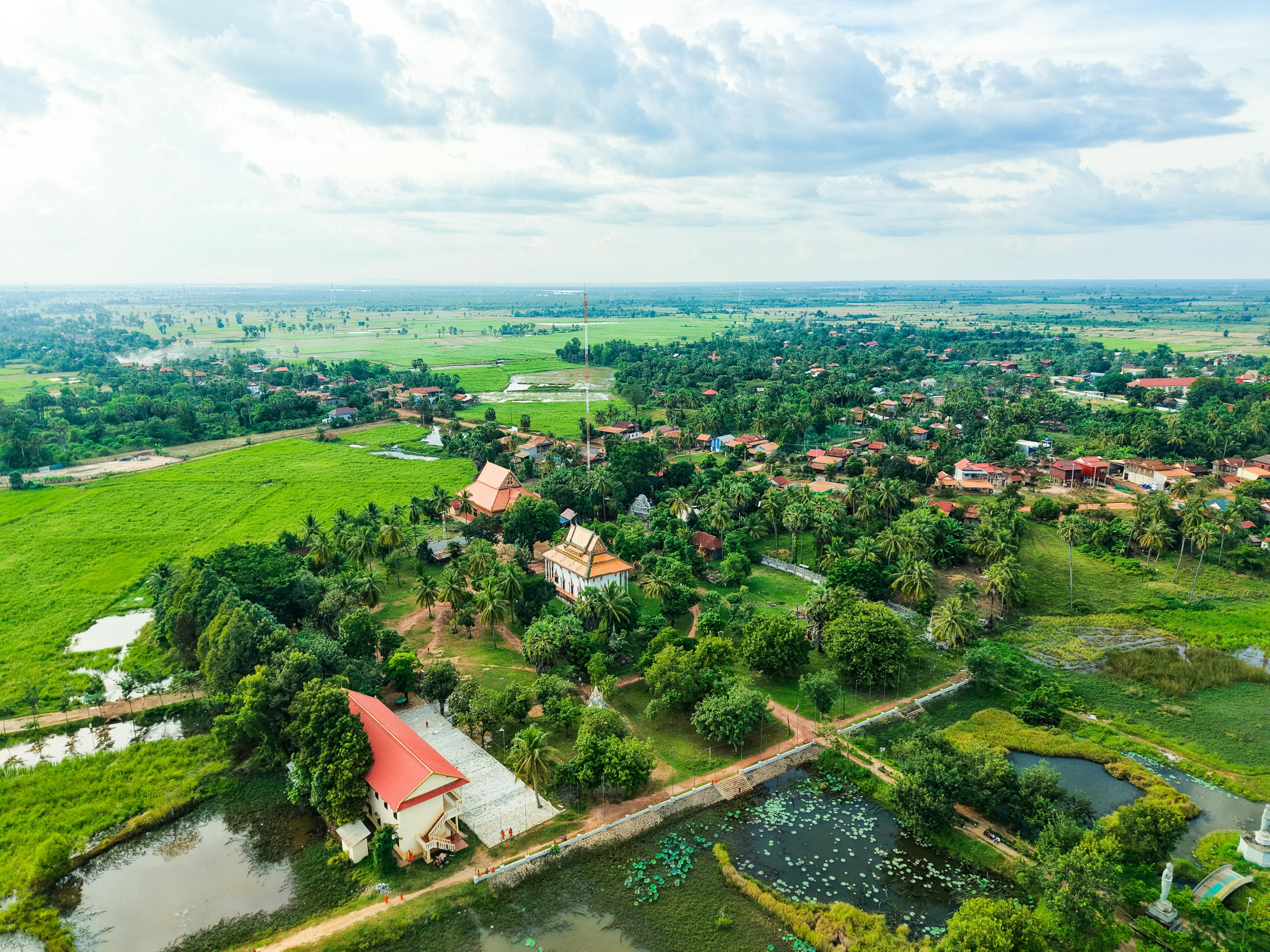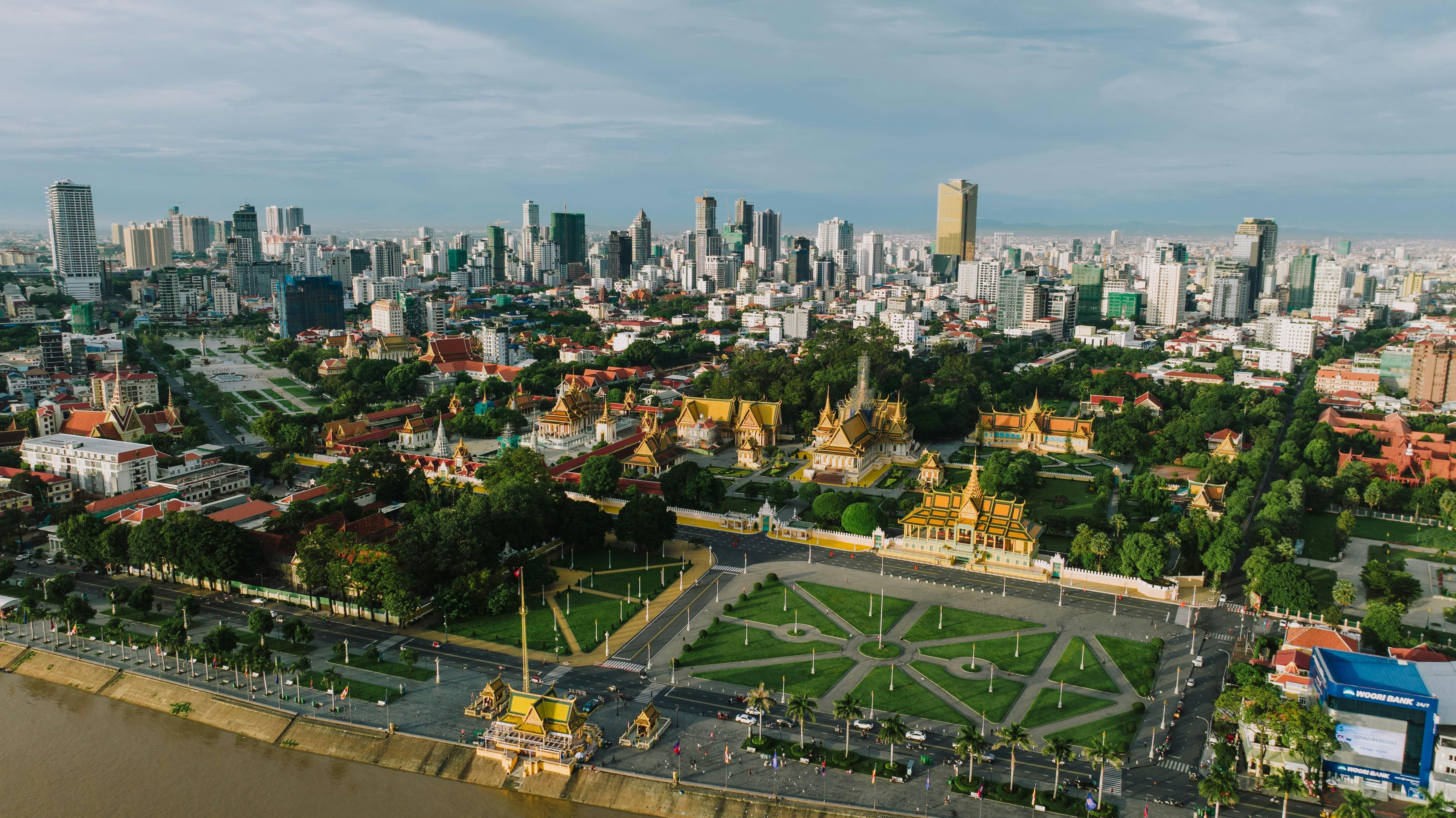
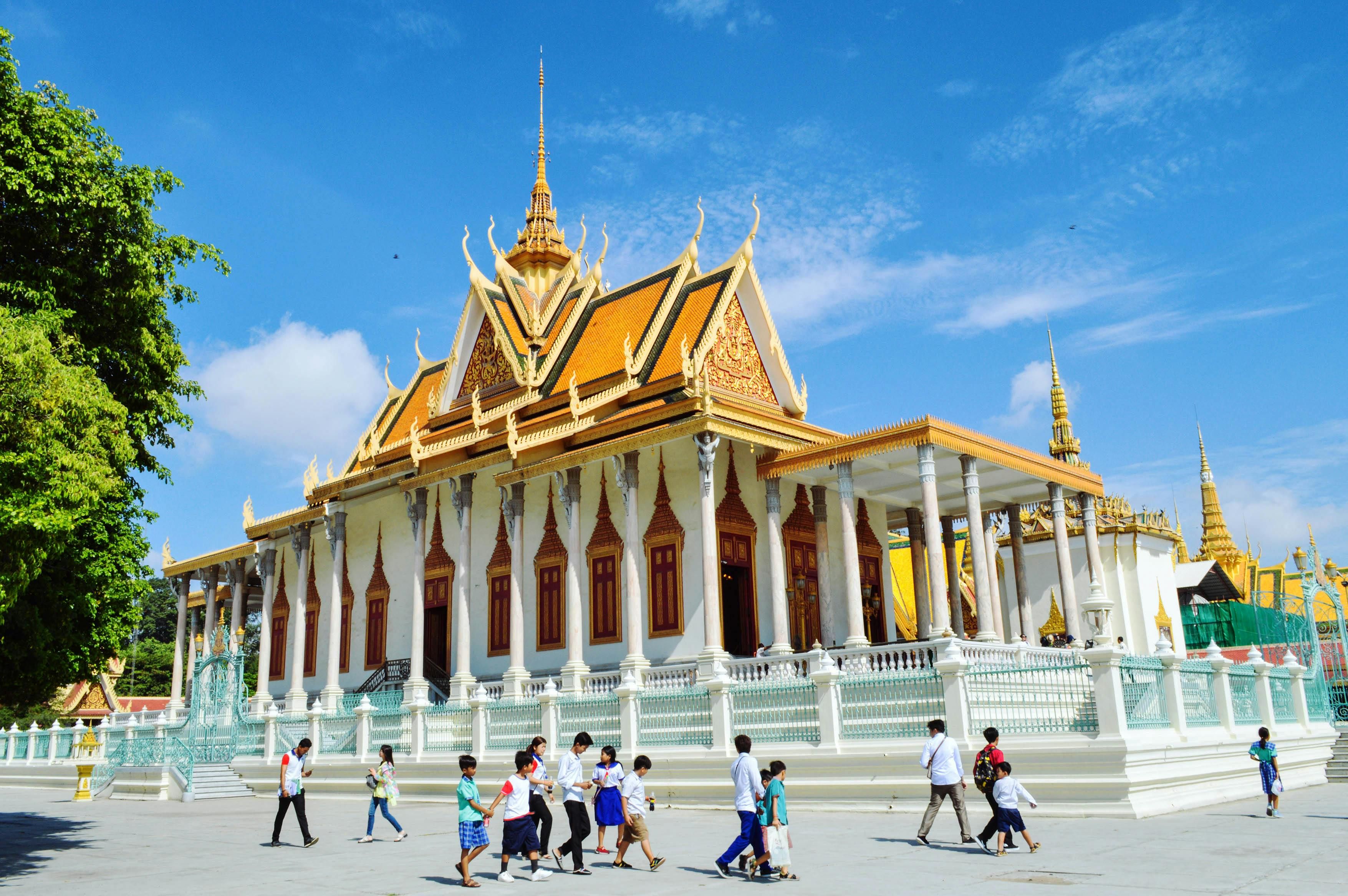
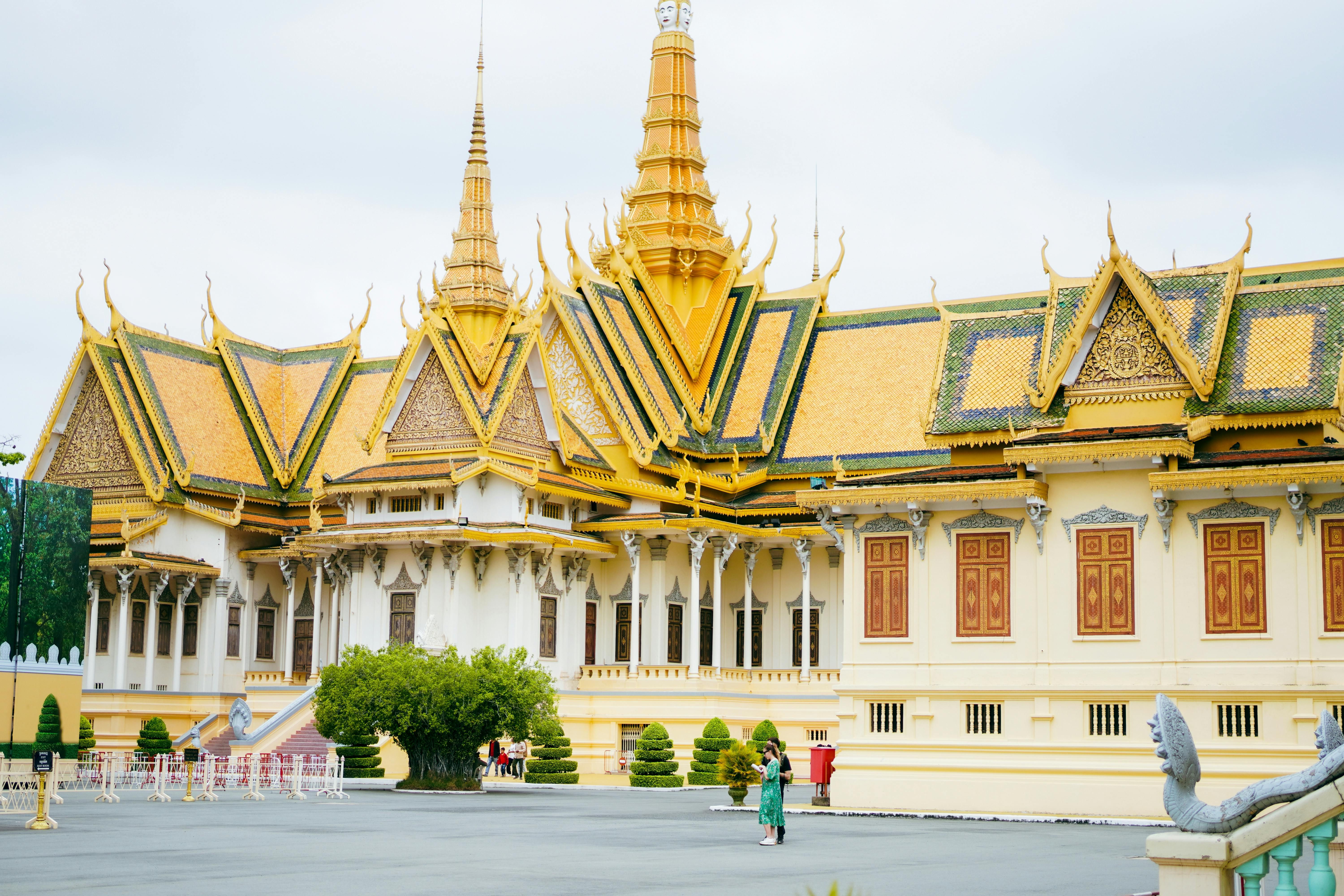
Phnom Penh doesn't fit the usual Southeast Asian mould — and that's precisely why savvy Australian travellers are adding it to their itineraries. Cambodia's capital is raw, rapidly evolving, and refreshingly authentic, without the polish (or crowds) of Bangkok or the backpacker bubble of Siem Reap. From confronting history at the Killing Fields to rooftop sundowners overlooking the Mekong, this is a city that rewards curiosity over comfort-seeking. Whether you're planning a cultural deep-dive, using it as a gateway to Angkor Wat, or combining it with a beach escape to Sihanoukville, this guide covers everything Australians need to know — from visa logistics and safety realities to where to stay, what to eat, and how to navigate a city that's simultaneously chaotic and captivating.
- Entry Requirements and Visas for Australians
- Getting Around Phnom Penh: Transport Options and Safety
- Money Matters: Currency, ATMs and Payment for Australians
- Health, Safety and Practical Essentials for Aussie Travellers
- How Booking Works
- Why Book Your Phnom Penh Stay With Via Resorts
- FAQ
- Is Phnom Penh safe for Australian travellers?
- What's the best time to visit Phnom Penh?
- How many days do I need in Phnom Penh?
- Can I use Australian dollars in Phnom Penh?
- How does Via Resorts' deposit system work?
- Is Phnom Penh suitable for families with kids?
- Do I need a visa for Cambodia?
- What vaccinations do I need for Phnom Penh?
- Next Steps
Entry Requirements and Visas for Australians
Good news: getting into Cambodia as an Australian is refreshingly straightforward. You've got two main options — apply for an e-visa before you leave, or grab a visa on arrival when you land in Phnom Penh. Both cost USD $30 (around AUD $47), though the e-visa adds a USD $7 processing fee.

The e-visa system is reliable and takes about three business days, sometimes faster. You'll upload a passport photo and pay online, then print the approval letter to show on arrival. It saves you queuing at the airport, which can be handy if you're arriving on a busy evening when multiple flights land simultaneously. Apply through the official Cambodia e-visa portal — there are dodgy third-party sites charging triple the price for the same service.
Visa on arrival works just as well if you don't mind the queue. Bring a passport photo (they'll charge you USD $2-5 if you forget), and have USD $30 in cash ready. The immigration desk at Phnom Penh International Airport is clearly signposted. Processing usually takes 15-30 minutes, though it can stretch to 45 minutes during peak periods.
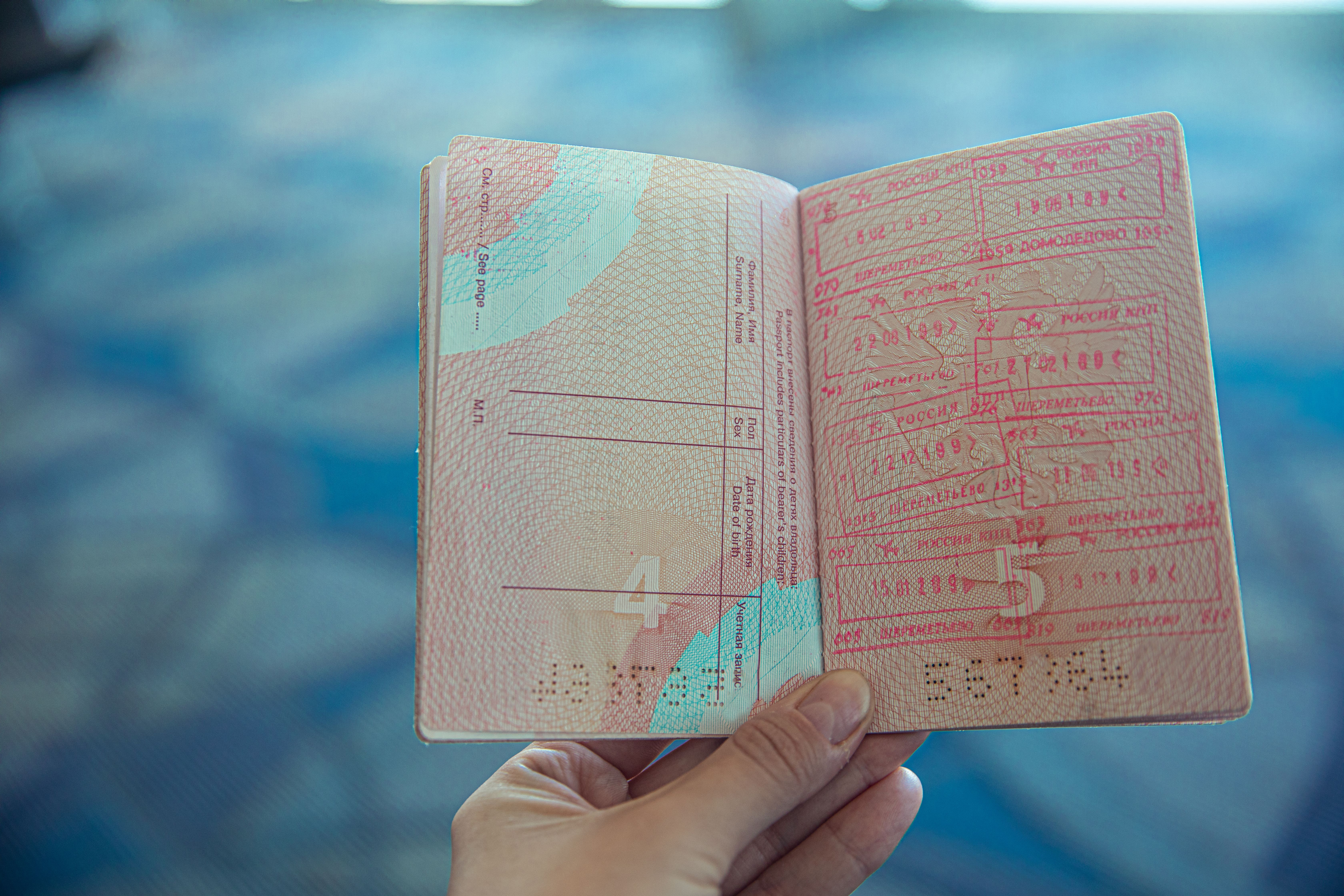
Your passport needs at least six months validity from your entry date — this is non-negotiable. Less than six months and you won't board the flight in Australia.
Tourist visas give you 30 days and can be extended once for another 30 days at the immigration office in Phnom Penh (USD $45, takes one business day). If you're planning a longer stay or think you might extend, some travellers opt for a business visa on arrival instead (same USD $30 cost). Business visas can be extended for 1, 3, 6, or 12 months, giving you more flexibility. There's technically no requirement to prove business purposes — many long-term tourists use this option.
Keep a photocopy of your passport and visa approval separate from the originals. You'll be fine without it, but it's one of those travel admin tasks that takes two minutes and occasionally proves useful.
Getting Around Phnom Penh: Transport Options and Safety
Phnom Penh's traffic is chaotic by Australian standards — think thousands of motorbikes weaving through cars with a casual disregard for lane markings — but getting around is surprisingly straightforward once you know your options.
Tuk-tuks are your best friend here. These three-wheeled chariots cost roughly $3–7 AUD for short trips around central areas, and $10–15 AUD for longer journeys to places like the Russian Market or Wat Phnom. Download PassApp or Grab before you arrive — they're Cambodia's ride-hailing apps and eliminate haggling entirely. The fare appears upfront, drivers know where they're going, and you can pay by card or cash. If you're hailing a tuk-tuk on the street, agree on the price before getting in. Drivers will often quote in US dollars (widely used here alongside riel), and a polite "Can you do $5?" usually works better than aggressive negotiation.

Taxis are less common but available through Grab. They're air-conditioned (bliss in 35-degree heat) and cost about 30–50% more than tuk-tuks. For full-day temple tours or trips to the Killing Fields, hiring a tuk-tuk driver for the day runs $25–40 AUD — negotiate this at your hotel or through PassApp's charter function.
Motorbike rentals are cheap ($5–10 AUD/day) but genuinely risky unless you're an experienced rider comfortable with anarchic traffic. Cambodian roads have one of the world's highest accident rates, and your travel insurance likely won't cover you without a Cambodian motorcycle licence. Hiring a motorbike taxi (moto) through Grab for short hops is the sensible middle ground — quick, cheap ($1–3 AUD), though obviously less safe than an enclosed tuk-tuk.
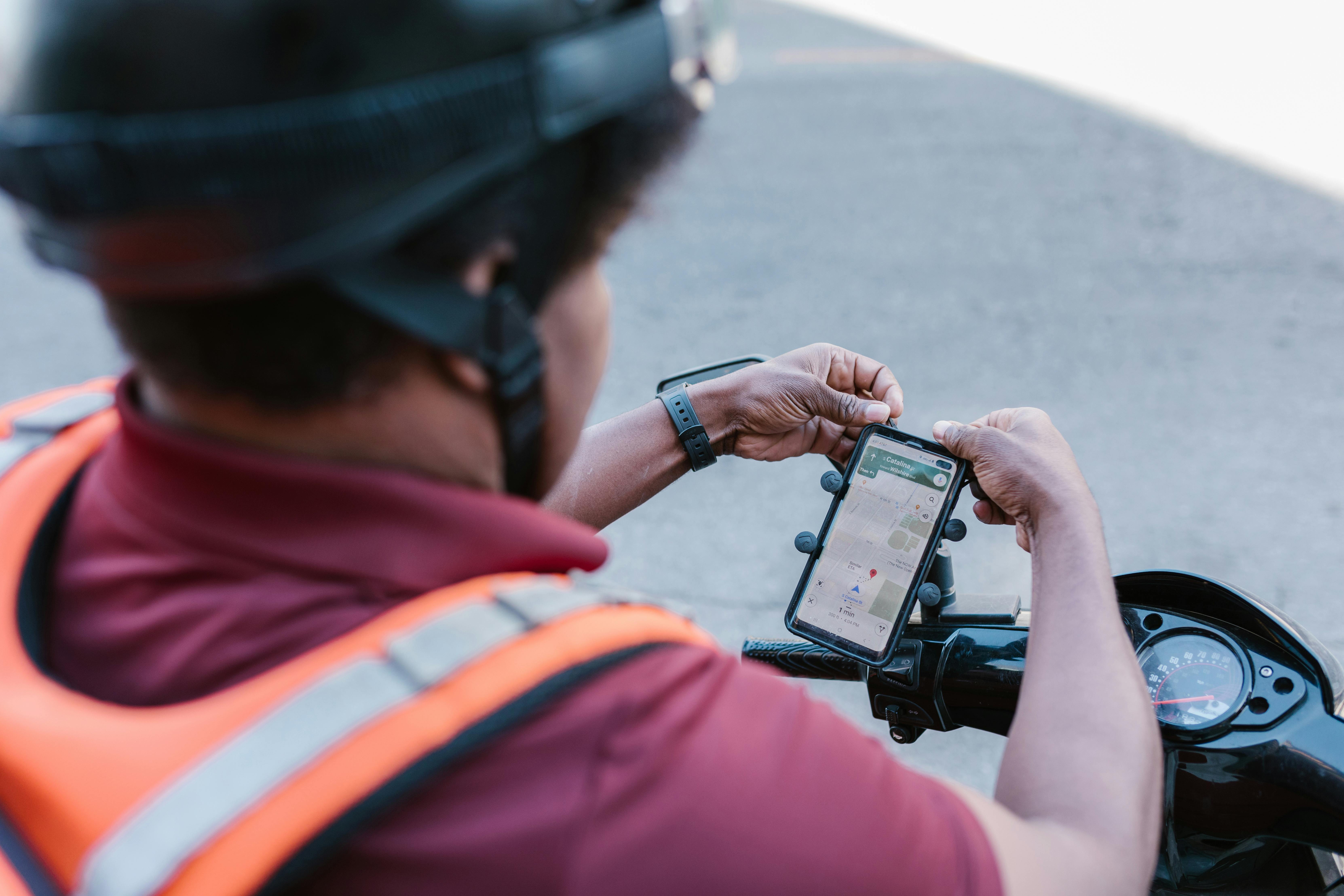
Walking is pleasant in the Riverside and BKK1 areas during morning or late afternoon, but footpaths are often obstacle courses of parked bikes, food stalls, and missing paving. Always carry your bag on the building side — bag snatching from passing motos does happen, though it's not common in tourist areas. Cross roads assertively but predictably; drivers expect you to keep moving at a steady pace rather than darting back and forth.
The main scam to watch: tuk-tuk drivers offering city tours at suspiciously low rates, then spending the day pressuring you into commission-earning shops. Stick with app-based rides or drivers recommended by your hotel, and you'll be fine.
Money Matters: Currency, ATMs and Payment for Australians
Cambodia runs on a quirky dual-currency system that confuses first-timers but works brilliantly once you understand it. The US dollar is the de facto currency for everything from accommodation to restaurant bills, while Cambodian Riel acts as small change. Pay $8.50 for lunch? You'll get three 2,000 Riel notes back (about $1.50 AUD equivalent). It's perfectly normal to have both currencies jangling in your wallet.
Skip the currency exchange in Australia entirely. The AUD-to-USD rate at Aussie airports or banks is terrible, and you'll never need Riel before arrival. Instead, hit an ATM the moment you land at Phnom Penh airport or in the city. Major banks like ANZ Royal, Canadia Bank, and ABA Bank have reliable ATMs throughout the capital that dispense US dollars. Withdrawal limits typically range from $500-$1000 USD per transaction, and you'll pay around $4-5 AUD in combined fees (your Aussie bank's international fee plus the local ATM charge).
Credit cards work in hotels, upscale restaurants, and shopping malls, but Cambodia remains heavily cash-based. Street food vendors, tuk-tuk drivers, markets, and smaller guesthouses only take physical currency. Visa and Mastercard are widely accepted where cards work; Amex is hit-and-miss.
The Riel exchange rate floats around 4,000-4,100 Riel per USD. Don't stress about calculating conversions constantly — shopkeepers will do it automatically, usually rounding in their favour (a 500 Riel difference is about 15 cents AUD, so pick your battles). If you somehow end up with leftover Riel, spend it before leaving; you won't exchange it back easily.

Tipping isn't traditionally Cambodian, but it's increasingly expected in tourist areas. Round up tuk-tuk fares, leave $1-2 USD for attentive restaurant service, and consider $5-10 USD per day for excellent tour guides. Hotel porters appreciate $1-2 USD per bag.
Daily budget reality check in AUD: Budget-conscious couples can comfortably eat street food and visit temples for $80-100 AUD per day (excluding accommodation). Mid-range travellers enjoying proper restaurants, cocktails, and organised tours should budget $150-200 AUD daily. Go upscale with fine dining and spa treatments, and you're looking at $250+ AUD per day.
Health, Safety and Practical Essentials for Aussie Travellers
Phnom Penh is generally safe for Australian visitors, but it's a different environment than home — hotter, more chaotic, and with health considerations you wouldn't face in Melbourne or Sydney. A bit of preparation goes a long way toward keeping your trip smooth and enjoyable.

Vaccinations and Health Prep
Check with your GP or a travel medicine clinic at least 6-8 weeks before departure. Most Australian travellers should be up to date on routine vaccinations (measles, mumps, rubella, tetanus), plus hepatitis A and typhoid. Japanese encephalitis and rabies are sometimes recommended depending on your itinerary — more relevant if you're heading to rural areas outside Phnom Penh. Malaria isn't a concern in the city itself, but dengue fever is present year-round. There's no vaccine for dengue, so mosquito repellent (with DEET or picaridin) becomes your best friend, especially around dawn and dusk.
Travel Insurance (Non-Negotiable)
Don't skip this. Cambodia's medical facilities vary dramatically in quality, and serious cases often require medical evacuation to Bangkok or Singapore — which can cost tens of thousands without cover. Look for policies that include:
- Medical evacuation and repatriation
- Hospital treatment (both public and private facilities)
- Stolen belongings (bag snatching does happen, particularly on motos)
- Trip cancellation coverage
Via Resorts guests can secure their accommodation with a deposit from as little as $100 AUD, then arrange comprehensive travel insurance before final payment — giving you time to shop around for the right policy.

Food and Water Safety
Tap water in Phnom Penh is not safe to drink. Stick to bottled water (widely available and cheap — about $0.50 for 1.5L). Ice in reputable restaurants and cafes is generally fine (it's made from filtered water), but use your judgment at street stalls.
Street food is one of the joys of visiting Cambodia, and most Aussies eat it without issue. Choose vendors with high turnover (busy = fresh), watch for proper cooking temperatures, and avoid anything that's been sitting out in the heat. If you're cautious by nature, stick to cooked-to-order dishes rather than pre-made salads or cut fruit from carts.
Common Health Niggles
The heat will hit you differently than Australian summers — Phnom Penh is humid and relentless. Heat exhaustion and dehydration are the most common issues tourists face. Drink more water than you think you need, seek air-con breaks, and don't try to power through 8-hour walking days in 35°C heat.
Stomach bugs happen, even to careful travellers. Pack Gastro-Stop or Imodium, rehydration sachets (Hydralyte), and a basic first aid kit. Most cases resolve in 24-48 hours, but if you develop a high fever or see blood, seek medical attention.
Medical Care in Phnom Penh
For minor issues, there are several international-standard clinics with English-speaking staff:
- Royal Phnom Penh Hospital (Russian Hospital Blvd) — best equipped, 24/7 emergency
- Raffles Medical (161 Street) — Australian and Western-trained doctors
- Naga Clinic (multiple locations) — good for routine issues, travel medicine
Public hospitals exist but aren't recommended for foreigners. Your travel insurance will likely direct you to one of the private facilities above.
Sun Protection (Seriously)
Cambodia's UV index regularly hits 11-12 (extreme). The sun is more intense than most parts of Australia, and you'll be outdoors more than usual. Bring SPF 50+ sunscreen from home (it's expensive and harder to find there), a wide-brimmed hat, and sunglasses. Reapply religiously, especially if you're visiting Angkor Wat or doing river activities.
What to Pack Differently
- Lightweight, breathable clothing in natural fabrics (cotton, linen)
- Temple-appropriate attire: shoulders and knees covered (palazzo pants, maxi skirts, or lightweight trousers work well)
- Modesty scarf — doubles as temple cover-up and air-con protection
- Closed-toe shoes you don't mind removing frequently (more on that below)
- Mosquito repellent with 20-30% DEET or picaridin
- Anti-chafe gel — humidity makes this a game-changer
- Portable phone charger — you'll use maps constantly
Leave the heavy jeans and jackets at home. You won't need them.
Cultural Etiquette Australians Should Know
Cambodians are exceptionally warm and forgiving of cultural missteps, but a bit of awareness earns you genuine respect:
Shoes Off: Remove shoes before entering homes, temples, and many small shops or guesthouses. If you see a pile of shoes at the door, that's your cue. Slip-on sandals make this much easier than lace-up sneakers.
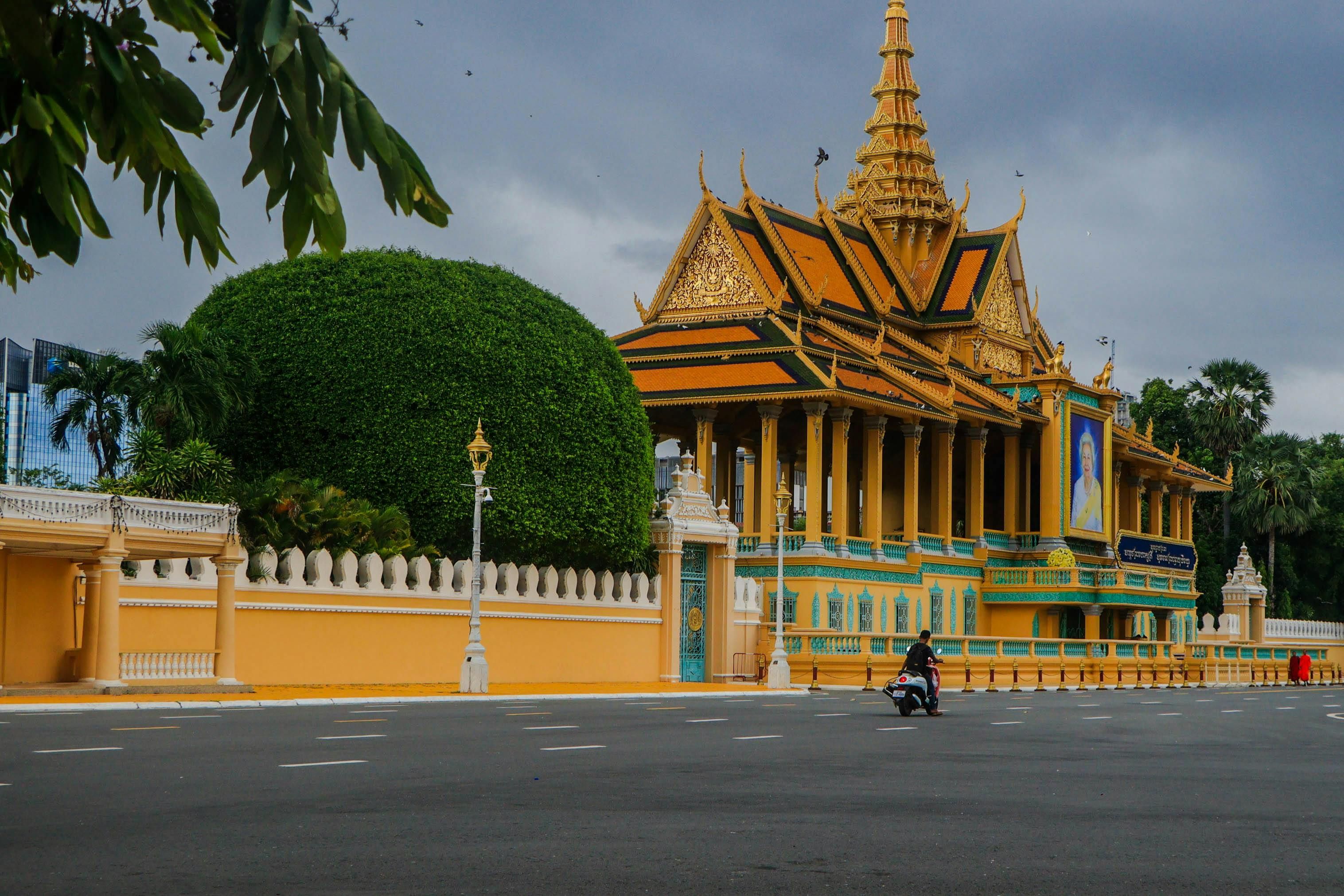
Temple Dress Codes: Cover shoulders and knees at all religious sites. No tank tops, short shorts, or see-through clothing. The Royal Palace and Silver Pagoda in Phnom Penh enforce this strictly — you'll be turned away if underdressed (and no, they won't rent you a sarong).
Modest Behaviour: Public displays of affection are frowned upon. Keep it PG, even for couples.
The Head and Feet: The head is considered sacred, feet are lowly. Don't touch anyone's head (including kids), and don't point your feet at people or Buddha images. When sitting on the floor, tuck your feet to the side.
Greeting: A small bow with hands pressed together (sampeah) is traditional, but a smile and gentle handshake work fine for tourists. Let locals initiate physical contact.
Bargaining: Expected at markets (but keep it light-hearted), not appropriate in shops with marked prices or restaurants.
Photography: Always ask before photographing people, especially monks or rural locals. A smile and gesture toward your camera usually does the trick. Offer to show them the photo afterward — it's a lovely exchange.
Australians generally do well in Cambodia — our laid-back nature translates well, and Cambodians appreciate genuine friendliness over formality. Just add a bit of modesty and mindfulness, and you'll be welcomed everywhere you go.
How Booking Works
Via Resorts operates on a "secure today, stay later" model that's particularly handy when planning a Phnom Penh trip. You'll lock in your accommodation rate with a deposit from as little as $100 AUD, then pay the balance closer to your travel dates. This means you can grab that palace-view hotel room during a sale without committing your full budget upfront.
Since Via sells accommodation only, you'll book your flights separately — either directly with airlines, through a flight comparison site, or by using your frequent flyer points. Most Australians find this flexibility valuable, especially when Jetstar or AirAsia run their periodic sales to Phnom Penh. You're not locked into a package deal, so if you want to stopover in Singapore on the way or extend your trip to Siem Reap, you can build your itinerary however suits you best.
Why Book Your Phnom Penh Stay With Via Resorts
We're an Australian-founded accommodation specialist with direct relationships with handpicked hotels across Phnom Penh. You book flights separately (use your points, find your own deals, travel your way), and we sort your stay with transparent AUD pricing and no hidden fees.
Our deposit model means you can lock in rates from as little as $100 and pay the balance closer to travel—handy when planning trips months out. We've got local support teams in Cambodia if anything comes up, plus Australian-based customer service who actually answer the phone.
Rated 4.5 stars by thousands of Australian travellers, we keep it simple: great properties, honest advice, and none of the package tour runaround. Book your Phnom Penh accommodation with people who've actually been there.
FAQ
Is Phnom Penh safe for Australian travellers?
Yes, Phnom Penh is generally safe for Australians, though standard precautions apply. Petty theft (bag snatching, pickpocketing) occurs in tourist areas, so keep valuables secure and avoid displaying expensive phones or cameras. The Australian government's Smartraveller advises normal safety precautions. Avoid walking alone late at night in quieter areas, and use registered tuk-tuks or grab services rather than unmarked taxis. Traffic is chaotic, so stay alert when crossing streets.
What's the best time to visit Phnom Penh?
November to February offers the most comfortable weather — warm and dry with temperatures around 25-30°C. March to May gets very hot (35°C+), while June to October brings monsoon rains. That said, wet season has its perks: fewer crowds, lush greenery, and short afternoon downpours rather than all-day rain. For the best balance of weather and value, book for November or February.
How many days do I need in Phnom Penh?
Most Australians spend 3-4 days in Phnom Penh, which allows time for the Killing Fields and S-21 Prison, the Royal Palace, Central Market, and a day exploring cafés and street food. If you're combining it with Siem Reap or the coast, 2-3 days works fine. Budget an extra day if you want to visit Silk Island or take a sunset cruise.
Can I use Australian dollars in Phnom Penh?
US dollars are widely accepted throughout Cambodia, but Australian dollars are not. Exchange AUD for USD before you leave or withdraw USD from ATMs in Phnom Penh (widely available). Cambodian riel is used for small change. Most hotels, restaurants, and tours price in USD, making budgeting straightforward for Australians familiar with exchange rates.
How does Via Resorts' deposit system work?
Via Resorts lets you secure accommodation with a deposit from as little as $100 AUD, then pay the balance closer to travel. This "hold today, travel later" model gives you flexibility to lock in rates without committing the full amount upfront. You book flights separately, giving you control over timing, airline choice, and the option to use frequent flyer points.
Is Phnom Penh suitable for families with kids?
Phnom Penh works for families with older children (12+), particularly those interested in history. The Killing Fields and genocide museum are confronting and not appropriate for young kids. Lighter family activities include the Royal Palace, riverside parks, and the National Museum. That said, most Australian families visiting Cambodia with younger children base themselves in Siem Reap instead, which offers more child-friendly attractions and a gentler pace.
Do I need a visa for Cambodia?
Yes, Australians need a visa for Cambodia. The easiest option is an e-visa (applied online before departure, around USD $36), valid for 30 days. Alternatively, you can get a visa on arrival at Phnom Penh International Airport for a similar fee, though queues can be long. Keep a passport photo and exact USD handy if going the arrival route.
What vaccinations do I need for Phnom Penh?
Consult your GP at least 6-8 weeks before travel. Hepatitis A and typhoid are commonly recommended for Cambodia. Depending on your itinerary and activities, your doctor may suggest hepatitis B, Japanese encephalitis, or rabies vaccinations. Routine vaccinations (measles, mumps, rubella) should be up to date. Malaria risk in Phnom Penh itself is low, but consult your doctor if you're travelling to rural areas.
Next Steps
Ready to start planning your Phnom Penh adventure? Browse Via Resorts' handpicked selection of hotels and boutique properties across the city — from riverside heritage stays to modern Daun Penh addresses. Secure your accommodation from just $100 AUD deposit, book your own flights when you're ready, and you're all set for Cambodia's captivating capital.
Royal Phnom Penh Hospital
For minor issues, there are several international-standard clinics with English-speaking staff: Royal Phnom Penh Hospital (Russian Hospital Blvd) — best equipped, 24/7 emergency
Raffles Medical
For minor issues, there are several international-standard clinics with English-speaking staff: Royal Phnom Penh Hospital (Russian Hospital Blvd) — best equipped, 24/7 emergency Raffles Medical (161 Street) — Australian and Western-trained doctors
Naga Clinic
For minor issues, there are several international-standard clinics with English-speaking staff: Royal Phnom Penh Hospital (Russian Hospital Blvd) — best equipped, 24/7 emergency Raffles Medical (161 Street) — Australian and Western-trained doctors Naga Clinic (multiple locations) — good for routine issues, travel medicine Public hospitals exist but aren't recommended for foreigners. Your travel insurance will likely direct you to one of the private facilities above.