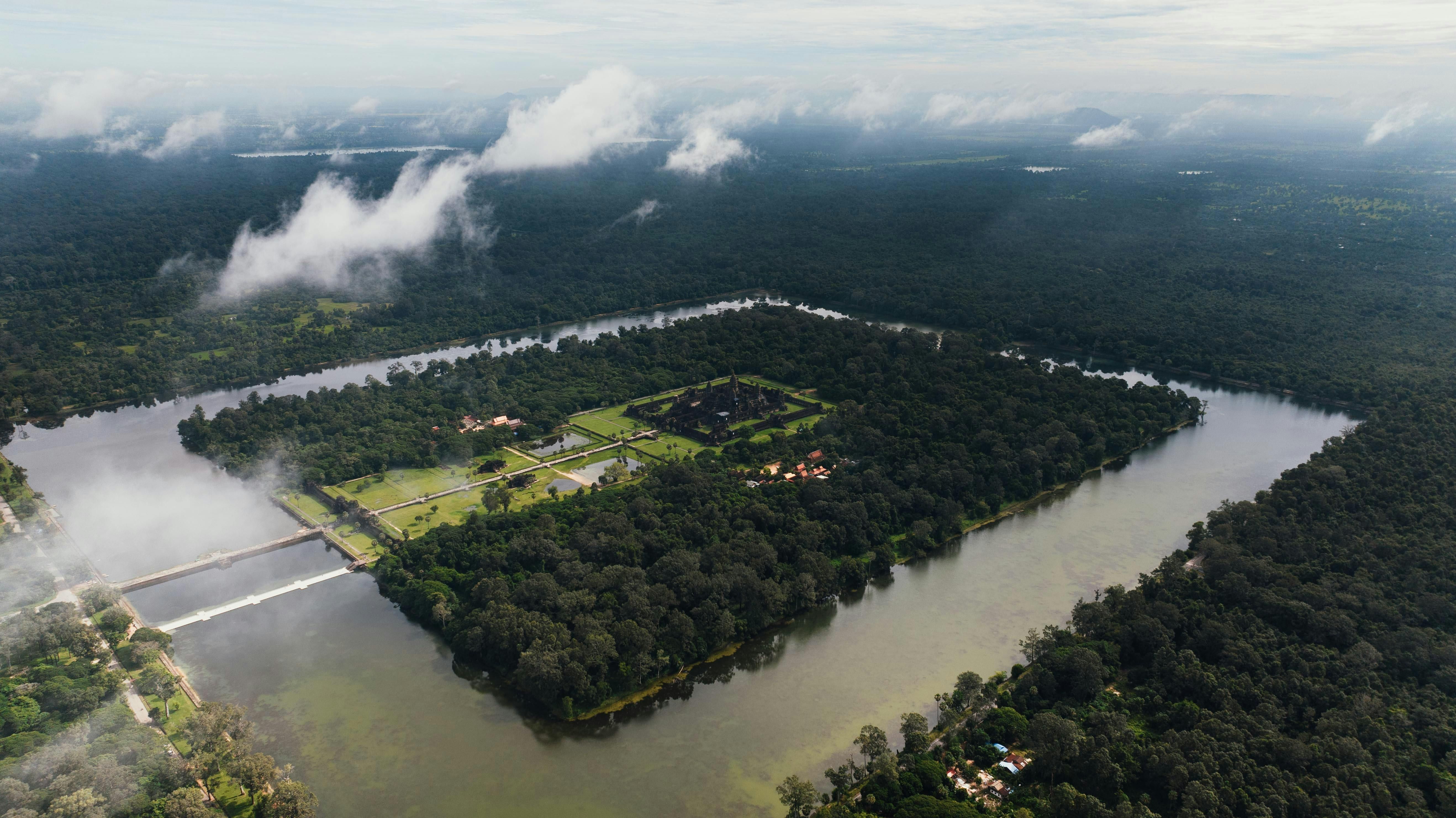
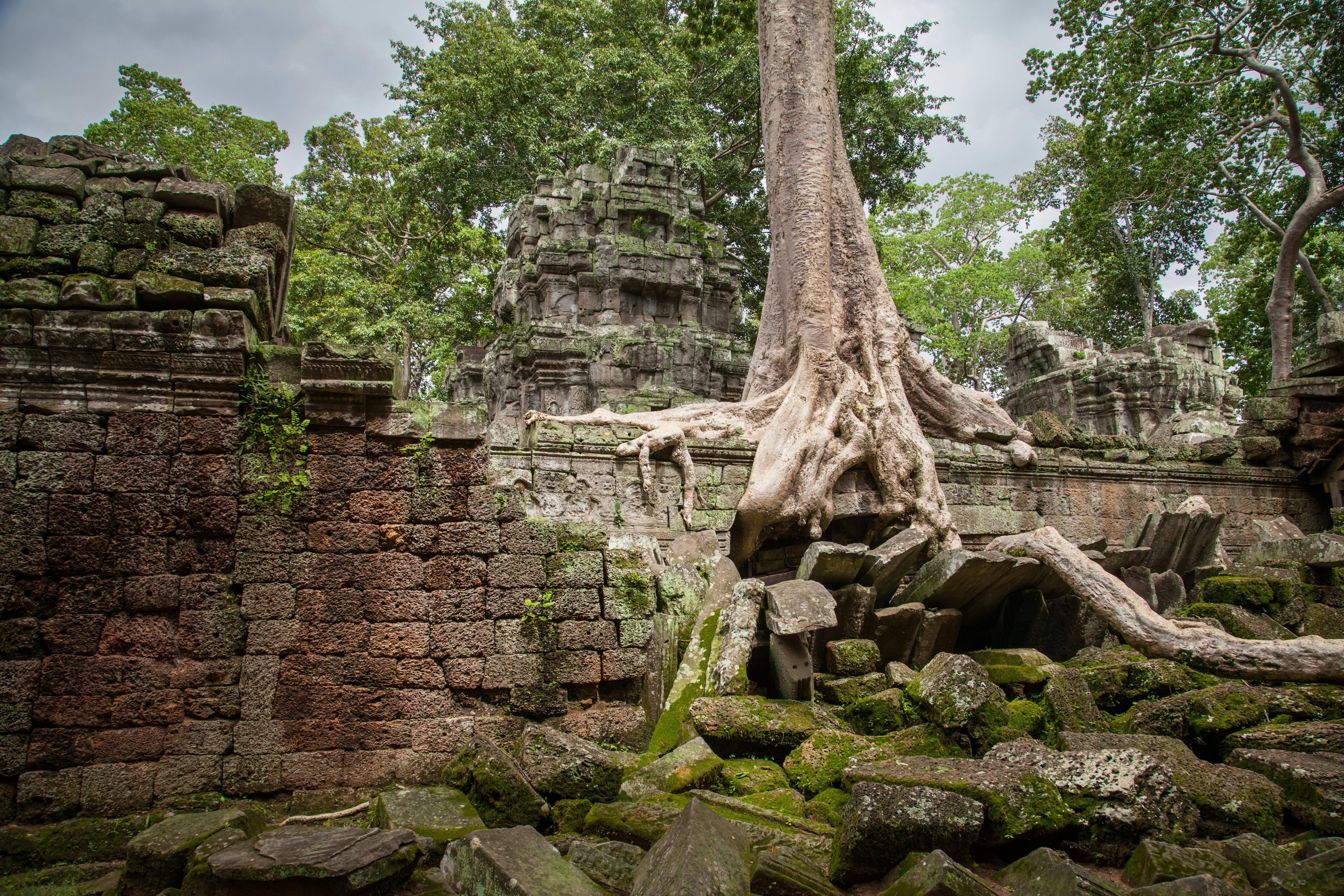
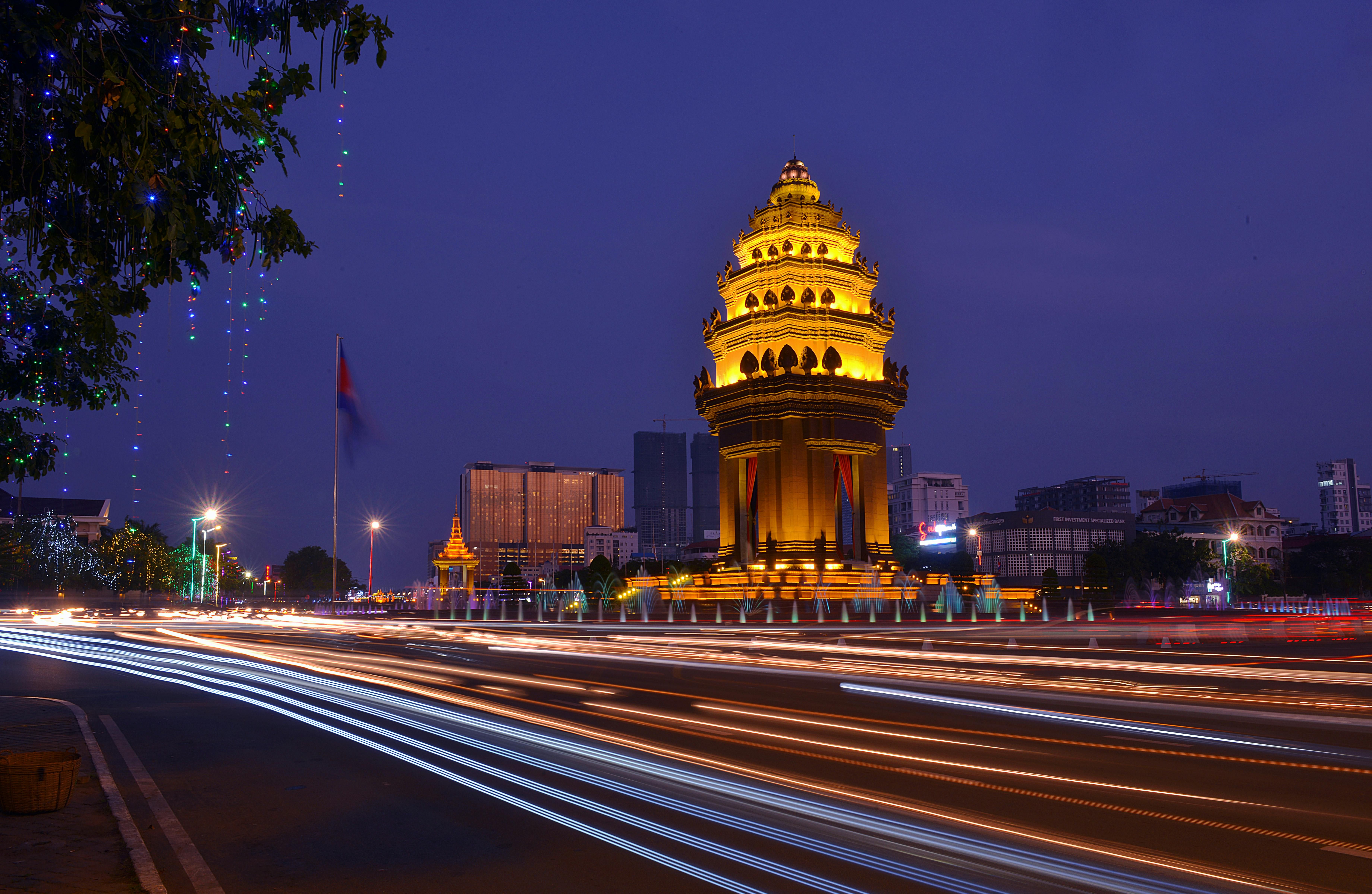
Cambodia sits just eight hours from Australia's east coast, making it one of the most accessible destinations in Southeast Asia — yet it remains wonderfully unspoiled compared to its busier neighbours. For Australian travellers, it offers something genuinely rare: ancient temples that rival anything in the world, beaches that feel like your own private discovery, and accommodation costs that make extending your stay almost irresistible. This guide cuts through the noise to give you exactly what you need as an Australian planning a Cambodia trip — from the visa process that takes five minutes online, to why booking accommodation separately gives you more flexibility than package deals, to the seasonal realities that'll shape whether you're swimming in Sihanoukville or sheltering from afternoon downpours in Siem Reap.
- Essential Documentation and Visa Requirements for Australian Visitors
- Health, Safety and Travel Insurance Essentials
- Vaccinations and Health Prep
- Food and Water Safety
- Travel Insurance Requirements
- Medical Facilities
- Safety and Scam Awareness
- Practical Safety Tips
- Money Matters: Currency, Cards and Costs for Australians
- Getting Around Cambodia: Transport Options and Practicalities
- How Booking Works
- Why Book Cambodia with Via Resorts
- FAQ
- Is Cambodia safe for Australian travellers?
- What's the best time to visit Cambodia?
- Do I need travel insurance for Cambodia?
- Can I use Australian dollars in Cambodia?
- Is Cambodia suitable for families with kids?
- How far in advance should I book accommodation in Cambodia?
- Do I need a visa for Cambodia?
- What vaccinations do I need for Cambodia?
- Next Steps
Essential Documentation and Visa Requirements for Australian Visitors
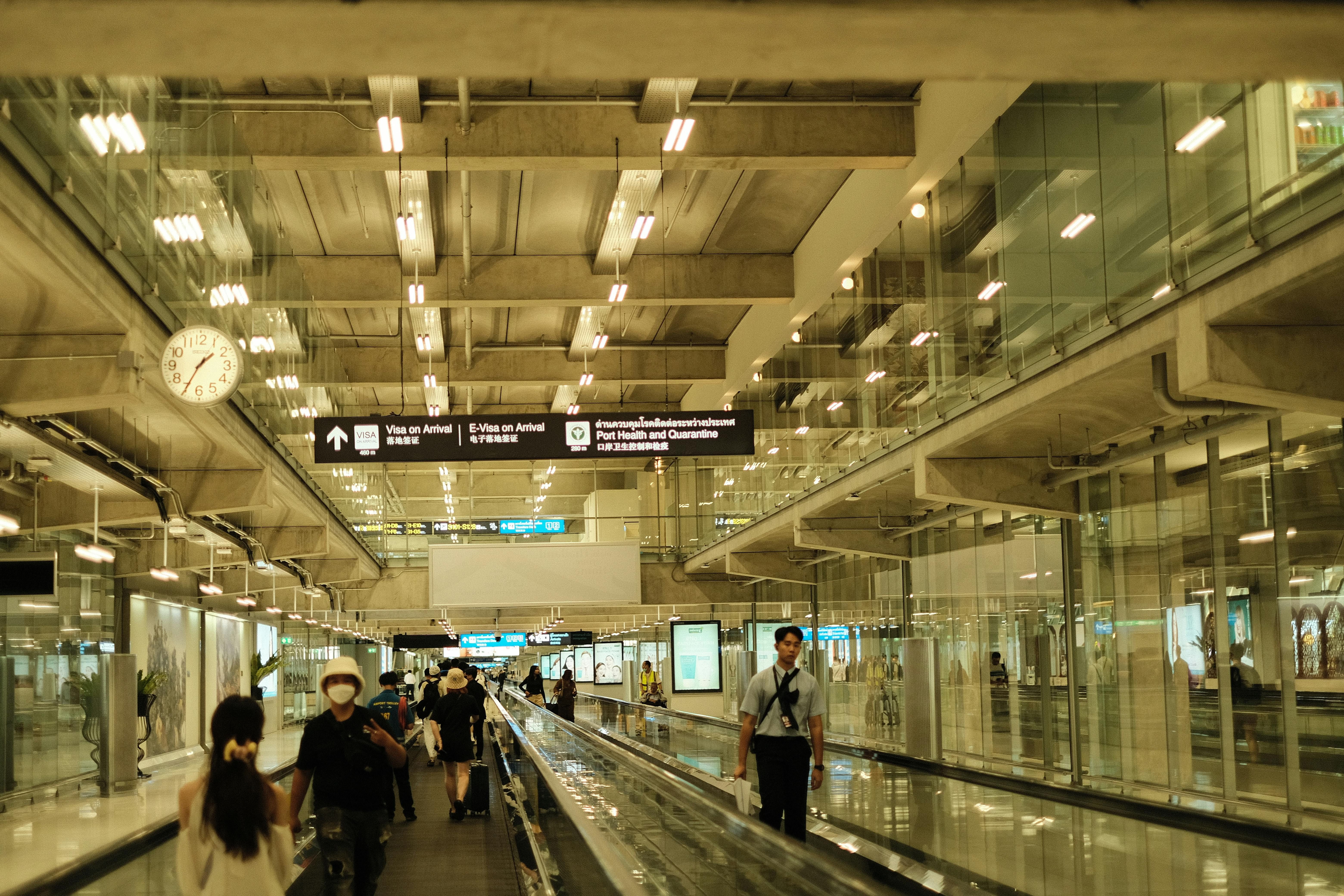
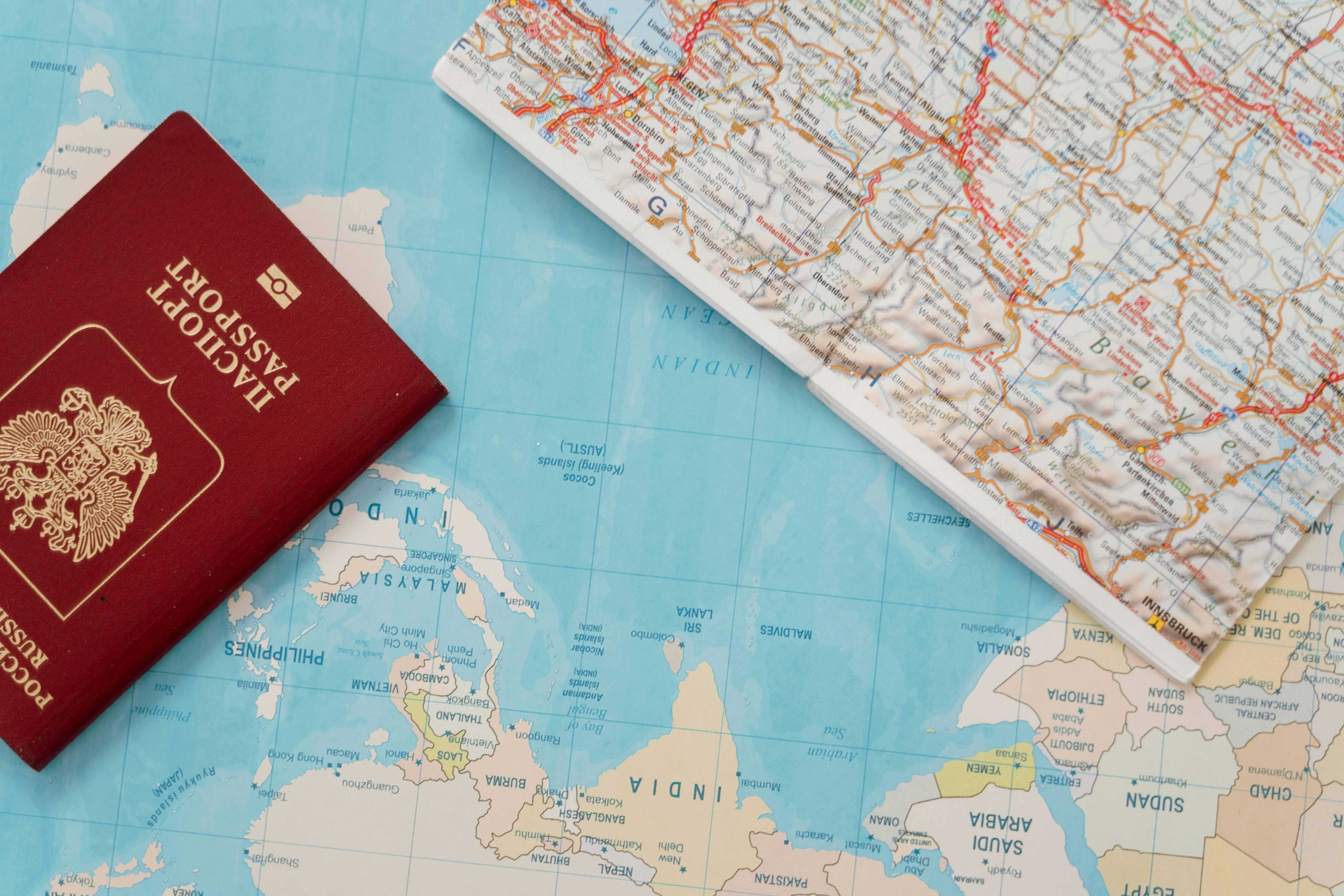
Good news first: Cambodia makes it refreshingly easy for Australians to visit. You'll get a tourist visa on arrival at Phnom Penh or Siem Reap airports, or you can sort it online before you leave — both options are straightforward, though each has its trade-offs.
Your passport needs at least six months validity from your arrival date. This is strictly enforced, so check your expiry date well before you book. You'll also need at least one blank page for the visa stamp. Bring a passport photo (standard size), though if you forget, there are photo booths at the airports — they're just overpriced and can add delays during busy periods.
Visa on Arrival costs USD$30 (roughly AUD$47, though exchange rates fluctuate). You'll fill out a form on the plane or at the airport, queue at the visa counter before immigration, then proceed through with your fresh stamp. The process typically takes 15-30 minutes, but can stretch to an hour during peak flight arrivals. Bring US dollars in cash — while some airports technically accept other currencies, the exchange rate they offer is terrible, and it's not worth the hassle.
E-visa is the alternative: apply online at evisa.gov.kh (beware of copycat sites charging more) for USD$36 plus a USD$6 processing fee (around AUD$66 total). Processing takes 3 business days. The advantage? You skip the visa-on-arrival queue entirely and head straight to immigration. The downside? It only works at major entry points — if you're arriving overland from Thailand or Vietnam, you'll need visa on arrival anyway.
Honest talk: for most Australians flying into Siem Reap or Phnom Penh, visa on arrival is perfectly fine. The e-visa is worth it if you're arriving during Chinese New Year or other peak periods when queues can be brutal, or if you're the type who likes everything sorted before departure. Either way, keep a printed copy of your accommodation confirmation handy — immigration occasionally asks for it, though it's rarely scrutinised.
One common pitfall: some travellers encounter "facilitators" at the airport offering to "help" with visas for an extra fee. Ignore them. The official process is simple enough to navigate yourself.
Health, Safety and Travel Insurance Essentials
Cambodia is generally safe for Australian travellers, but a bit of prep goes a long way. The health risks are manageable with the right vaccinations and precautions, and comprehensive travel insurance is non-negotiable — especially given Cambodia's developing healthcare infrastructure.
Vaccinations and Health Prep
Start with your GP at least 6-8 weeks before departure. Routine vaccinations (MMR, diphtheria-tetanus-pertussis) should be current, and most Australian travellers will need Hepatitis A and Typhoid. Hepatitis B is recommended if you're staying long-term or might need medical treatment. Japanese Encephalitis gets recommended if you're spending extended time in rural areas during the wet season, though most Aussies doing the temple circuit probably don't need it.
Malaria is present in Cambodia, but risk varies dramatically by region. Siem Reap, Phnom Penh, and Sihanoukville are considered low-risk. The eastern provinces (Ratanakiri, Mondulkiri) and remote jungle areas have higher risk — chat with your doctor about prophylaxis if you're heading there. Dengue fever is the bigger concern in cities, and there's no vaccine for most travellers. Mozzie repellent with DEET isn't optional.
Food and Water Safety
Don't drink the tap water. Bottled water is cheap and everywhere — just check the seal is intact. Ice in tourist restaurants and hotels is generally fine (it's made from purified water), but use your judgment at street stalls.
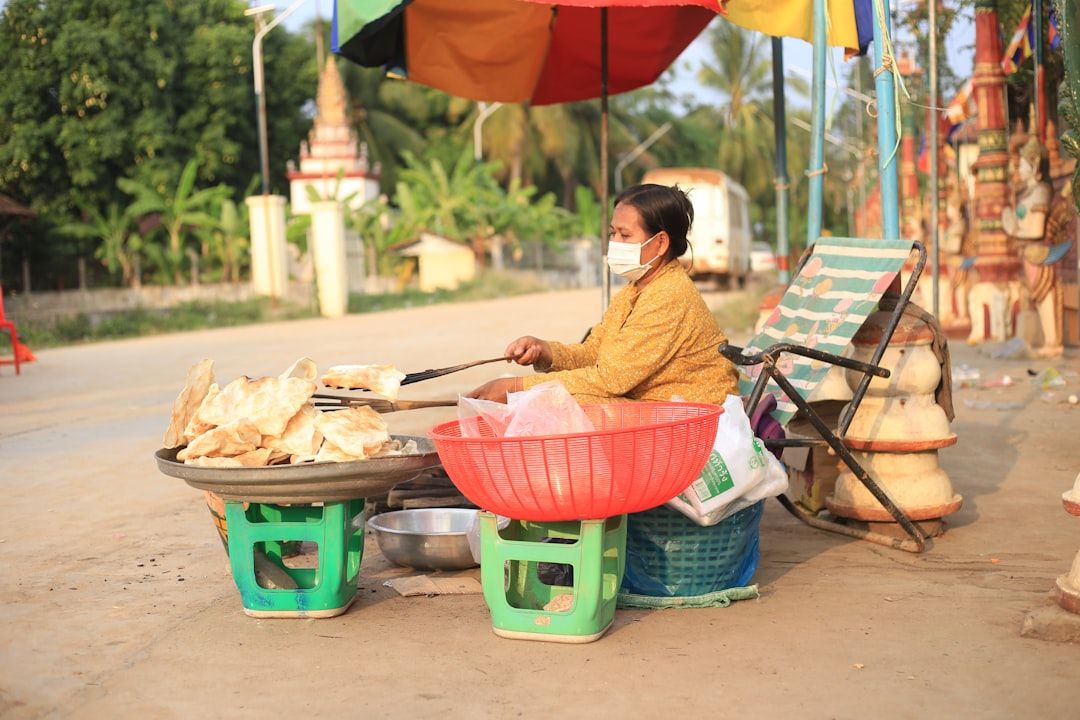
Street food is one of Cambodia's highlights, and you don't need to avoid it entirely. Look for busy stalls with high turnover — food sitting around in the heat is the problem, not the cooking method. Freshly cooked, piping hot food is generally safe. Raw vegetables and pre-cut fruit can be riskier.
Traveller's diarrhea happens. Pack Gastro-Stop (loperamide) and oral rehydration salts. Most cases resolve in a couple of days with rest and hydration. If you're getting worse or seeing blood, seek medical attention.
Travel Insurance Requirements
Here's where Australians sometimes get complacent: Medicare doesn't cover you overseas, and Cambodia's public hospitals aren't where you want to end up with anything serious. You need travel insurance with robust medical coverage, including emergency evacuation to Bangkok or home to Australia. Medical evacuation by air ambulance can cost $100,000+ — not a figure you want to pay out of pocket.
Look for policies covering:
- Medical treatment and hospitalisation (minimum $1 million AUD)
- Emergency medical evacuation and repatriation
- Motorcycle/scooter accidents (standard exclusion unless you pay extra and hold the right licence)
- Adventure activities if you're trekking or zip-lining
- Trip cancellation/interruption — Via's deposit model means you're not paying full price upfront, but you'll still want coverage
Read the fine print on pre-existing conditions and make sure any motorcycle riding is covered if you're planning to hire a scooter (and only if you hold a motorcycle licence at home — unlicensed riding voids most policies).
Medical Facilities
Phnom Penh and Siem Reap have international clinics staffed by Western-trained doctors who speak English (Royal Angkor International Hospital in Siem Reap, Raffles Medical Phnom Penh). They're expensive without insurance but perfectly competent for common issues and minor injuries. For anything serious, you'll likely be evacuated to Bangkok.
Pharmacies are everywhere and sell many medications over the counter, but counterfeit drugs are an issue. Stick to proper pharmacies in tourist areas rather than market stalls, and bring any essential prescription medications from home with copies of the prescriptions.
Safety and Scam Awareness
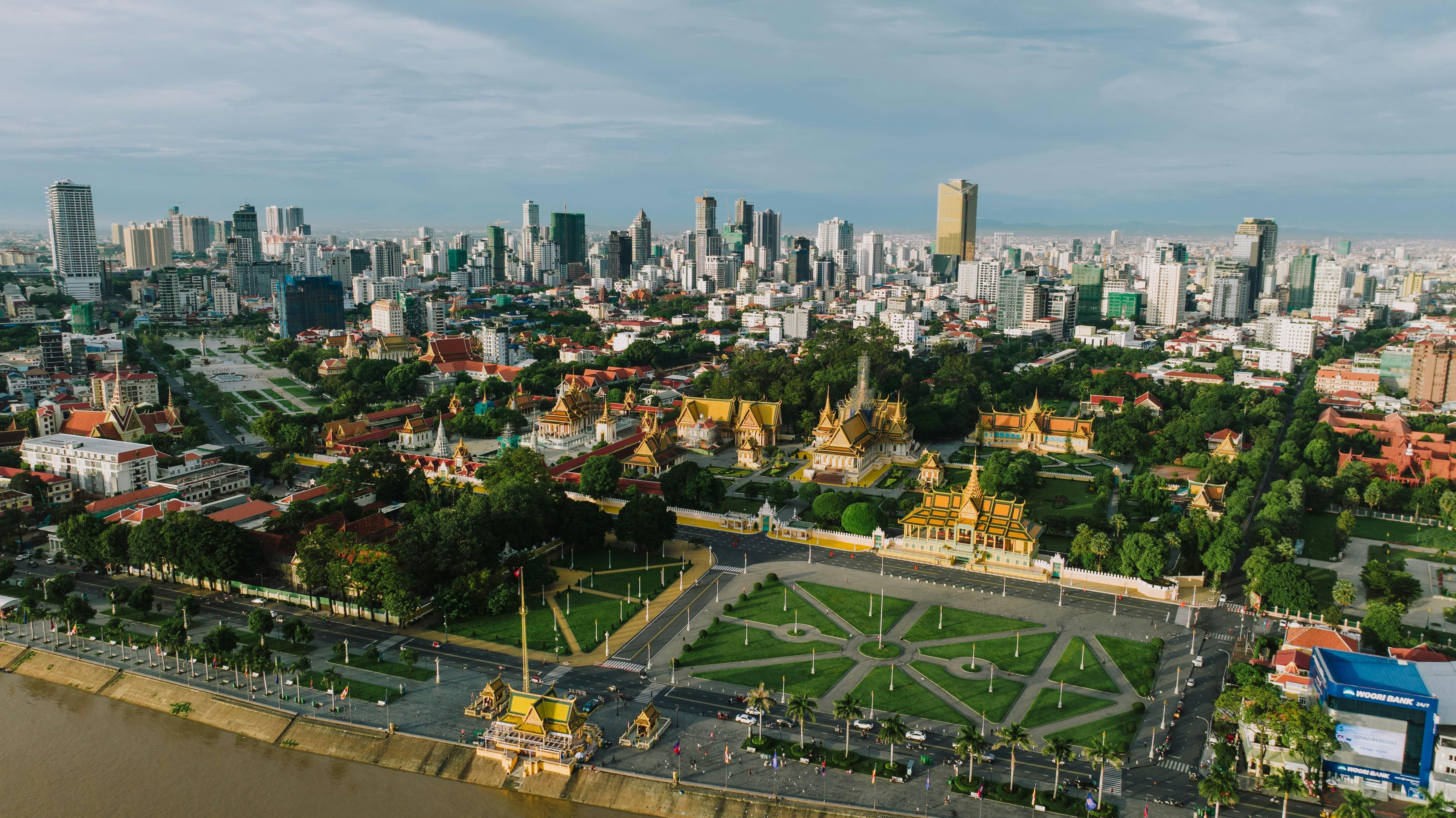
Cambodia is relatively safe for tourists — violent crime against foreigners is rare. Petty theft and bag snatching happen in Phnom Penh, particularly on riverside streets after dark. Don't flash expensive phones or cameras, especially when sitting on motorbike taxis.
Common scams to watch for:
- Fake police: Real police rarely stop tourists. If someone claiming to be police demands to see your money or passport, ask to see ID and insist on going to the actual police station
- Meter scams in tuk-tuks: Agree on the price before you get in, or use apps like PassApp or Grab
- Gem scams: The "I'm a student, help me buy gems to sell at a profit" story is always a scam
- Orphanage tourism: Many "orphanages" are profit-making businesses that exploit children. Avoid visits
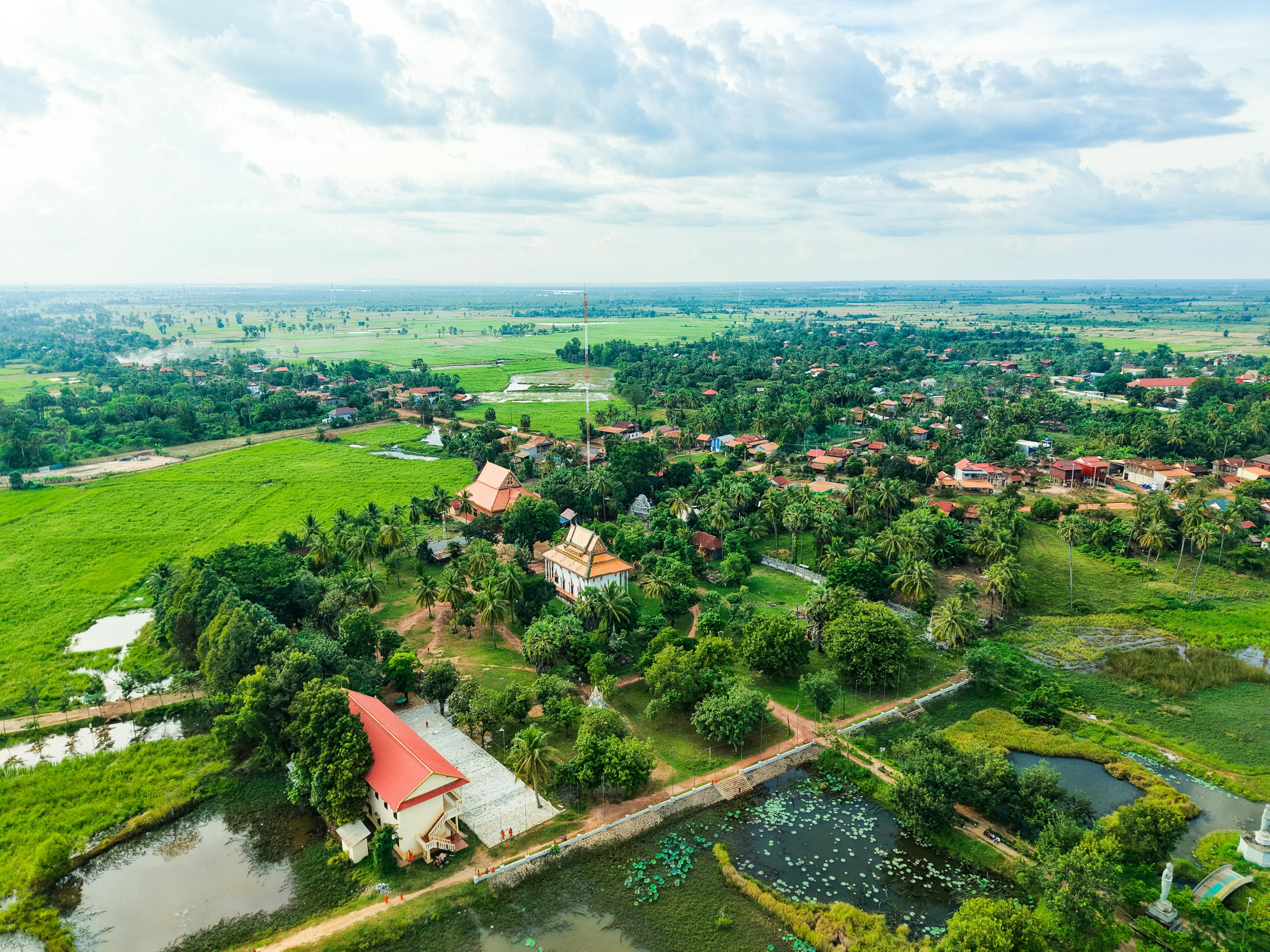
Landmines remain in remote border areas and rural regions. Stick to marked paths and roads in areas like Preah Vihear and the Thai border. The main tourist routes are completely safe.
Practical Safety Tips
Solo female travellers generally feel safe in Cambodia, though standard precautions apply (avoid unlicensed taxis late at night, trust your instincts). Dress modestly when visiting temples — shoulders and knees covered.
Register your trip with Smartraveller before you leave. The Australian Embassy in Phnom Penh can assist in emergencies, but they're not a substitute for travel insurance or medical evacuation coverage.
Traffic is chaotic by Australian standards — cross roads slowly and predictably, making eye contact with drivers. Defensive walking is a skill you'll develop quickly. If hiring a scooter, wear a helmet (required by law), have proper insurance, and only ride if you're genuinely experienced. Cambodia's roads are not the place to learn.
Money Matters: Currency, Cards and Costs for Australians
Cambodia runs on a fascinating dual-currency system that initially confuses most Australians but becomes second nature within hours. The US dollar is the primary currency for almost everything tourists buy, while Cambodian riel (KHR) is used mainly for small change. When you pay $10 USD for dinner, you'll likely receive your $2 change in riel (about 8,000 KHR). Most places quote prices in dollars, though markets and street vendors often use riel. The exchange rate hovers around 4,000 riel to 1 USD, which means your Australian dollar currently gets you about 2,600-2,800 riel depending on the day's AUD/USD rate (roughly $1 AUD = 65-70 US cents as of early 2025).

Don't bother exchanging money in Australia — the rates are terrible. Instead, hit an ATM when you arrive at Phnom Penh or Siem Reap airport. You'll withdraw US dollars directly, not riel. Most ATMs dispense $10, $20, $50 and $100 notes, though it's worth requesting smaller denominations ($10s and $20s) as breaking a $100 note at a street stall creates awkwardness. ATM fees are Cambodia's one genuine tourist tax: expect $5-6 USD per withdrawal on top of whatever your Australian bank charges. Daily limits typically range from $500-1,000 USD depending on the machine. ABA Bank and Canadia Bank generally have the highest limits and most reliable machines.
Your Australian debit card (Visa or Mastercard) works everywhere with ATMs. Credit card acceptance is improving but still patchy — upscale hotels and restaurants take them (often with a 2-3% surcharge), but most guesthouses, street food vendors, tuk-tuks and market stalls are cash-only. Keep a travel-friendly card like ING or Macquarie handy to dodge international transaction fees, though you're still stuck with Cambodia's withdrawal charges. Wise (formerly TransferWise) cards are popular with Australian expats here, offering decent exchange rates without the typical bank mark-ups.
Tipping isn't traditionally Cambodian, but tourism has shifted expectations in popular areas. Restaurant bills at tourist-oriented places sometimes include a service charge; if not, $1-2 USD for good service is appreciated but not obligatory. Tuk-tuk drivers don't expect tips for metered or agreed fares, though rounding up a $3.50 fare to $4 is a nice gesture after a day of patient touring. Tour guides genuinely rely on tips — budget $5-10 USD per person for a full-day guide, more if they've been exceptional. Hotel porters appreciate $1 per bag.
Daily Budget Reality (Per Person in AUD)
Budget travellers can scrape by on $40-60 AUD daily: $8-15 for a basic guesthouse, $2-5 per street food meal, $3-5 for tuk-tuks, plus temple entry fees. This requires eating where locals eat and staying in fan-cooled rooms, which is perfectly doable but not everyone's Cambodia fantasy.
Mid-range comfort sits around $100-150 AUD: $40-80 for a nice hotel with a pool, $8-15 for sit-down restaurant meals, $10-20 for tuk-tuk day hire, plus activities. This is the sweet spot most Australian couples target — enough comfort to enjoy yourselves without overthinking every beer.
Upscale travel runs $250-400+ AUD: boutique hotels ($120-200), fine dining ($25-50 per meal), private drivers, spa treatments, and cocktails without checking the price. Cambodia's luxury scene punches well above its price tag compared to Australian equivalents.
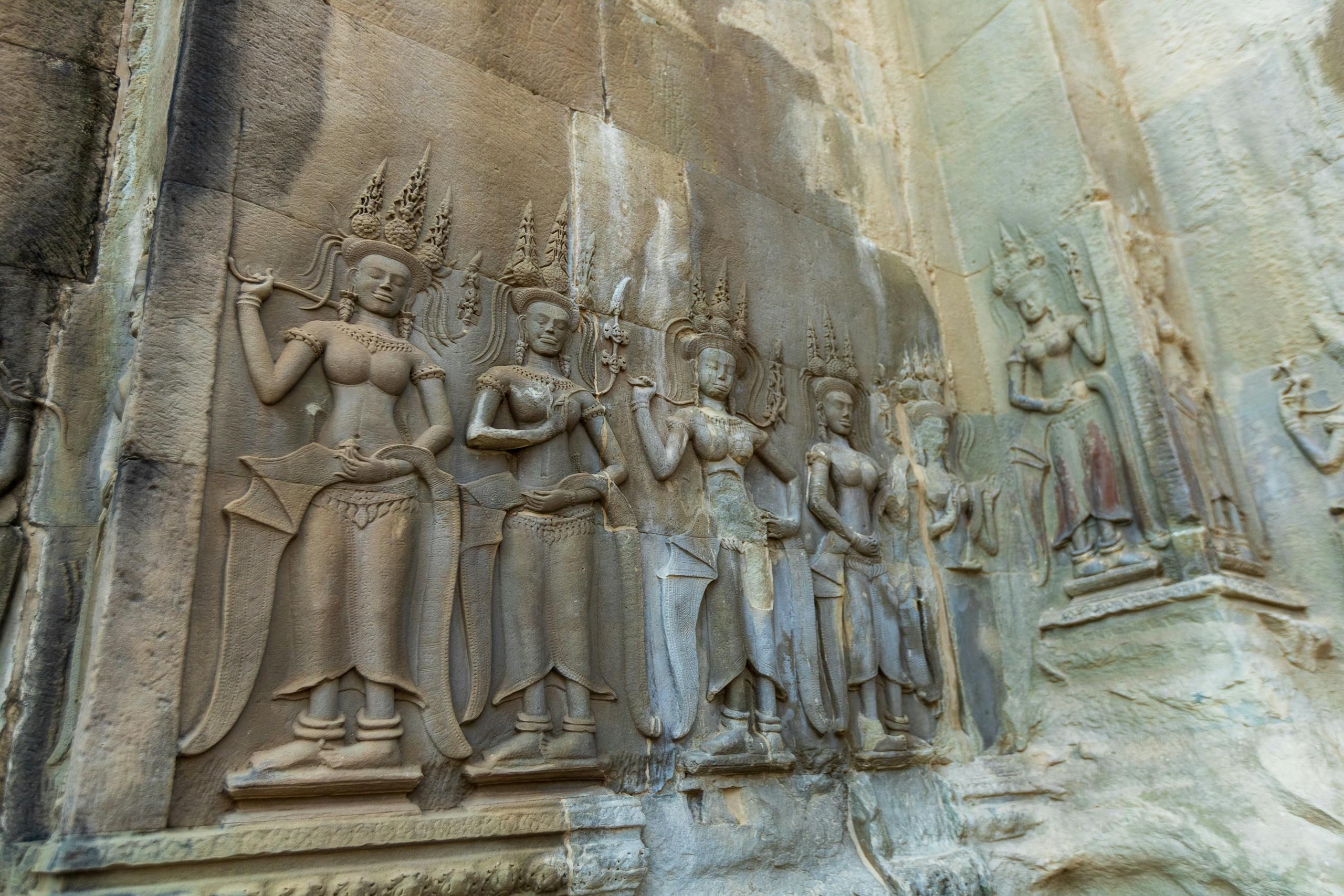
Angkor Wat temple passes are the one big fixed cost: 1-day pass is $37 USD, 3-day is $62 USD, 7-day is $72 USD (all prices in USD, worth about 50-100% more in AUD depending on exchange rates). Most Australians do the 3-day pass, which allows exploring at a civilised pace without temple burnout.
Getting Around Cambodia: Transport Options and Practicalities
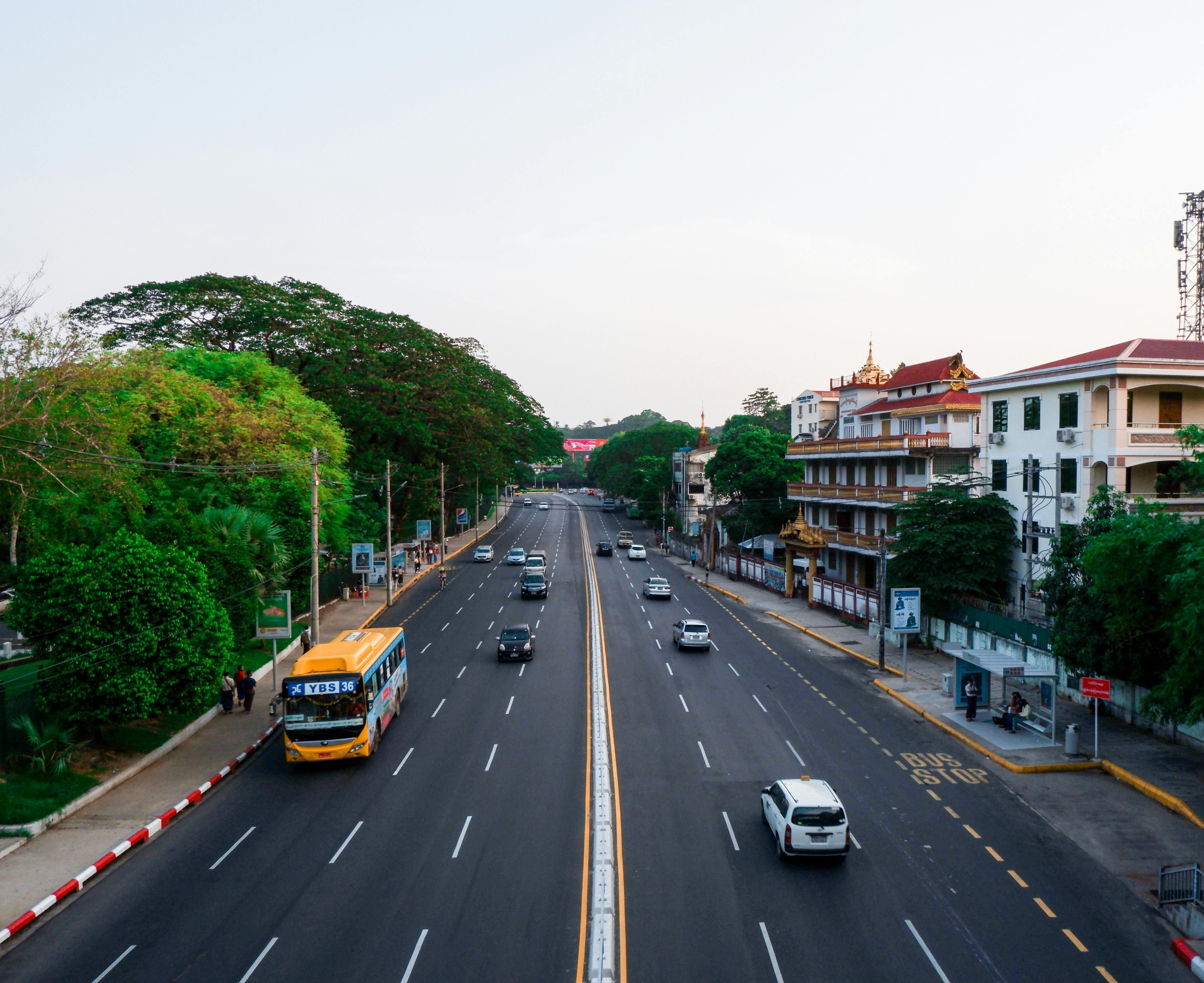
Cambodia's transport network is more developed than many Australians expect, though it's a world away from catching an Uber to Bondi. The country's compact size means you can cover serious ground in a day, but travel times can vary wildly depending on road conditions and your chosen method. Here's what actually works.
Flights Between Cities
Cambodia Angkor Air, Lanmei Airlines, and regional carriers operate between Siem Reap, Phnom Penh, and Sihanoukville. Flights cost roughly $60–120 AUD one-way and take 45 minutes to an hour. They're worth it if you're short on time or want to skip the six-hour bus journey. Book directly through airline websites or via local travel agents in Cambodia – you'll often find better rates than international booking platforms.
Buses and Minivans
Giant Ibis, Mekong Express, and Virak Buntham run modern, air-conditioned coaches between major cities. Siem Reap to Phnom Penh costs $12–18 AUD and takes 5.5–6.5 hours. Phnom Penh to Sihanoukville runs $8–15 AUD for 4–5 hours. Book online or through your accommodation – most guesthouses and hotels offer booking services without commission gouging.
The buses are genuinely comfortable (reclining seats, onboard toilets, sometimes WiFi), but factor in rest stops that add 30–45 minutes to quoted journey times.
Tuk-Tuks and RemORKs
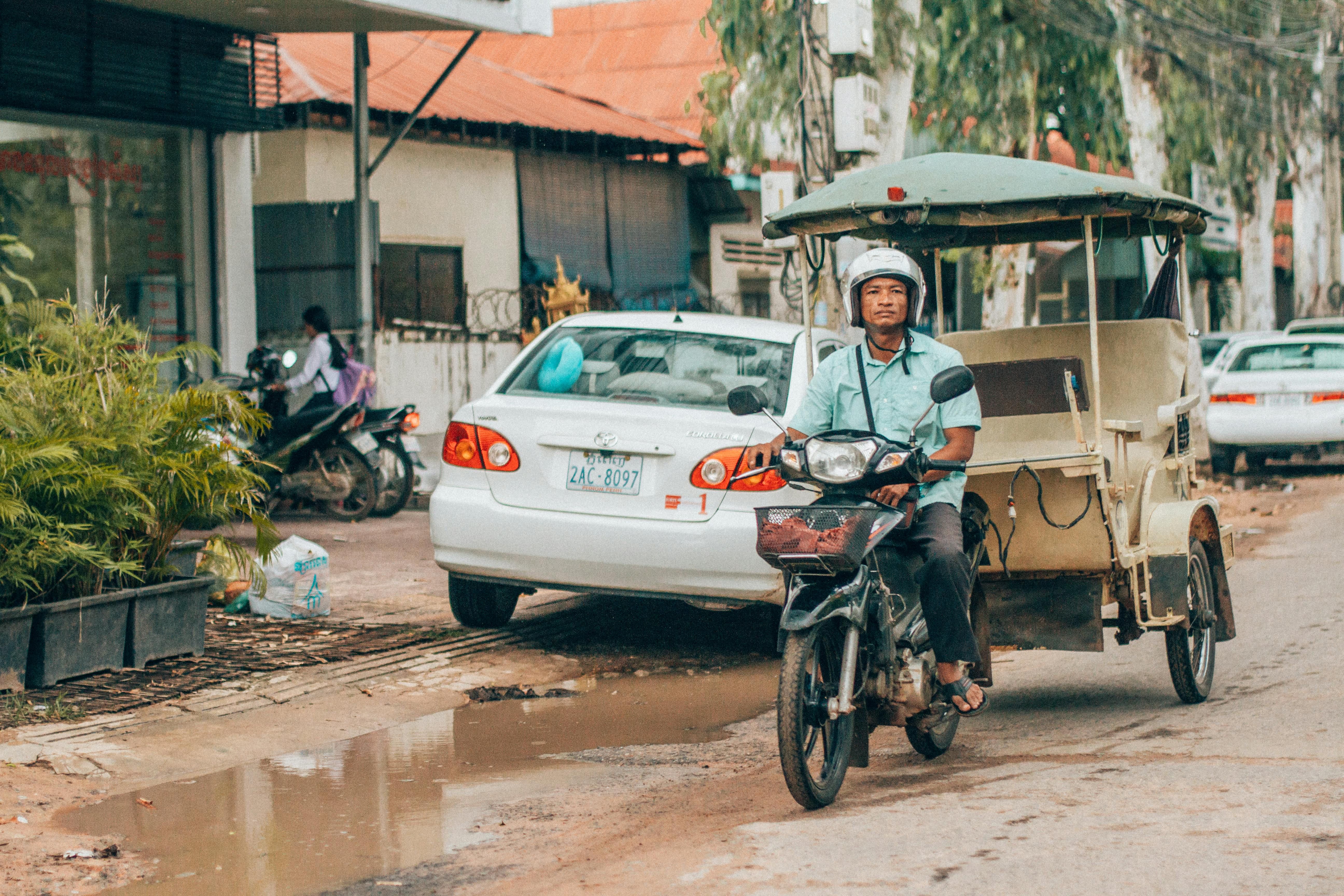
Your daily transport workhorse. In Siem Reap and Phnom Penh, expect $15–25 AUD for a full day with a driver, or $2–5 AUD for short hops. Negotiate before you set off, and don't feel awkward about it – it's expected. Many drivers speak functional English and double as informal guides.
Grab (Cambodia's Uber)
Available in Phnom Penh and Siem Reap for both tuk-tuks and cars. It works exactly like back home and eliminates pricing negotiations. You'll need mobile data – local SIM cards cost $5–8 AUD for 20–30GB from Cellcard or Smart at the airport.
Private Drivers
For longer trips or families, private cars with drivers cost $60–100 AUD per day depending on distance. Your accommodation can arrange reliable drivers, or book through established companies like Tola Tours or Hanuman Travel.
How Booking Works
Via Resorts operates on a "secure today, stay later" model that's particularly handy for Cambodia trips requiring a bit more planning. You can hold your accommodation with a deposit from as little as $100 AUD, then pay the balance closer to your travel dates — useful when you're coordinating time off work or waiting for a good flight deal.
Since Via sells accommodation only, you'll book your flights separately. Rather than a limitation, most travellers find this genuinely freeing: you can use frequent flyer points, chase airline sales independently, or add stops in Bangkok or Singapore without being locked into a package. You're essentially paying transparent nightly rates in AUD for hand-picked properties, while maintaining complete control over how you get there and when you leave. It's straightforward — no bundled pricing mysteries, no "contact us for a quote" runaround.
Why Book Cambodia with Via Resorts
We're an Australian-founded accommodation specialist with direct relationships across Cambodia's best resorts and boutique properties. That means transparent nightly rates in AUD, genuine local support when you're in-region, and the flexibility to book flights separately using your own points or preferred carriers.
Our "secure today, stay later" model lets you hold Cambodia properties from just $100 AUD deposit — perfect when you've spotted a great deal but need time to sort flights or leave. No package lock-in, no hidden flight markups, just straightforward accommodation booking from a team that actually knows the difference between Siem Reap's old French Quarter and the Pub Street tourist zone.
Rated 4.5 stars by thousands of Aussie travellers who've done exactly this trip before you.
FAQ
Is Cambodia safe for Australian travellers?
Yes, Cambodia is generally safe for Australians. Petty theft (bag snatching, pickpocketing) is the main concern in Phnom Penh and Siem Reap — keep valuables secure and avoid walking alone late at night. Smartraveller rates Cambodia as "exercise normal safety precautions." The bigger risks are traffic accidents (roads can be chaotic) and scams targeting tourists. Stick to reputable accommodation and tour operators, and you'll be fine.
What's the best time to visit Cambodia?
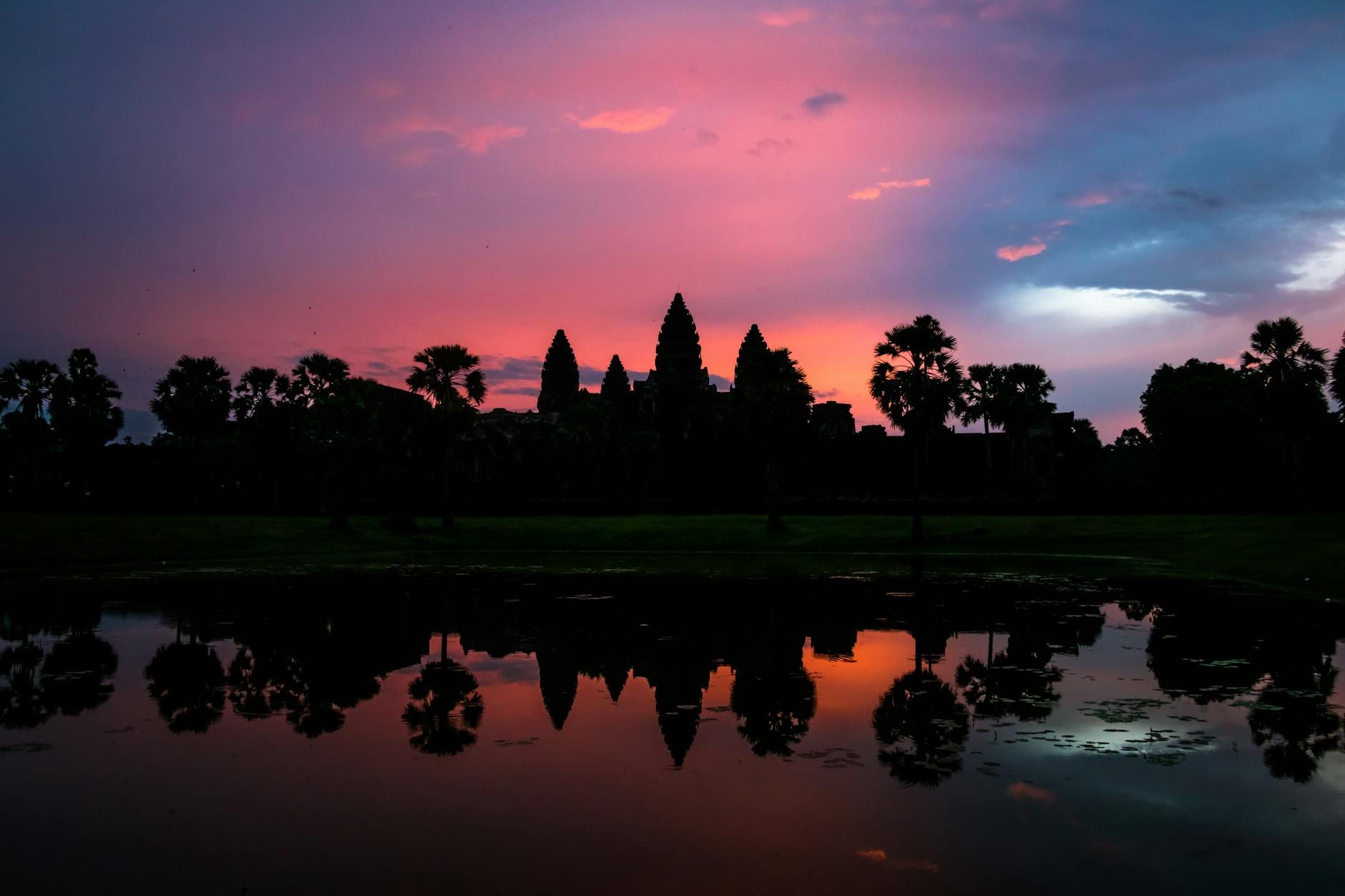
November to February is peak season — dry, cooler (25-30°C), and perfect for temple exploring. March to May is hot (35°C+) but less crowded. The wet season (June to October) means afternoon downpours, but mornings are usually clear, crowds thin out, and everything's lush and green. Angkor Wat in the rain has its own drama. Just pack a poncho.
Do I need travel insurance for Cambodia?
Absolutely. Medical facilities outside Phnom Penh are basic, and serious cases require evacuation to Bangkok or Singapore. Make sure your policy covers Cambodia specifically, includes medical evacuation, and doesn't exclude motorbike riding if you're planning to hire a scooter (most policies do, so read the fine print).
Can I use Australian dollars in Cambodia?
US dollars are the unofficial second currency — ATMs dispense USD, most hotels and restaurants accept it, and prices are often quoted in dollars. You'll get riel (the local currency) as change for small amounts. Australian dollars aren't widely accepted, so withdraw USD from ATMs or exchange AUD to USD before you arrive. Cards work in cities but carry cash for rural areas.
Is Cambodia suitable for families with kids?
Yes, particularly Siem Reap and Sihanoukville/the islands. Kids love exploring Angkor Wat (though it involves a lot of walking — bring snacks and breaks), and beach destinations like Koh Rong offer safe swimming and snorkelling. Just be mindful of food hygiene (stick to busy restaurants), bring mosquito repellent, and consider shorter temple tours for younger children. Many resorts have pools and family rooms.
How far in advance should I book accommodation in Cambodia?
Peak season (November–February) can book out, especially around Christmas and Lunar New Year, so 2–3 months ahead is smart. Shoulder and wet season? You can book closer in, though popular Siem Reap properties still fill up. Via Resorts lets you secure today with a deposit from $100 AUD and pay the rest later — handy if you want to lock in rates without committing full payment upfront.
Do I need a visa for Cambodia?
Yes, Australians need a visa. You can get a 30-day tourist e-visa online before departure (around USD $36, processed in 3 business days) or a visa on arrival at airports and land borders (USD $30 plus a passport photo). The e-visa is smoother — less queuing, less chance of "facilitation fees" at the border.
What vaccinations do I need for Cambodia?
The standard ones: Hepatitis A, Typhoid, and make sure your routine jabs (MMR, tetanus) are current. Hepatitis B, Rabies, and Japanese Encephalitis are recommended if you're spending extended time in rural areas. Malaria risk exists in remote regions (not Phnom Penh or Siem Reap), so chat to your GP about prophylaxis if you're heading bush. Yellow fever isn't required unless you're coming from an endemic country.
Next Steps
Ready to start planning your Cambodia adventure? Browse our handpicked collection of hotels and resorts across Siem Reap, Phnom Penh, and Sihanoukville — secure your accommodation with a deposit from as little as $100 AUD, then book your flights separately when you're ready to lock in the dates that work for you.