

Choosing when to visit Bali can make or break your holiday — and for Australians, timing matters more than you might think. While Bali sits just a few hours from our doorstep, its tropical climate means the difference between endless sunshine and soggy afternoons, between crowded beaches and peaceful sunsets, and between peak-season prices and genuine value. Whether you're chasing perfect diving conditions, planning a romantic escape, or coordinating school holidays with decent weather, understanding Bali's seasonal quirks will help you book smarter and holiday better. This guide breaks down exactly when to go based on what matters most to you — weather, crowds, pricing, and those specific experiences that make Bali worth the trip.
| Reading time: 13 mins | Written by Via Resorts Team
- Bali's Weather Patterns: Dry Season vs Wet Season
- Month-by-Month Guide: When to Book for What You Want
- Best Time for Specific Bali Experiences
- How to Decide: Matching Your Travel Style to Bali's Seasons
- How Booking Works
- Why Book Your Bali Accommodation with Via Resorts
- FAQ
- When is the cheapest time to visit Bali from Australia?
- How far in advance should I book my Bali accommodation?
- Is Bali good for families year-round?
- What's the minimum deposit to secure a Bali booking?
- Can I visit Bali during wet season and still have a good holiday?
- How many days should I spend in Bali?
- Next Steps
Bali's Weather Patterns: Dry Season vs Wet Season
Bali sits just eight degrees south of the equator, which means it's warm year-round — you won't need to pack a jumper. The island follows a tropical climate with two distinct seasons: the dry season (roughly April through September) and the wet season (October through March). Understanding what these actually mean on the ground will help you decide when to book.
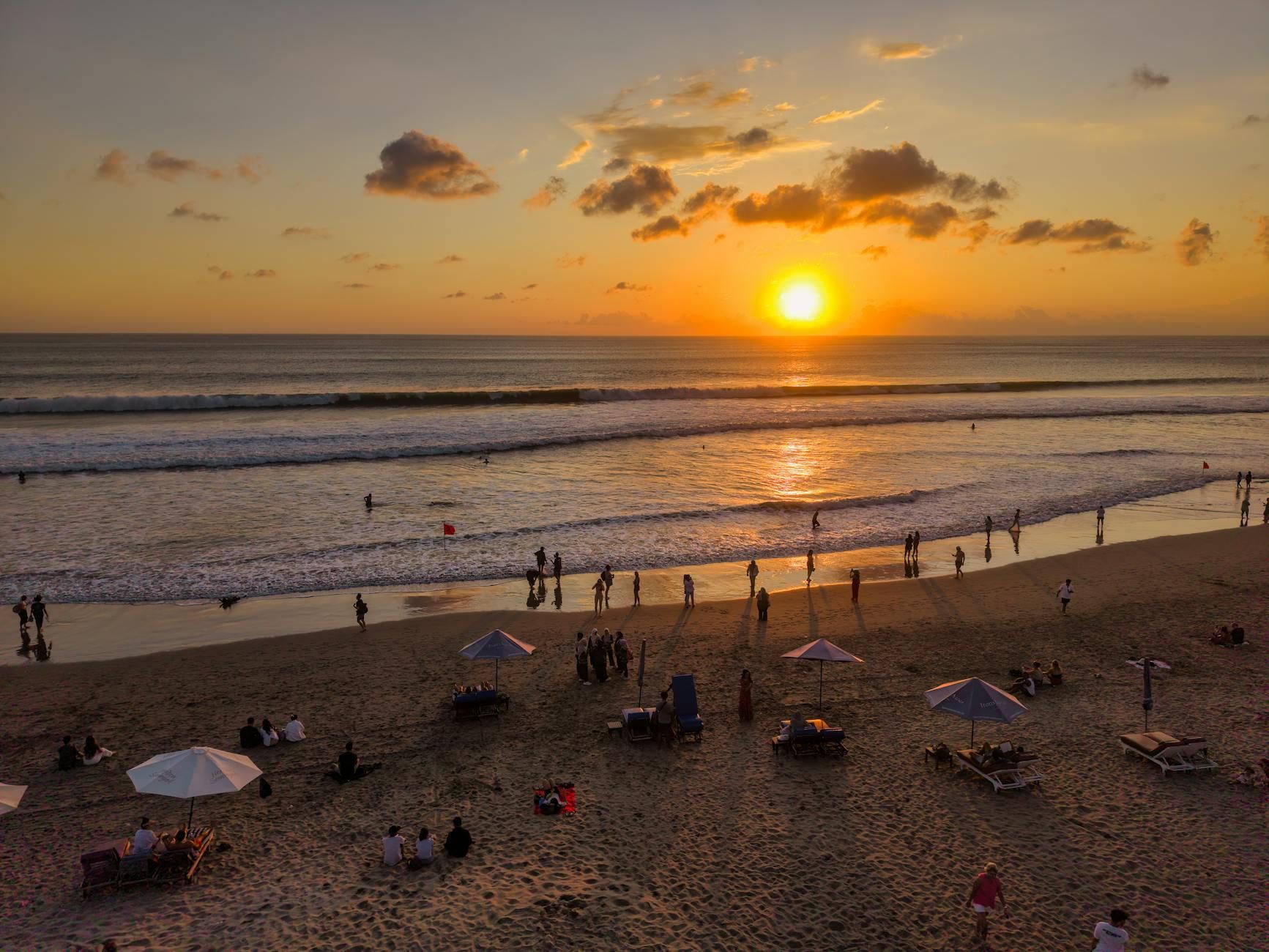
The Dry Season (April–September) brings reliably sunny days with temperatures hovering between 27–30°C. Humidity drops to more comfortable levels (around 60–70%), and rainfall is minimal — you might see a brief shower once a week, if that. This is Bali's peak tourist season for good reason: beach days are predictable, sunset sessions at beach clubs go uninterrupted, and you can plan activities without weather backup plans. The trade-off? Expect higher accommodation rates and busier beaches, particularly in July and August when Australian school holidays coincide with European summer.
The Wet Season (October–March) gets an unfairly harsh reputation. Yes, it rains — but not the way you might imagine. Temperatures stay warm (26–29°C), but humidity climbs noticeably (75–85%), making it feel stickier. Rain typically arrives as heavy afternoon or evening downpours that last 1–3 hours, then clear. You'll rarely lose an entire day to weather. Mornings often dawn clear and sunny, perfect for temple visits or rice terrace walks before the clouds build.
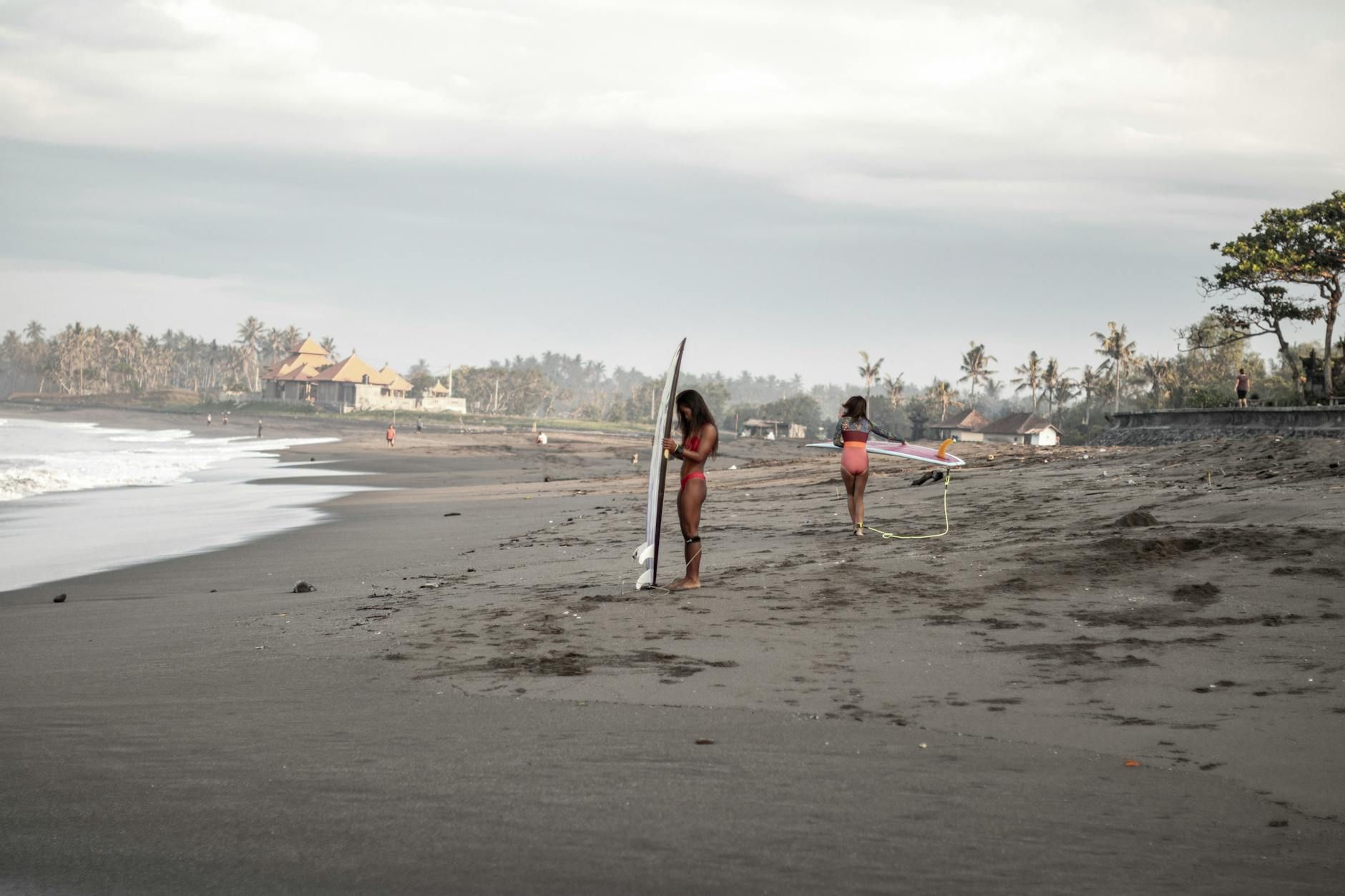
January and February see the heaviest rainfall, with occasional all-day drizzle. But here's the honest truth: wet season offers significantly lower accommodation rates (sometimes 30–40% cheaper), emptier beaches, and lush, vibrant landscapes. If you're flexible with activities and don't mind the odd downpour interrupting your beach time, you can secure exceptional value. Families on tight budgets or couples chasing affordable luxury often find wet season delivers the better overall experience — you just need to pack a light rain jacket and adjust expectations accordingly.
Month-by-Month Guide: When to Book for What You Want
Bali's appeal shifts dramatically throughout the year, and timing your trip right can mean the difference between battling queues at Tanah Lot and having that beachfront villa practically to yourself. Here's what each month actually looks like on the ground.

January kicks off wet season proper, but don't write it off. Rain typically arrives in late afternoon downpours rather than all-day drizzle, and you'll find accommodation rates 30–40% lower than peak periods. Perfect for couples chasing value who don't mind ducking indoors for a massage when the storms roll in. Avoid the first week though — New Year sees lingering crowds and inflated pricing.
February brings Chinese New Year chaos (dates vary, usually late January to mid-February). Hotels in Seminyak and Ubud book out months ahead, and popular restaurants require reservations. If you're not bothered by crowds, the cultural festivities are genuinely spectacular. If you are bothered, pick literally any other month.
March is wet season's last hurrah and honestly one of Bali's best-kept secrets. The island is lush and green, crowds thin out post-Chinese New Year, and you'll snag shoulder-season pricing without the June-July Australian school holiday rush. Rain's still a daily occurrence, but humidity starts dropping.
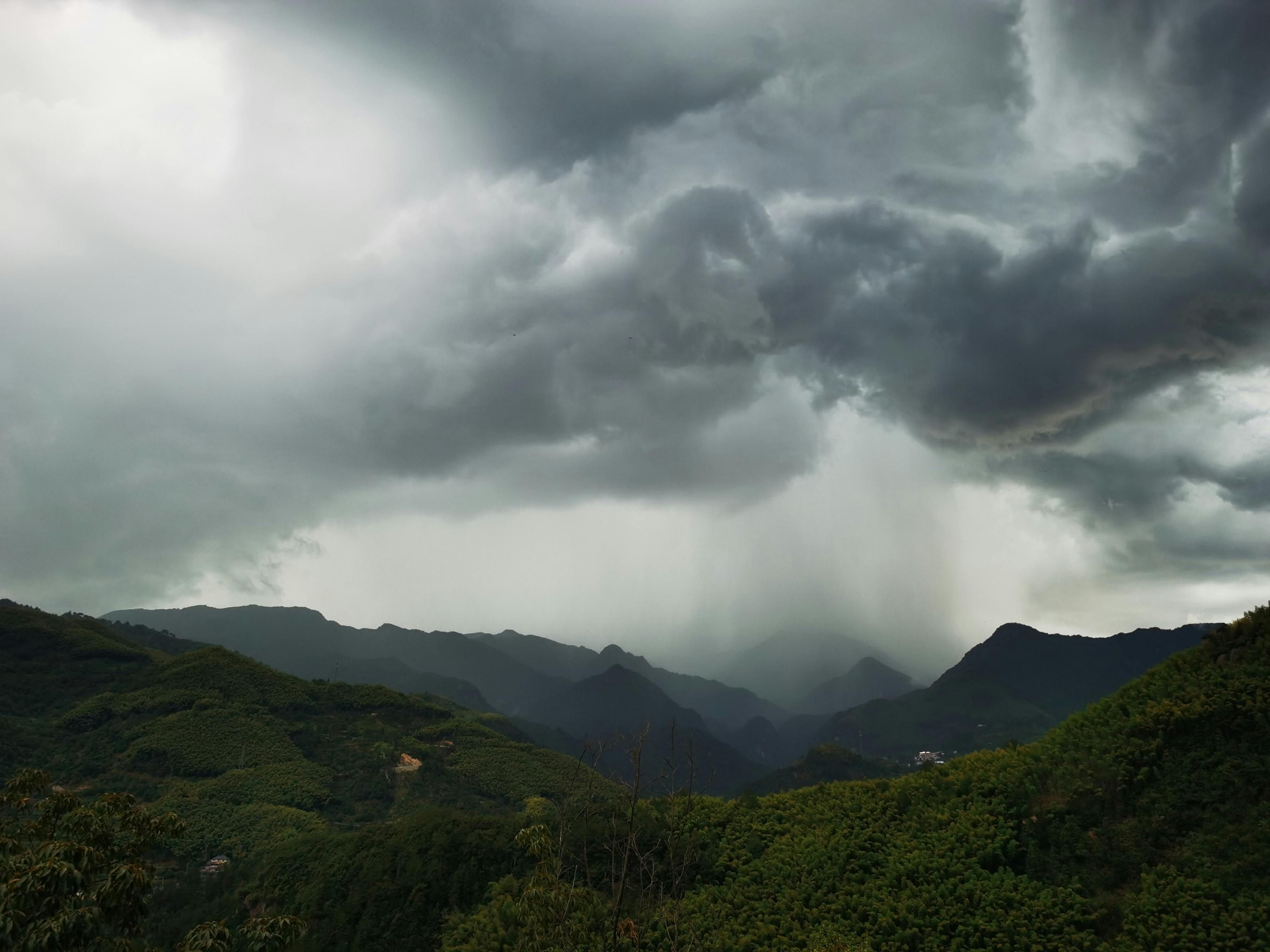
April marks the sweet spot between seasons. Weather's improving, Australian Easter holidays bring a brief spike in visitors (book early for the two-week window around Easter), then everything quietens down beautifully. You'll pay more than wet season but less than the winter peak ahead.
May delivers near-perfect conditions with minimal crowds. Rainfall drops significantly, humidity's comfortable, and you're beating the June rush by weeks. Couples without kids often consider this Bali's absolute best month — secure today, stay later makes sense here as availability tightens quickly.
June and July see Australian school holidays transform the island. Seminyak, Canggu, and family-friendly resorts in Nusa Dua hit capacity. If you're travelling with kids, book 4–6 months ahead and expect to pay peak-season rates. Solo couples might prefer waiting until August when families head home but weather remains excellent.
August maintains dry season reliability with slightly fewer Aussies around (though European summer holidays keep popular areas busy). Temperature and humidity sit in that Goldilocks zone — warm enough for beach days, cool enough for temple exploring.
September brings another Australian school holiday spike in the final two weeks. The first half of the month offers brilliant weather with moderate crowds. This is when savvy travellers who did their research tend to visit.
October starts Bali's transition toward wet season, though you'd hardly know it early in the month. By late October, afternoon showers become more common. Crowds thin out, pricing softens, and you'll find genuine availability without advance booking (though we'd still recommend securing your accommodation early — deposit from $100 holds your dates).
November is genuinely wet. Rain arrives more frequently and lasts longer than those brief March downpours. But if you're chasing villa deals and don't mind weather interruptions, you'll find some of the year's best value. Not ideal for beach holidays; perfect for spa-focused couples or anyone planning serious villa time.
December splits into two distinct periods. Early December offers last chance at reasonable rates before the Christmas/New Year surge absolutely hammers pricing and availability. From December 20 onward, expect premium rates, minimum stay requirements (often 5–7 nights), and booking competition from Australians, Europeans, and Americans simultaneously. If December's your only option, secure accommodation 6+ months ahead.
Best Time for Specific Bali Experiences
Bali's microclimates and seasonal shifts mean the "best time" genuinely depends on what you're actually here to do. A surfer chasing barrels at Uluwatu has completely different timing needs than a couple wanting dreamy rice terrace photos or divers hoping for crystal-clear visibility around Nusa Penida.
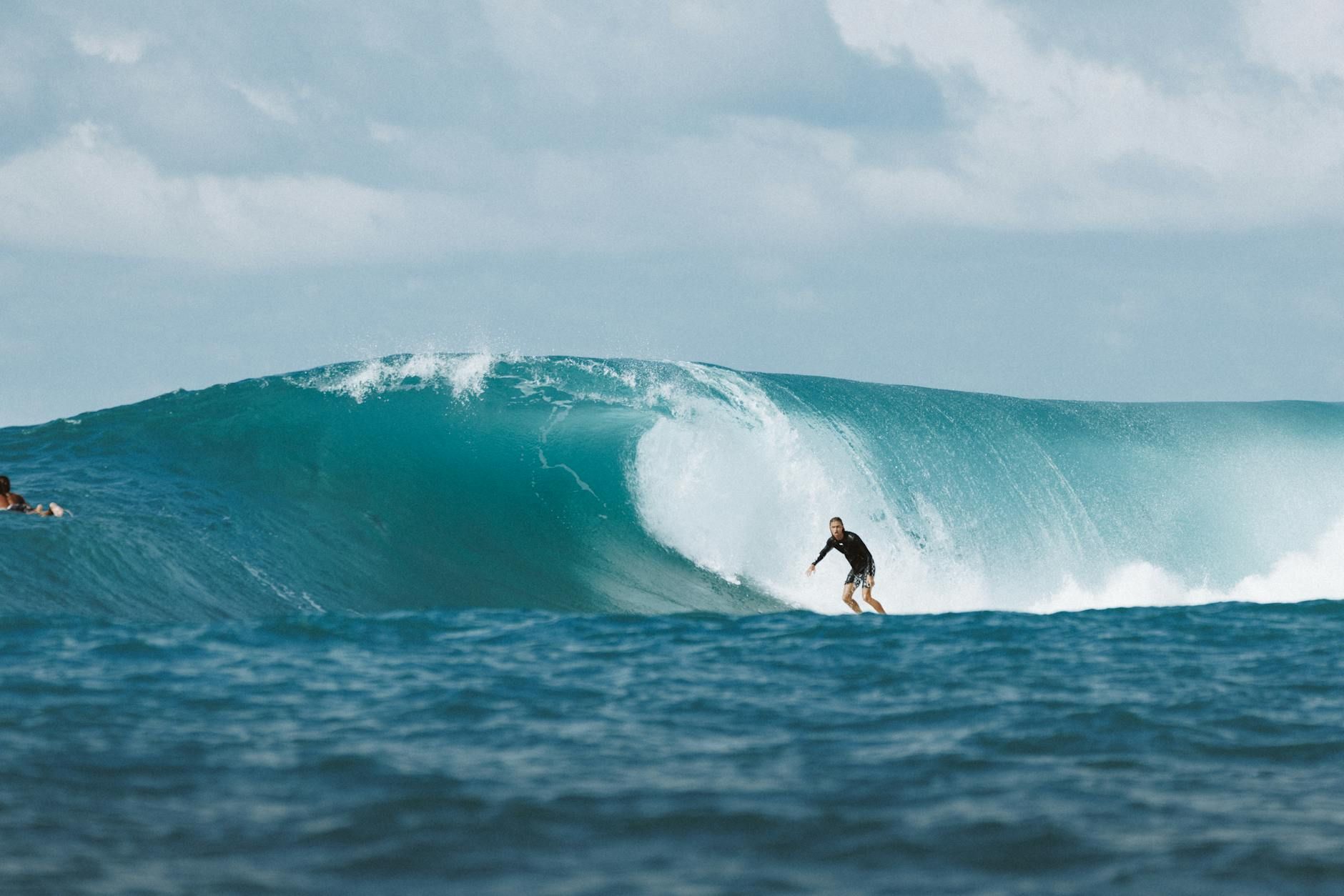
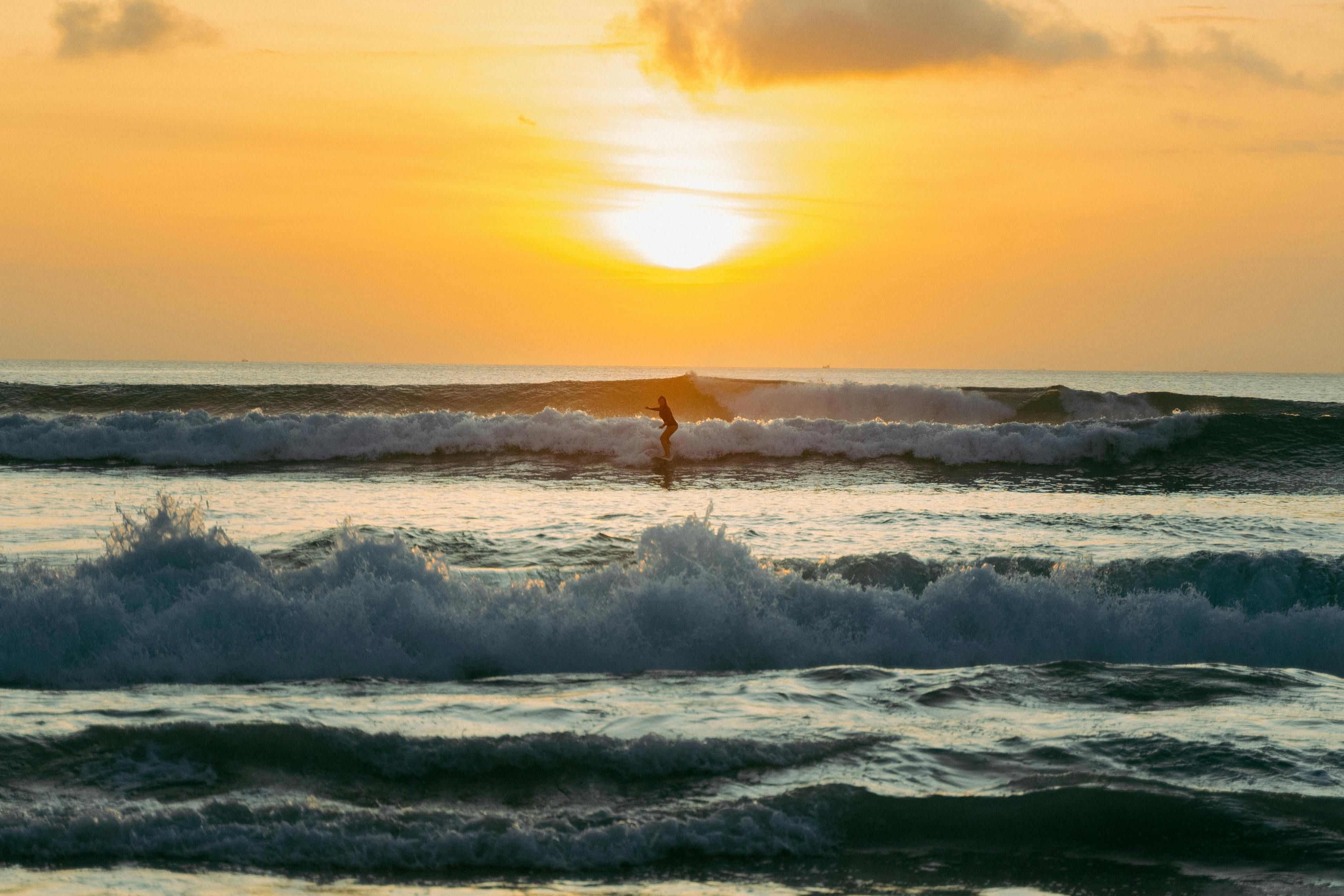
Surfing: The west coast breaks (Uluwatu, Padang Padang, Bingin) fire during the dry season (May–September) with consistent swells and offshore winds. Trade-off? They're packed. East coast spots like Keramas work better in the wet season (November–March), and Canggu sits somewhere in between — rideable year-round but best April–October. If you're learning, aim for shoulder seasons (April–May, September–October) when swells are gentler and crowds thinner.
Diving and snorkelling: Visibility peaks during dry season (June–September), particularly around Nusa Penida, Amed, and Tulamben. Water's calmer, clearer, and you'll have better odds with manta rays. Wet season diving isn't impossible, but currents strengthen and viz drops — not ideal if you've travelled this far.
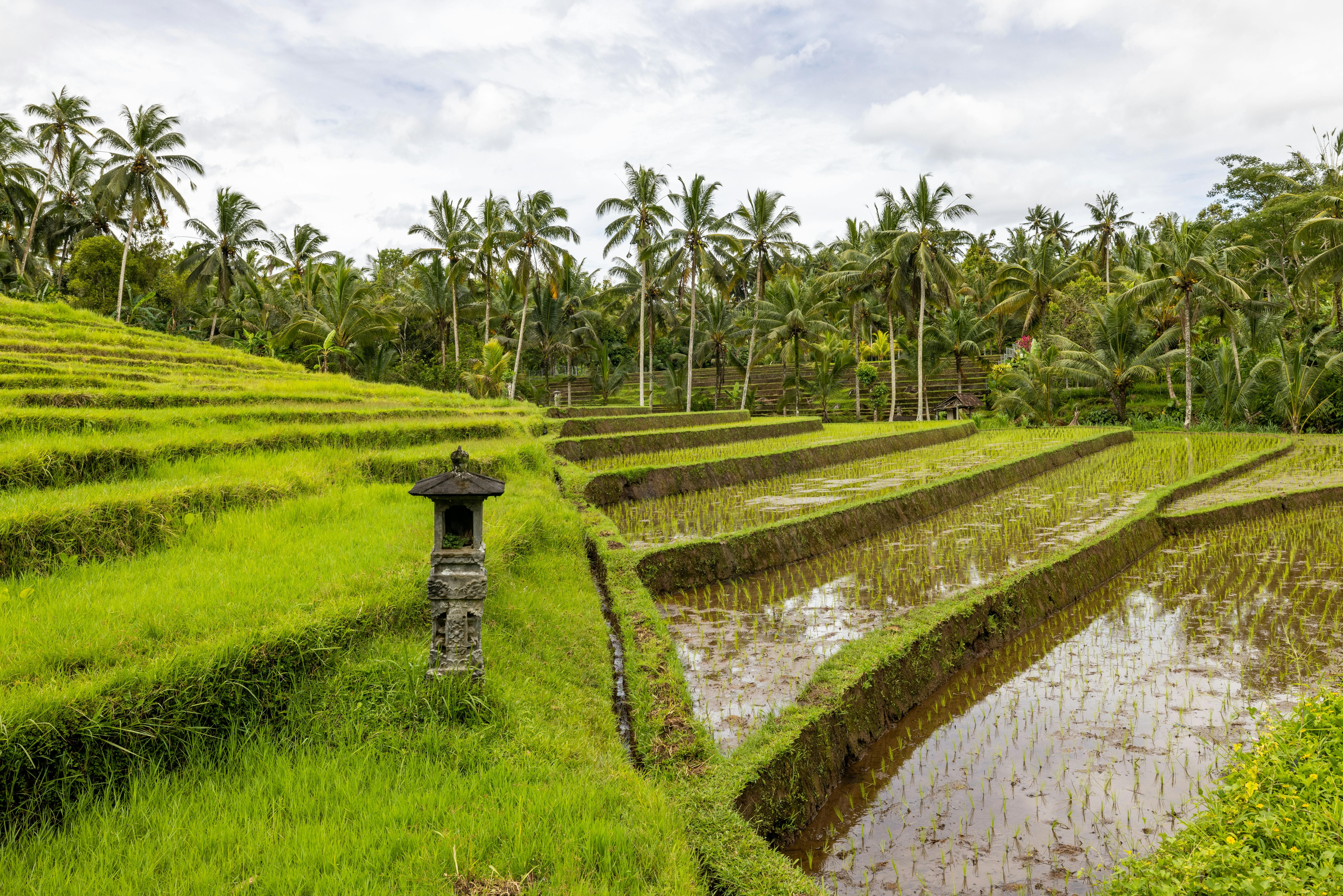
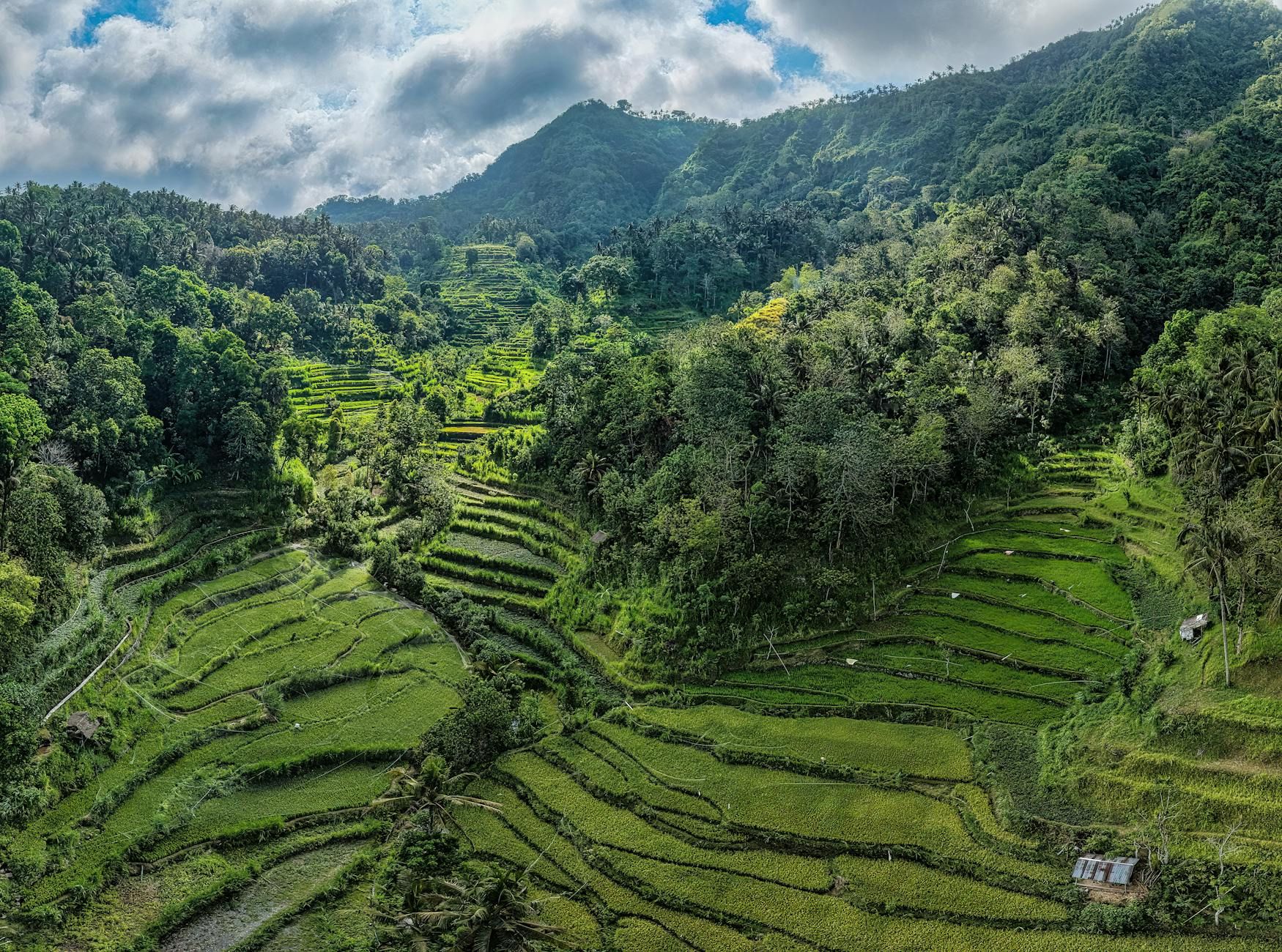
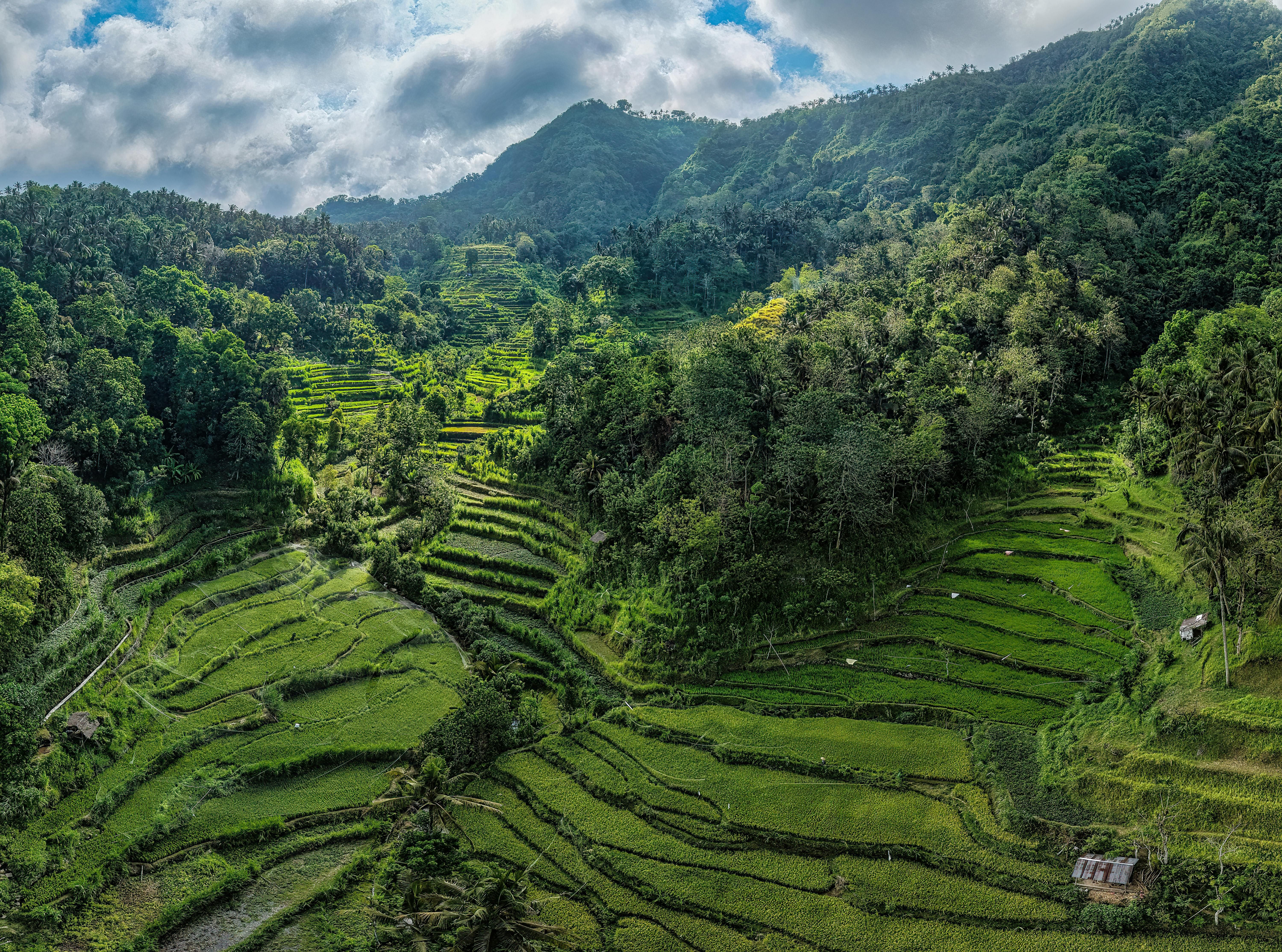
Rice terrace photography: The postcard-green terraces around Tegallalang and Jatiluwih look their luminous best just after wet season (March–May), when paddies are freshly planted and brilliantly verdant. By August they're harvested and brown — still beautiful, just different. Golden hour is your friend year-round.

Temple ceremonies and cultural events: Major festivals follow the Balinese calendar (210 days), so timing's tricky. Galungan and Kuningan (every 210 days) see spectacular temple decorations and processions — worth planning around if culture's your focus. Nyepi (Balinese New Year, usually March) shuts down the entire island for a day of silence — magical if you're prepared, frustrating if you're not.
Yoga retreats and wellness: Ubud's wellness scene thrives year-round, but April–May and September–October offer ideal conditions — warm but not stifling, fewer crowds, lower accommodation rates. Beach clubs in Seminyak and Canggu hit peak stride during dry season (June–August), though shoulder months deliver the vibe without the shoulder-to-shoulder crowds.
How to Decide: Matching Your Travel Style to Bali's Seasons
The "best" time to visit Bali isn't about finding a perfect month on a calendar — it's about understanding what matters most to you. A beach-obsessed couple will make completely different choices than parents with school-age kids or travellers chasing the best villa rates. Here's how to match Bali's seasonal patterns to your actual priorities.
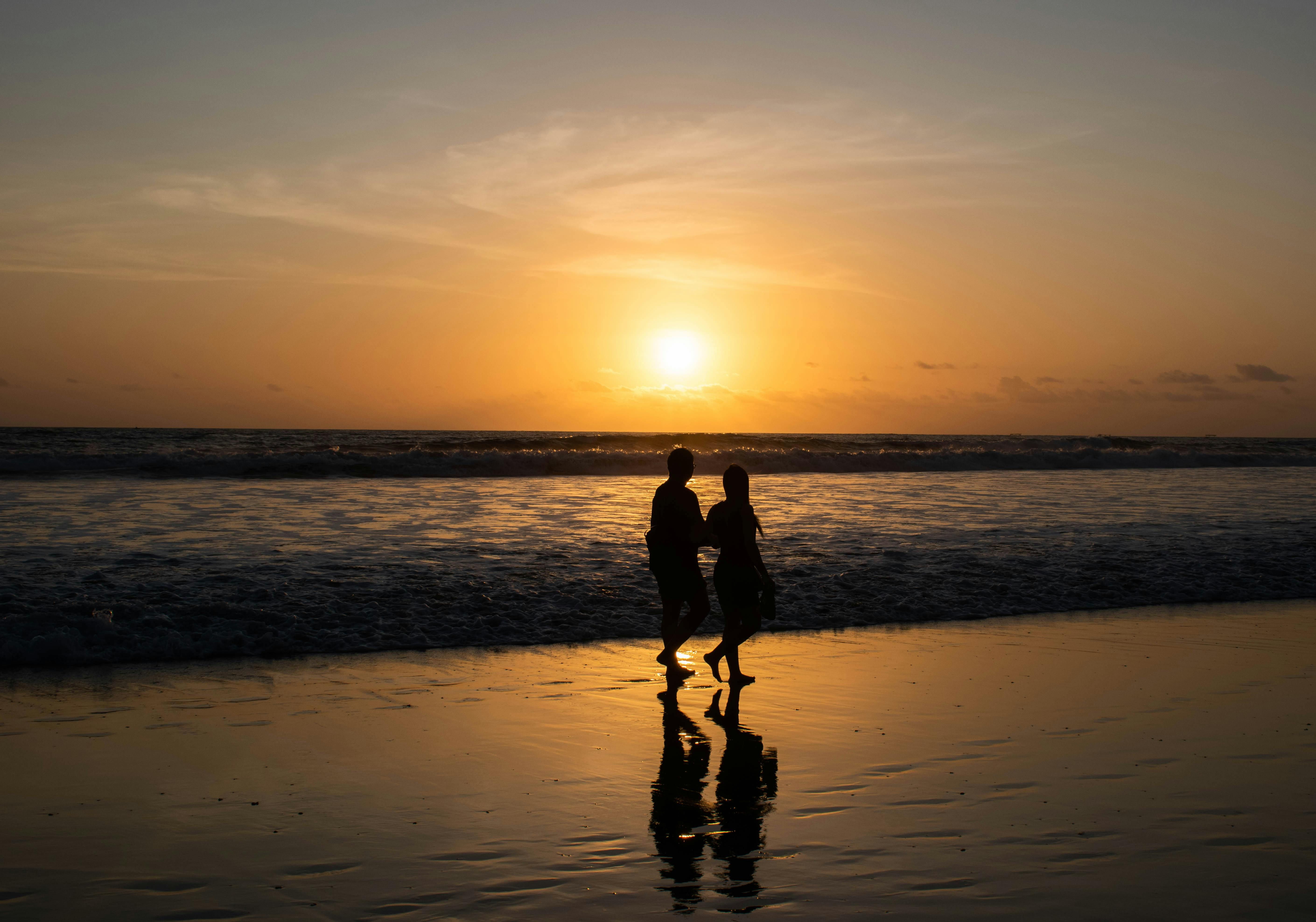
Start with your non-negotiables. If you're tied to Australian school holidays, you're looking at late June–July or mid-December–January regardless of weather. If you absolutely need guaranteed sunshine for a milestone anniversary trip, May–September becomes your window. If budget is the deciding factor and you don't mind occasional afternoon rain, February–March and October–November offer the sweet spot between value and decent conditions.
Weather risk tolerance matters more than you think. Some travellers genuinely don't mind ducking inside for an hour when a tropical downpour hits — especially if they're saving 30% on accommodation. Others find wet season humidity and grey skies genuinely stressful, even if it only rains at night. Be honest about which camp you're in. If weather uncertainty ruins your holiday mood, pay the premium for dry season peace of mind.
Match activities to seasons strategically. Planning serious diving or snorkelling? Dry season's clear water (especially April–June and September) is worth the crowd trade-off. Focused on wellness retreats, cooking classes, and villa time? Shoulder seasons deliver the same experience with better availability and prices. Surfing on the Bukit Peninsula? Dry season brings consistent swells. Beach clubs and day drinking? You'll want minimal rain risk.

The couple versus family calculation. Couples have maximum flexibility — you can chase shoulder season value, visit mid-week to avoid weekend crowds, or splurge on peak season if that's when leave aligns. Families are constrained by school calendars, which unfortunately means premium pricing and crowds. The upside? July and December–January deliver the most reliable weather, so you're paying for reduced risk rather than just popularity.
Booking windows and securing rates early. Here's where Via's deposit model becomes genuinely useful during the planning phase. If you're eyeing dry season dates (especially July or August), locking in rates 4–6 months ahead protects you from price creep as availability tightens — and you can secure premium properties before they sell out. Deposit from as little as $100 AUD, then pay the balance closer to travel. For shoulder season trips, 2–3 months out usually offers the best selection without requiring super-early commitment.
How Booking Works
Via Resorts' "hold today, travel later" model works brilliantly when you're planning around Bali's seasonal swings. Secure your accommodation with a deposit from as little as $100 AUD, then pay the balance closer to your travel dates — helpful when you've spotted shoulder season availability but aren't ready to commit to flights.
Because we sell accommodation only, you've got complete flexibility to book flights when prices drop, use frequent flyer points, or grab last-minute deals during Bali's off-peak months. This separation also means you can confidently lock in that beachfront villa for dry season without the pressure of bundling everything at once. Book your flights separately when you're ready, on your terms.
Why Book Your Bali Accommodation with Via Resorts
We're an Australian-founded accommodation specialist with direct relationships with Bali's best properties — which means better rates and local support when you need it. You book flights your way (use your points, grab a sale, choose your preferred carrier), then secure your accommodation from as little as a $100 AUD deposit with our "hold today, travel later" model.
Our team knows Bali intimately and can help you match the right property to your travel dates and what you actually want from your trip — whether that's a beachfront villa during the dry season or a hillside escape when the crowds thin out. Plus, you've got Australian support before you go and local assistance once you're there.
FAQ
When is the cheapest time to visit Bali from Australia?
May, June, September and October typically offer the best value. You'll find lower accommodation rates (often 20-30% less than peak season), cheaper day tours, and better availability at popular restaurants and beach clubs. Avoid Australian school holidays and the June-August window when both Aussie and European travellers descend on the island.
How far in advance should I book my Bali accommodation?
For dry season travel (April-October), book 3-4 months ahead to secure your preferred properties at the best rates. Peak periods like Australian school holidays need 6+ months advance booking. If you're travelling during wet season (November-March), you can often book 4-6 weeks out and still find excellent availability. Via Resorts' deposit model lets you secure your accommodation from as little as $100 AUD, so you can lock in rates early without paying the full amount upfront.
Is Bali good for families year-round?
Yes, but with caveats. Dry season (April-October) is significantly easier with kids — less rain means fewer disrupted pool days and cancelled activities. The humidity during wet season can be challenging for young children, and afternoon downpours might derail beach plans. That said, November-March can work brilliantly for families with flexible schedules who don't mind the occasional rainy afternoon and want quieter beaches and pools.
What's the minimum deposit to secure a Bali booking?
Deposits start from $100 AUD with Via Resorts. This "secure today, stay later" approach means you can lock in your preferred dates and properties well in advance without frontal the full cost immediately — particularly useful during Bali's peak booking windows when the best villas and resorts fill quickly.
Can I visit Bali during wet season and still have a good holiday?
Absolutely. Wet season (November-March) isn't constant rain — it's typically short, heavy afternoon downpours with plenty of sunshine in between. You'll get significantly better value, quieter attractions, and lusher scenery. Just build flexibility into your plans, choose accommodation with good wet-weather facilities (covered dining, spa, indoor activities), and you'll likely have a brilliant time with far fewer crowds.
How many days should I spend in Bali?
Seven to ten days is the sweet spot for most Australian travellers. It gives you time to experience 2-3 different areas without feeling rushed — perhaps split between Seminyak's beach clubs and restaurants, Ubud's culture and rice terraces, and either Uluwatu's clifftop scenery or Canggu's laid-back surf vibe. Less than a week feels hurried given the travel time from Australia.
Next Steps
Now that you know when to book, it's time to lock in your ideal Bali escape. Via Resorts lets you secure accommodation with a deposit from as little as $100 AUD — so you can hold today's rate and travel when the timing's right for you. Browse our handpicked collection of Bali properties and start planning your trip.
You might also like



Frequently Asked Questions
Is Bali suitable for young children?
Yes, Bali is very family-friendly. Many resorts offer kids' clubs, shallow pools, and child-friendly menus. The Balinese and Thai cultures are notably welcoming to children. Pack essentials like sunscreen and insect repellent.
What family activities are available in Bali?
Options range from beach days and snorkelling to cultural experiences like temple visits and cooking classes. Water parks, animal sanctuaries, and rice field walks are popular with kids. Many hotels can arrange family-friendly day tours.
Are there good medical facilities in Bali for families?
Major tourist areas have international-standard clinics and hospitals. Travel insurance is essential — ensure your policy covers all family members and any activities you plan. Pharmacies are readily available for minor ailments.
What should families pack for Bali?
Essentials include high-SPF reef-safe sunscreen, insect repellent, a basic first-aid kit, lightweight clothing, and water shoes for rocky beaches. Nappies and formula are available locally but may be different brands than at home.
How do I get around Bali with kids?
Private car hire with driver is the most convenient option for families — affordable and eliminates the stress of navigating local traffic. Grab (ride-hailing) is available in most areas. Avoid scooters with children.