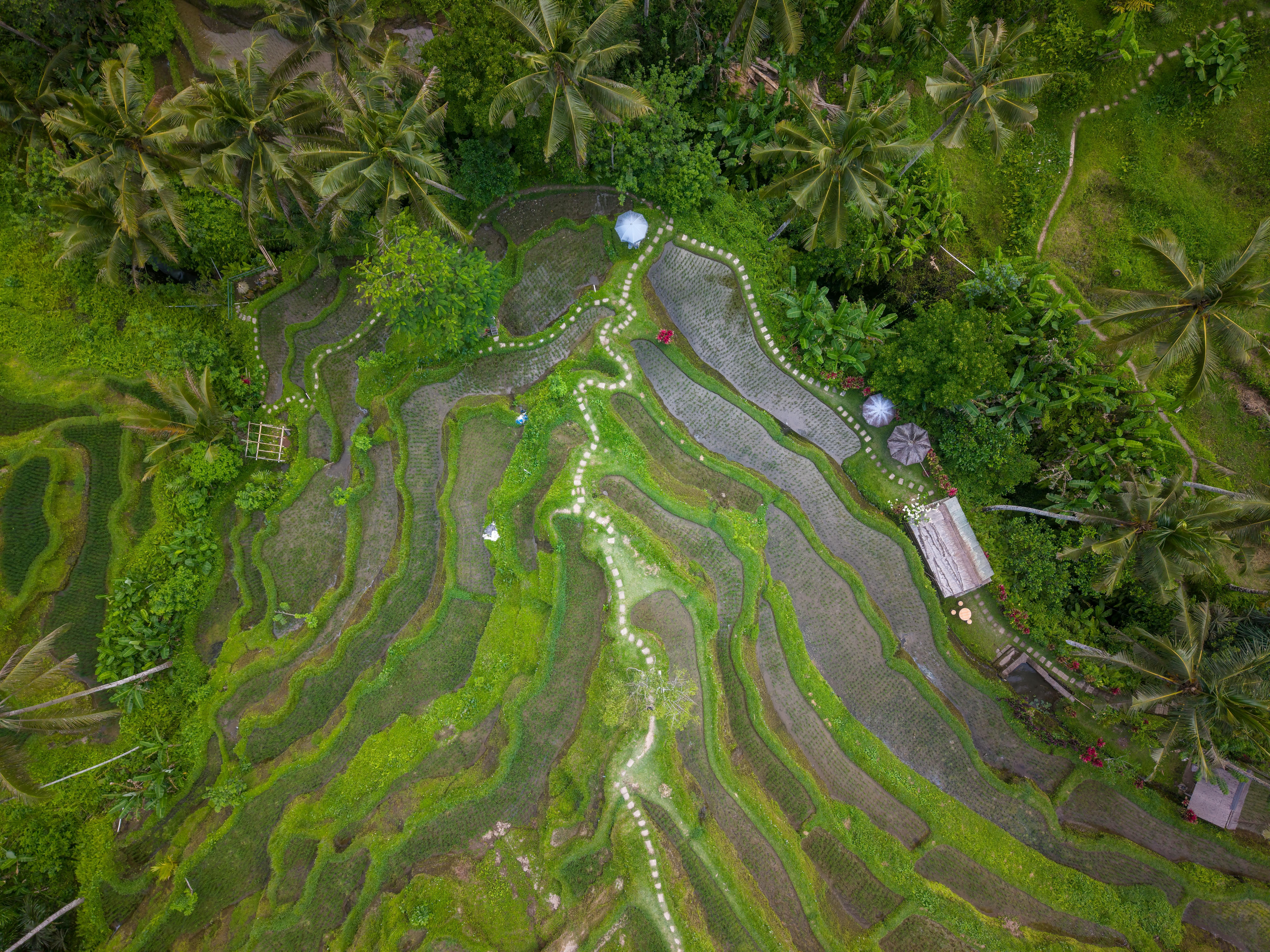
Pick Bali if you want stunning beaches, world-class surfing, incredible value accommodation, and seamless luxury on a shorter trip (5–7 days works beautifully). It's also unbeatable for couples seeking romantic resorts and wellness retreats.
Pick Vietnam if you're chasing cultural depth, dramatic landscapes beyond beaches, authentic street food adventures, and have 10+ days to explore multiple regions. Better for travellers who prioritise exploration over relaxation, and families wanting educational experiences alongside beach time.
Budget? Bali edges ahead slightly for luxury-per-dollar, especially in accommodation. Vietnam wins for dirt-cheap street eats and internal transport, though resort pricing is comparable. Both offer exceptional value compared to European or Pacific Island destinations — you're genuinely splitting hairs here for Aussie travellers.
Climate and Weather: Which Destination Suits Your Travel Style?
Here's where these two destinations couldn't be more different — and it matters more than you'd think when you're planning your escape from Australian winter (or summer, for that matter).
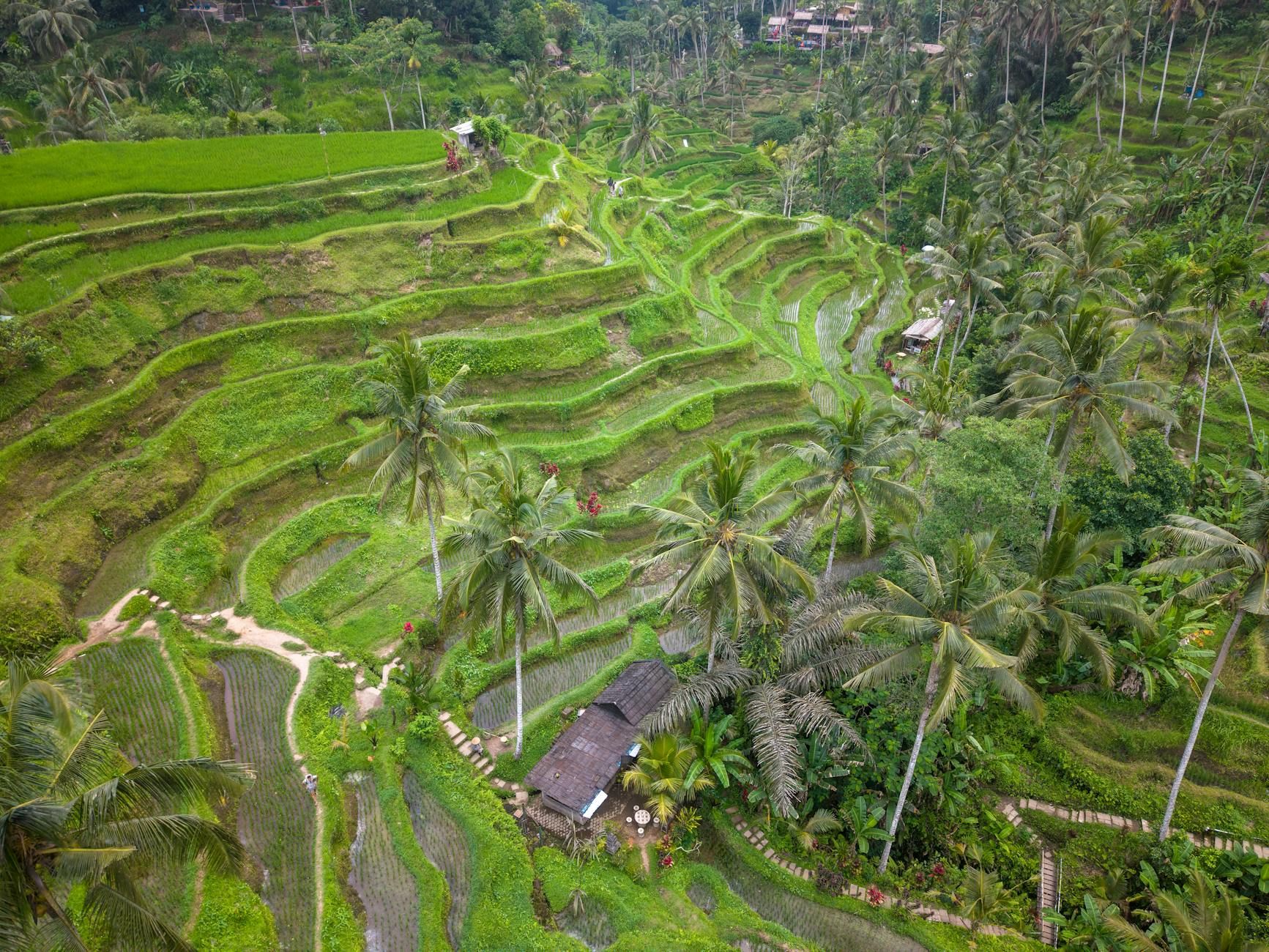
Bali delivers the tropical consistency most Aussies picture when they're dreaming of a holiday. You've got two main seasons: dry (April to October) and wet (November to March). But here's the thing — even the wet season isn't a write-off. You'll get afternoon downpours rather than days of grey drizzle, and the island stays warm year-round, hovering between 26-30°C. The humidity is real though, sitting around 75-85% most of the year. If you wilt in sticky weather, the dry season is your friend.
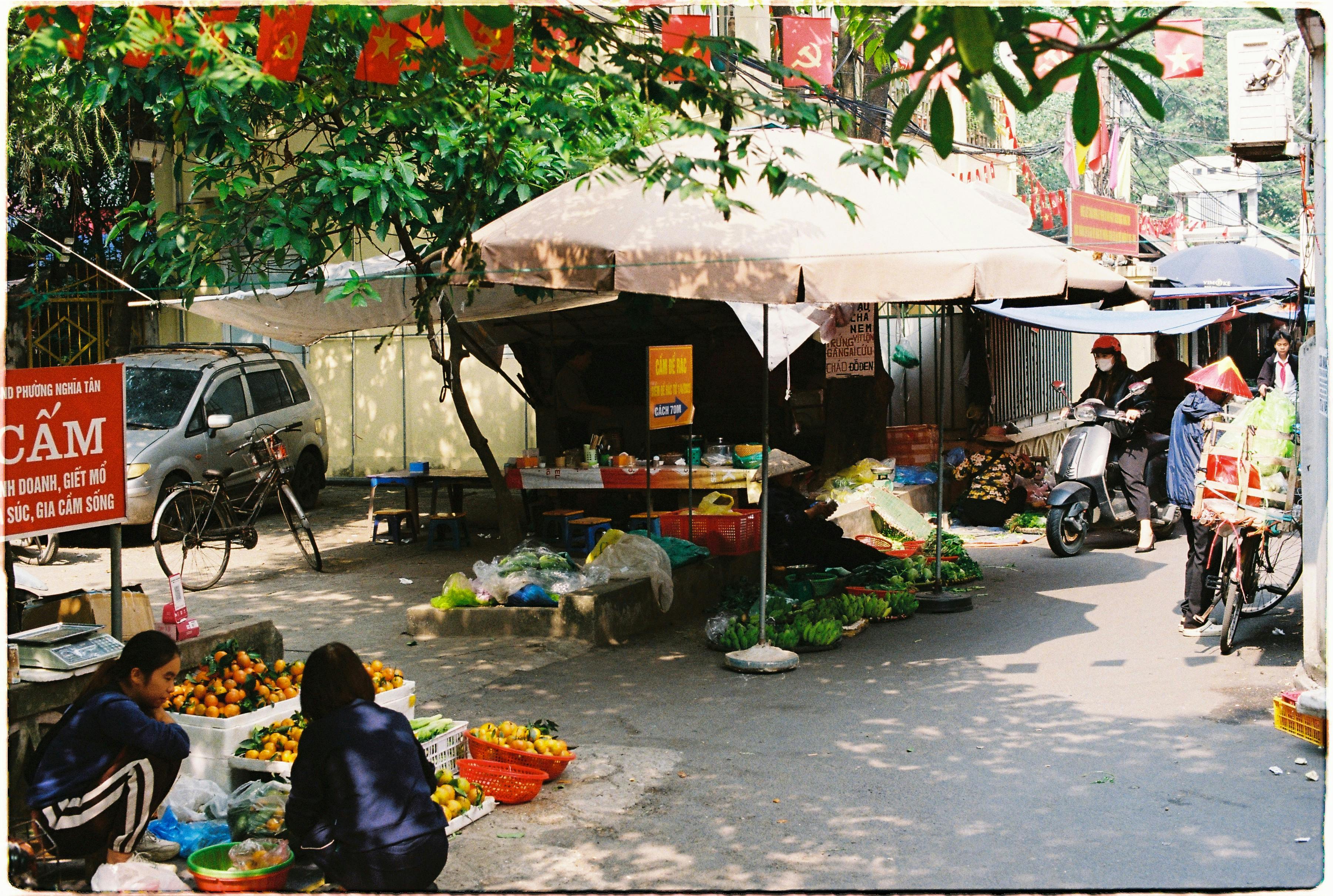
Vietnam, on the other hand, is like three different countries stacked on top of each other climate-wise. Hanoi and the north get actual winters — we're talking 15-20°C from December to February, sometimes even cooler in the mountains. Central Vietnam (Hoi An, Da Nang) catches the worst of the wet season from September to December, with proper flooding that can genuinely disrupt your plans. Then down south in Ho Chi Minh City and the Mekong Delta, it's tropical like Bali, with the wet season running May to November.
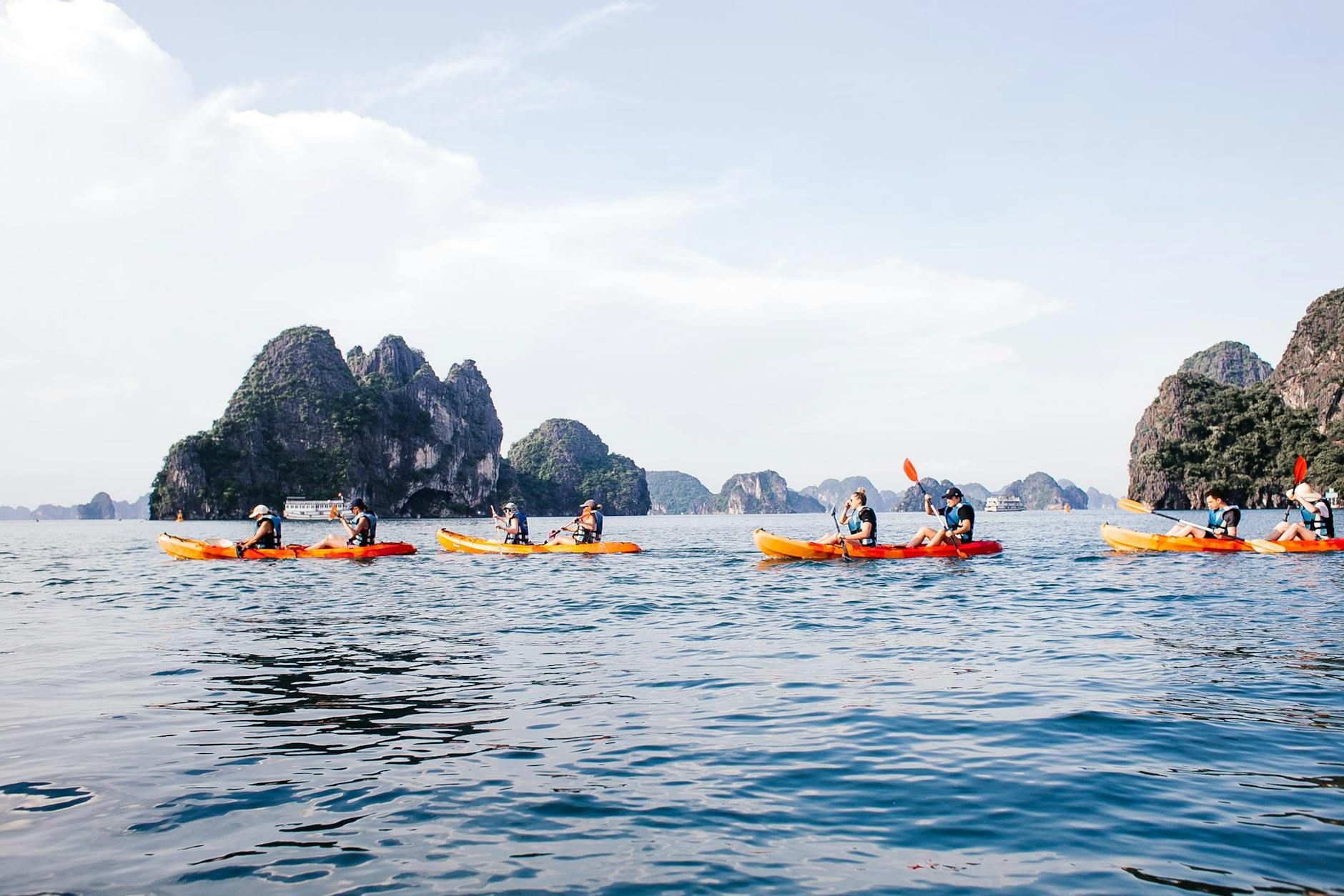
Photo by Son Tung Tran on Pexels
This split personality means Vietnam requires more strategic planning. Beach holiday in Da Nang? Go between February and May. Exploring Hanoi's Old Quarter? The cooler, drier months (October to April) are glorious for walking around. Want to tick off the whole country? You're looking at March to April as your sweet spot, though you'll pay peak-season rates.
For couples chasing that classic beach-and-pool holiday, Bali's predictable dry season is hard to beat. Book between May and September, and you're almost guaranteed endless blue skies. Vietnam rewards the more adventurous traveller who's happy to work around regional weather patterns — and honestly, the payoff is worth it. That said, if you're the type who gets genuinely grumpy in humidity, Vietnam's north during winter might actually suit you better than Bali ever will.
The practical reality? Bali's weather is more forgiving if you're booking well in advance and can't be flexible. Vietnam demands a bit more homework, but offers more climate diversity for travellers who prefer 25°C and breezy over 30°C and sticky.
Budget Breakdown: Where Your Australian Dollar Goes Further
Let's cut through the "Southeast Asia is cheap" generalisation with real numbers. Both Bali and Vietnam offer excellent value compared to Australian prices, but they deliver that value differently — and understanding where each destination shines can add hundreds of dollars back into your holiday fund.
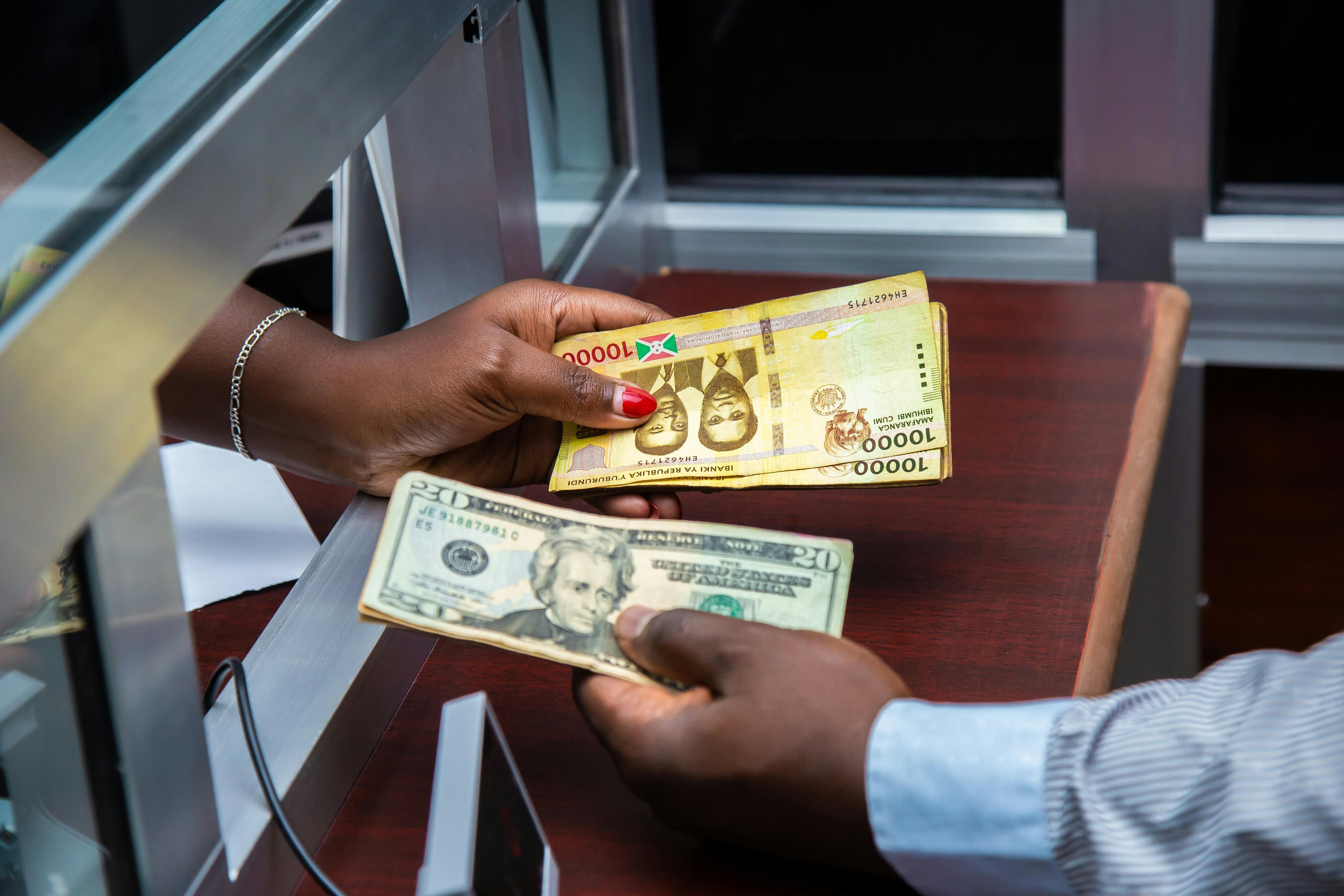
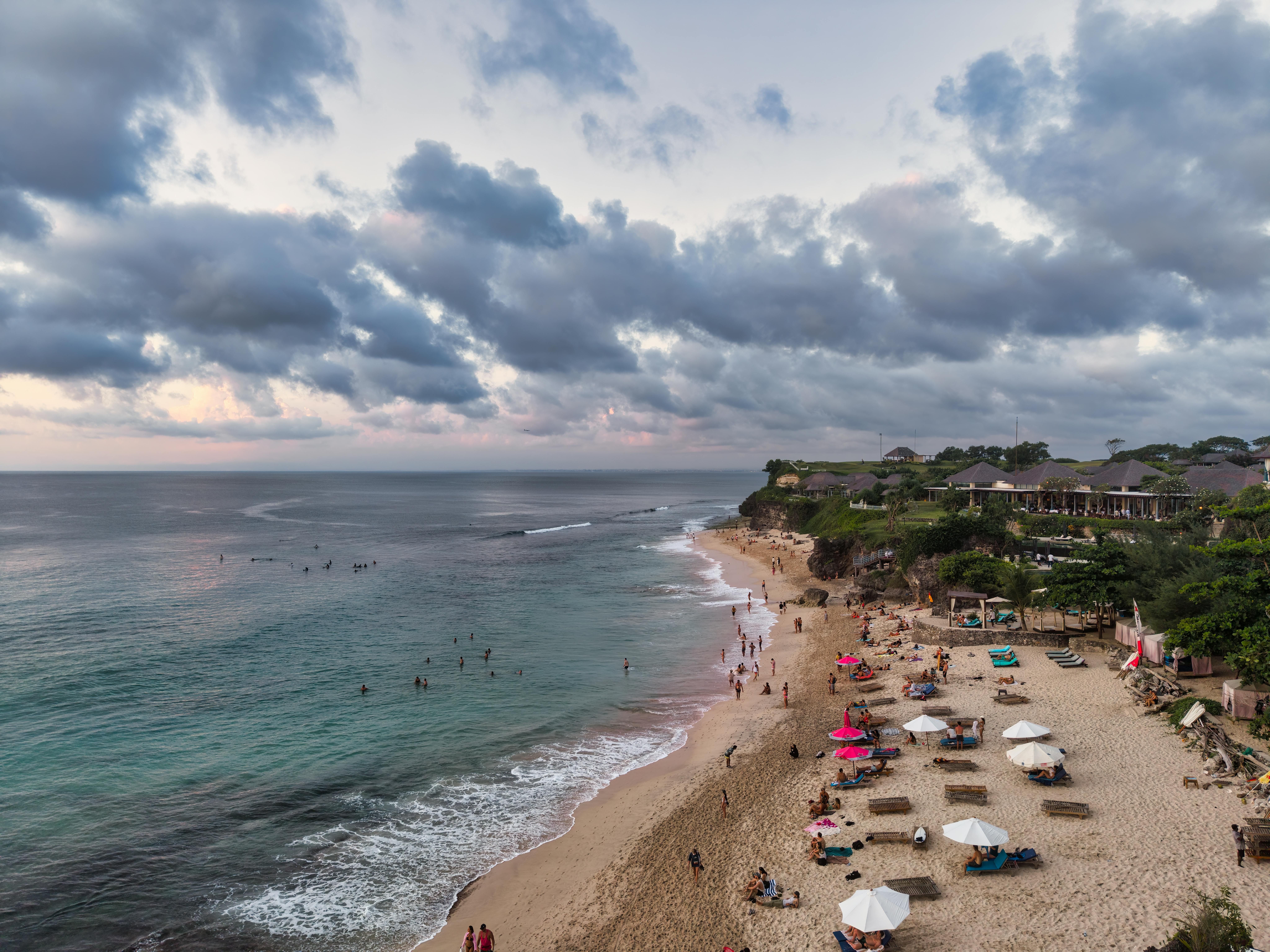
Photo by Karen Laårk Boshoff on Pexels
Accommodation: Bali Commands a Premium
For 4-5 star properties, Bali typically runs 20-30% higher than comparable Vietnamese resorts. A quality beachfront villa in Seminyak or Ubud averages $180-280 AUD per night, while an equivalent property in Da Nang or Hoi An sits around $120-200 AUD. Nusa Dua pushes even higher at $250-350+ for established resorts. Vietnam's newer tourism infrastructure means you're often getting more modern amenities for less — renovated properties with contemporary design rather than Bali's sometimes-dated resort stock. The trade-off? Bali's accommodation character often wins on atmosphere and thoughtful Balinese design touches.
Meals and Drinks: Vietnam Edges Ahead
This is where Vietnam quietly outperforms. A quality restaurant meal in Vietnam runs $12-25 AUD per person, compared to $18-35 in Bali's tourist areas. Beers sit at $2-4 AUD in Vietnam versus $5-8 in Bali beach clubs. Street food and local warungs narrow the gap (both under $8 AUD), but most Australian travellers mix local spots with nicer dinners — and that's where Vietnam's prices feel genuinely lower. Bali's infamous tourist-area markup means you'll pay Sydney prices in Seminyak, while Hoi An's riverside restaurants remain refreshingly reasonable.
Activities and Transport: Depends on Your Style
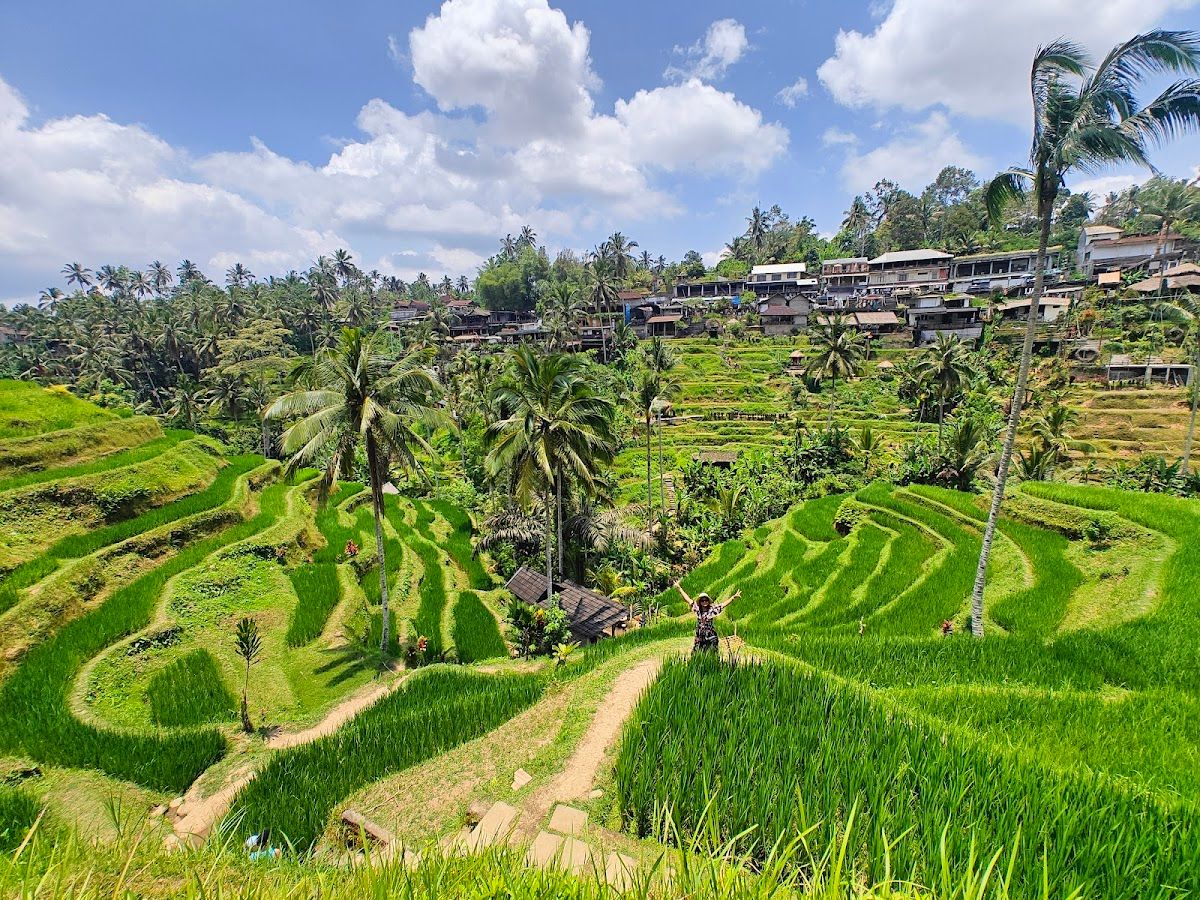
Day trips and tours cost similarly — $50-90 AUD for organised excursions in both destinations. Bali's compact south means cheap Grab rides ($3-8 AUD), while Vietnam's spread-out attractions require longer transfers. Where Vietnam saves you money: entry fees. Temples and attractions cost $1-5 AUD versus Bali's $5-15 gate prices. Spa treatments slightly favour Vietnam ($30-60 vs $40-80 for equivalent quality). The honest bottom line: Resort-hoppers might spend similarly in both destinations. Active explorers doing multiple paid attractions will find Vietnam 15-20% cheaper overall. Neither will break the bank, but Vietnam stretches your dollar further without compromising on the four-star experience.
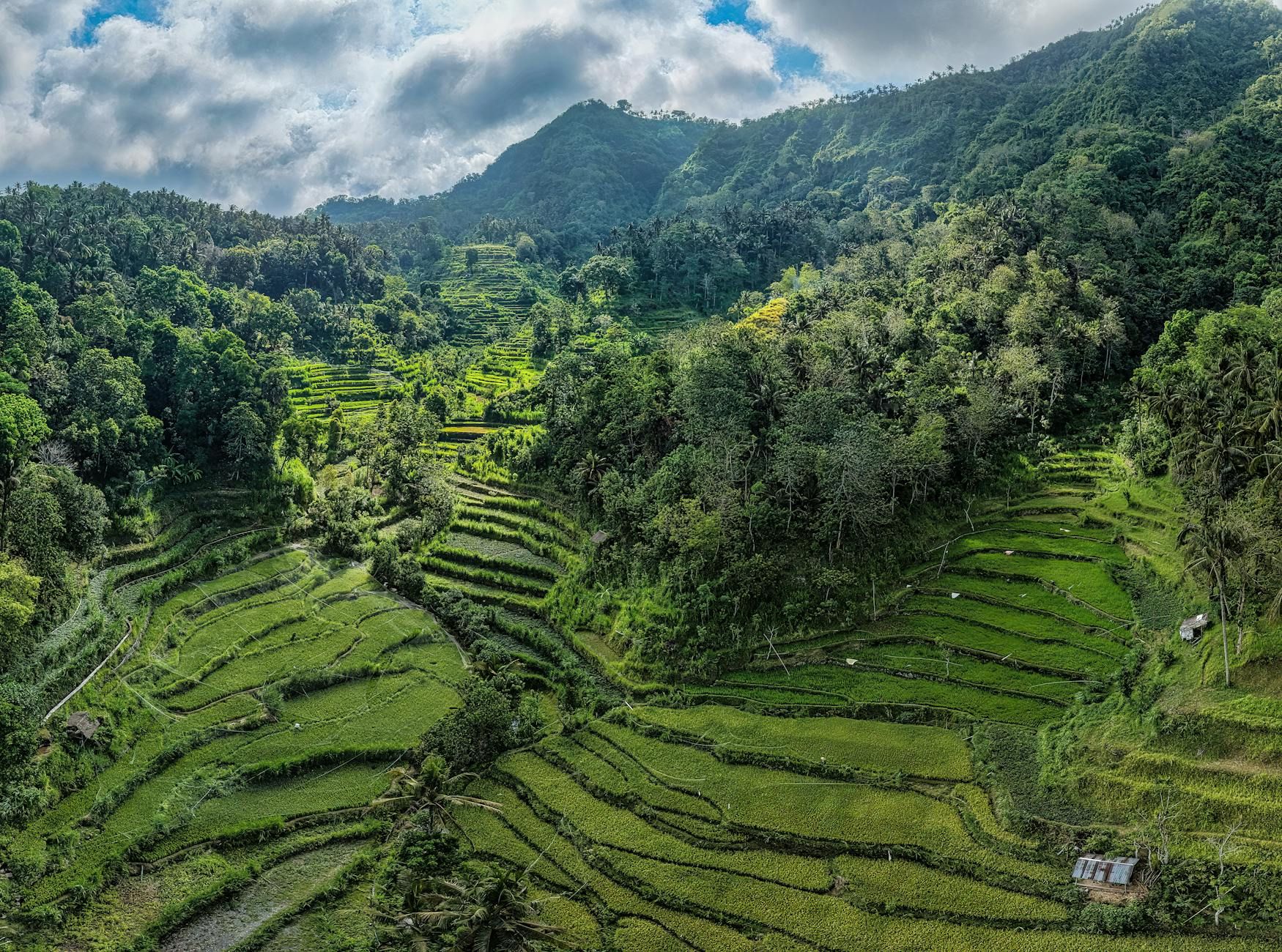
Photo by Ama Journey on Pexels
The Verdict: Which Should You Choose?
Choose Bali if you want stunning beaches, world-class resorts at excellent value, and a well-established tourism infrastructure that makes everything easy. It's perfect for first-time visitors to Southeast Asia, couples seeking romance without complications, and families who want beautiful accommodation with kids' clubs and pools. The shorter flight (six hours direct from east coast) also makes Bali ideal if you've only got a week.
Choose Vietnam if you're after cultural immersion, incredible food diversity, and don't mind a bit more planning. It's brilliant for repeat visitors to the region, adventurous couples who love exploring, and anyone fascinated by history. The longer stays (10+ days) work better here since you'll likely want to see multiple regions.
Our take? For a first Southeast Asian trip or a relaxing resort escape, Bali edges ahead. For a culturally rich adventure with phenomenal food, Vietnam wins. Both deliver exceptional value for Australians — you honestly can't go wrong with either.
How to Book Your Bali Escape
Ready to lock in Bali over Vietnam? Via Resorts makes it easy — secure your accommodation from as little as $100 AUD deposit, then book your flights separately when you're ready. It's the flexibility Australian travellers love: use your points, hunt for flight deals, or wait for a sale. Browse our handpicked Bali properties, compare locations and amenities, and hold your dates today. You'll travel later with full confidence, backed by local support and transparent AUD pricing. No hidden fees, no flight bundles you didn't ask for — just quality accommodation sorted, so you can focus on planning the fun stuff.
FAQ
Is Bali or Vietnam better for a first-time visitor to Asia?
Bali's generally easier for first-timers. English is widely spoken, Aussie dollars stretch further, and it's only a 5-6 hour flight. The infrastructure's more geared toward Western tourists, particularly around Seminyak and Ubud. Vietnam rewards a bit more adventurous spirit—language barriers are more common, street crossings require strategy, and you'll need longer to see multiple regions properly.
Which is cheaper overall: Bali or Vietnam?
Vietnam edges ahead on pure value. You'll pay roughly 30-40% less for meals, drinks, and day-to-day expenses compared to Bali's tourist centres. A decent dinner in Hanoi runs $8-12 AUD per person; the same quality in Seminyak costs $15-20. That said, Bali's accommodation-only model through Via Resorts often balances out—you're booking quality villas at transparent rates without inflated package margins.
Can I island-hop in Bali like I can in Vietnam?
Not really. Bali's neighbouring islands (Nusa Penida, Lombok, the Gilis) require separate boat trips and accommodation planning. Vietnam's geography makes multi-city trips more natural—fly into Hanoi, work south to Hoi An and Ho Chi Minh City. If you want varied experiences within one destination, Bali delivers through distinct regions (beach/culture/jungle). Vietnam requires movement between cities.
Which has better beaches?
Vietnam wins for pristine, uncrowded stretches—Phu Quoc and Con Dao are genuinely special. Bali's southern beaches are stunning but busy, particularly Seminyak and Canggu. If you want to plonk on sand with a book and see nobody, head to Vietnam. If you prefer beach clubs, surf breaks, and sunset cocktails within walking distance, Bali's your spot.
Both destinations cater to families, but in different ways. Bali tends to offer more structured resort experiences, while Vietnam may provide a different pace or style of trip. Consider your kids' ages and interests when deciding.
Which is cheaper — Bali or Vietnam?
Costs vary by season and accommodation type. Generally, both offer excellent value for Australian travellers compared to domestic holidays. Compare flights, accommodation, and daily costs for your specific travel dates.
Can I visit both Bali and Vietnam in one trip?
Yes, combining both destinations is a popular option. Many travellers split their trip between the two for variety. Check flight connections and transfer times to plan realistic itineraries.
What is the best time to visit Bali vs Vietnam?
Weather patterns can differ between the two. Research the dry and wet seasons for each to find the best overlap for your travel dates. The Australian winter holidays (June–July) generally work well for Southeast Asia.
How do beaches compare between Bali and Vietnam?
Beach quality varies significantly within each destination, not just between them. Look at specific beach areas rather than generalising — some spots in each location rival the best in Southeast Asia.