Choose Bali if you want lush rice terraces, deep cultural immersion, and a more intimate island vibe. It's ideal for couples seeking romance, wellness retreats, or laid-back beach clubs—plus it's closer from Australia (just 3 hours from Perth).
Choose Thailand if you want variety: bustling Bangkok, party islands like Phuket, serene northern mountains in Chiang Mai, and genuinely cheaper eats and accommodation. It's better for first-time visitors to Southeast Asia and families wanting multiple destinations in one trip.
The honest trade-off? Bali's more convenient but can feel touristy in hotspots like Seminyak. Thailand requires more travel time but rewards you with vastly different experiences across regions—and your dollar stretches further, even at 4-5 star properties.
Climate & Seasons: When to Go Where
Bali and Thailand sit in different climate zones, which means their wet and dry seasons don't quite line up — and that matters when you're planning around Aussie school holidays or trying to dodge the rain.
Bali's climate follows a fairly straightforward pattern: dry season from April to October (18–30°C), wet season from November to March (23–31°C). The wet season isn't a total washout — you'll get afternoon downpours rather than all-day rain — but humidity cranks up to around 80%, and some beach clubs close for maintenance. Peak Australian winter (June–August) lands perfectly in Bali's sweet spot: sunny days, lower humidity, and gentle ocean breezes.
Thailand's seasons are a bit more complex because the country's massive. Phuket and the Andaman Coast (west side) get hammered by monsoons from May to October, while the Gulf Coast — Koh Samui, Koh Phangan — stays relatively dry and flips its wet season to November–January. Bangkok and Chiang Mai follow yet another pattern, with a "cool" season (November–February, 20–32°C), hot season (March–May, up to 40°C), and wet season (June–October). Translation: there's almost always somewhere in Thailand with good weather, you just need to know which coast.
For Australian families, this creates an interesting dynamic. Christmas holidays align with Bali's wet season but Thailand's cool season on the Gulf Coast. Easter and winter school holidays hit Bali's dry season beautifully, while most of Thailand is also looking good (though heading into wet season on the Andaman side by June–July). If you're child-free and flexible, shoulder seasons — April/May and September/October — offer cheaper rates in both destinations with mostly decent weather, though you're taking a slight rain gamble.
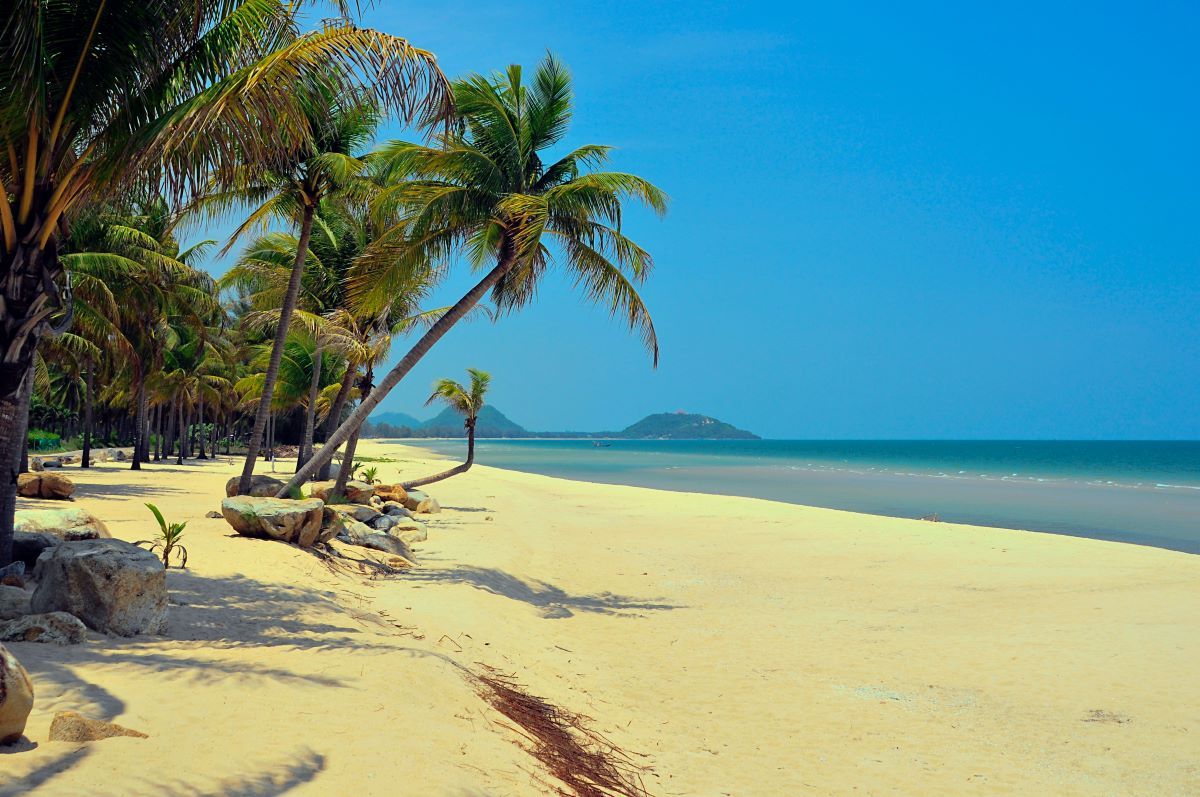
Photo by Pixabay on Pexels
The honest trade-off: Bali's more predictable. Thailand offers more options, but you need to do your homework on which region suits your dates.
Budget Breakdown: Where Your Dollar Goes Further
Let's talk real numbers. Both destinations punch well above their weight for value, but your Australian dollar stretches differently depending on what you're actually spending it on.
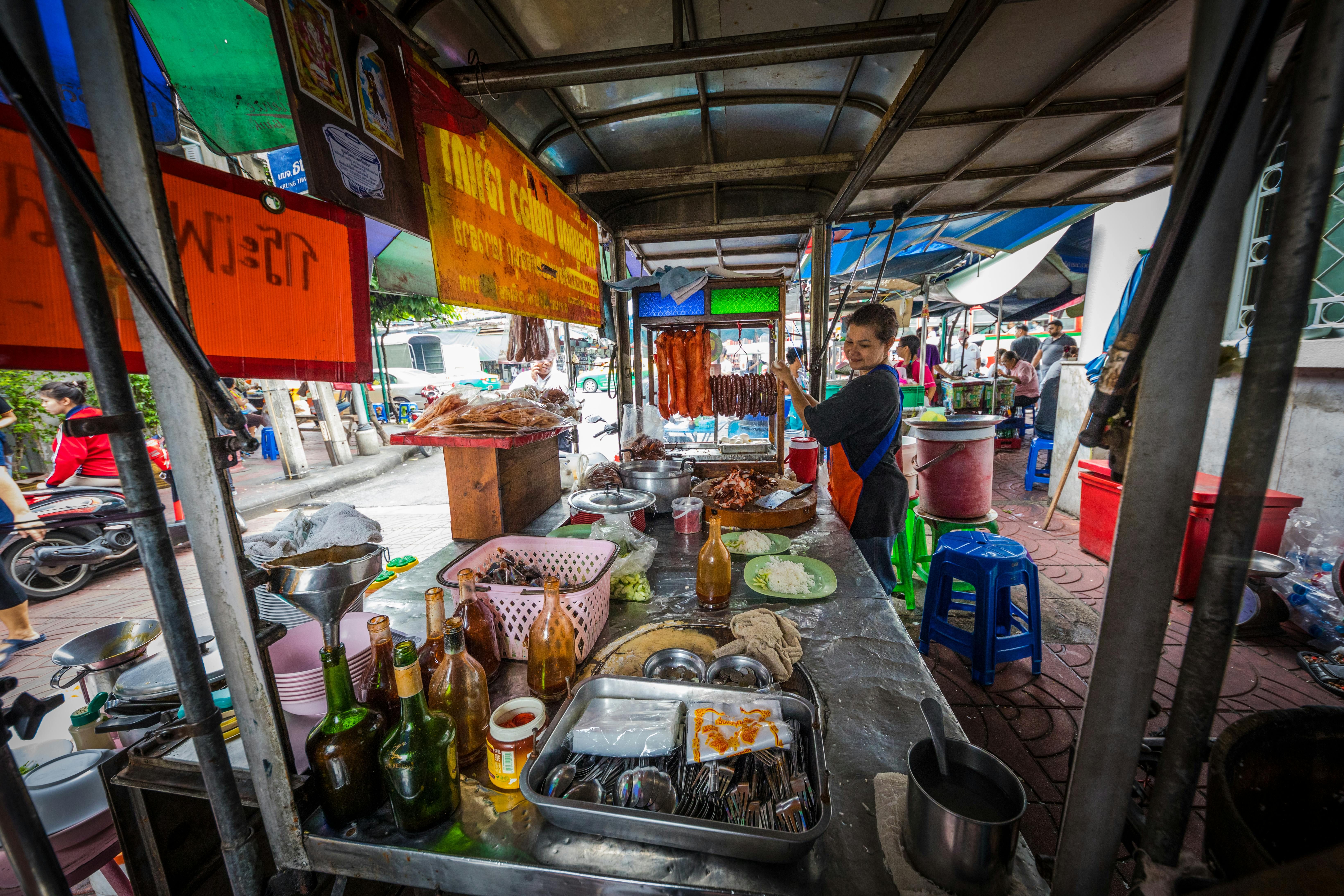
Photo by Miles Burke on Pexels
Accommodation: Bali Wins for Luxury, Thailand for Mid-Range
For a quality 4-star resort with pool access and breakfast, expect to pay $150–220 AUD per night in Bali's Seminyak or Ubud. The same standard in Phuket or Khao Lak runs $120–180 AUD. Where Bali pulls ahead is at the luxury end — you'll find genuinely stunning 5-star villas with private pools for $300–450 AUD that would cost $500+ in comparable Thai locations. Thailand's budget 3-star options ($60–90 AUD) typically offer better facilities than Bali's equivalents at the same price point.
Dining: Thailand Edges Ahead
Street food is brilliantly cheap in both. A pad thai or plate of satay costs $3–5 AUD. But restaurant dining tilts toward Thailand. A quality beachfront dinner for two with drinks runs $60–80 AUD in Thailand versus $80–100 AUD at similar Bali venues. The gap widens at resort restaurants — that poolside lunch in Seminyak might hit $45 AUD per person where it'd be $30–35 AUD in Krabi. Worth noting: Bali's warung (local eateries) offer exceptional value at $8–12 AUD per meal, matching Thailand's local spots.
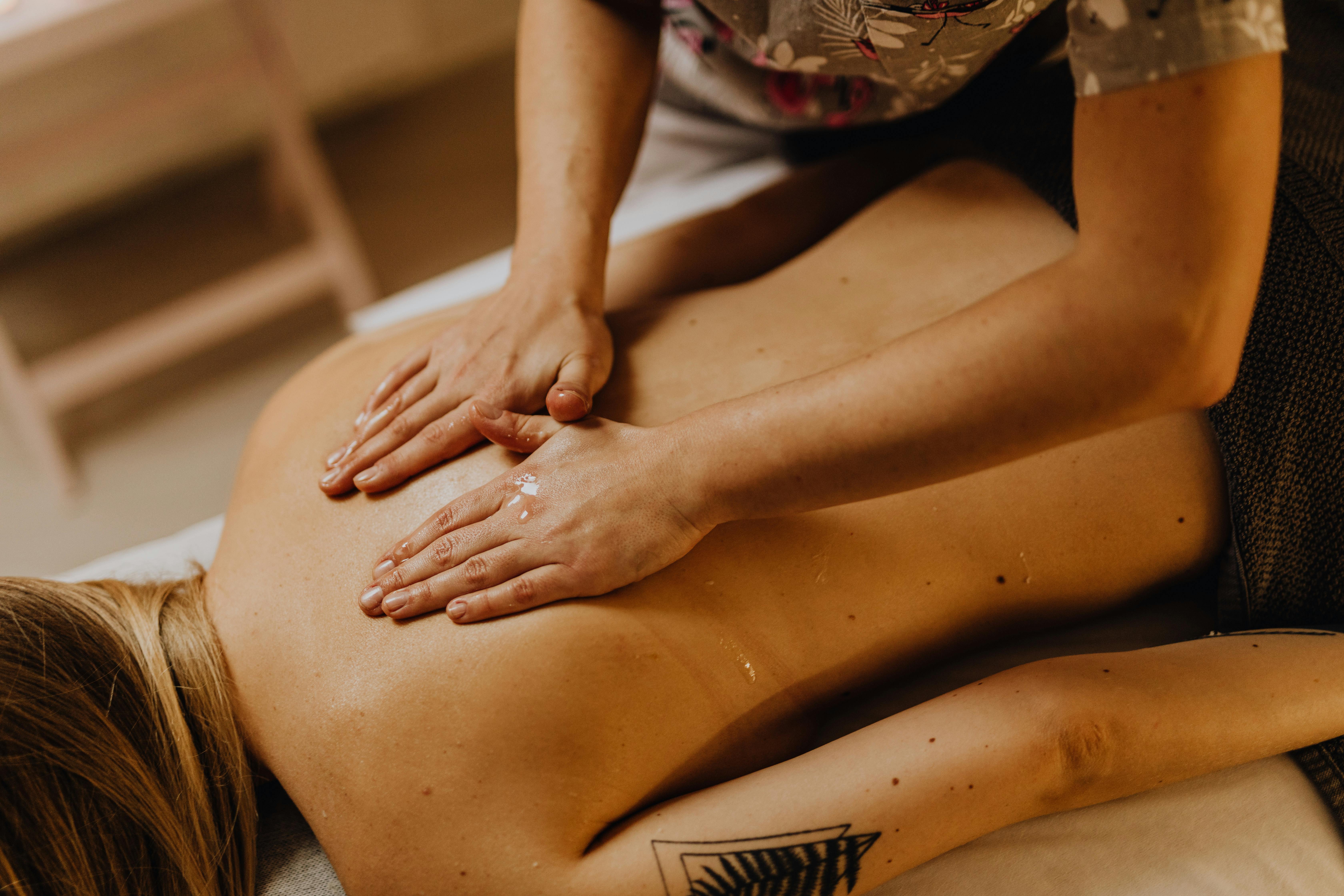
Photo by David Egon on Pexels
Activities and Experiences: Remarkably Even
Spa treatments cost nearly identically — a 90-minute massage averages $35–50 AUD in both destinations. Scuba diving runs $80–120 AUD per dive. Day tours sit around $60–90 AUD per person. Bali's temple entrance fees ($2–5 AUD) are negligible compared to Thailand's national park fees ($10–20 AUD). Where Thailand wins: island-hopping boat tours are often $10–15 AUD cheaper than Bali's equivalent water excursions.
Grab rides cost similar amounts ($5–15 AUD for typical journeys), but Thailand's better road infrastructure and longer distances mean you'll spend more getting between destinations. A private airport transfer in Bali runs $15–25 AUD; in Phuket it's $20–35 AUD due to distance. Scooter rentals are marginally cheaper in Bali ($6–8 AUD daily vs $8–10 AUD in Thailand).
The Verdict? Luxury seekers and villa-lovers get better bang for buck in Bali. Families and mid-range travellers stretching budgets across accommodation, meals, and multiple destinations will find Thailand edges ahead by 10–15% overall.
The Verdict
For first-timers craving that postcard-perfect tropical escape: Bali edges ahead. It's more compact, easier to navigate without a car, and delivers that Instagram-worthy rice terrace-temple-beach trifecta in a single week. The cultural immersion feels more accessible when you're still finding your feet in Southeast Asia.
For couples seeking romance and variety: Thailand wins on sheer options. You can combine Bangkok's energy with island serenity, and the southern beaches offer more dramatic scenery. That said, Bali's intimate villa culture is hard to beat for anniversary trips.
For families: Thailand's broader infrastructure, child-friendly resorts, and easier internal travel make it the safer bet — especially with younger kids. Bali works brilliantly for families with teens who'll appreciate the surf and culture.
For repeat visitors: Whichever you haven't explored deeply. Both destinations reward slow travel and regional deep-dives far more than tick-box tours.
The honest truth? You can't go wrong with either. Book whichever speaks to you — Via Resorts has exceptional properties across both destinations, with deposits from just $100 AUD to secure today and travel later.
How to Book Your Bali Accommodation
Ready to lock in your Bali escape? Via Resorts makes it refreshingly straightforward — secure your accommodation with a deposit from as little as $100 AUD, then book your flights separately when you find the deal that works for you. It's the flexibility Australian travellers actually want: hold your preferred resort today, travel later, and use your points or snag those flight sales without being locked into a package. Browse our hand-picked Bali properties, compare honest pricing, and book knowing you've got local support when you need it.
FAQ
Is Bali or Thailand Better for First-Time Visitors?
Thailand edges ahead for first-timers purely because of infrastructure — Bangkok's airport connects to everywhere, English is more widely spoken, and tourism systems are more established. That said, Bali's smaller size makes it less overwhelming. You can base yourself in one area and still see plenty. If you're anxious about navigating Asia, Bali's the gentler introduction.
Which Is Safer for Australian Travellers?
Both are remarkably safe for tourists. Bali's main risks are traffic accidents (rent a scooter at your own peril) and the occasional bag snatch in Seminyak. Thailand sees similar issues, plus more aggressive scams in Bangkok. Violent crime against tourists is rare in both. Standard travel insurance is essential — Bali for scooter injuries, Thailand for party-related mishaps in places like Koh Phi Phi.
Can I Island Hop Easily in Bali Like I Can in Thailand?
No — and this is Thailand's massive advantage. Thailand's islands are connected by affordable ferries, speedboats, and short flights. You can do Phuket-Phi Phi-Krabi-Koh Samui in a fortnight without breaking a sweat. Bali's neighbouring islands (Nusa Penida, Gili Islands, Lombok) require separate boat trips and more planning. If island hopping is your dream, Thailand wins hands down.
Which Destination Offers Better Value for Couples?
Bali delivers better value for romantic stays — stunning private pool villas start around $150–200 AUD per night. Thailand's equivalent accommodation costs more in popular spots like Phuket or Koh Samui. But Thailand wins on food and activities — meals cost half what you'll pay in Seminyak, and day tours are cheaper. Overall, they're neck and neck, just weighted differently.
Australians get 60 days visa-free in Thailand (extendable to 90 days). Bali offers 30 days visa-free, or you can buy a 60-day visa on arrival for around $50 AUD. Thailand's the simpler option for longer trips.
Both destinations cater to families, but in different ways. Bali tends to offer more structured resort experiences, while Thailand may provide a different pace or style of trip. Consider your kids' ages and interests when deciding.
Which is cheaper — Bali or Thailand?
Costs vary by season and accommodation type. Generally, both offer excellent value for Australian travellers compared to domestic holidays. Compare flights, accommodation, and daily costs for your specific travel dates.
Can I visit both Bali and Thailand in one trip?
Yes, combining both destinations is a popular option. Many travellers split their trip between the two for variety. Check flight connections and transfer times to plan realistic itineraries.
What is the best time to visit Bali vs Thailand?
Weather patterns can differ between the two. Research the dry and wet seasons for each to find the best overlap for your travel dates. The Australian winter holidays (June–July) generally work well for Southeast Asia.
How do beaches compare between Bali and Thailand?
Beach quality varies significantly within each destination, not just between them. Look at specific beach areas rather than generalising — some spots in each location rival the best in Southeast Asia.